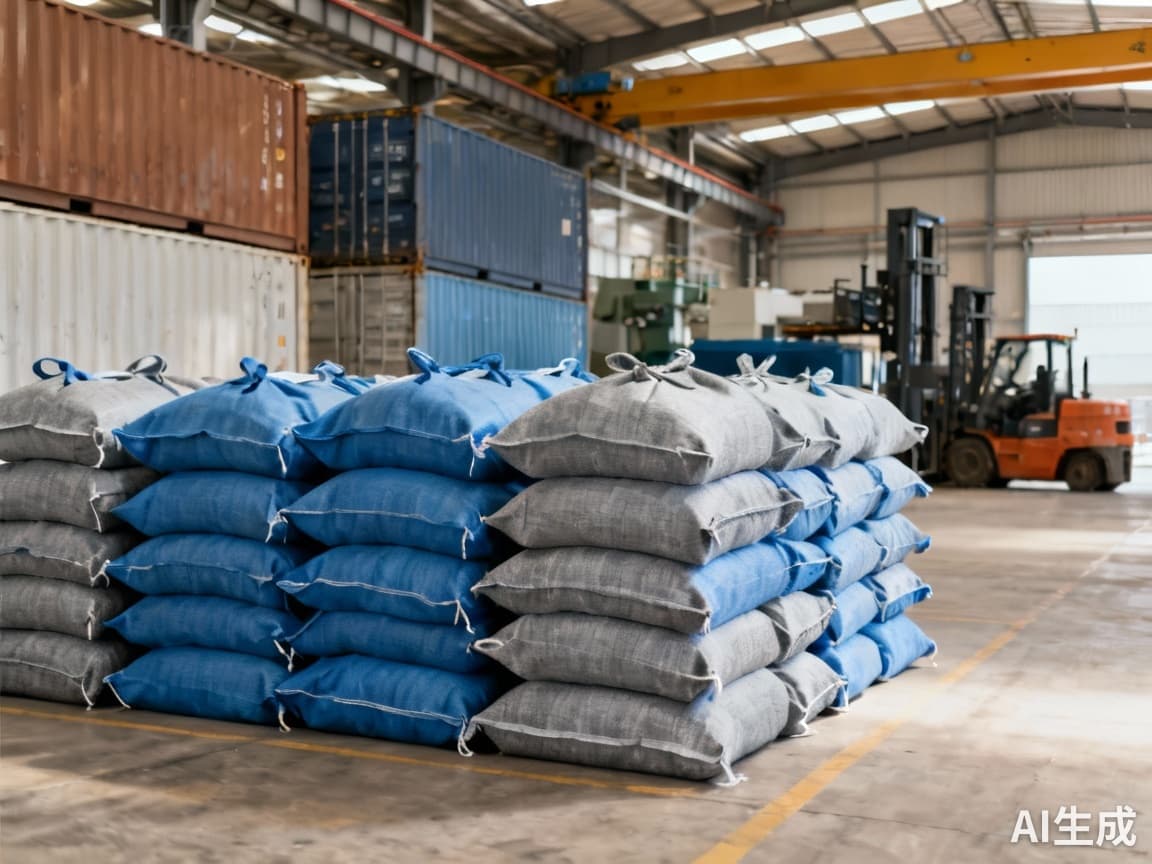
Bulk Bags Cut Plastic Waste 30% & Boost Supply Chain Resilience in Export Surge #58
RUNCHEN
الكاتبتمتلك RUNCHEN خبرة تزيد على 25 عاما في تصنيع وبيع أكياس FIBC الكبيرة، مع مرافق إنتاج خاصة وقدرة مستقرة للإنتاج على دفعات. نتخصص في أكياس FIBC، والأكياس الجامبو، وأكياس الطن، وحلول التغليف الصناعي المخصصة.
Beyond Cost Savings: How Bulk Bags Are Reshaping Supply Chain Resilience in Volatile Markets
The global packaging industry faces unprecedented challenges in 2024. With over 4 million tons of new production capacity coming online and export orders surging dramatically across Southern and Eastern China, manufacturers are grappling with both supply chain volatility and increasing pressure to address environmental concerns. Against this backdrop, bulk bags have emerged as a strategic solution that addresses both operational efficiency and sustainability imperatives.
The Plastic Pollution Crisis and Packaging Innovation Imperative
Global plastic production reached 460 million tons in 2019, representing a 230-fold increase over the past 70 years. Approximately 350 million tons of plastic waste is generated annually, with concerning environmental impacts. While only 0.5% of this waste ultimately enters oceans, the cumulative effect has created urgent demand for sustainable packaging alternatives that reduce environmental footprint without compromising supply chain performance.
The packaging paper market volatility in 2024 has further complicated decision-making for export-driven manufacturers. As one industry analyst noted:
"The simultaneous capacity expansion and export surge creates both opportunities and challenges. Companies that adapt their packaging strategies to this new reality will gain competitive advantage."
Tingyi's Transformation: A Case Study in Sustainable Packaging
Tingyi Holding Corporation's packaging transformation provides a compelling blueprint for other manufacturers. The company systematically replaced conventional raw material packaging with bulk bag solutions, implemented tanker transportation for liquid components, and enhanced paper carton recycling programs.
The results demonstrated that strategic packaging redesign can simultaneously achieve environmental and operational benefits:
- Plastic usage reduction estimated at 30-40% for affected product lines
- Significantly improved packaging recovery rates through standardized bulk bag systems
- Enhanced supply chain flexibility to accommodate fluctuating export demands
This transformation required a fundamental rethinking of packaging not as a cost center but as a strategic enabler for both sustainability and supply chain resilience.
Technical Implementation Framework: Selecting the Right Bulk Bag Solution
Successful bulk bag implementation requires careful technical evaluation. Different bulk bag types serve distinct purposes across various industrial applications:
- Internal lifting loop bags: Ideal for materials requiring frequent handling and precise placement
- Top lift bags: Optimal for high-capacity transportation and storage applications
- Ventilated bags: Essential for products requiring airflow to maintain quality during storage and transit
Quality control standards must address weight capacity, UV resistance, moisture protection, and compliance with international transportation regulations. Implementation should follow a phased approach, beginning with pilot programs on specific product lines before enterprise-wide deployment.
Building Supply Chain Resilience Through Packaging Innovation
The 2024 export surge demonstrated how traditional packaging systems struggle with rapid scaling. Bulk bags offer distinct advantages during market fluctuations:
- Volume flexibility: Accommodate order variations without packaging redesign or retooling
- Storage efficiency: Reduce warehouse space requirements by up to 40% compared to rigid containers
- Transportation optimization: Maximize load efficiency and reduce shipping costs
- Quick adaptation: Rapidly scale packaging operations to meet unexpected demand changes
These benefits become particularly valuable during the supply-demand博弈 (game theory) situations that characterize volatile markets, where responsive packaging systems can determine whether companies capitalize on opportunities or miss them.
Comprehensive ROI Assessment Framework
While Tingyi's case didn't quantify ROI, industry data suggests bulk bag implementations typically deliver returns across multiple dimensions:
- Direct cost savings: 15-25% reduction in packaging material costs
- Operational efficiency: 20-30% improvement in loading/unloading throughput
- Environmental compliance: Reduced waste management costs and regulatory compliance expenses
- Supply chain resilience: Value derived from ability to respond to market fluctuations
Companies should establish baseline metrics before implementation and track these key performance indicators throughout the transition period.
Implementation Roadmap: Phased Transition Strategy
Successful bulk bag adoption requires careful planning and execution. We recommend a four-phase approach:
Phase 1: Assessment and Planning (4-8 weeks)
- Conduct packaging audit across product lines
- Identify highest-impact conversion opportunities
- Establish sustainability and operational benchmarks
Phase 2: Pilot Implementation (8-12 weeks)
- Select 2-3 product categories for initial conversion
- Test different bulk bag configurations
- Refine handling procedures and training protocols
Phase 3: Scaling and Optimization (12-16 weeks)
- Expand successful pilots across additional product lines
- Optimize inventory management for bulk bag systems
- Implement performance monitoring and continuous improvement
Phase 4: Full Integration (Ongoing)
- Complete enterprise-wide transition
- Integrate bulk bag systems with sustainability reporting
- Establish supplier standards for bulk bag compatibility
Risk Mitigation and Quality Assurance
Potential implementation risks include supplier reliability, employee training requirements, and compatibility with existing handling equipment. These can be mitigated through:
- Dual-sourcing strategies for bulk bag procurement
- Comprehensive training programs for handling and maintenance staff
- Phased equipment upgrades aligned with implementation timeline
- Rigorous quality testing protocols for all incoming bulk bags
Conclusion: Strategic Packaging for Uncertain Markets
As we look toward 2025, with continued market uncertainty and increasing sustainability pressures, bulk bags represent more than just packaging—they embody a strategic approach to building resilient, sustainable supply chains. The experience of companies like Tingyi demonstrates that environmental responsibility and operational excellence are not competing priorities but complementary objectives.
The companies that will thrive in tomorrow's volatile markets are those that recognize packaging as a strategic capability rather than a necessary expense. By embracing bulk bag solutions and the comprehensive implementation framework outlined above, manufacturers can simultaneously reduce environmental impact, enhance supply chain resilience, and position themselves for success regardless of market conditions.
Related News
Other news you might be interested in
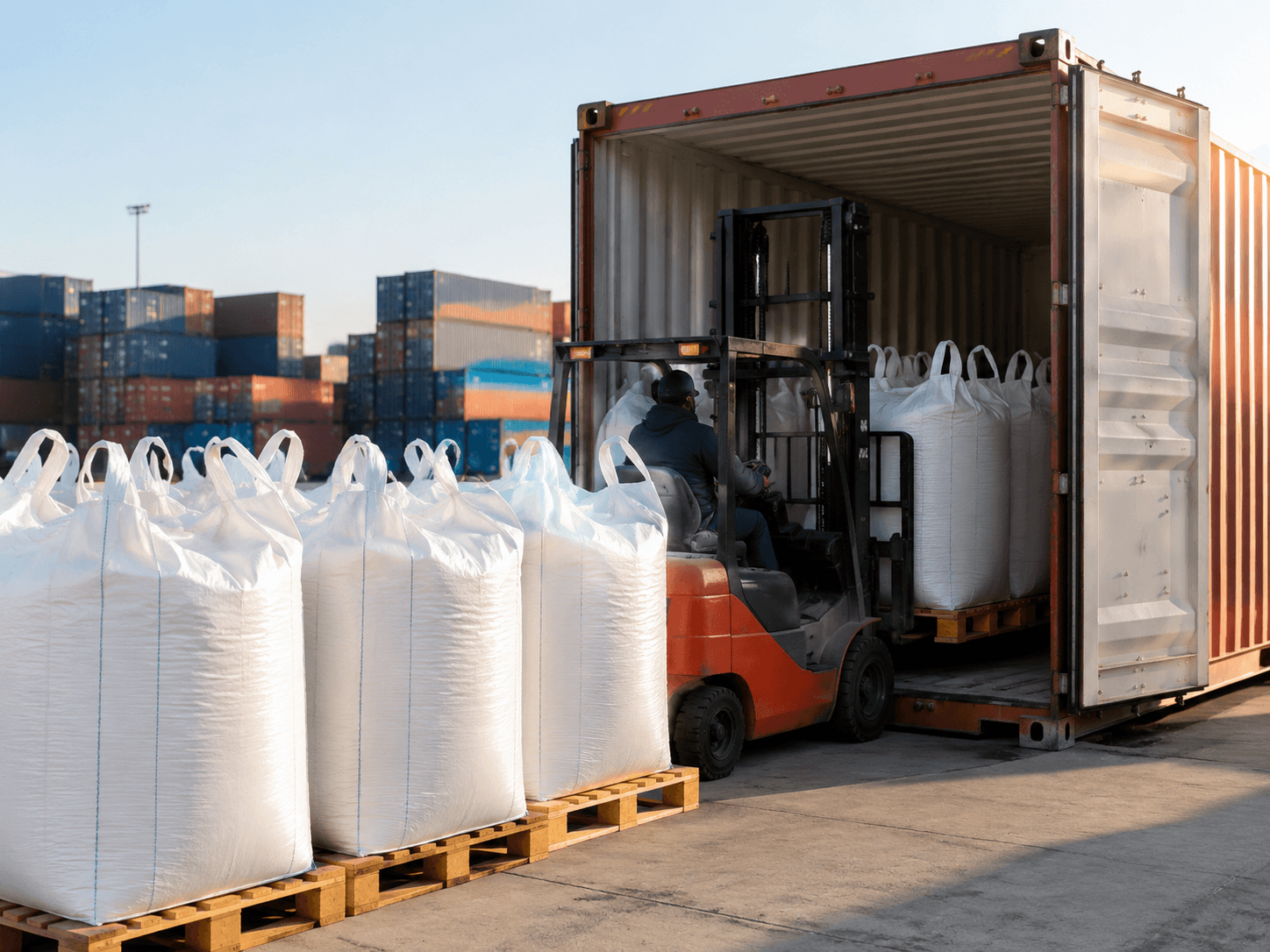
دليل شراء أكياس FIBC السائبة: كيفية اختيار كيس FIBC السائب المناسب لمادتك
اختيار أكياس FIBC السائبة المناسبة ليس مجرد مسألة حجم وسعر. يجب أن يتوافق الكيس مع خصائص المادة الخاصة بك، ومعدات التعبئة والتفريغ، وظروف التخزين، وطريقة المناولة، ومتطلبات الامتثال للنقل. يمكن أن يؤدي الاختيار السيئ إلى تسرب، تلف بسبب الرطوبة، انبعاثات غبار، تكديس غير مستقر، معالجة غير فعالة، مخاطر كهرباء ساكنة، أو عدم الامتثال في نقل المواد الخطرة.
تقليل نفايات التغليف والتكاليف من خلال الحجم المناسب للحاوية الوسيطة المرنة (FIBC)
أصبحت تحديات إدارة نفايات التغليف أكثر تعقيدًا بالنسبة للصناعات التي تعتمد على نقل المواد السائبة. يمثل اختيار الحجم الصحيح للحاوية الوسيطة المرنة (FIBC) واحدة من أكثر الفرص تأثيرًا والتي غالبًا ما يتم تجاهلها لتقليل النفايات وتوفير التكاليف عبر سلسلة التوريد الخاصة بك. مع تزايد الضغوط البيئية وضيق الميزانيات التشغيلية، فإن تحسين حجم الحاوية الوسيطة المرنة يحقق فوائد بيئية ومالية لا يمكن للشركات التقدمية تجاهلها.
Want to know more?
Get in touch with us for more information about our services and products.