الطلب على أكياس FIBC الغذائية يستمر في الارتفاع مع تركيز سلاسل توريد الحبوب والأعلاف والنشا على النظافة والحماية من الرطوبة
RUNCHEN
الكاتبتمتلك RUNCHEN خبرة تزيد على 25 عاما في تصنيع وبيع أكياس FIBC الكبيرة، مع مرافق إنتاج خاصة وقدرة مستقرة للإنتاج على دفعات. نتخصص في أكياس FIBC، والأكياس الجامبو، وأكياس الطن، وحلول التغليف الصناعي المخصصة.
تتجه عبوات المواد الخام الغذائية من التعبئة الأساسية إلى الحماية الأكثر أمانًا
في السنوات الأخيرة، استمرت صناعات معالجة الحبوب والأعلاف الحيوانية ومعالجة النشا وتصدير مكونات الأغذية في النمو. ونتيجة لذلك، أصبحت متطلبات التعبئة والتغليف للمواد السائبة أكثر صرامة. في الماضي، كان المشترون يركزون بشكل أساسي على سعة التحميل وحجم الكيس وتكلفة الشراء عند اختيار أكياس FIBC. أما اليوم، فتهتم المزيد من الشركات بالنظافة ومقاومة الرطوبة وأداء الإحكام وكفاءة إدارة المستودعات.
بالنسبة لمنتجات مثل الأرز والدقيق والنشا والسكر ومكونات الأعلاف الحيوانية والمواد المضافة للأغذية، لم يعد التغليف مجرد أداة نقل. بل أصبح عاملاً مهماً يؤثر على جودة المنتج. أثناء النقل لمسافات طويلة، والنقل في الموانئ، والتخزين في المستودعات، والشحن للتصدير، قد تؤثر الرطوبة والغبار والمواد الغريبة وتلف العبوة جميعها على جودة التسليم النهائية.
لهذا السبب يستمر الطلب على أكياس FIBC المخصصة للاستخدام الغذائي في الارتفاع. وراء هذا الاتجاه تكمن الحاجة المتزايدة إلى حلول تغليف أكثر أماناً ونظافة واحترافية في سلاسل توريد المواد الخام الغذائية.
أصبحت النظافة معياراً رئيسياً لأكياس FIBC المخصصة للاستخدام الغذائي
المواد الخام الغذائية حساسة لظروف التعبئة. إذا كان داخل الكيس يحتوي على غبار أو خيوط سائبة أو مواد غريبة أو تلوث، فقد يؤثر ذلك على المعالجة النهائية وفحص المستودعات وثقة العملاء. لذلك، تتطلب أكياس FIBC المخصصة للاستخدام الغذائي عادةً تحكماً أكثر صرامة في اختيار المواد، وبيئة الإنتاج، وعملية الخياطة، وتكوين البطانة، وتصميم الإغلاق. بالنسبة لمواد مثل الدقيق والتوابل والمواد المضافة للأغذية والنشا، غالباً ما تفضل الشركات أكياس FIBC ذات المظهر النظيف والهيكل الثابت والبطانة الداخلية الاختيارية والطباعة المخصصة.
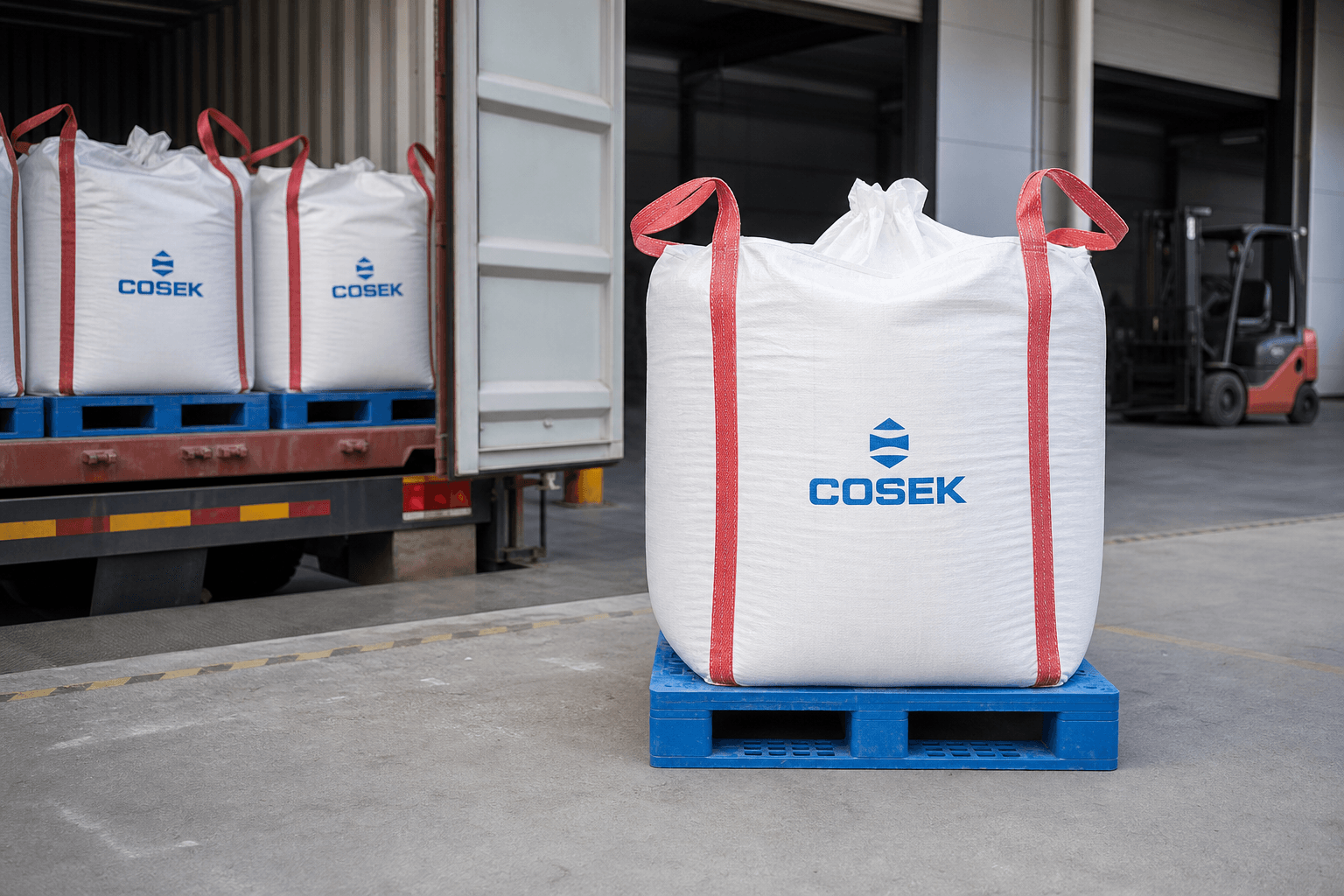
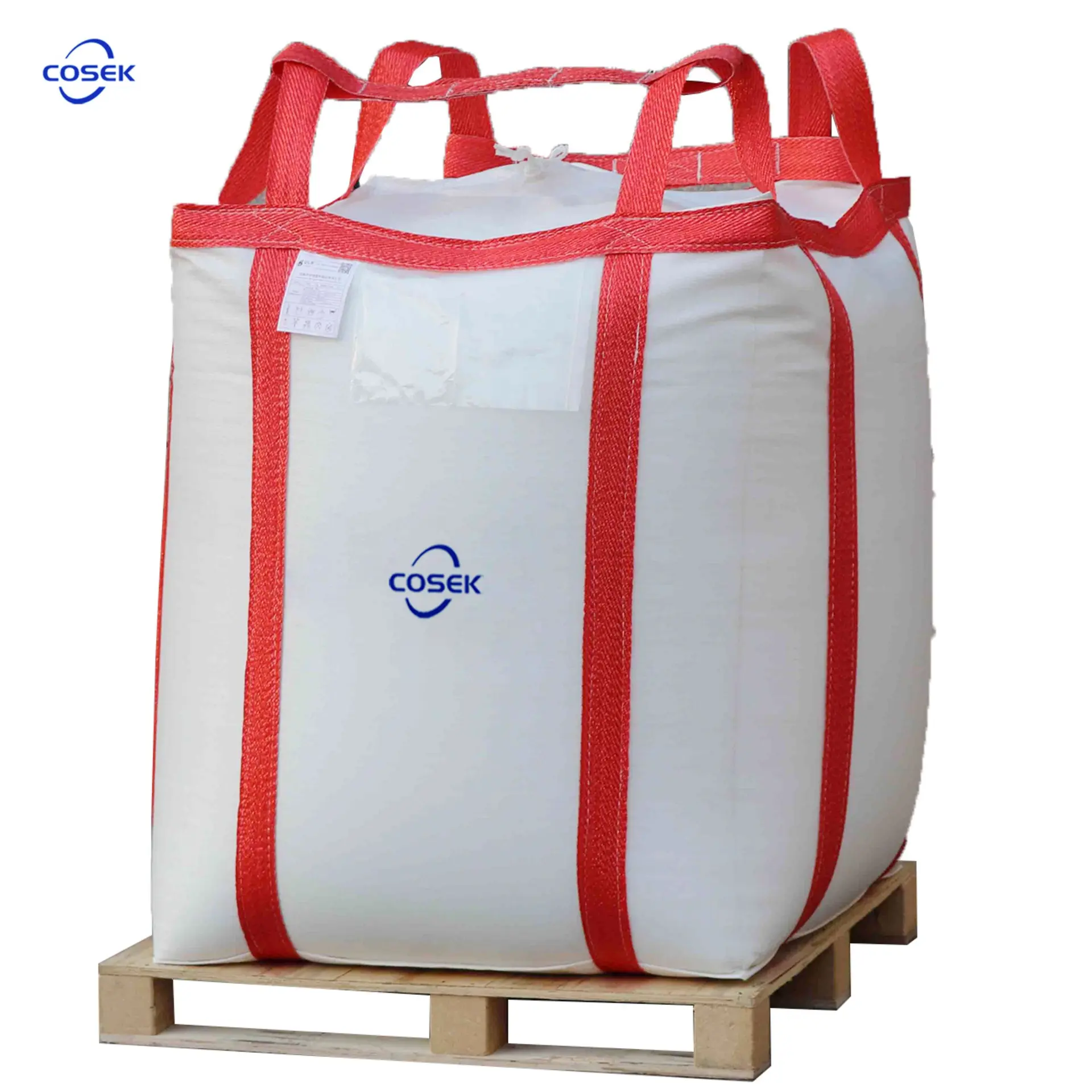
كيس الطن الغذائي COSEK بالأبيض والأحمر مناسب للأرز والدقيق والتوابل والمواد المضافة وغيرها من المواد الخام الغذائية. يمنح جسم الكيس الأبيض مظهراً نظيفاً ومهنياً، بينما تسهل حلقات الرفع الحمراء وأحزمة التعزيز على المستودعات تحديد الدُفعات وتحسين ظهور العلامة التجارية. إنه خيار عملي للعملاء الذين يقدرون أداء التغليف الغذائي وعرض المنتج.
الحماية من الرطوبة تؤثر بشكل مباشر على جودة الحبوب والأعلاف والنشا
بالإضافة إلى النظافة، تعتبر مقاومة الرطوبة عاملاً مهماً آخر لأكياس المواد السائبة المخصصة للاستخدام الغذائي. الحبوب والأعلاف الحيوانية ومواد النشا حساسة بشكل عام للرطوبة. بمجرد أن تمتص هذه المواد الرطوبة أثناء النقل أو التخزين، قد تصبح متكتلة أو متعفنة أو ذات رائحة كريهة أو أقل سيولة.
هذا الخطر شائع بشكل خاص أثناء النقل في موسم الأمطار، والتخزين المؤقت في الهواء الطلق، والمناولة في ساحات الموانئ، والشحن بالحاويات، والتخزين طويل الأمد. في هذه الظروف، قد لا توفر الأكياس المنسوجة العادية حماية كافية. يمكن لأكياس FIBC ذات الهياكل المقاومة للرطوبة أو البطانات الداخلية أو التصميمات المقاومة للتسرب أن تساعد في تقليل خطر دخول الرطوبة إلى الكيس وتقليل فقدان المنتج.
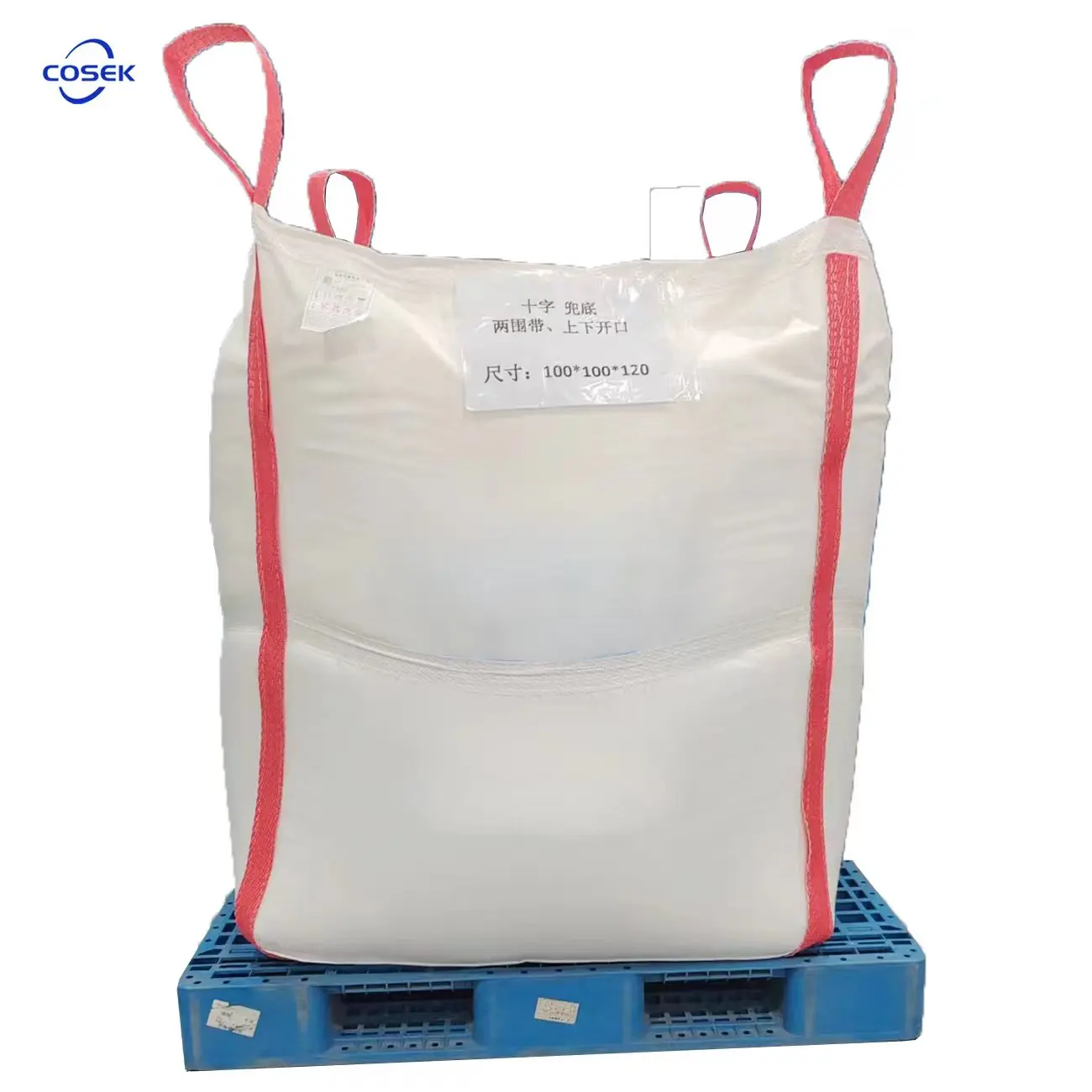
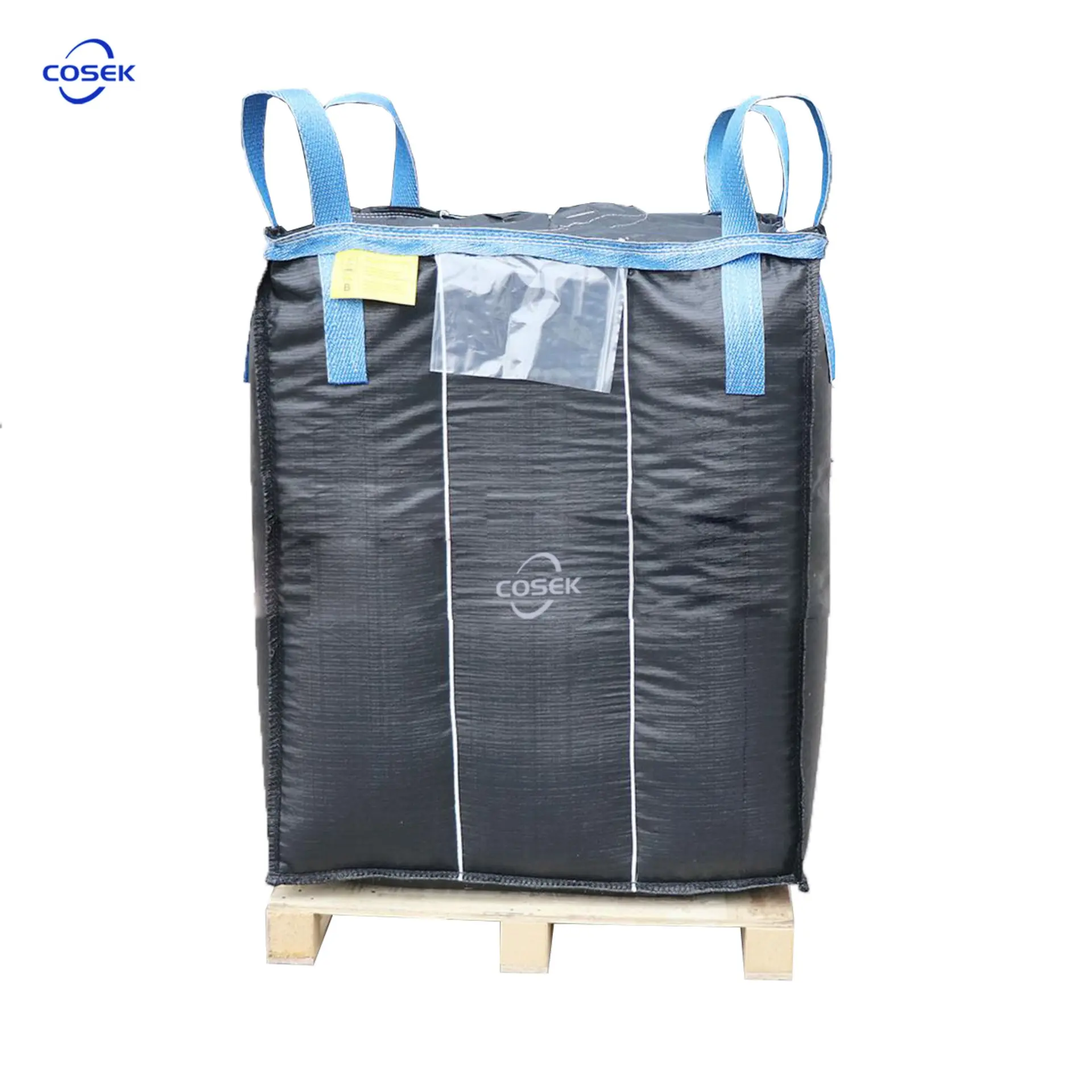
بالنسبة للحبوب والأعلاف وغيرها من المواد السائبة الحساسة للرطوبة، كيس الطن الأسود المقاوم للرطوبة من COSEK هو خيار أكثر حماية. إنه مناسب للتطبيقات التي تتطلب مقاومة أفضل للرطوبة والماء والمتانة، مما يساعد على تحسين استقرار المواد أثناء التخزين والنقل.
تصميم أكياس FIBC المخصصة يحسن كفاءة التخزين والخدمات اللوجستية
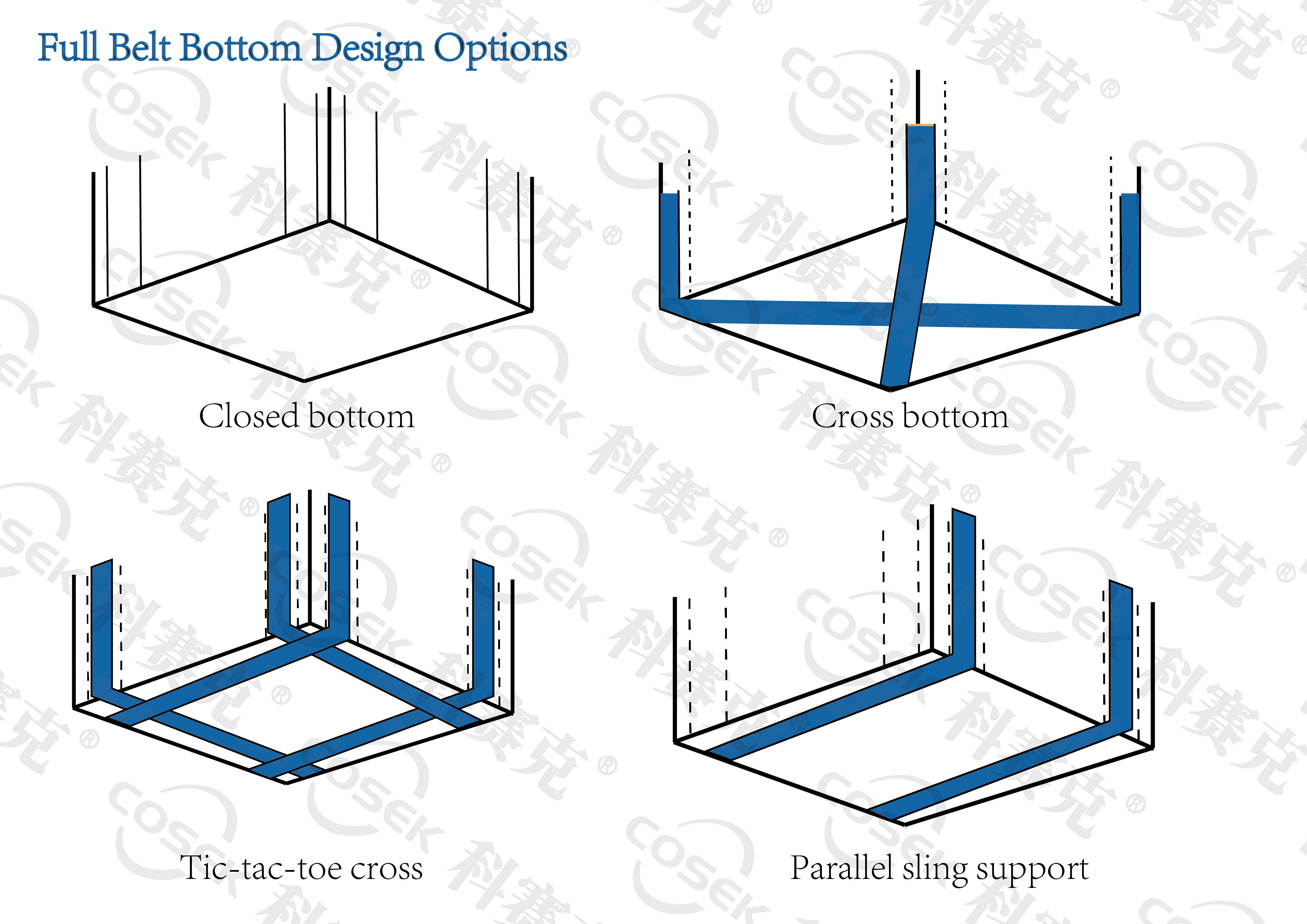
لا تنعكس قيمة أكياس FIBC المخصصة للاستخدام الغذائي في المادة نفسها فحسب، بل أيضاً في ما إذا كان الكيس يمكن أن يتطابق مع سيناريو التطبيق الفعلي للعميل. تتطلب المواد المختلفة هياكل تغليف مختلفة.
المواد المسحوقة تحتاج عادةً إلى إحكام أفضل ومنع تسرب أفضل. المواد الحبيبية تتطلب أداء تحمل أقوى واستقراراً أفضل في التكديس. المواد الحساسة للرطوبة غالباً ما تحتاج إلى بطانات داخلية وأغشية مقاومة للرطوبة أو هياكل إغلاق أكثر إحكاماً. في الوقت نفسه، يمكن أن يؤثر تصميم حلقات الرفع وفوهة التعبئة وفوهة التفريغ وحجم الكيس والطباعة وتحديد الألوان أيضاً على كفاءة التحميل وإدارة المستودعات.
بالنسبة للشركات الموجهة للتصدير، يمكن لأكياس FIBC المخصصة أن تساعد أيضاً في خلق صورة علامة تجارية أكثر اتساقاً. يمكن للطباعة الواضحة وتحديد الدُفعات والتغليف الموحد أن يقلل من الشحنات الخاطئة واختلاط المواد وتكاليف تحديد المستودعات.
لا تزال أكياس FIBC المخصصة للاستخدام الغذائي تمتلك إمكانات نمو قوية في السوق
من منظور الصناعة، فإن الطلب المتزايد على أكياس FIBC المخصصة للاستخدام الغذائي ليس اتجاهاً قصير المدى. إنه نتيجة لترقية سلسلة التوريد في صناعة المواد الخام الغذائية. مع زيادة اهتمام العملاء بسلامة الأغذية ومعايير التغليف وكفاءة النقل والتحكم في الفاقد، يتم استبدال التغليف العادي منخفض التكلفة تدريجياً بحلول تغليف أكثر نظافة واستقراراً وأكثر تخصصاً للتطبيق.
في المستقبل، ستستمر أكياس FIBC المخصصة للاستخدام الغذائي في التطور نحو نظافة أعلى وحماية أفضل من الرطوبة وتخصيص أكبر وتحسين إمكانية التتبع. بالنسبة لشركات الحبوب والأعلاف والنشا والمواد المضافة للأغذية، اختيار الكيس السائب المناسب لا يقتصر فقط على تغيير مواد التغليف. بل يتعلق بتحسين موثوقية عملية الخدمات اللوجستية والتخزين بأكملها.
Related News
Other news you might be interested in
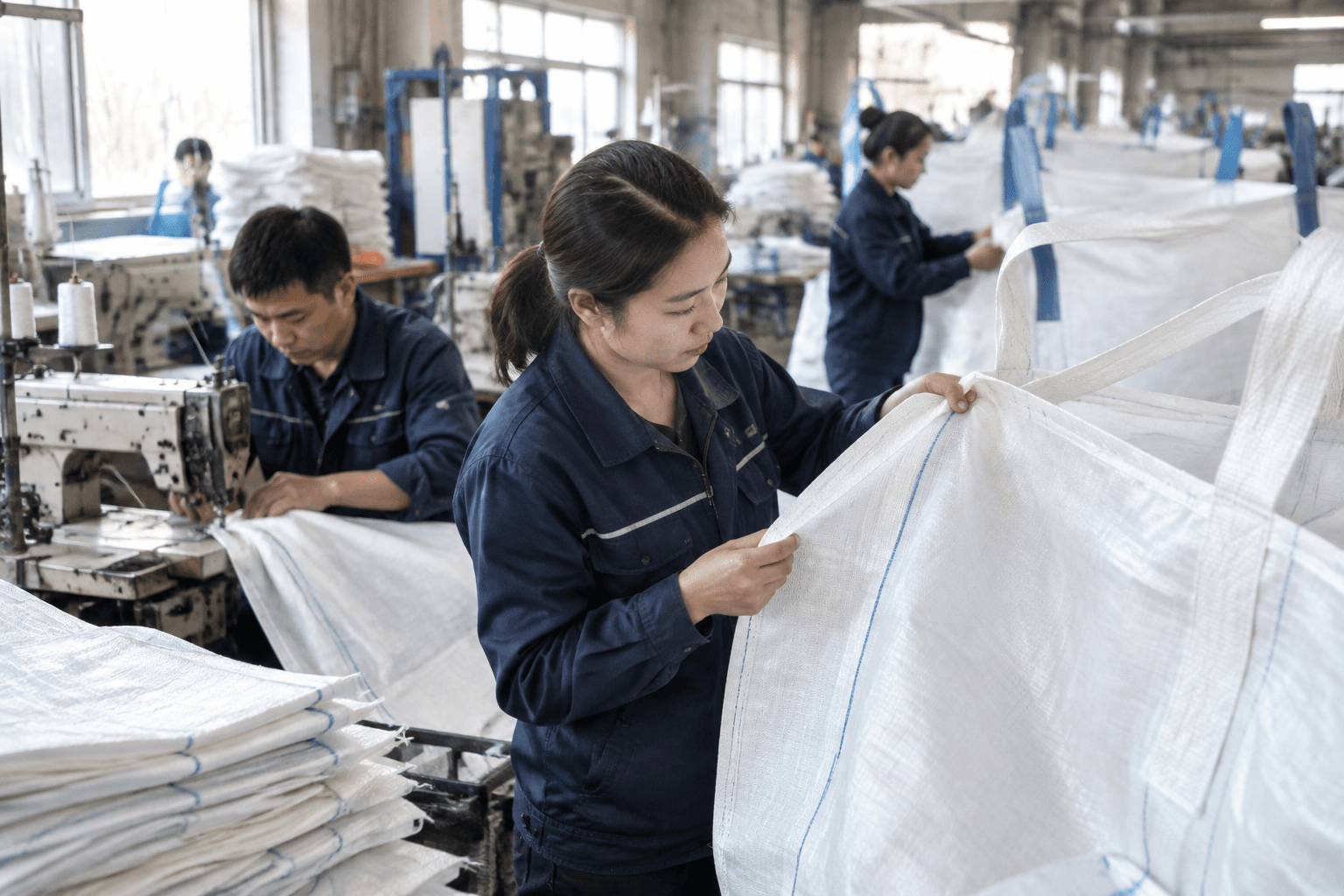
الدورة 140 لمعرض كانتون: الاتجاهات الجديدة في أسواق التصدير لأكياس الطن، وأكياس الجامبو، وتغليف البولي بروبيلين المنسوج
اكتشف كيف يمكن لمشتري التصدير تقييم أكياس الجامبو (FIBC) وتغليف البولي بروبيلين المنسوج بما يتجاوز سعر الوحدة. احصل على إرشادات عملية حول المواصفات، والتحقق من الموردين، ومتطلبات الاستدامة، وطلبات الأسعار (RFQs) - واستعد لمحادثة التوريد القادمة مع COSEK.
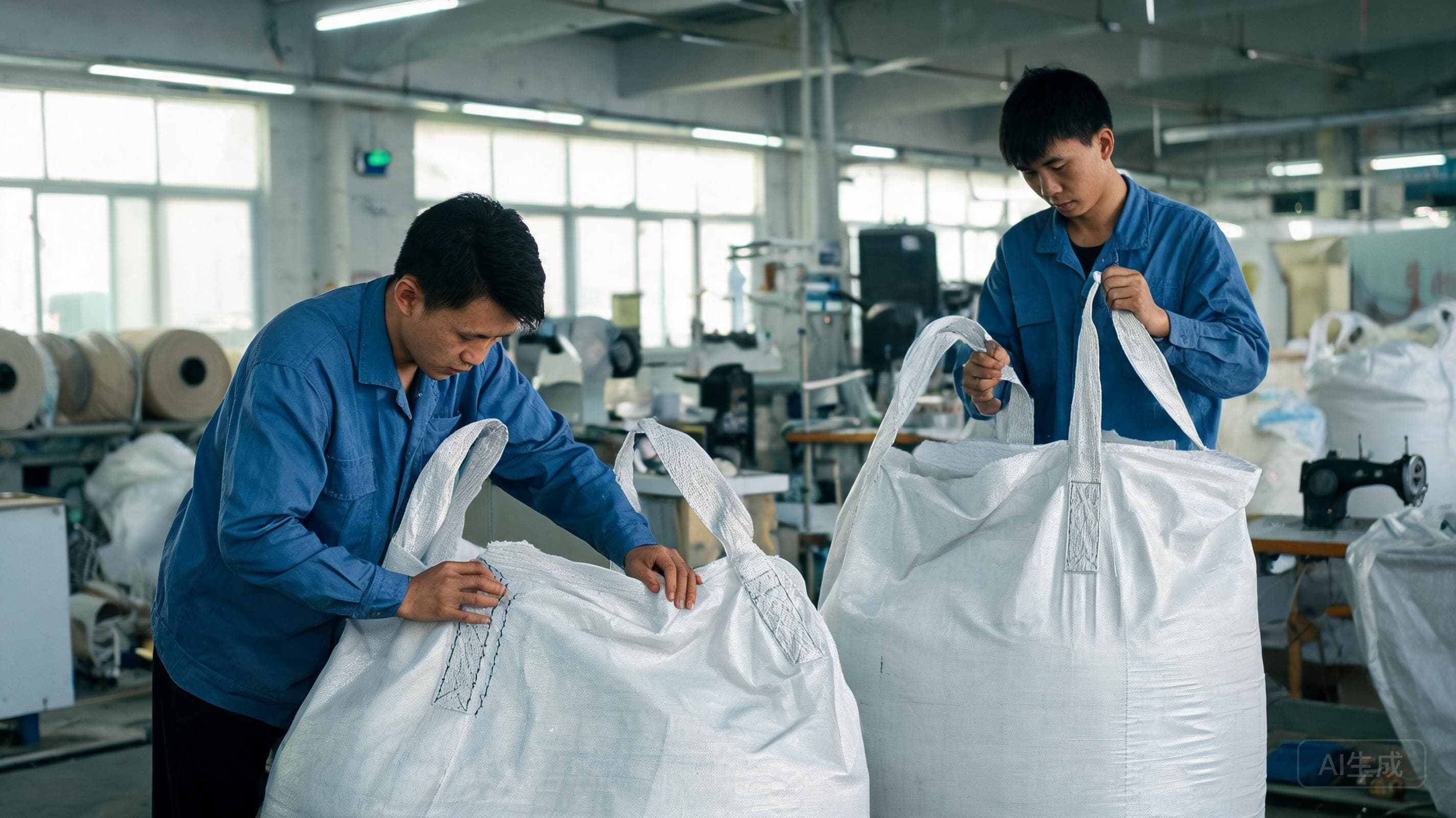
كيفية اختيار حقيبة FIBC السائبة المناسبة لتغليف صناعي أكثر أمانًا وكفاءة
اختر حقيبة FIBC السائبة من خلال مطابقة هيكلها مع منتجك وعملية المناولة ومتطلبات الامتثال والوجهة. استخدم المراجعة الفنية والاختبار التجريبي وتحليل التكلفة الإجمالية لتقليل المخاطر.
Want to know more?
Get in touch with us for more information about our services and products.