FIBC Implementation Playbook: Achieve 92% Adoption & 35% Faster ROI
RUNCHEN
الكاتبتمتلك RUNCHEN خبرة تزيد على 25 عاما في تصنيع وبيع أكياس FIBC الكبيرة، مع مرافق إنتاج خاصة وقدرة مستقرة للإنتاج على دفعات. نتخصص في أكياس FIBC، والأكياس الجامبو، وأكياس الطن، وحلول التغليف الصناعي المخصصة.
The FIBC Implementation Playbook: Achieve 92% Adoption & 35% Faster ROI
For operations and supply chain leaders, procuring Flexible Intermediate Bulk Containers (FIBCs) is often viewed as a straightforward commodity purchase. The promise of cost savings is clear, yet many organizations fail to realize the projected return on investment. The disconnect isn't in the quality of the bag, but in the approach. Treating FIBCs as a strategic logistics asset—as highlighted in market insights—requires a systematic implementation framework, not just a procurement event. By adopting a project management mindset proven in enterprise technology rollouts, you can systematically de-risk your program and accelerate value realization.
Why a "Playbook" Mindset is Non-Negotiable
Leading organizations across industries have proven that structured implementation is the key to unlocking technology ROI. Consider the data: a synthesis of over 100 enterprise AI marketing cases by Trendyx-AI showed that a validated framework focusing on assessment, pilot, scale, and optimization drove an average ROI of 544%. Similarly, the Shyft platform case demonstrated that organizations using a comprehensive implementation approach with strong change management achieved positive ROI 35% faster than those with a minimal approach, while also securing a 92% adoption rate within three months. These lessons are directly transferable to physical asset programs like FIBCs. The goal shifts from simply buying a better bag to engineering a more efficient, safer, and data-driven bulk handling process.
Phase 1: Assess & Establish Your Baseline
The first critical step is moving beyond purchase price to understand the Total Cost of Ownership (TCO). A comprehensive audit must account for both direct and hidden costs.
- Direct Costs: Bag procurement, disposal, and recycling fees.
- Hidden Costs: Product loss from tears or contamination, line downtime during changeovers, cleanup labor, and safety incidents from improper handling. Industry insights consistently stress that correct handling and safety operations are paramount for extending FIBC life and eliminating hazards.
Actionable Step: Conduct a focused, two-week audit on a single production line. Track every bag-related interruption, waste event, and handling minute. This data becomes your financial and operational baseline to measure all future gains against.
Phase 2: Pilot for Process, Not Just Product
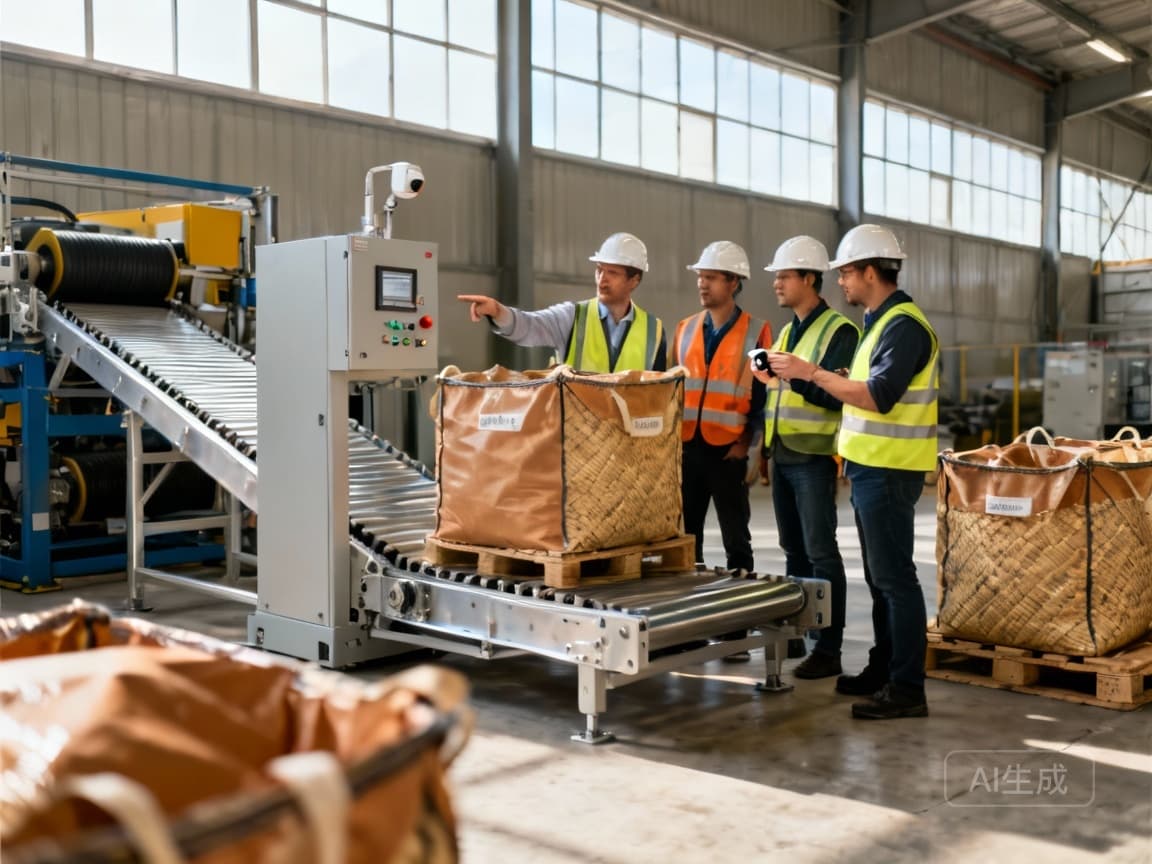
Resist the urge to roll out new FIBCs across the entire facility. Instead, design a controlled pilot on one line or in one warehouse. The primary objective is not to "test if the bags work," but to validate new Standard Operating Procedures (SOPs) for filling, handling, discharging, and storage. As seen in the Holland Mechanics case, modular, ergonomic adjustments to a workflow can drive 20% efficiency gains.
Define clear pilot success metrics aligned to your baseline audit:
- Reduction in bag failure rate (%)
- Decrease in average handling time (minutes per cycle)
- Operator feedback scores on ergonomics and ease of use
Key Insight from Data: The Shyft implementation experience underscores the need to "set realistic expectations for stakeholder management" during this phase. Communicate that the pilot is a learning period to refine the process for broader success.
Phase 3: Scale with Intentional Change Management
This phase is the most common point of failure and the greatest lever for success. Scaling is a change management exercise. The impressive 92% adoption rate from Shyft and the 78% user adoption linked to strong change management in the Trendyx-AI cases didn't happen by accident.
Your rollout plan must include:
- Tailored Training: Develop specific modules for forklift drivers, line operators, and warehouse staff. Focus on the "why" behind new procedures to foster buy-in.
- Clear Communication: Use the data and testimonials from your pilot to build a compelling internal case for change. Highlight wins in safety, efficiency, and ease of work.
- Supervisor Engagement: Equip floor leaders to coach, answer questions, and reinforce the new standards daily.
Phase 4: Optimize with Data-Driven Governance
Implementation is not a one-time event but the start of a continuous improvement cycle. Establish a simple performance dashboard tracking the KPIs defined in your pilot. Schedule quarterly reviews with key operational staff and your FIBC supplier to analyze trends.
This is where the strategic partnership evolves. For instance, data might show a specific wear pattern, leading to a collaborative engineering adjustment in bag design. This proactive optimization aligns with the future outlook where FIBCs are managed as assets, and automation grows. As demand for fully automatic filling lines increases, your data governance will inform the precise specifications needed for seamless integration, covering areas like dimensional tolerance and dust suppression.
Conclusion: From Cost Center to Strategic Advantage
The journey from viewing FIBCs as a simple packaging item to managing them as a driver of operational excellence requires a disciplined framework. By borrowing the proven "assess, pilot, scale, optimize" methodology from high-stakes technology implementations, you mitigate risk, secure frontline adoption, and accelerate financial returns. The result is not just a lower cost per bag, but a more resilient, efficient, and data-aware operation that turns a logistics necessity into a tangible competitive edge.
Related News
Other news you might be interested in
دليل شراء أكياس FIBC السائبة: كيفية اختيار كيس FIBC السائب المناسب لمادتك
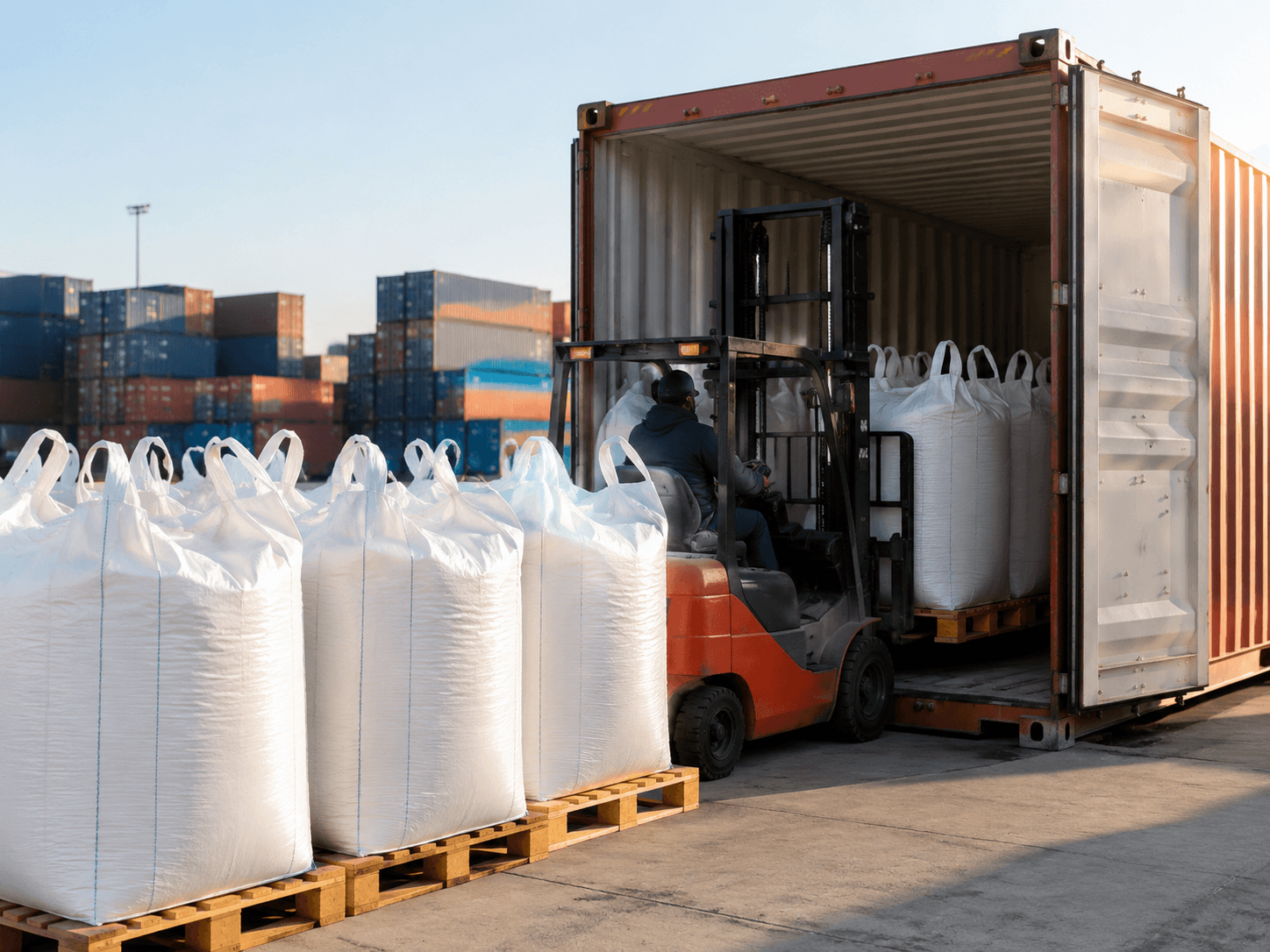
اختيار أكياس FIBC السائبة المناسبة ليس مجرد مسألة حجم وسعر. يجب أن يتوافق الكيس مع خصائص المادة الخاصة بك، ومعدات التعبئة والتفريغ، وظروف التخزين، وطريقة المناولة، ومتطلبات الامتثال للنقل. يمكن أن يؤدي الاختيار السيئ إلى تسرب، تلف بسبب الرطوبة، انبعاثات غبار، تكديس غير مستقر، معالجة غير فعالة، مخاطر كهرباء ساكنة، أو عدم الامتثال في نقل المواد الخطرة.

تقليل نفايات التغليف والتكاليف من خلال الحجم المناسب للحاوية الوسيطة المرنة (FIBC)
أصبحت تحديات إدارة نفايات التغليف أكثر تعقيدًا بالنسبة للصناعات التي تعتمد على نقل المواد السائبة. يمثل اختيار الحجم الصحيح للحاوية الوسيطة المرنة (FIBC) واحدة من أكثر الفرص تأثيرًا والتي غالبًا ما يتم تجاهلها لتقليل النفايات وتوفير التكاليف عبر سلسلة التوريد الخاصة بك. مع تزايد الضغوط البيئية وضيق الميزانيات التشغيلية، فإن تحسين حجم الحاوية الوسيطة المرنة يحقق فوائد بيئية ومالية لا يمكن للشركات التقدمية تجاهلها.
Want to know more?
Get in touch with us for more information about our services and products.