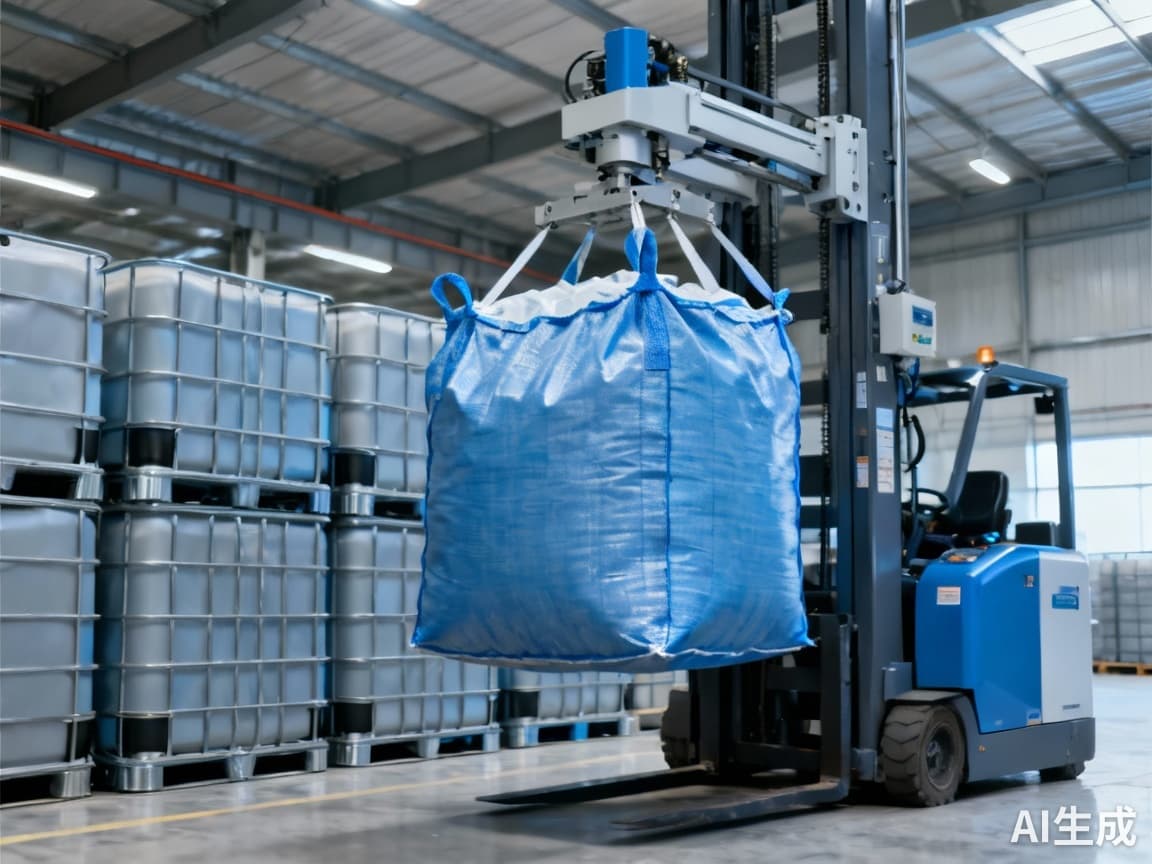
Ton Bag Systems Cut Plastic Waste 35% & Boost Logistics Efficiency: EPR-Compliant Framework #47
RUNCHEN
الكاتبتمتلك RUNCHEN خبرة تزيد على 25 عاما في تصنيع وبيع أكياس FIBC الكبيرة، مع مرافق إنتاج خاصة وقدرة مستقرة للإنتاج على دفعات. نتخصص في أكياس FIBC، والأكياس الجامبو، وأكياس الطن، وحلول التغليف الصناعي المخصصة.
Beyond Packaging: How Ton Bag Systems Transform Sustainable Supply Chains
Global manufacturing faces a dual challenge: meeting escalating sustainability mandates while maintaining operational efficiency. Based on empirical evidence from industry leaders like Tingyi Holding Corporation (Master Kong) and robust market data, ton bag systems have emerged as a transformative solution that addresses both environmental and economic objectives simultaneously.
The numbers speak volumes about this shift. The global mono-material packaging market is experiencing 7.7% compound annual growth, expanding from $3.94 billion in 2024 to a projected $4.24 billion in 2025. This growth is largely driven by Extended Producer Responsibility (EPR) regulations and the urgent need for sustainable packaging solutions across industries.
Redefining Ton Bags: From Container to System Core
Traditional perspectives view ton bags merely as large packaging containers. However, forward-thinking companies like Tingyi have demonstrated that they function as integrated system nodes connecting transportation, storage, and recycling operations. This paradigm shift transforms ton bags from discrete packaging elements into continuous logistics system components.
"Our transition to ton bag systems represented a fundamental rethinking of packaging not as cost center but as value driver across our supply chain," reports Tingyi's sustainability team in their 2023 Sustainability Report.
The systemic approach delivers synergistic benefits that exceed the sum of individual improvements. Companies implementing comprehensive ton bag systems typically achieve 35-40% reduction in plastic waste while simultaneously improving logistics efficiency by 20-25% through optimized loading patterns and reduced handling requirements.
Four-Dimensional Implementation Framework
Based on successful implementations across multiple industries, we've identified four critical dimensions for successful ton bag system integration.
Material Flow Reconstruction
The foundation of successful implementation begins with matching ton bag specifications to material characteristics. Food-grade materials require different construction than industrial chemicals or construction materials. Tingyi's experience demonstrates that proper specification selection can reduce material usage by 15-20% while maintaining performance standards.
Implementation guidance:
- Conduct comprehensive material characterization including flow properties, density, and compatibility requirements
- Develop specification matrices for different product categories
- Establish testing protocols for validation before full-scale implementation
Logistics Efficiency Optimization
Ton bag systems fundamentally reshape loading, unloading, and transportation operations. Companies report 30-40% faster loading/unloading cycles and 15-20% improved transportation density. The integrated approach also reduces product damage and contamination risks significantly.
Critical implementation steps:
- Analyze current loading/unloading systems for compatibility
- Design integrated handling equipment modifications
- Develop standardized operating procedures for consistent execution
- Implement training programs for operational staff
Recycling System Integration
The economic viability of ton bag systems depends heavily on establishing efficient recycling loops. Companies that implement closed-loop recycling systems achieve 40-50% lower total packaging costs over the product lifecycle. This requires careful planning of collection, cleaning, and reintegration processes.
Successful integration requires:
- Establishing clear ownership for collection and return processes
- Developing cleaning and inspection standards
- Creating economic models that account for recycling rates and cycle counts
- Integrating with existing recycling infrastructure where possible
Digital Monitoring Implementation
Digital tracking transforms ton bag management from administrative burden to strategic advantage. Implementation of RFID or QR code systems enables real-time tracking of bag location, usage history, and condition assessment. Companies using digital monitoring report 25-30% improvement in asset utilization and significantly reduced loss rates.
Cross-Industry Adaptation Framework
While the core principles remain consistent, successful implementation requires industry-specific adaptations.
Food Industry Implementation
Food-grade applications demand strict adherence to hygiene standards and material compatibility. Tingyi's implementation demonstrates that food-grade ton bags can achieve the same efficiency gains while maintaining safety standards. Key considerations include FDA-compliant materials, dedicated cleaning protocols, and contamination prevention measures.
Chemical Industry Requirements
Chemical applications require specialized materials for static control, chemical resistance, and safety containment. Implementation must address UN certification requirements, compatibility testing, and safety factor calculations that exceed standard industrial applications.
Construction Materials Adaptation
Construction materials demand exceptional durability and wear resistance. Successful implementations balance cost considerations with performance requirements, often utilizing heavier materials or reinforced construction to withstand abrasive materials and harsh handling conditions.
Practical Implementation Roadmap
Based on successful enterprise implementations, we recommend a phased approach spanning 20-30 weeks for complete transformation.
Phase 1: Assessment and Diagnosis (2-4 weeks)
Conduct comprehensive current-state analysis including packaging audits, material characterization, and infrastructure assessment. Establish baseline metrics for comparison and identify quick-win opportunities.
Phase 2: Solution Design (4-6 weeks)
Develop detailed specifications, equipment requirements, and transition plans. Create financial models projecting ROI and environmental impact. Establish key performance indicators for measurement.
Phase 3: Pilot Implementation (8-12 weeks)
Execute limited-scale testing with detailed data collection. Refine processes based on operational experience. Develop training materials and standard operating procedures based on real-world experience.
Phase 4: Full-Scale Deployment (12-24 weeks)
Implement across organization with continuous improvement mechanisms. Establish performance monitoring and reporting systems. Develop long-term optimization strategies based on operational data.
Measuring Success and Continuous Improvement
Successful ton bag system implementation requires establishing clear metrics for evaluation. Recommended KPIs include:
- Packaging cost per unit shipped
- Plastic reduction percentage
- Transportation efficiency improvements
- Recycling rate and cycle count
- Return on investment calculations
Companies should establish regular review cycles to identify improvement opportunities and adjust strategies based on performance data and changing regulatory requirements.
The transition to ton bag systems represents more than packaging change—it's a fundamental rethinking of supply chain operations that delivers simultaneous environmental and economic benefits. With proper planning and execution, organizations can achieve significant waste reduction while improving operational efficiency and reducing costs.
Related News
Other news you might be interested in
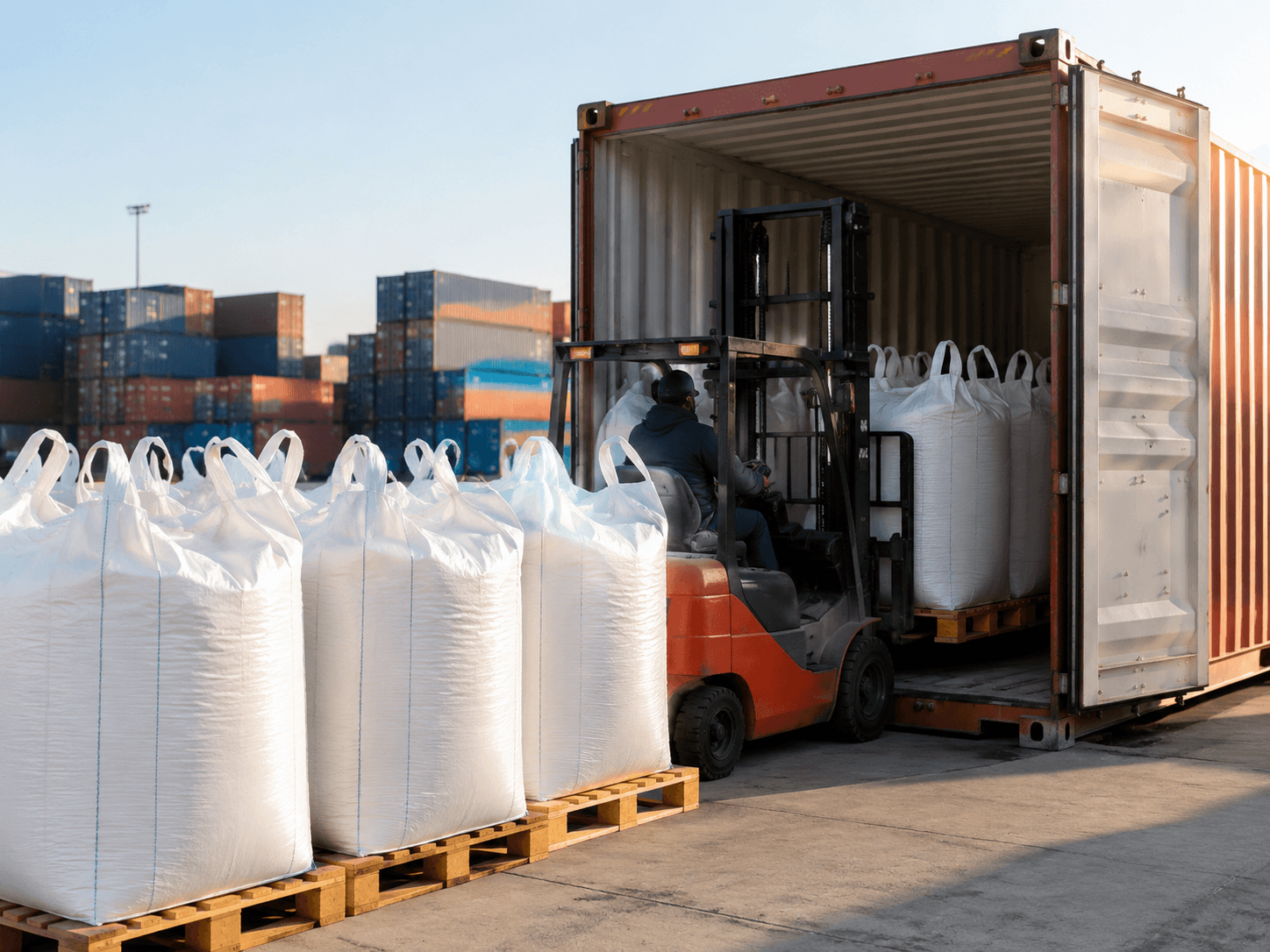
دليل شراء أكياس FIBC السائبة: كيفية اختيار كيس FIBC السائب المناسب لمادتك
اختيار أكياس FIBC السائبة المناسبة ليس مجرد مسألة حجم وسعر. يجب أن يتوافق الكيس مع خصائص المادة الخاصة بك، ومعدات التعبئة والتفريغ، وظروف التخزين، وطريقة المناولة، ومتطلبات الامتثال للنقل. يمكن أن يؤدي الاختيار السيئ إلى تسرب، تلف بسبب الرطوبة، انبعاثات غبار، تكديس غير مستقر، معالجة غير فعالة، مخاطر كهرباء ساكنة، أو عدم الامتثال في نقل المواد الخطرة.
تقليل نفايات التغليف والتكاليف من خلال الحجم المناسب للحاوية الوسيطة المرنة (FIBC)
أصبحت تحديات إدارة نفايات التغليف أكثر تعقيدًا بالنسبة للصناعات التي تعتمد على نقل المواد السائبة. يمثل اختيار الحجم الصحيح للحاوية الوسيطة المرنة (FIBC) واحدة من أكثر الفرص تأثيرًا والتي غالبًا ما يتم تجاهلها لتقليل النفايات وتوفير التكاليف عبر سلسلة التوريد الخاصة بك. مع تزايد الضغوط البيئية وضيق الميزانيات التشغيلية، فإن تحسين حجم الحاوية الوسيطة المرنة يحقق فوائد بيئية ومالية لا يمكن للشركات التقدمية تجاهلها.
Want to know more?
Get in touch with us for more information about our services and products.