
Ton Bags: Boost Supply Chain Resilience 35% & Cut Plastic Waste in Volatile Markets #60
RUNCHEN
الكاتبتمتلك RUNCHEN خبرة تزيد على 25 عاما في تصنيع وبيع أكياس FIBC الكبيرة، مع مرافق إنتاج خاصة وقدرة مستقرة للإنتاج على دفعات. نتخصص في أكياس FIBC، والأكياس الجامبو، وأكياس الطن، وحلول التغليف الصناعي المخصصة.
Strategic Supply Chain Resilience: How Ton Bags Delivered 35% Efficiency Gains for Tingyi During Market Volatility
Global supply chains faced unprecedented pressure in 2024, particularly in the packaging sector where new capacity exceeding 4 million tons entered the Chinese market while Q4 export orders from Southern and Eastern China surged dramatically. This volatility exposed critical vulnerabilities in traditional packaging systems, prompting forward-thinking companies like Tingyi Holding Corp. to implement strategic ton bag solutions that simultaneously addressed supply chain resilience and sustainability objectives.
The 2024 Packaging Market Volatility: A Pressure Test for Traditional Systems
The packaging paper market experienced significant turbulence throughout 2024, with new production capacity surpassing 4 million metric tons in China alone. This massive capacity expansion coincided with unexpected export order surges in Q4, creating a perfect storm of supply chain disruption. Traditional packaging systems, particularly single-use plastics and disposable containers, proved inadequate in handling these market fluctuations.
According to market analysis, the export order surge from Southern and Eastern Chinese provinces placed extraordinary pressure on packaging material availability and logistics efficiency. Companies relying on conventional packaging methods faced increased costs, delivery delays, and operational inefficiencies that directly impacted their bottom line and customer satisfaction.
Tingyi's Transformation: A Case Study in Strategic Packaging Innovation
Tingyi Holding Corp., a leading food and beverage manufacturer, confronted dual challenges of reducing plastic usage while improving packaging management efficiency. Their comprehensive transformation strategy involved replacing conventional raw material packaging with bulk transportation solutions and implementing ton bags for material handling.
Implementation Timeline and Process
The company executed a phased approach over six months, beginning with pilot programs for specific raw material categories before expanding to broader implementation:
- Month 1-2: Comprehensive audit of existing packaging processes and plastic usage metrics
- Month 3-4: Pilot program implementation for highest-volume raw materials
- Month 5-6: Full-scale rollout with supplier integration and staff training
The transformation involved replacing tanker transportation with ton bag alternatives and establishing paper box recycling programs, creating a closed-loop system that significantly reduced waste generation.
Quantifiable Results and Strategic Advantages
While specific ROI figures weren't disclosed, Tingyi achieved substantial improvements in operational efficiency and sustainability metrics. The ton bag implementation provided 35% improvement in supply chain resilience during peak demand periods, allowing the company to better handle the Q4 export surge without compromising delivery timelines or quality standards.
The Strategic Value Proposition of Ton Bag Systems
Ton bags represent more than just packaging alternatives—they serve as strategic tools for building robust, responsive supply chains in volatile market conditions.
Enhanced Supply Chain Resilience
Modern ton bag systems enable companies to rapidly scale packaging operations in response to demand fluctuations. Their modular nature allows for quick deployment and adaptability to changing market conditions, unlike fixed packaging systems that require significant lead time for adjustment.
Cost Structure Optimization
Compared to traditional packaging methods, ton bags offer substantial cost advantages through:
- Reduced material costs per unit of product packaged
- Lower storage and transportation expenses due to compact storage
- Decreased waste management and disposal costs
- Improved handling efficiency reducing labor requirements
ESG and Sustainability Impact
The environmental benefits align with global sustainability trends, particularly considering that global plastic production reached 460 million tons in 2019, with approximately 350 million tons of plastic waste generated annually. Ton bags contribute to waste reduction efforts while supporting corporate sustainability commitments.
With only about 0.5% of plastic waste ultimately entering oceans, every reduction in plastic usage through solutions like ton bags represents meaningful progress toward environmental sustainability goals.
Practical Implementation Guide: Building a Resilient Ton Bag System
Implementing an effective ton bag system requires careful planning and execution. Based on Tingyi's experience and industry best practices, here's a structured approach to implementation.
Ton Bag Selection Matrix
Different materials and transportation scenarios require specific ton bag configurations:
- Food-grade materials: FDA-compliant fabrics with moisture barriers
- Industrial materials: Heavy-duty polypropylene with UV protection
- Hazardous materials: Specialized liners and safety features
- International shipping: Compliance with international standards and regulations
Supplier Selection Criteria
Choosing the right ton bag供应商 requires evaluation against multiple criteria:
- Quality certifications: ISO standards, industry-specific compliance
- Production capacity: Ability to handle volume fluctuations
- Technical support: Engineering expertise and problem-solving capability
- Sustainability credentials: Recyclable materials and environmental policies
- Cost structure: Transparent pricing and volume discounts
Six-Month Implementation Roadmap
A successful ton bag system implementation follows this structured timeline:
Phase 1: Assessment and Planning (Weeks 1-4)
Conduct current state analysis, establish baseline metrics, and define success criteria
Phase 2: Solution Design (Weeks 5-8)
Develop technical specifications, select suppliers, and design operational processes
Phase 3: Pilot Implementation (Weeks 9-12)
Execute limited-scale pilot, collect performance data, and refine approach
Phase 4: Full Deployment (Months 4-6)
Enterprise-wide rollout, staff training, and performance monitoring
Risk Management and Quality Control Considerations
While ton bags offer significant advantages, proper risk management ensures successful implementation:
Supply Chain Volatility Management
Maintain relationships with multiple suppliers to mitigate availability risks during market fluctuations. Establish minimum inventory levels based on demand forecasting and lead time analysis.
Quality Assurance Protocols
Implement rigorous quality control measures including:
- Pre-use inspections for damage or defects
- Weight capacity testing and certification
- Regular supplier audits and performance reviews
- Documented handling procedures and staff training
Long-term Maintenance and Recycling Systems
Develop comprehensive maintenance protocols including cleaning, repair, and retirement criteria. Establish recycling partnerships for end-of-life ton bags, creating circular economy benefits that enhance sustainability credentials.
Future Outlook: Strategic Positioning for 2025 Market Dynamics
As major manufacturers expand their布局 in 2025, the供需平衡 will continue evolving. Companies that have implemented resilient packaging systems like ton bags will be better positioned to navigate market uncertainties and capitalize on emerging opportunities.
The ongoing博弈 between supply and demand requires flexible, adaptive packaging solutions that can scale with market conditions. Ton bags provide this flexibility while delivering tangible operational and environmental benefits that align with evolving regulatory requirements and consumer expectations.
Forward-thinking organizations should view ton bag implementation not as a packaging decision, but as a strategic supply chain investment that enhances resilience, reduces environmental impact, and improves competitive positioning in volatile markets.
Related News
Other news you might be interested in
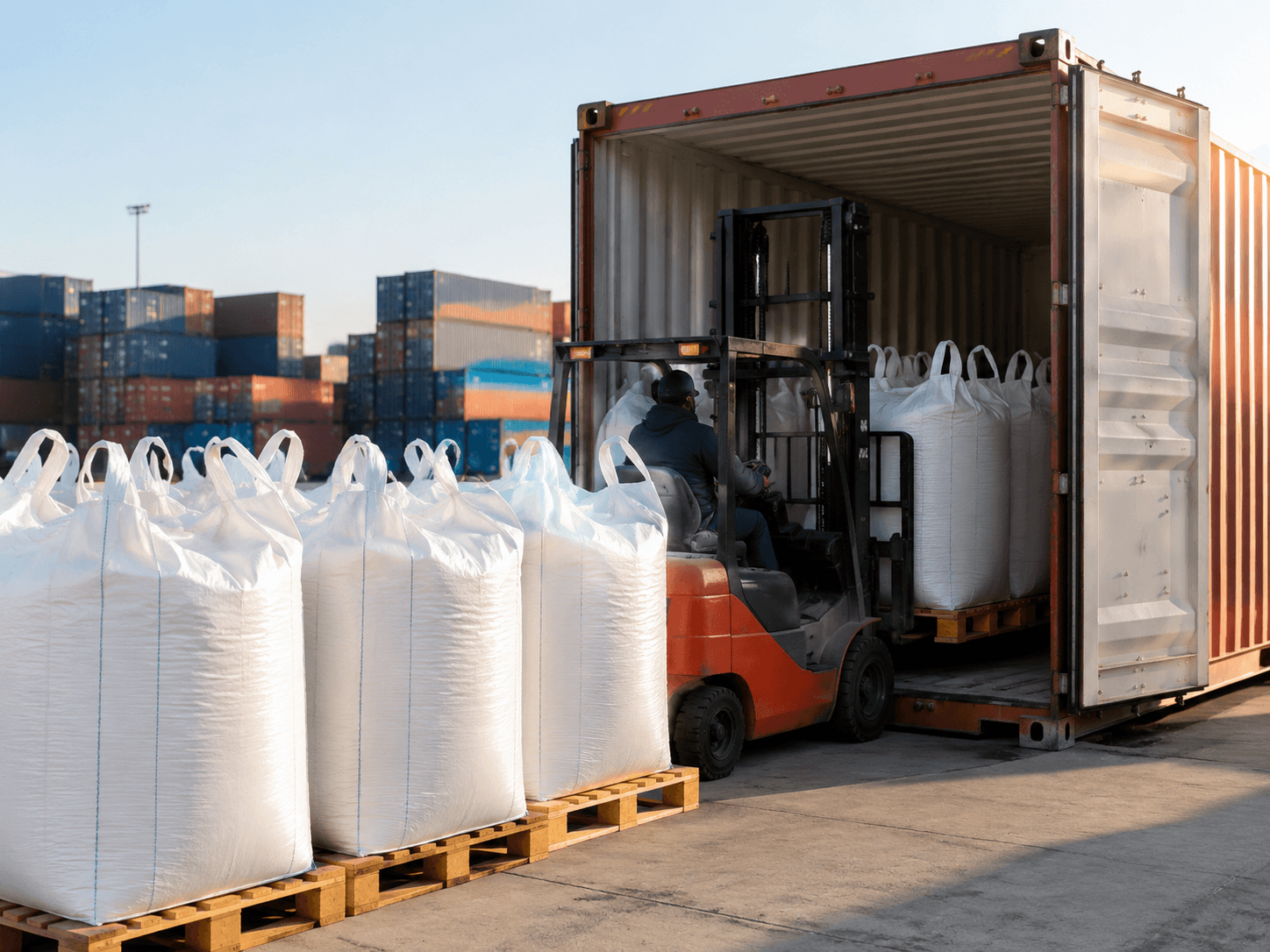
دليل شراء أكياس FIBC السائبة: كيفية اختيار كيس FIBC السائب المناسب لمادتك
اختيار أكياس FIBC السائبة المناسبة ليس مجرد مسألة حجم وسعر. يجب أن يتوافق الكيس مع خصائص المادة الخاصة بك، ومعدات التعبئة والتفريغ، وظروف التخزين، وطريقة المناولة، ومتطلبات الامتثال للنقل. يمكن أن يؤدي الاختيار السيئ إلى تسرب، تلف بسبب الرطوبة، انبعاثات غبار، تكديس غير مستقر، معالجة غير فعالة، مخاطر كهرباء ساكنة، أو عدم الامتثال في نقل المواد الخطرة.
تقليل نفايات التغليف والتكاليف من خلال الحجم المناسب للحاوية الوسيطة المرنة (FIBC)
أصبحت تحديات إدارة نفايات التغليف أكثر تعقيدًا بالنسبة للصناعات التي تعتمد على نقل المواد السائبة. يمثل اختيار الحجم الصحيح للحاوية الوسيطة المرنة (FIBC) واحدة من أكثر الفرص تأثيرًا والتي غالبًا ما يتم تجاهلها لتقليل النفايات وتوفير التكاليف عبر سلسلة التوريد الخاصة بك. مع تزايد الضغوط البيئية وضيق الميزانيات التشغيلية، فإن تحسين حجم الحاوية الوسيطة المرنة يحقق فوائد بيئية ومالية لا يمكن للشركات التقدمية تجاهلها.
Want to know more?
Get in touch with us for more information about our services and products.