
Bulk Bags Cut Costs 20% & Reshape China's $1 Trillion Packaging Supply Chain #45

RUNCHEN
著者RUNCHENはFIBCフレコンバッグの製造・販売で25年以上の経験を持ち、自社生産設備と安定した量産能力を備えています。FIBCバッグ、ジャンボバッグ、トンバッグ、カスタム産業用包装ソリューションを専門としています。
The Strategic Pivot: From Packaging Material to Supply Chain Enabler
While environmental benefits often dominate discussions around bulk bags, their true transformative power lies in supply chain optimization. China's packaging industry, valued at over ¥1 trillion, faces mounting pressure to improve efficiency while meeting sustainability targets. The conventional focus on plastic reduction misses the broader strategic value that bulk bags deliver as integrated supply chain solutions.
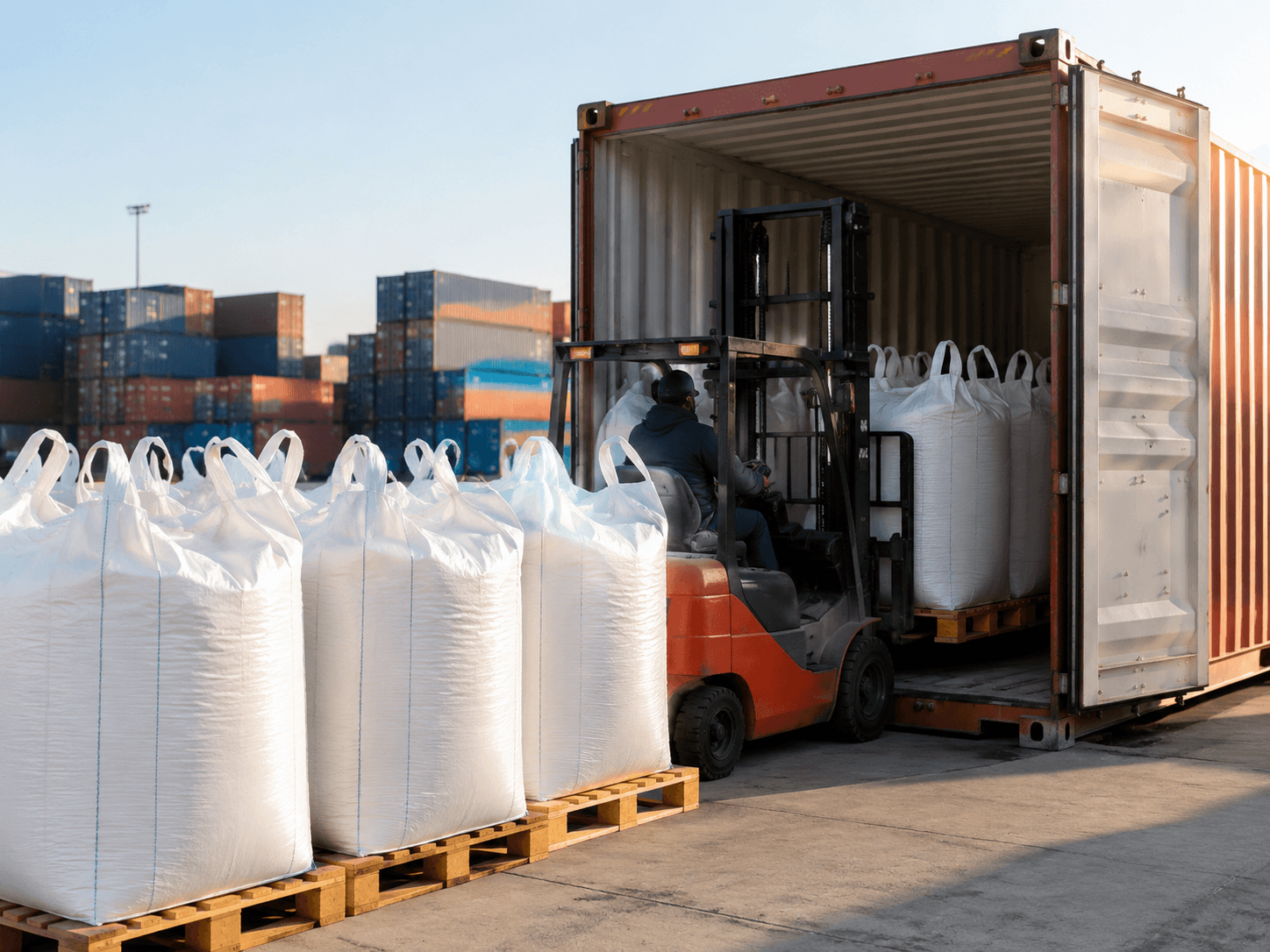
Master Kong Holdings' implementation demonstrates this shift in perspective. By transitioning from conventional packaging to bulk bag systems for raw material transport, the company achieved significant supply chain improvements beyond mere plastic reduction. Their 2023 Sustainability Report documents how bulk bags enabled more efficient loading, reduced handling requirements, and improved transportation safety – factors that directly impact operational costs and reliability.
Quantifying Supply Chain Efficiency Gains
The global shift toward bulk packaging solutions reflects deeper supply chain optimization needs. With the single-material packaging market projected to reach $4.24 billion by 2025 growing at a 7.7% CAGR, businesses are recognizing that packaging decisions affect multiple supply chain touchpoints. In China, where packaging paper market growth maintains a 5-6% CAGR, the integration of bulk bags represents a strategic response to rising operational challenges.
Transportation efficiency shows particularly dramatic improvements. Bulk bags typically reduce packaging volume by 30-40% compared to rigid alternatives, enabling more efficient container utilization and fewer trips. Warehouse space requirements decrease proportionally, while handling time reductions of 20-30% are commonly reported by early adopters.
"Our transition to bulk bag systems wasn't just about sustainability – it was about building a more resilient and cost-effective supply chain. The environmental benefits were a welcome bonus to the operational improvements." – Master Kong Holdings Sustainability Report 2023
Implementing Bulk Bag Systems: Technical Standards and Operational Guidelines
Successful bulk bag implementation requires careful consideration of product characteristics, handling requirements, and operational constraints. The selection between inner-loop bags, top-lift designs, and other configurations depends on specific application requirements.
Application Selection Matrix
Inner Loop Bags: Ideal for free-flowing powders and granules where stability during lifting is critical. Best for applications requiring frequent handling and where space constraints exist.
Top Lift Bags: Suitable for heavier materials (up to 2,000 kg) where overhead lifting equipment is available. Provide excellent stability and are preferred for automated handling systems.
Food-Grade Options: Essential for food, pharmaceutical, and sensitive chemical applications. Must meet FDA or equivalent standards with proper certification documentation.
Implementation Timeline Framework
- Assessment Phase (2-4 weeks): Analyze current packaging processes, identify pain points, and quantify baseline metrics
- Solution Design (3-6 weeks): Select appropriate bag types, design handling procedures, and plan infrastructure modifications
- Pilot Implementation (4-8 weeks): Test selected solutions with limited product lines, gather performance data, and refine approaches
- Full Deployment (8-12 weeks): Scale successful solutions across operations with comprehensive training and monitoring
Calculating the True ROI: Beyond Plastic Reduction Metrics
While environmental metrics are important, comprehensive ROI calculations must include multiple operational factors. Companies achieving 20%+ cost reductions typically capture value across several dimensions simultaneously.
Multi-Dimensional ROI Calculation Framework
Transportation Cost Savings: Calculate based on reduced packaging volume, improved container utilization, and fewer trips required. Typical savings range from 15-25% of transportation costs.
Warehouse Efficiency Gains: Factor in reduced storage space requirements (typically 30-40% less space needed) and improved inventory turnover rates.
Handling Efficiency Improvements: Include labor cost reductions from faster loading/unloading times and reduced manual handling requirements.
Loss Prevention Benefits: Account for reduced product damage and contamination – particularly valuable for high-value materials where loss rates can decrease by 50% or more.
Based on industry implementations, companies should expect payback periods of 6-18 months depending on scale and existing infrastructure. The most successful implementations often achieve full ROI within the first year through combined operational improvements.
2025 and Beyond: Integrating Bulk Bags into Circular Supply Chains
The future of bulk bags lies in their integration with broader circular economy initiatives. With global plastic waste reaching approximately 350 million tons annually and improper management affecting nearly 25% of plastic waste, sustainable packaging solutions must address end-of-life considerations alongside operational efficiency.
Emerging Trends and Innovations
Smart Bulk Bags: Integration of RFID and IoT sensors for real-time tracking, condition monitoring, and automated inventory management. These technologies enable complete supply chain visibility and predictive maintenance scheduling.
Advanced Material Science: Development of enhanced durability materials that maintain performance while increasing recyclability. New polymer blends and bio-based materials are extending bag lifespan while improving environmental profiles.
Circular Economy Integration: Implementation of take-back programs and recycling infrastructure specifically designed for bulk bags. Leading companies are developing closed-loop systems where bags are returned, refurbished, and reused multiple times before recycling.
The progression toward green packaging capturing 80% market share by 2025 reflects broader industry transformation. Bulk bags, particularly when designed for multiple lifecycles and integrated with digital tracking systems, represent a critical component of this evolution toward truly sustainable supply chains.
Strategic Implementation Roadmap
- Phase 1 (2024): Conduct comprehensive supply chain assessment and pilot smart bulk bag implementations
- Phase 2 (2025): Scale successful solutions, integrate with circular economy initiatives, and develop partner ecosystems
- Phase 3 (2026+): Achieve full circular integration with digital tracking, automated handling, and closed-loop material flows
Companies that begin this transition now will be positioned to capture both economic and environmental benefits as regulatory pressures increase and consumer preferences continue shifting toward sustainable practices. The integration of bulk bags into broader supply chain strategies represents not just a packaging change, but a fundamental rethinking of how materials move through modern industrial systems.
Related News
Other news you might be interested in
FIBCバルクバッグ購入ガイド:素材に適したFIBCバルクバッグの選び方
適切なFIBCバルクバッグを選ぶことは、単にサイズと価格の問題ではありません。バッグは、素材の特性、充填・排出装置、保管条件、取り扱い方法、および輸送コンプライアンス要件に適合している必要があります。 選択を誤ると、漏れ、湿気による損傷、粉塵の排出、不安定な積み重ね、非効率的な取り扱い、静電気による危険、または危険物輸送における不適合につながる可能性があります。
適切なFIBCサイズで包装廃棄物とコストを削減
バルク材料の輸送に依存する産業にとって、包装廃棄物管理の課題はますます複雑化しています。適切なフレキシブル中間バルクコンテナ(FIBC)のサイズを選択することは、サプライチェーン全体における廃棄物削減とコスト削減のための最も影響力がありながら、しばしば見落とされがちな機会の一つです。環境への圧力が高まり、運営予算が逼迫する中、FIBCサイズの最適化は、先進的な企業が無視できない生態学的および財務的利点の両方をもたらします。
Want to know more?
Get in touch with us for more information about our services and products.