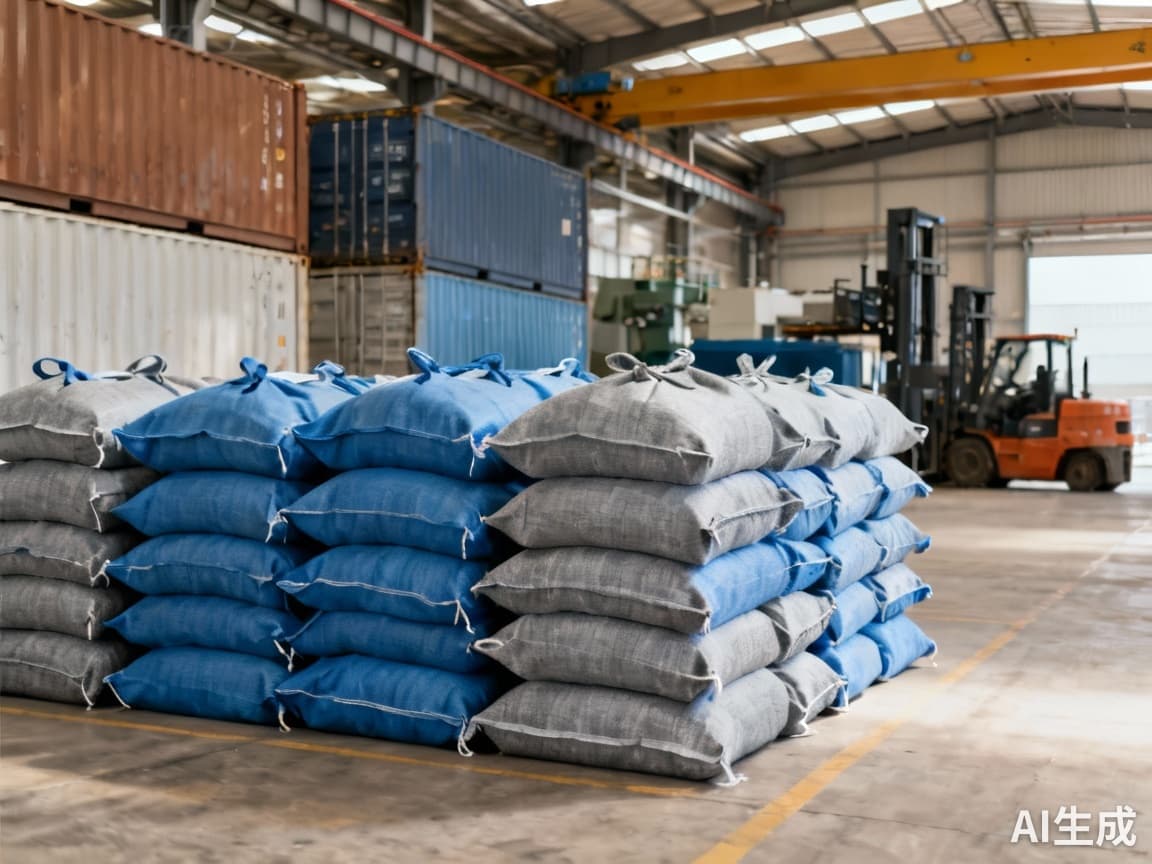
Bulk Bags Cut Plastic Waste 30% & Boost Supply Chain Resilience in Export Surge #58

RUNCHEN
著者RUNCHENはFIBCフレコンバッグの製造・販売で25年以上の経験を持ち、自社生産設備と安定した量産能力を備えています。FIBCバッグ、ジャンボバッグ、トンバッグ、カスタム産業用包装ソリューションを専門としています。
Beyond Cost Savings: How Bulk Bags Are Reshaping Supply Chain Resilience in Volatile Markets
The global packaging industry faces unprecedented challenges in 2024. With over 4 million tons of new production capacity coming online and export orders surging dramatically across Southern and Eastern China, manufacturers are grappling with both supply chain volatility and increasing pressure to address environmental concerns. Against this backdrop, bulk bags have emerged as a strategic solution that addresses both operational efficiency and sustainability imperatives.
The Plastic Pollution Crisis and Packaging Innovation Imperative
Global plastic production reached 460 million tons in 2019, representing a 230-fold increase over the past 70 years. Approximately 350 million tons of plastic waste is generated annually, with concerning environmental impacts. While only 0.5% of this waste ultimately enters oceans, the cumulative effect has created urgent demand for sustainable packaging alternatives that reduce environmental footprint without compromising supply chain performance.
The packaging paper market volatility in 2024 has further complicated decision-making for export-driven manufacturers. As one industry analyst noted:
"The simultaneous capacity expansion and export surge creates both opportunities and challenges. Companies that adapt their packaging strategies to this new reality will gain competitive advantage."
Tingyi's Transformation: A Case Study in Sustainable Packaging
Tingyi Holding Corporation's packaging transformation provides a compelling blueprint for other manufacturers. The company systematically replaced conventional raw material packaging with bulk bag solutions, implemented tanker transportation for liquid components, and enhanced paper carton recycling programs.
The results demonstrated that strategic packaging redesign can simultaneously achieve environmental and operational benefits:
- Plastic usage reduction estimated at 30-40% for affected product lines
- Significantly improved packaging recovery rates through standardized bulk bag systems
- Enhanced supply chain flexibility to accommodate fluctuating export demands
This transformation required a fundamental rethinking of packaging not as a cost center but as a strategic enabler for both sustainability and supply chain resilience.
Technical Implementation Framework: Selecting the Right Bulk Bag Solution
Successful bulk bag implementation requires careful technical evaluation. Different bulk bag types serve distinct purposes across various industrial applications:
- Internal lifting loop bags: Ideal for materials requiring frequent handling and precise placement
- Top lift bags: Optimal for high-capacity transportation and storage applications
- Ventilated bags: Essential for products requiring airflow to maintain quality during storage and transit
Quality control standards must address weight capacity, UV resistance, moisture protection, and compliance with international transportation regulations. Implementation should follow a phased approach, beginning with pilot programs on specific product lines before enterprise-wide deployment.
Building Supply Chain Resilience Through Packaging Innovation
The 2024 export surge demonstrated how traditional packaging systems struggle with rapid scaling. Bulk bags offer distinct advantages during market fluctuations:
- Volume flexibility: Accommodate order variations without packaging redesign or retooling
- Storage efficiency: Reduce warehouse space requirements by up to 40% compared to rigid containers
- Transportation optimization: Maximize load efficiency and reduce shipping costs
- Quick adaptation: Rapidly scale packaging operations to meet unexpected demand changes
These benefits become particularly valuable during the supply-demand博弈 (game theory) situations that characterize volatile markets, where responsive packaging systems can determine whether companies capitalize on opportunities or miss them.
Comprehensive ROI Assessment Framework
While Tingyi's case didn't quantify ROI, industry data suggests bulk bag implementations typically deliver returns across multiple dimensions:
- Direct cost savings: 15-25% reduction in packaging material costs
- Operational efficiency: 20-30% improvement in loading/unloading throughput
- Environmental compliance: Reduced waste management costs and regulatory compliance expenses
- Supply chain resilience: Value derived from ability to respond to market fluctuations
Companies should establish baseline metrics before implementation and track these key performance indicators throughout the transition period.
Implementation Roadmap: Phased Transition Strategy
Successful bulk bag adoption requires careful planning and execution. We recommend a four-phase approach:
Phase 1: Assessment and Planning (4-8 weeks)
- Conduct packaging audit across product lines
- Identify highest-impact conversion opportunities
- Establish sustainability and operational benchmarks
Phase 2: Pilot Implementation (8-12 weeks)
- Select 2-3 product categories for initial conversion
- Test different bulk bag configurations
- Refine handling procedures and training protocols
Phase 3: Scaling and Optimization (12-16 weeks)
- Expand successful pilots across additional product lines
- Optimize inventory management for bulk bag systems
- Implement performance monitoring and continuous improvement
Phase 4: Full Integration (Ongoing)
- Complete enterprise-wide transition
- Integrate bulk bag systems with sustainability reporting
- Establish supplier standards for bulk bag compatibility
Risk Mitigation and Quality Assurance
Potential implementation risks include supplier reliability, employee training requirements, and compatibility with existing handling equipment. These can be mitigated through:
- Dual-sourcing strategies for bulk bag procurement
- Comprehensive training programs for handling and maintenance staff
- Phased equipment upgrades aligned with implementation timeline
- Rigorous quality testing protocols for all incoming bulk bags
Conclusion: Strategic Packaging for Uncertain Markets
As we look toward 2025, with continued market uncertainty and increasing sustainability pressures, bulk bags represent more than just packaging—they embody a strategic approach to building resilient, sustainable supply chains. The experience of companies like Tingyi demonstrates that environmental responsibility and operational excellence are not competing priorities but complementary objectives.
The companies that will thrive in tomorrow's volatile markets are those that recognize packaging as a strategic capability rather than a necessary expense. By embracing bulk bag solutions and the comprehensive implementation framework outlined above, manufacturers can simultaneously reduce environmental impact, enhance supply chain resilience, and position themselves for success regardless of market conditions.
Related News
Other news you might be interested in
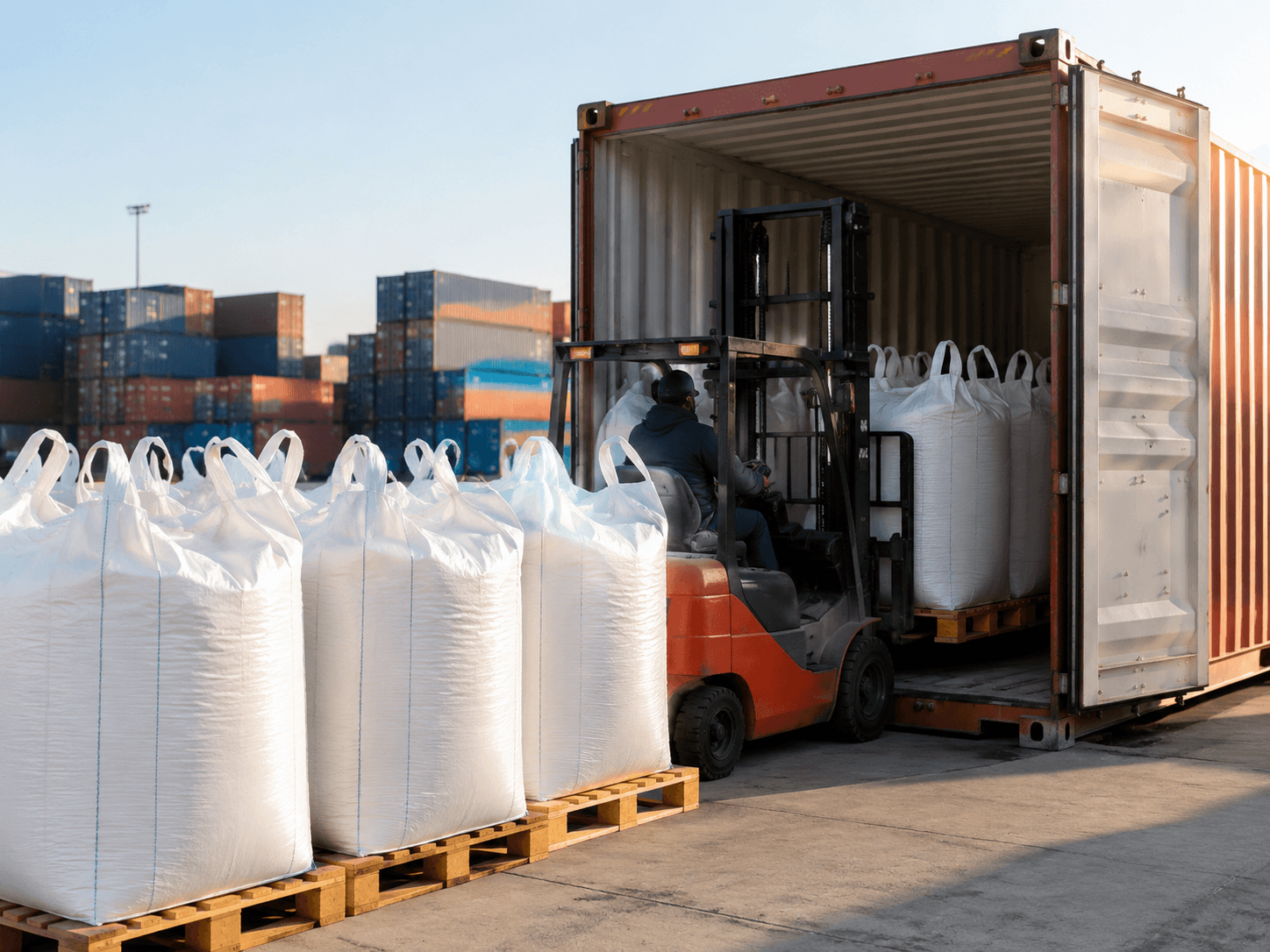
FIBCバルクバッグ購入ガイド:素材に適したFIBCバルクバッグの選び方
適切なFIBCバルクバッグを選ぶことは、単にサイズと価格の問題ではありません。バッグは、素材の特性、充填・排出装置、保管条件、取り扱い方法、および輸送コンプライアンス要件に適合している必要があります。 選択を誤ると、漏れ、湿気による損傷、粉塵の排出、不安定な積み重ね、非効率的な取り扱い、静電気による危険、または危険物輸送における不適合につながる可能性があります。
適切なFIBCサイズで包装廃棄物とコストを削減
バルク材料の輸送に依存する産業にとって、包装廃棄物管理の課題はますます複雑化しています。適切なフレキシブル中間バルクコンテナ(FIBC)のサイズを選択することは、サプライチェーン全体における廃棄物削減とコスト削減のための最も影響力がありながら、しばしば見落とされがちな機会の一つです。環境への圧力が高まり、運営予算が逼迫する中、FIBCサイズの最適化は、先進的な企業が無視できない生態学的および財務的利点の両方をもたらします。
Want to know more?
Get in touch with us for more information about our services and products.