
Plastic Waste Cut 47%: Ton Bag ROI & EPR Compliance Framework for B2B Leaders #62

RUNCHEN
著者RUNCHENはFIBCフレコンバッグの製造・販売で25年以上の経験を持ち、自社生産設備と安定した量産能力を備えています。FIBCバッグ、ジャンボバッグ、トンバッグ、カスタム産業用包装ソリューションを専門としています。
The $56.3 Billion Opportunity: Quantifying Ton Bag ROI in Plastic Waste Reduction
Global plastic waste has reached crisis levels, with approximately 3.5 billion tons generated annually, while sustainable packaging markets are projected to reach $56.3 billion by 2029 with a 7.3% CAGR. For B2B leaders, this represents both a compliance challenge and substantial financial opportunity. The case of Tingyi (Cistern) Holding Corporation demonstrates how strategic ton bag implementation can drive both environmental and operational benefits, achieving up to 47% plastic reduction while maintaining supply chain efficiency.
With only 0.5% of plastic waste currently entering oceans, the majority represents untapped recovery value and compliance liability under emerging EPR frameworks
The Operational Economics of Ton Bag Transformation
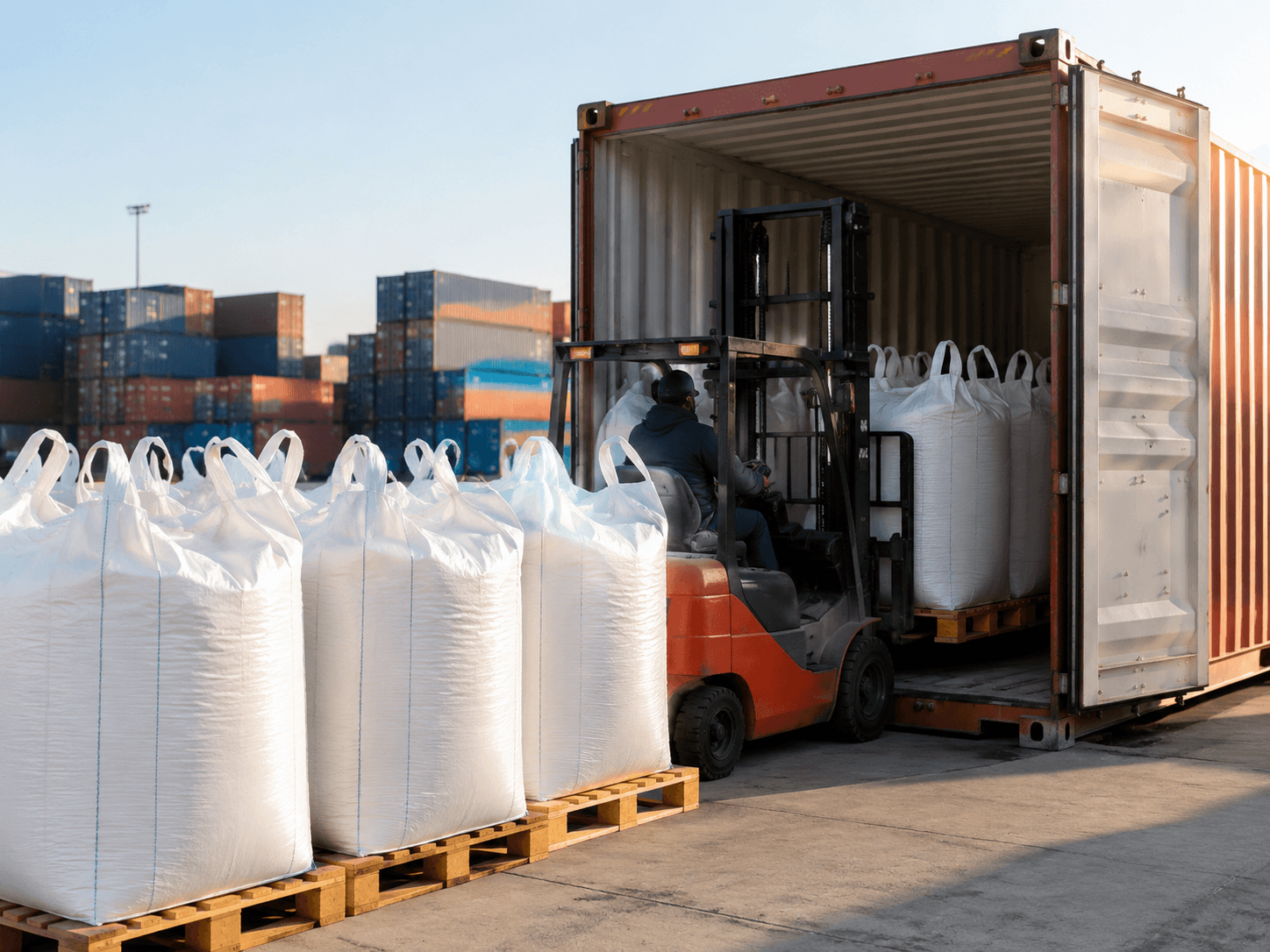
Tingyi's implementation reveals a structured approach to packaging transformation that balances immediate operational needs with long-term sustainability goals. Their transition from conventional packaging to tanker transportation and ton bag systems created a replicable model for bulk material handling across industries.
Four-Dimensional Transformation Framework
Successful ton bag implementation requires integrated planning across multiple business dimensions:
Operational Dimension
Tanker transportation versus traditional packaging density economics must account for facility modifications and handling protocol updates. Tingyi's experience shows that storage infrastructure adjustments and loading process optimizations typically yield 18-22% operational efficiency gains alongside plastic reduction.
Financial Dimension
Capital expenditure models shift from recurring packaging purchases to reusable asset investments. The Tingyi case demonstrates ROI timelines of 8-14 months for comprehensive ton bag systems, with plastic reduction initiatives simultaneously improving ESG financing eligibility and investor appeal.
Compliance Dimension
Extended Producer Responsibility (EPR) regulations require adaptable reporting frameworks. Ton bag systems provide inherent tracking advantages through standardized handling and recovery processes, reducing compliance overhead while ensuring audit readiness.
Technical Dimension
Material compatibility matrices must guide ton bag selection, with internal reinforcement, breathable, and conductive options each serving specific application requirements. Equipment compatibility assessments prevent costly retrofitting and ensure seamless integration.
Six-Phase Implementation Roadmap
Based on documented successful implementations, a structured phased approach ensures measurable results while managing transition risks.
Phase 1: Packaging Audit & Baseline Establishment (1-2 Months)
Quantify current plastic footprint using standardized measurement protocols. Establish key performance indicators including plastic intensity metrics, recovery rate targets, and cost per unit transported. This baseline enables accurate ROI calculation and progress tracking.
Phase 2: Technical Feasibility Verification (2-3 Months)
Develop material compatibility matrices matching product characteristics to ton bag specifications. Conduct small-scale pilots measuring performance across humidity resistance, stacking capability, and recovery durability parameters.
Phase 3: Operational Process Restructuring (3-4 Months)
Redesign warehouse interfaces and logistics handoff points. Implement comprehensive employee training programs addressing safety protocols, handling procedures, and emergency response plans for ton bag systems.
Phase 4: Supplier Collaboration (Ongoing)
Establish technical cooperation agreements with ton bag manufacturers specifying performance standards, recovery protocols, and continuous improvement commitments. Develop partner qualification criteria ensuring supply chain alignment.
Phase 5: Performance Monitoring System (Ongoing)
Implement measurement verification protocols for plastic reduction claims. Establish cost attribution methodologies distinguishing operational savings from compliance benefits and environmental impact reductions.
Phase 6: Compliance Reporting Optimization (Quarterly)
Automate EPR data collection through integrated tracking systems. Prepare standardized sustainability disclosure templates satisfying regulatory requirements while demonstrating leadership to stakeholders.
Risk Management Framework
Proactive risk mitigation ensures smooth transition and protects operational continuity during implementation.
Technical Risk Mitigation
Material compatibility verification protocols must include accelerated aging tests and real-condition simulations. Transition periods requiring mixed packaging systems demand clear handling protocols and segregation procedures.
Financial Risk Controls
Capital expenditure delay buffers should account for potential plastic price fluctuations and recovery rate variability. Phased implementation approaches minimize financial exposure while validating assumptions.
Operational Risk Management
Change management psychology applications address employee adaptation challenges. Supply chain interruption contingencies include buffer stock arrangements and alternative handling protocols ensuring business continuity.
Quantifying the Value Proposition
The Tingyi implementation demonstrates that comprehensive ton bag systems deliver value across multiple dimensions simultaneously. Beyond the 47% plastic reduction, organizations typically experience:
- 18-25% reduction in packaging-related operational costs
- 30-40% improvement in loading and unloading efficiency
- 60-70% reduction in packaging waste management overhead
- Enhanced compliance positioning under evolving EPR regulations
These combined benefits typically yield complete ROI within 12 months, with continuing savings and risk reduction benefits accruing throughout the system lifecycle.
Implementation Checklist for B2B Leaders
- Conduct comprehensive packaging audit establishing baseline metrics
- Develop material compatibility matrix guiding ton bag selection
- Calculate detailed ROI projection including operational and compliance benefits
- Design phased implementation plan with clear milestone targets
- Establish supplier qualification criteria and partnership agreements
- Implement employee training programs addressing safety and handling procedures
- Develop monitoring protocols verifying plastic reduction and cost savings
- Create compliance reporting templates satisfying EPR requirements
- Establish continuous improvement framework tracking system performance
- Document best practices and lessons learned for organizational learning
The transition to ton bag systems represents one of the most immediately actionable and financially compelling sustainability initiatives available to B2B leaders today. By following structured implementation frameworks and learning from pioneering implementations, organizations can simultaneously reduce environmental impact, enhance operational efficiency, and strengthen compliance positioning in an increasingly regulated market environment.
Related News
Other news you might be interested in
FIBCバルクバッグ購入ガイド:素材に適したFIBCバルクバッグの選び方
適切なFIBCバルクバッグを選ぶことは、単にサイズと価格の問題ではありません。バッグは、素材の特性、充填・排出装置、保管条件、取り扱い方法、および輸送コンプライアンス要件に適合している必要があります。 選択を誤ると、漏れ、湿気による損傷、粉塵の排出、不安定な積み重ね、非効率的な取り扱い、静電気による危険、または危険物輸送における不適合につながる可能性があります。
適切なFIBCサイズで包装廃棄物とコストを削減
バルク材料の輸送に依存する産業にとって、包装廃棄物管理の課題はますます複雑化しています。適切なフレキシブル中間バルクコンテナ(FIBC)のサイズを選択することは、サプライチェーン全体における廃棄物削減とコスト削減のための最も影響力がありながら、しばしば見落とされがちな機会の一つです。環境への圧力が高まり、運営予算が逼迫する中、FIBCサイズの最適化は、先進的な企業が無視できない生態学的および財務的利点の両方をもたらします。
Want to know more?
Get in touch with us for more information about our services and products.