Tonnage Bag ROI: Cut Packaging Costs 30% & Reduce Waste via System Redesign #57
RUNCHEN
著者RUNCHENはFIBCフレコンバッグの製造・販売で25年以上の経験を持ち、自社生産設備と安定した量産能力を備えています。FIBCバッグ、ジャンボバッグ、トンバッグ、カスタム産業用包装ソリューションを専門としています。
2024 Packaging Market Volatility: The Strategic Value of Tonnage Bags
The packaging industry is facing unprecedented challenges in 2024. With over 4 million tons of new production capacity coming online in China and export orders surging dramatically in Q4, market volatility has become the new normal. The global plastic production reached 460 million tons in 2019, representing a 23,000% increase over the past 70 years, while approximately 350 million tons of plastic waste are generated annually. This market context makes strategic packaging decisions more critical than ever for B2B operations.
Master Kong Case Study: Systemic Packaging Redesign in Action
The Master Kong implementation demonstrates how comprehensive packaging system redesign delivers substantial benefits beyond simple cost reduction. Their approach included four key components:
Transportation Optimization
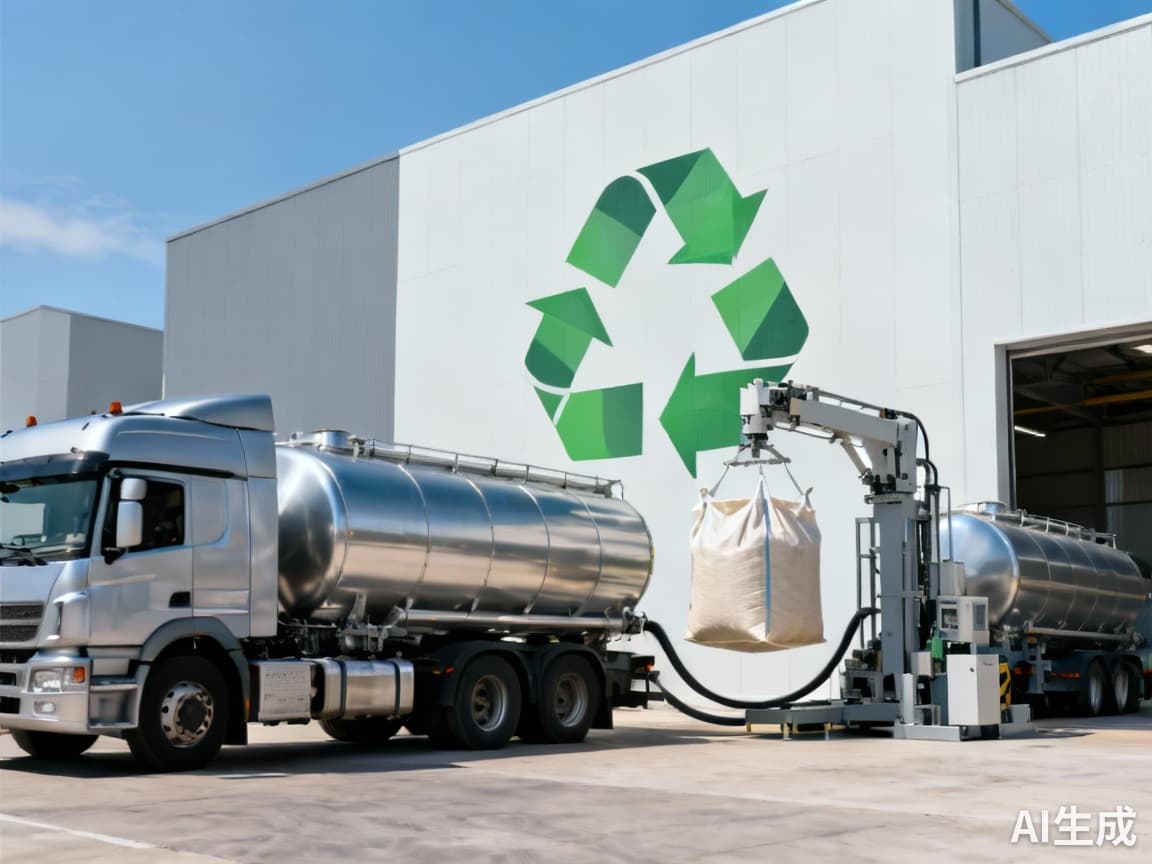
Switching from traditional packaging to tanker truck transportation for bulk materials reduced both packaging costs and environmental impact simultaneously.
Carton Recycling Program
Implementing a systematic carton recovery system turned waste into value while reducing raw material requirements.
Tonnage Bag Adoption
Replacing conventional packaging with reusable tonnage bags created a closed-loop system that significantly reduced plastic usage.
Vinegar Barrel Recovery
Establishing a dedicated recovery process for vinegar containers completed their circular economy approach.
"Tonnage bags as reusable packaging show remarkable effectiveness in plastic reduction, though successful implementation requires full supply chain collaboration" - Master Kong Implementation Experience
Beyond Purchase Price: Total Cost of Ownership Analysis
Traditional packaging decisions often focus solely on unit purchase price, ignoring significant hidden costs. A comprehensive TCO analysis must include:
- Transportation costs: Reduced shipping volume and weight
- Storage requirements: Space optimization and handling efficiency
- Recycling revenue: Value recovery from reusable materials
- Disposal expenses: Waste management and environmental compliance costs
- Administrative overhead: Simplified inventory and procurement processes
Four-Phase Packaging System Redesign Methodology
Phase 1: Diagnostic Assessment
Conduct a thorough analysis of current packaging flows, material usage patterns, and waste generation points across your supply chain. Map all touchpoints from supplier receipt to customer delivery.
Phase 2: Solution Design
Develop integrated packaging solutions that consider supplier capabilities, transportation requirements, and customer needs. Focus on creating systems rather than isolated improvements.
Phase 3: Pilot Implementation
Select a controlled environment for testing your redesigned packaging system. Measure performance against key metrics including cost reduction, waste minimization, and operational efficiency.
Phase 4: Scalable Deployment
Roll out successful pilot results across your organization with appropriate training, process documentation, and performance monitoring systems.
Navigating 2025 Market Uncertainty: Strategic Packaging Considerations
With market analysts predicting continued volatility in 2025, packaging strategies must balance several competing factors:
- Supply chain resilience: Develop packaging solutions that can adapt to material availability fluctuations
- Cost predictability: Implement systems that reduce exposure to commodity price swings
- Regulatory compliance: Stay ahead of evolving environmental regulations and sustainability requirements
- Customer expectations: Meet increasing demand for environmentally responsible packaging
Implementation Roadmap: Achieving 30% Cost Reduction
Based on successful implementations like Master Kong, here's your actionable roadmap:
Week 1-4: Conduct current state analysis including packaging spend, waste disposal costs, and storage requirements. Establish baseline metrics.
Week 5-8: Identify priority areas for improvement. Tonnage bag implementation typically shows the quickest ROI when replacing disposable packaging for bulk materials.
Week 9-12: Develop supplier partnerships for reusable packaging systems. Negotiate terms that share benefits across the supply chain.
Week 13-16: Implement pilot program with key metrics tracking. Focus on one product line or facility to demonstrate proof of concept.
Week 17-20: Scale successful solutions across organization. Implement training programs and update standard operating procedures.
Ongoing: Continuously monitor performance, optimize systems, and expand successful approaches to additional packaging applications.
Risk Management and Contingency Planning
While the benefits are substantial, successful packaging redesign requires careful risk management:
- Supplier reliability: Ensure multiple sources for reusable packaging materials
- Cleaning and maintenance: Establish rigorous protocols for reusable container sanitation
- Tracking systems: Implement robust asset management for reusable packaging
- Customer education: Develop clear communication about new packaging systems
The packaging landscape is evolving rapidly, with sustainability concerns and economic pressures driving innovation. Companies that adopt strategic, systematic approaches to packaging redesign—focusing on reusable solutions like tonnage bags—are achieving significant cost reductions while improving their environmental performance. The time to act is now, before market volatility and regulatory changes force reactive rather than strategic decisions.
Related News
Other news you might be interested in
FIBCバルクバッグ購入ガイド:素材に適したFIBCバルクバッグの選び方
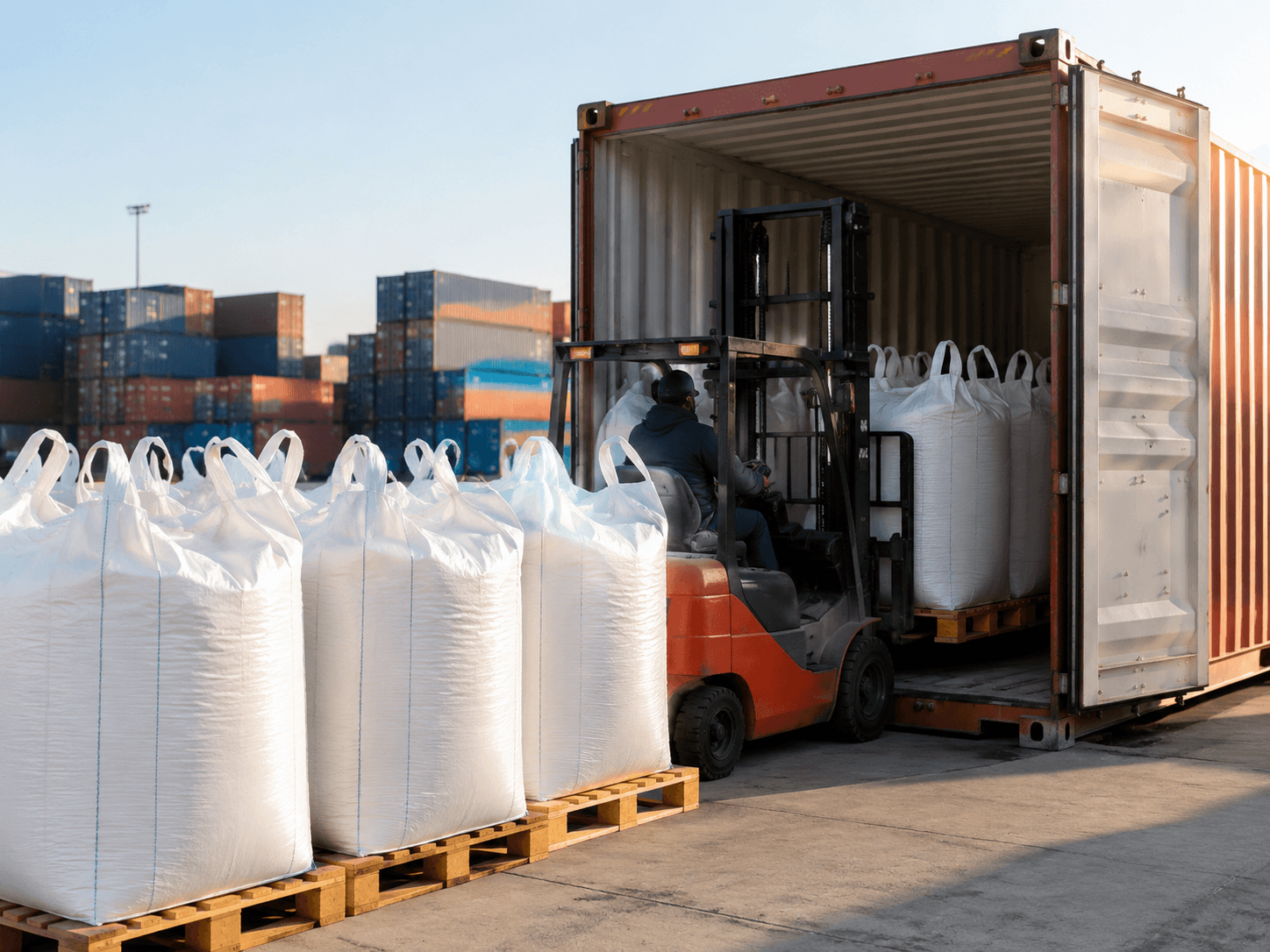
適切なFIBCバルクバッグを選ぶことは、単にサイズと価格の問題ではありません。バッグは、素材の特性、充填・排出装置、保管条件、取り扱い方法、および輸送コンプライアンス要件に適合している必要があります。 選択を誤ると、漏れ、湿気による損傷、粉塵の排出、不安定な積み重ね、非効率的な取り扱い、静電気による危険、または危険物輸送における不適合につながる可能性があります。
適切なFIBCサイズで包装廃棄物とコストを削減
バルク材料の輸送に依存する産業にとって、包装廃棄物管理の課題はますます複雑化しています。適切なフレキシブル中間バルクコンテナ(FIBC)のサイズを選択することは、サプライチェーン全体における廃棄物削減とコスト削減のための最も影響力がありながら、しばしば見落とされがちな機会の一つです。環境への圧力が高まり、運営予算が逼迫する中、FIBCサイズの最適化は、先進的な企業が無視できない生態学的および財務的利点の両方をもたらします。
Want to know more?
Get in touch with us for more information about our services and products.