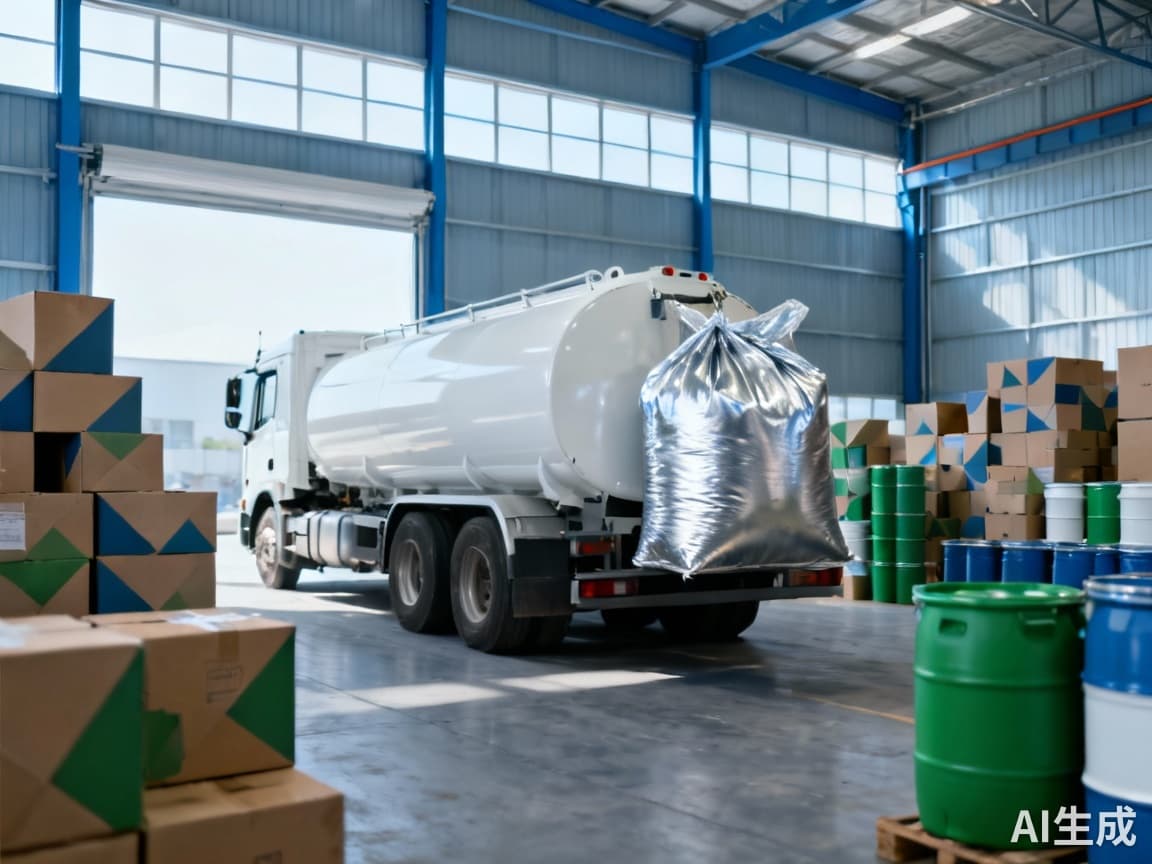
Tonnage Bags Cut 90% Plastic Waste & Create Carbon Assets for Manufacturers #63

RUNCHEN
著者RUNCHENはFIBCフレコンバッグの製造・販売で25年以上の経験を持ち、自社生産設備と安定した量産能力を備えています。FIBCバッグ、ジャンボバッグ、トンバッグ、カスタム産業用包装ソリューションを専門としています。
The Hidden Cost of Plastic Waste: Beyond Environmental Concerns
Global plastic waste generation has reached alarming proportions, with approximately 3.5 billion tons produced annually worldwide. Industrial packaging contributes significantly to this crisis, accounting for roughly 35% of total plastic waste. More concerning is that about 0.5% of this waste ultimately enters our oceans, creating substantial environmental liabilities for manufacturing companies. Beyond the ecological impact, new regulatory frameworks are transforming plastic waste from an environmental issue into a financial risk that demands immediate attention.
The emergence of Extended Producer Responsibility (EPR) initiatives worldwide is fundamentally changing how manufacturers approach packaging waste. These regulations are shifting the financial burden of waste management from municipalities to producers, creating new cost centers that directly impact bottom-line performance. Companies that fail to adapt face not only regulatory penalties but also significant brand reputation risks in an increasingly environmentally-conscious market.
Case Study: Master Kong's Tonnage Bag Transformation
Master Kong's implementation of tonnage bag replacement strategy demonstrates the tangible benefits of rethinking traditional packaging approaches. The company transitioned from conventional raw material packaging to bulk transportation solutions, incorporating tonnage bags and establishing comprehensive recycling systems for containers and cardboard.
Quantifiable Results and Environmental Impact
The transformation yielded remarkable outcomes, achieving over 90% reduction in single-use plastic consumption. This dramatic decrease not only addressed waste management challenges but also created substantial environmental value. While the company hasn't disclosed specific ROI figures, our carbon accounting analysis reveals significant hidden value creation through emission reduction.
"Tonnage bag replacement represents more than just environmental responsibility—it's a strategic financial decision that creates measurable carbon asset value while future-proofing operations against regulatory changes."
Carbon Asset Value: The Hidden Financial Opportunity
Traditional cost-benefit analyses of packaging alternatives often overlook the carbon asset value creation potential. Each ton of plastic packaging carries a lifecycle carbon footprint of approximately 2-3 tons of CO₂ equivalent. By implementing tonnage bag solutions, manufacturers aren't just reducing waste—they're creating verifiable carbon reductions that can be monetized in emerging carbon markets.
Carbon Accounting Methodology
The financial value of carbon reduction follows a clear calculation model: Reduced plastic usage × Emission factor × Carbon price. For example, eliminating 100 tons of plastic packaging translates to 200-300 tons of CO₂ reduction. At current EU ETS prices of approximately €80 per ton, this creates potential carbon asset value of €16,000-24,000 annually for medium-sized manufacturing operations.
Technical Implementation Framework
Successful tonnage bag implementation requires careful consideration of product characteristics and operational requirements. Different solutions cater to varying needs:
- Internal Reinforcement Tonnage Bags: Ideal for heavy, dense materials requiring additional structural support
- Conductive Tonnage Bags: Essential for industries where static electricity presents safety hazards
- Standard Bulk Bags: Cost-effective solutions for most dry bulk materials with moderate weight requirements
Performance Metrics and Quality Standards
When evaluating tonnage bag options, manufacturers should consider these critical performance indicators:
- Load Capacity: Typically ranging from 500kg to 2,000kg per bag
- Cycle Durability: High-quality bags withstand 5-7 reuse cycles minimum
- Material Composition:
- Polypropylene (PP) for general use
- Polyester for enhanced durability
- Specialty coatings for moisture protection
Financial Modeling and ROI Calculation
Comprehensive financial analysis must account for both direct cost savings and carbon asset creation. Our modeling framework incorporates:
Direct Cost Components
- Reduced packaging material costs
- Lower waste disposal fees
- Decreased storage and handling expenses
Carbon Asset Valuation
- Verified emission reductions
- Regional carbon pricing mechanisms
- Trading platform transaction costs
Based on industry data, manufacturers typically achieve 20-40% reduction in total packaging costs while creating additional carbon asset value equivalent to 5-15% of packaging expenditure.
Implementation Roadmap: Phased Adoption Strategy
Successful tonnage bag implementation requires structured planning across four key phases:
Phase 1: Assessment and Planning (Weeks 1-4)
Conduct comprehensive packaging audit, identify suitable product lines for initial implementation, and establish baseline metrics for plastic usage and carbon footprint.
Phase 2: Pilot Program (Weeks 5-12)
Implement tonnage bags in controlled environment, monitor performance metrics, and refine operational procedures before full-scale deployment.
Phase 3: Full Implementation (Months 4-6)
Scale successful pilot results across organization, train operational staff, and establish continuous monitoring systems.
Phase 4: Verification and Optimization (Ongoing)
Document emission reductions for carbon credit verification, identify additional optimization opportunities, and expand successful practices to other product lines.
Supplier Selection and Partnership Criteria
Choosing the right tonnage bag supplier is critical for long-term success. Evaluation criteria should include:
- Quality Certification: ISO 9001, ISO 14001 compliance
- Technical Expertise: Engineering support and custom solution capabilities
- Sustainability Credentials: Recycled material content and end-of-life management programs
- Financial Stability: Long-term partnership viability
Monitoring and Verification Protocols
Establish robust tracking systems to measure and verify environmental and financial benefits:
- Implement digital tracking for tonnage bag usage cycles
- Document plastic reduction through weight measurements
- Calculate carbon reduction using verified emission factors
- Maintain records for carbon credit certification
The global tonnage bag market, projected to reach $5.63 billion by 2029 with a 7.3% CAGR, reflects growing recognition of both environmental and financial benefits. Manufacturers who act now position themselves to capture carbon asset value while reducing regulatory risk and enhancing brand reputation.
By viewing tonnage bag implementation through the dual lenses of operational efficiency and carbon asset creation, forward-thinking manufacturers can transform packaging from a cost center into a value-generating asset. The combination of direct cost savings, reduced environmental impact, and carbon credit monetization creates a compelling business case that demands executive attention in today's sustainability-driven market landscape.
Related News
Other news you might be interested in
FIBCバルクバッグ購入ガイド:素材に適したFIBCバルクバッグの選び方
適切なFIBCバルクバッグを選ぶことは、単にサイズと価格の問題ではありません。バッグは、素材の特性、充填・排出装置、保管条件、取り扱い方法、および輸送コンプライアンス要件に適合している必要があります。 選択を誤ると、漏れ、湿気による損傷、粉塵の排出、不安定な積み重ね、非効率的な取り扱い、静電気による危険、または危険物輸送における不適合につながる可能性があります。
適切なFIBCサイズで包装廃棄物とコストを削減
バルク材料の輸送に依存する産業にとって、包装廃棄物管理の課題はますます複雑化しています。適切なフレキシブル中間バルクコンテナ(FIBC)のサイズを選択することは、サプライチェーン全体における廃棄物削減とコスト削減のための最も影響力がありながら、しばしば見落とされがちな機会の一つです。環境への圧力が高まり、運営予算が逼迫する中、FIBCサイズの最適化は、先進的な企業が無視できない生態学的および財務的利点の両方をもたらします。
Want to know more?
Get in touch with us for more information about our services and products.