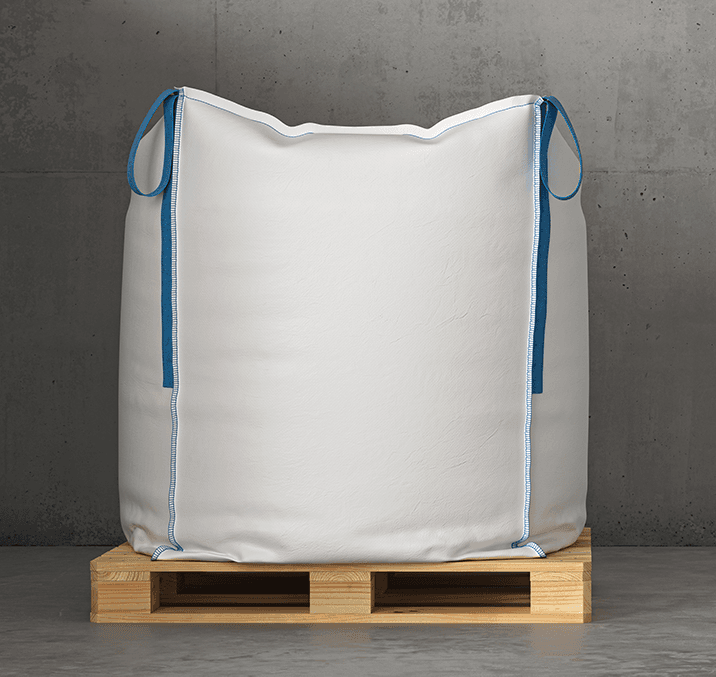
Руководство по покупке FIBC (Мягких контейнеров для сыпучих грузов)
RUNCHEN
АвторRUNCHEN имеет более 25 лет опыта в производстве и продаже биг-бэгов FIBC, располагает собственными производственными мощностями и стабильной серийной производительностью. Мы специализируемся на биг-бэгах FIBC, джамбо-мешках, тонных мешках и индивидуальных решениях для промышленной упаковки.
Что такое МКР?
МКР, или Мягкие Контейнеры Разовые (Flexible Intermediate Bulk Containers), представляют собой тип больших гибких контейнеров, обычно используемых для транспортировки и хранения сыпучих и больших объемов сухих и сыпучих материалов, таких как зерно, порошки и гранулы. МКР известны под многими разными названиями, такими как биг-бэги, джамбо-бэги и сумки-тоуты.
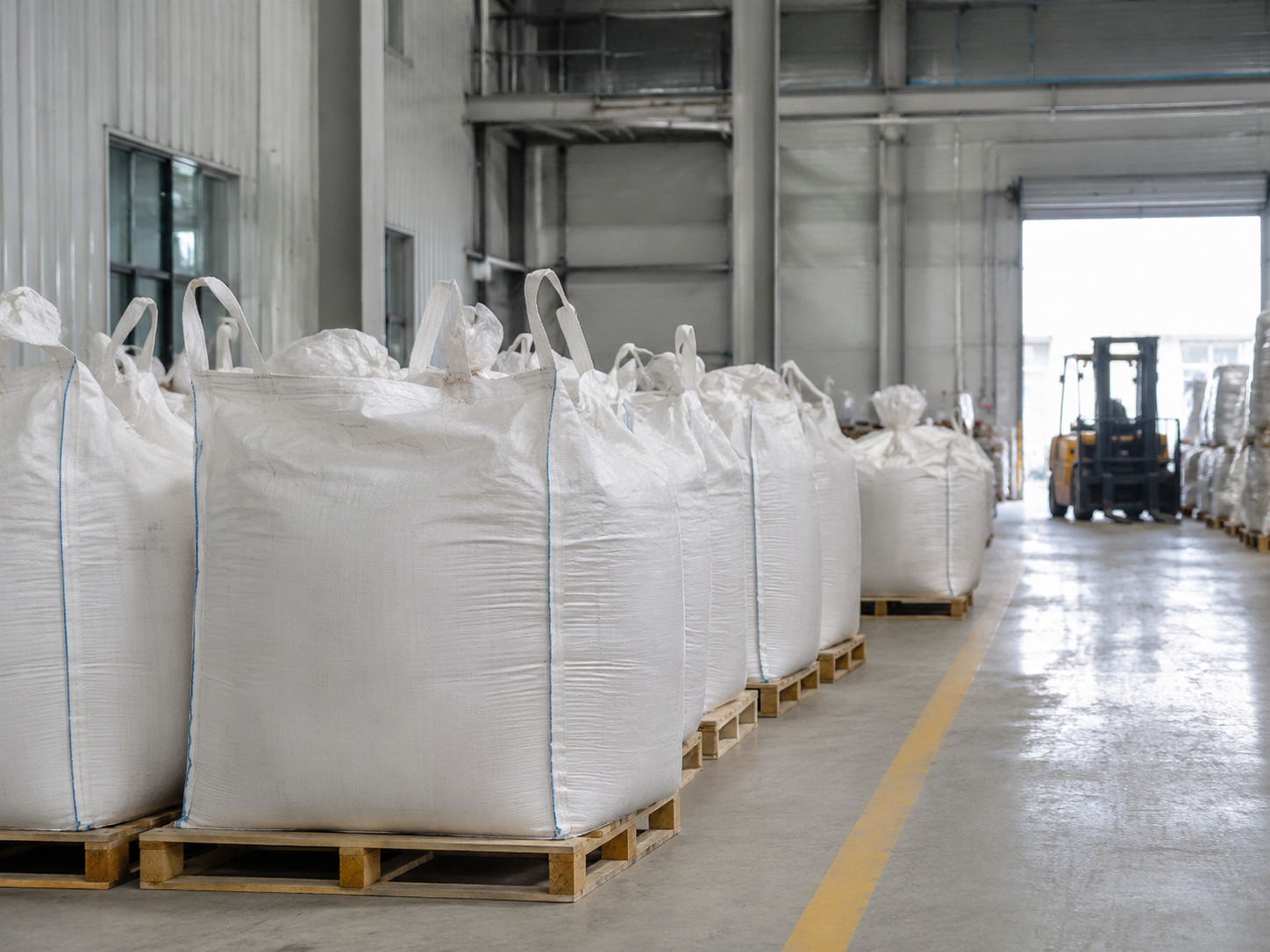
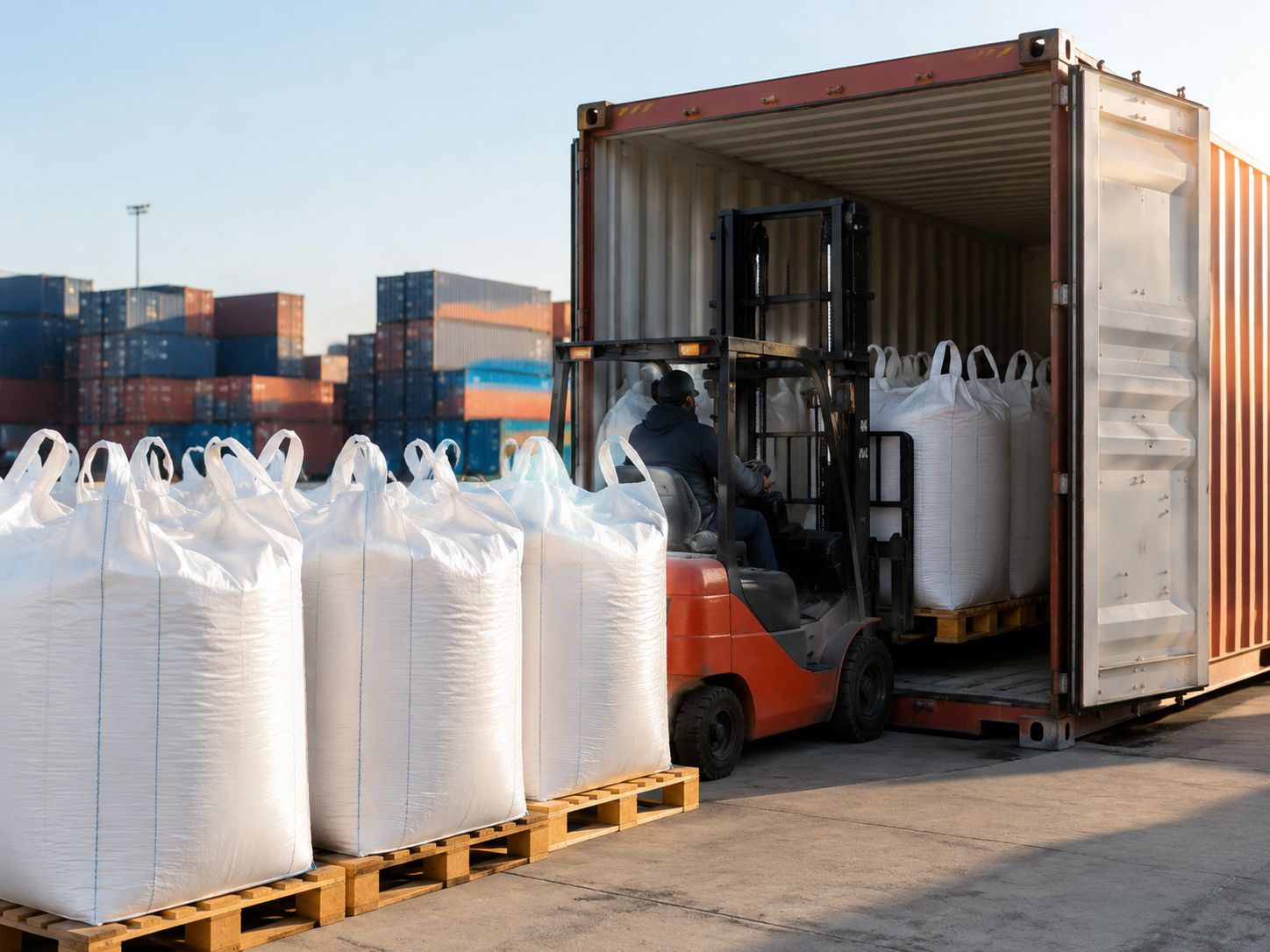
МКР изготавливаются из тканого полипропилена, который является очень прочным и долговечным материалом. Они могут выдерживать до нескольких тысяч фунтов материала и широко используются в таких отраслях, как сельское хозяйство, строительство и химическое производство. Их часто транспортируют с помощью вилочных погрузчиков или кранов и загружают в грузовики или контейнеры для перевозки.
МКР выпускаются в различных размерах, формах и конструкциях для разных применений. Они могут иметь различные особенности, такие как загрузочные горловины или разгрузочные рукава для удобства обращения с материалом. Некоторые МКР также могут иметь вкладыши для защиты материала от загрязнения или влаги.
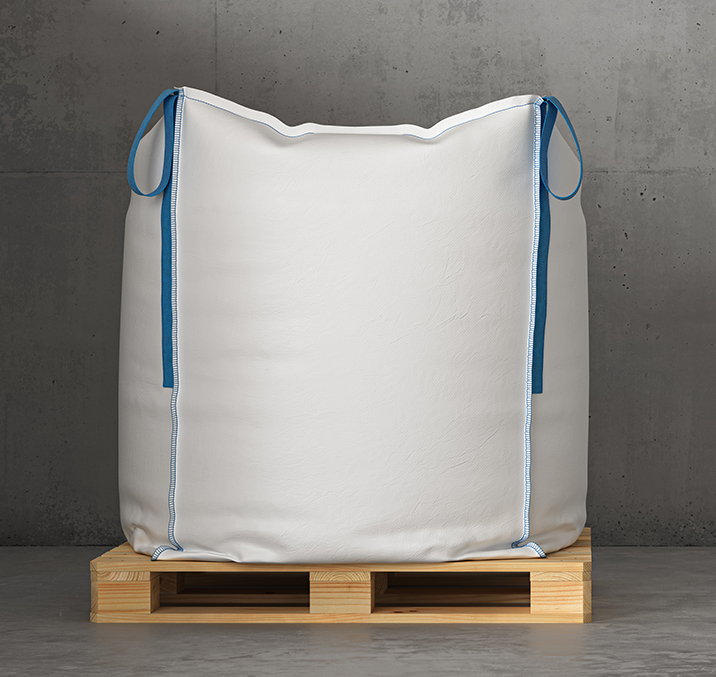
Типы конструкций МКР
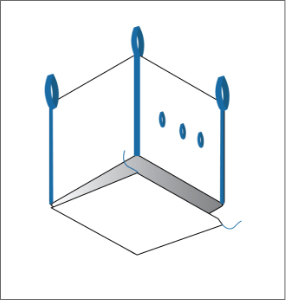
U-образная панель
МКР с U-образной панелью изготавливается из 3 основных панелей корпуса. Это включает панель, которая проходит по всей длине мешка и образует дно и 2 стороны контейнера. Два других куска тканого полипропилена затем пришиваются к большей панели. МКР типа U-образная панель является популярным выбором благодаря своей высокой прочности и большой безопасной рабочей нагрузке (SWL).
4-панельный
4-панельный мешок изготавливается из четырех сшитых вместе частей, образующих квадратную форму. При наполнении 4-панельные мешки, как и другие типы конструкций, сохраняют квадратную форму. Как правило, 4-панельные мешки лучше держат форму, чем U-образные, а U-образные мешки лучше держат форму, чем круглые.
Самый большой недостаток 4-панельных мешков — большое количество швов, необходимых для скрепления мешка. Это может привести к большему количеству потенциально слабых мест. Однако 4-панельные мешки идеально подходят для хранения из-за того, как они держат форму при наполнении.
Круглый
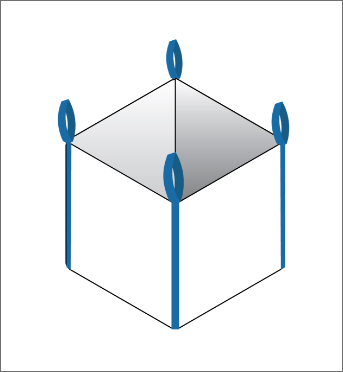
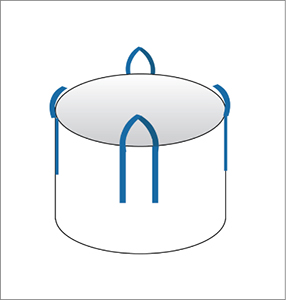
Круглый мешок изготавливается из трубчатого куска ткани, который образует мешок, позволяя сшивать только верх и низ мешка. Хотя ткань, из которой сделан мешок, все еще трубчатая, этот стиль МКР все равно будет несколько похож на традиционный квадратный биг-бэг.
Несмотря на название, эти биг-бэги не являются буквально круглыми; они изготавливаются из одного куска тканого полипропилена, который образует все четыре стороны мешка. Хотя они все еще выглядят как традиционные МКР, при наполнении они хуже всего держат форму среди всех типов конструкций.
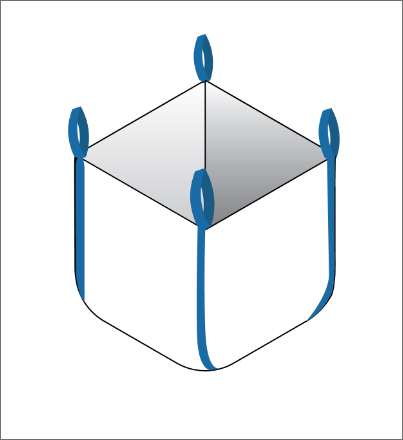
Варианты конструкции верха МКР
Существует 4 основных способа конфигурации верха МКР. Вот краткое описание всех 4:
Открытый верх
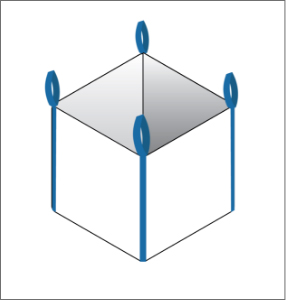
МКР с открытым верхом — это тип биг-бэга, который имеет открытый верх без механизма закрытия. Это означает, что мешок не имеет верхнего клапана или крышки и полностью открыт сверху, что облегчает загрузку и выгрузку содержимого.
Отсутствие верхнего затвора обеспечивает быстрый и легкий доступ к содержимому, упрощая наполнение и опорожнение мешка. Кроме того, конструкция с открытым верхом позволяет эффективно заполнять мешок с помощью автоматического оборудования или ручных методов, таких как лопаты или совки.
Верх с клапаном
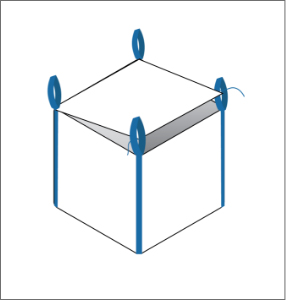
МКР с верхним клапаном — это биг-бэг, который имеет верхний клапан или крышку, которую можно сложить и закрыть для защиты содержимого мешка. Верхний клапан обычно фиксируется с помощью застежек, таких как липучки, завязки или пряжки, чтобы содержимое мешка оставалось в сохранности во время транспортировки и хранения.
МКР с верхним клапаном обычно используются для продуктов, требующих более высокого уровня защиты или изоляции, таких как химикаты, фармацевтические препараты или пищевые продукты. Конструкция с верхним клапаном помогает предотвратить загрязнение или воздействие внешних факторов и может обеспечить дополнительную защиту от проливов или утечек.
В дополнение к верхнему клапану, МКР с верхним клапаном могут также иметь загрузочную горловину или разгрузочный рукав в нижней части мешка, что позволяет контролировать дозирование содержимого. Это может быть особенно полезно для продуктов, с которыми трудно обращаться или которые требуют точной дозировки, таких как порошки или гранулы.
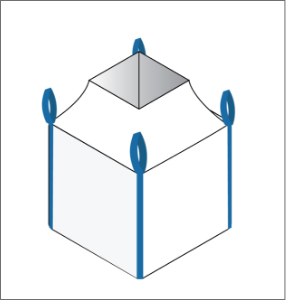
Верх типа «дафл» (Duffle Top)
МКР с верхом типа «дафл» — это тип биг-бэга, который имеет легкую панель в верхней части мешка, имеющую ту же ширину и глубину, что и остальные 4 стороны мешка. Это большое отверстие обеспечивает большую гибкость при загрузке МКР и возможность использования с различными типами оборудования. После наполнения верх типа «дафл» можно закрыть для защиты содержимого мешка и облегчения транспортировки.
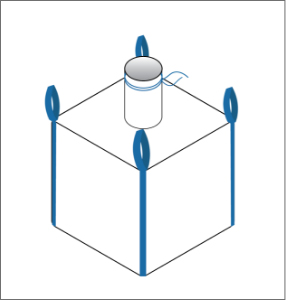
Верх с горловиной
МКР с верхней горловиной — это биг-бэг, который имеет цилиндрическую горловину или отверстие в верхней части мешка. Горловина обычно изготавливается из того же материала, что и мешок, и предназначена для открывания и закрывания с помощью затяжных шнуров или других застежек.
МКР с верхней горловиной обычно используются для продуктов, с которыми трудно обращаться или которые требуют точной дозировки, таких как порошки или гранулы. Конструкция горловины позволяет контролировать дозирование содержимого, что облегчает наполнение и опорожнение мешка без проливания или потери продукта.
В дополнение к горловине, МКР могут также иметь нижнюю разгрузочную горловину или рукав, что позволяет еще более точно дозировать содержимое. Это может быть особенно полезно для продуктов, требующих высокой степени точности или постоянства при дозировании.
Варианты конструкции дна МКР
В дополнение к 4 основным способам конфигурации верха МКР, существует также несколько способов конфигурации дна биг-бэга. Вот краткое описание 3 наиболее распространенных способов конфигурации дна МКР:
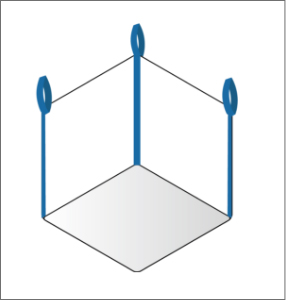
Плоское дно
МКР с плоским дном имеет простое, плоское дно без разгрузочной горловины или рукава. Эта конструкция часто используется для продуктов, которые можно легко высыпать из мешка, таких как заполнители или другие крупные, тяжелые материалы.
Отсутствие разгрузочной горловины или рукава делает мешок более простым и дешевым в производстве, а также более легким и удобным в обращении. Чтобы опорожнить содержимое МКР с плоским дном, мешок необходимо перевернуть вверх дном или наклонить, чтобы продукт высыпался через отверстие в верхней части мешка. Это может быть более трудоемко и сложно, чем использование мешка с разгрузочной горловиной или рукавом, но часто является наиболее практичным решением для материалов, не требующих точной дозировки или обработки.
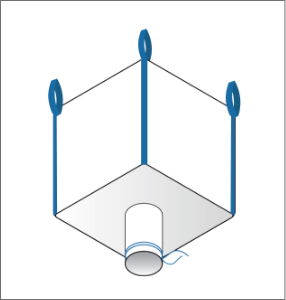
Дно с горловиной
МКР с донной горловиной имеет разгрузочную горловину или рукав в нижней части мешка. Эта конструкция часто используется для продуктов, требующих точной дозировки или обработки, таких как порошки, гранулы или другие материалы, которые могут быть трудны в контроле или удержании.
Горловина на МКР с донной горловиной изготавливается из того же материала, что и мешок, и предназначена для открывания или закрывания с помощью затяжных шнуров или других застежек. Это позволяет контролировать дозирование содержимого, облегчая наполнение и опорожнение мешка без проливания или потери продукта. Наличие разгрузочной горловины или рукава делает мешок более сложным и дорогим в производстве, но также более универсальным и полезным для более широкого спектра продуктов и применений.
Полностью открытое дно
МКР с полностью открытым дном, иногда называемый «подгузниковым» дном, имеет нижние отверстия, которые проходят по всей длине и ширине, соответствующим размерам мешка. Нижнее отверстие также имеет клапан, несколько похожий на тот, что используется в мешках с верхом типа «дафл». Этот клапан завязывается или запечатывается при использовании мешка и во время наполнения, а затем развязывается для быстрой разгрузки содержимого биг-бэга.
Быстрая разгрузка является одним из основных преимуществ мешка с полностью открытым дном. Ни один другой тип конструкции не позволяет достичь такой скорости разгрузки, что дает этому мешку явное преимущество для тех, кто ищет мешок, обеспечивающий быстрое и эффективное опорожнение.
В чем разница между ламинированными и неламинированными МКР?
Основное различие между ламинированными и неламинированными МКР заключается в том, что ламинированный МКР имеет дополнительный защитный слой покрытия на поверхности ткани, в то время как неламинированный МКР его не имеет.
Ламинированные МКР изготавливаются путем нанесения слоя покрывающего материала, такого как полипропилен или полиэтилен, на поверхность ткани. Это покрытие может помочь улучшить прочность и долговечность мешка, а также обеспечить дополнительную защиту от влаги, пыли и других загрязнителей. Ламинированные МКР обычно используются для транспортировки материалов, требующих дополнительной защиты, таких как химикаты или пищевые продукты.
Неламинированные МКР, с другой стороны, изготавливаются из простой тканой полипропиленовой ткани без какого-либо дополнительного покрытия. Эти мешки, как правило, дешевле ламинированных МКР и обычно используются для транспортировки материалов, не требующих дополнительной защиты, таких как песок или гравий.
В целом, выбор между ламинированным и неламинированным МКР будет зависеть от конкретных потребностей транспортируемого материала, а также от условий транспортировки и хранения. Такие факторы, как влажность, запыленность и требуемый уровень защиты, будут влиять на решение об использовании ламинированного или неламинированного МКР.
Что такое вкладыш для МКР?
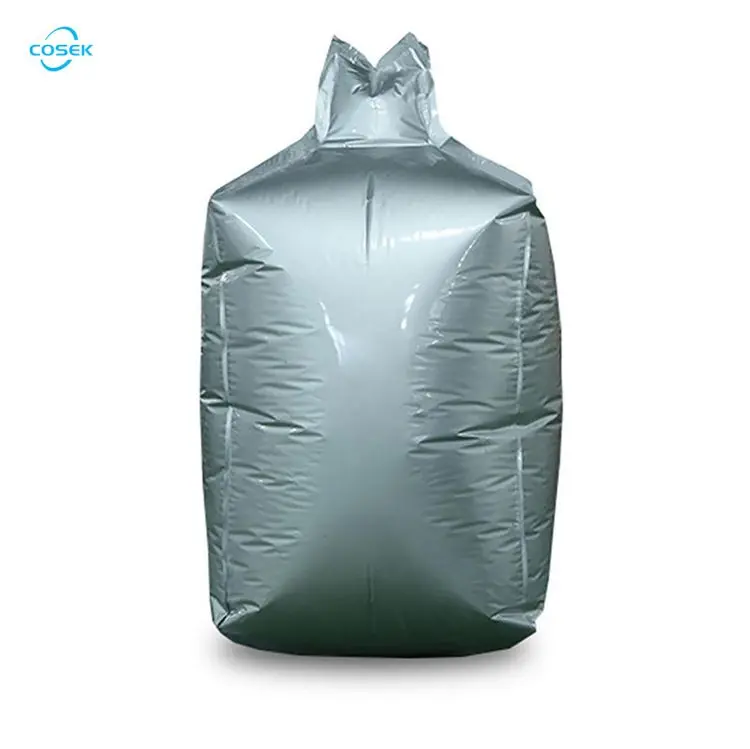
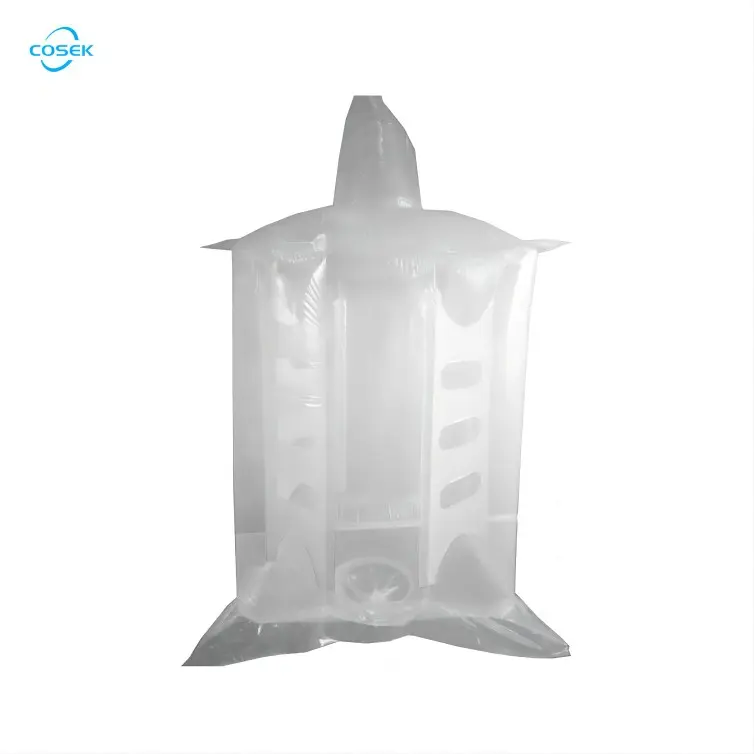
Вкладыш для МКР — это съемный, гибкий и часто прозрачный мешок, который помещается внутрь Мягкого Контейнера Разового использования (МКР) для защиты содержимого от загрязнения или влаги, а также для предотвращения утечки содержимого из мешка.
Вкладыши для МКР обычно используются при транспортировке и хранении различных материалов, включая пищевые продукты, химикаты и порошки. Они изготавливаются из различных материалов, включая полиэтилен низкой плотности (ПЭНП), линейный полиэтилен низкой плотности (ЛПЭНП) и полипропилен.
Вкладыш обычно разработан так, чтобы плотно прилегать к внутренней части МКР, и подвешивается к верхней части мешка с помощью петель или язычков. После заполнения вкладыша содержимым верхняя часть вкладыша обычно складывается и закрепляется, а затем МКР закрывается и фиксируется с помощью различных механизмов, таких как шнур-кулиска или кабельная стяжка.
Биг-бэги с вкладышами поставляются с уже встроенными в тканый полипропилен вкладышами. Преимущество МКР с установленными вкладышами заключается в множестве доступных вариантов. Одним из недостатков ламинированных МКР биг-бэгов является то, что вкладыши обычно либо вшиты в швы мешка, либо прикреплены язычками к материалу мешка и не могут быть удалены. Это затрудняет их повторное использование по сравнению с использованием съемных полиэтиленовых вкладышей.
Заключение
RUNCHEN специализируется на предоставлении надежных решений для гибких биг-бэгов МКР для клиентов по всему миру. Независимо от того, нужно ли вам транспортировать порошки, гранулы, химическое сырье, сельскохозяйственную продукцию или другие сыпучие материалы, мы можем подобрать подходящие типы мешков, верхние загрузочные устройства, разгрузочные горловины, подъемные конструкции, внутренние вкладыши, покрытия и конфигурации безопасной рабочей нагрузки в соответствии со свойствами материала, весом загрузки, методами заполнения и разгрузки, условиями транспортировки, а также требованиями к влагозащите и защите от загрязнений. От стандартных биг-бэгов до индивидуальных упаковочных решений МКР, RUNCHEN помогает снизить такие проблемы, как утечка, проникновение влаги, загрязнение, сложность обработки и низкая эффективность транспортировки, делая упаковку сыпучих материалов более безопасной, эффективной и лучше соответствующей требованиям практического применения. Свяжитесь с RUNCHEN сейчас и сообщите нам о ваших материалах, размерах, грузоподъемности и сценариях эксплуатации, чтобы получить эксклюзивные рекомендации по выбору и коммерческие предложения.
Related News
Other news you might be interested in
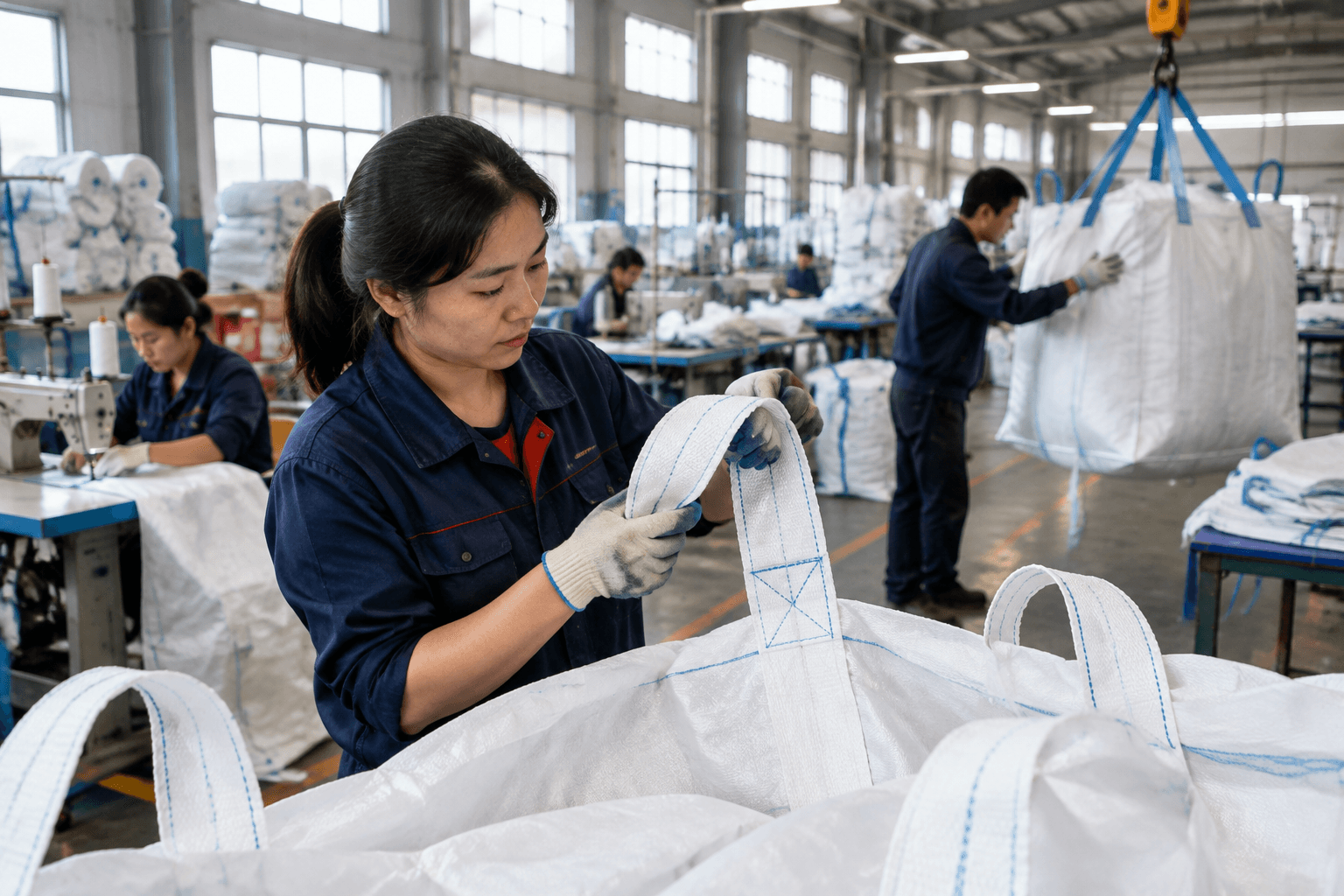
Выбор правильного производителя контейнеров для сыпучих материалов для более безопасных и эффективных операций
Узнайте, как определить требования к контейнерам для сыпучих материалов, оценить производителей и проверить качество и надежность поставок, чтобы снизить операционные риски и обеспечить более безопасное и эффективное обращение.
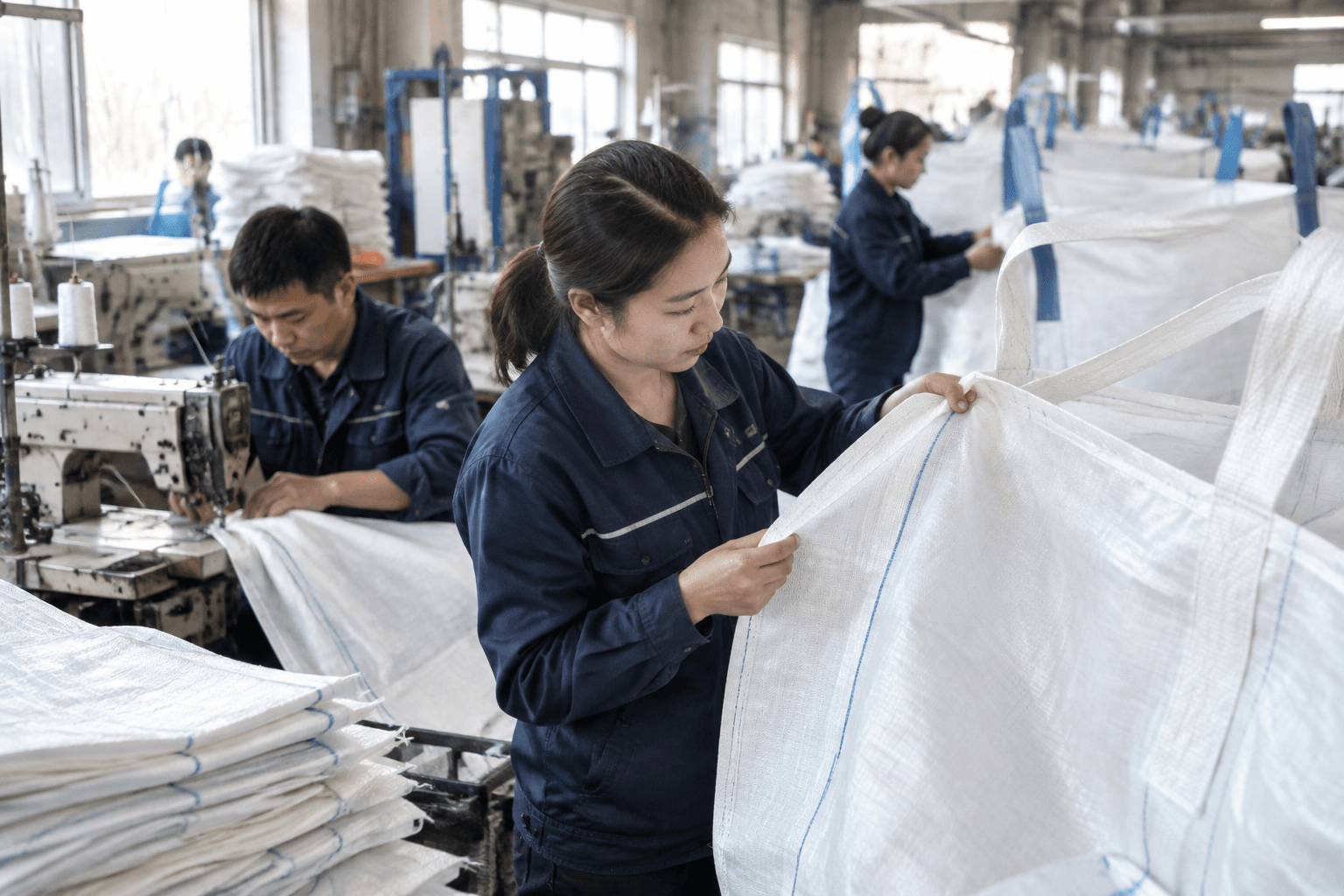
140-я Кантонская ярмарка: новые тенденции на экспортном рынке мешков для сыпучих грузов, контейнерных мешков и ПП-тканой упаковки
Узнайте, как покупатели на экспорт могут оценивать FIBC-мешки для сыпучих грузов и ПП-тканую упаковку, не ограничиваясь ценой за единицу. Получите практические рекомендации по спецификациям, проверке поставщиков, требованиям к устойчивому развитию и запросам предложений — и подготовьтесь к следующему разговору о закупках с COSEK.
Want to know more?
Get in touch with us for more information about our services and products.