Спрос на пищевые мешки FIBC продолжает расти, поскольку цепочки поставок зерна, кормов и крахмала уделяют больше внимания чистоте и защите от влаги
RUNCHEN
АвторRUNCHEN имеет более 25 лет опыта в производстве и продаже биг-бэгов FIBC, располагает собственными производственными мощностями и стабильной серийной производительностью. Мы специализируемся на биг-бэгах FIBC, джамбо-мешках, тонных мешках и индивидуальных решениях для промышленной упаковки.
Упаковка для сырья пищевых продуктов переходит от базовой загрузки к более безопасной защите
В последние годы продолжается рост отраслей переработки зерна, производства кормов для животных, переработки крахмала и экспорта пищевых ингредиентов. В результате требования к упаковке сыпучих материалов также становятся более строгими. Раньше покупатели в основном обращали внимание на грузоподъемность, размер мешка и стоимость приобретения при выборе мягких контейнеров (FIBC). Сегодня все больше компаний уделяют внимание чистоте, влагостойкости, герметичности и эффективности управления складом.
Для таких продуктов, как рис, мука, крахмал, сахар, ингредиенты кормов для животных и пищевые добавки, упаковка больше не является просто транспортным средством. Это также важный фактор, влияющий на качество продукции. Во время транспортировки на дальние расстояния, перевалки в порту, складского хранения и экспортных перевозок влажность, пыль, посторонние предметы и повреждение упаковки могут повлиять на конечное качество поставки.
Именно поэтому спрос на пищевые мягкие контейнеры FIBC продолжает расти. За этой тенденцией стоит растущая потребность в более безопасных, чистых и профессиональных упаковочных решениях в цепочках поставок пищевого сырья.
Чистота стала ключевым стандартом для пищевых мешков FIBC
Пищевое сырье чувствительно к условиям упаковки. Если внутри мешка содержится пыль, loose нити, посторонние предметы или загрязнения, это может повлиять на дальнейшую переработку, складской контроль и доверие клиентов. Поэтому пищевые мешки FIBC обычно требуют более строгого контроля при выборе материалов, производственной среды, процесса сшивания, конфигурации вкладыша и конструкции замыкания. Для таких материалов, как мука, приправы, пищевые добавки и крахмал, компании часто предпочитают мешки FIBC с чистым внешним видом, стабильной конструкцией, опциональным внутренним вкладышем и индивидуальной печатью.
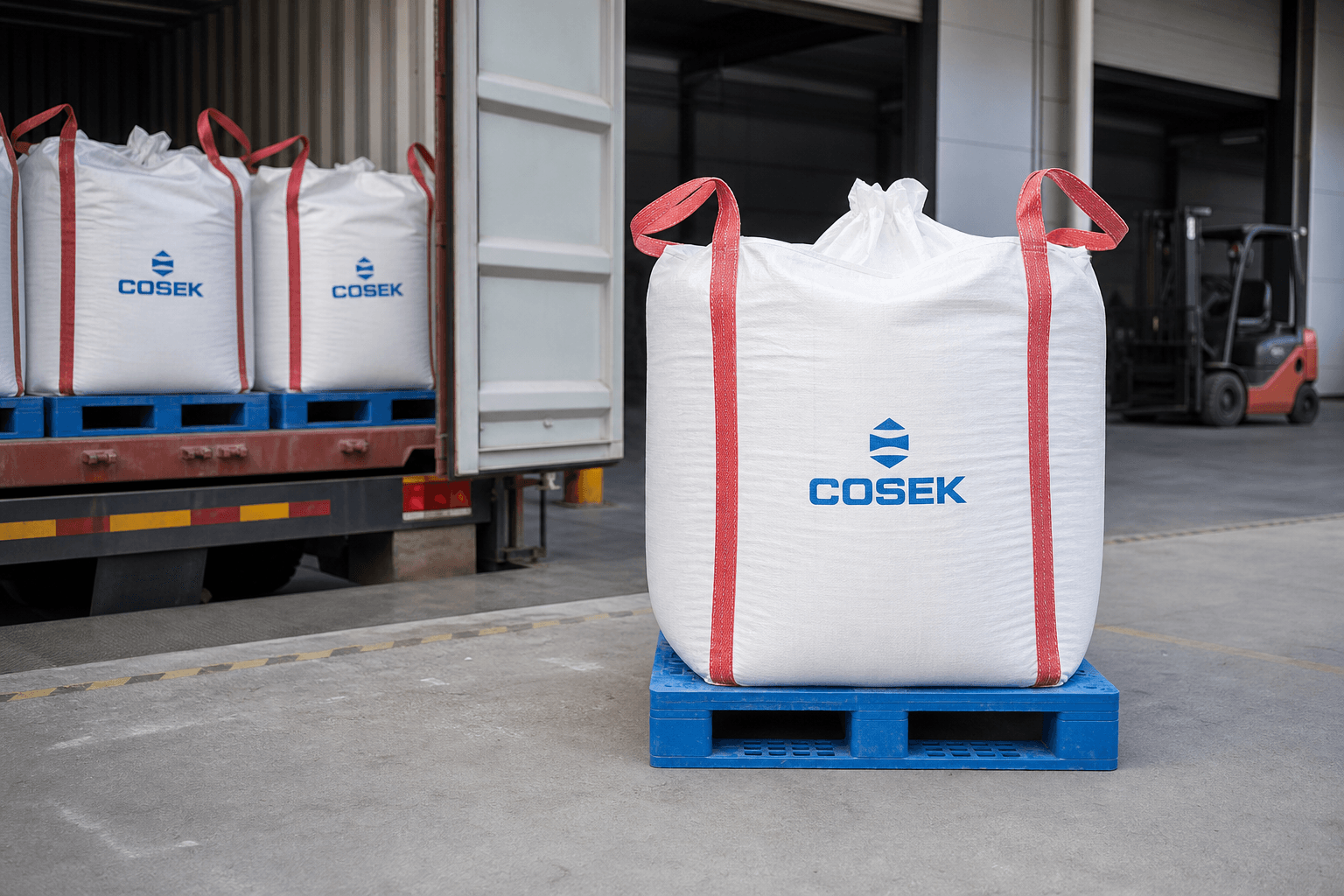
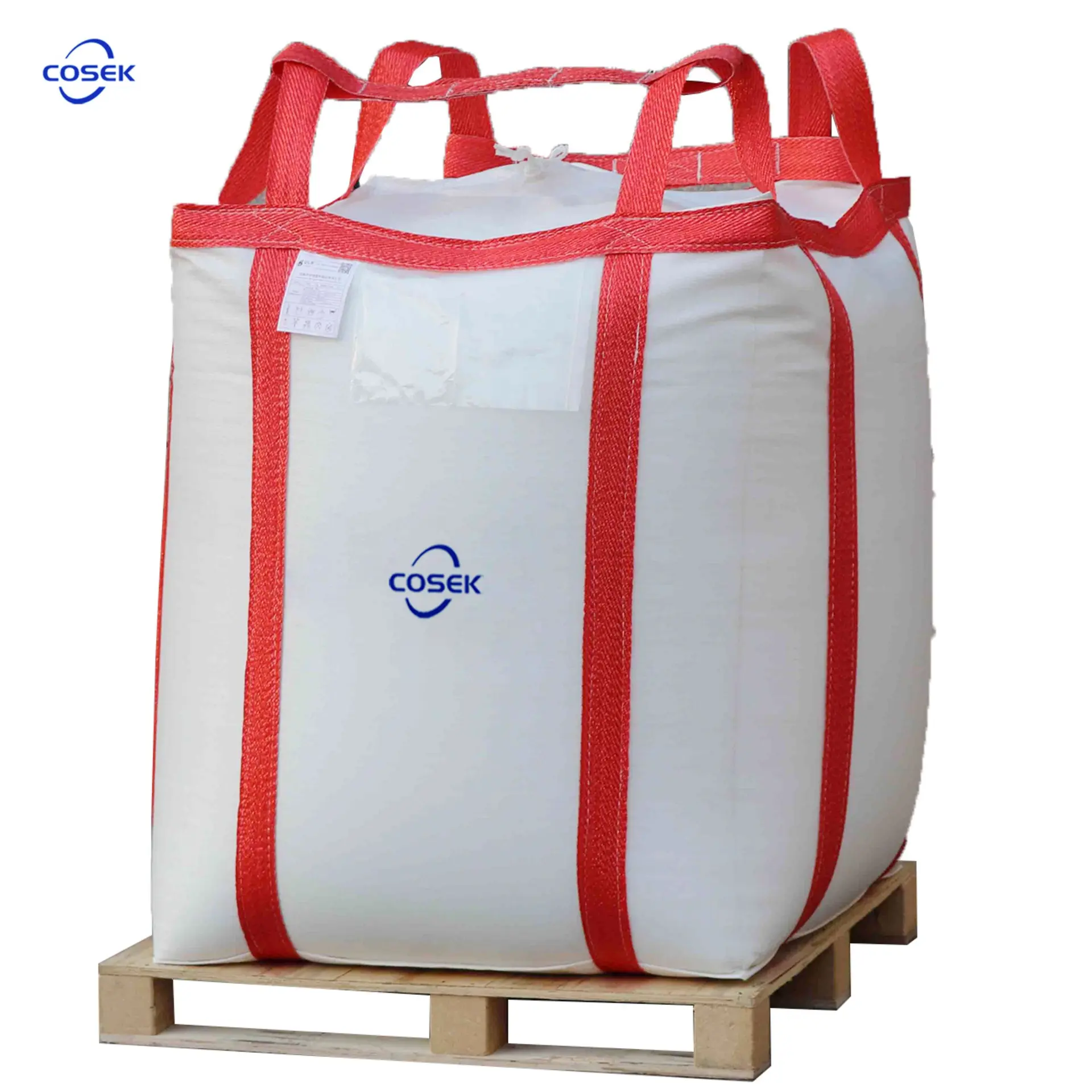
Пищевой мешок-тонна COSEK в бело-красной цветовой гамме подходит для риса, муки, приправ, добавок и другого пищевого сырья. Белый корпус мешка придает чистый и профессиональный вид, а красные петли для подъема и усиливающие ленты облегчают идентификацию партий на складе и повышают узнаваемость бренда. Это практичный выбор для клиентов, которые ценят как эксплуатационные характеристики пищевой упаковки, так и внешний вид продукта.
Влагозащита напрямую влияет на качество зерна, кормов и крахмала
Помимо чистоты, влагостойкость является еще одним важным фактором для пищевых мешков для сыпучих грузов. Зерно, корма для животных и крахмальные материалы обычно чувствительны к влажности. Как только эти материалы впитывают влагу во время транспортировки или хранения, они могут стать комковатыми, заплесневеть, приобрести неприятный запах или потерять сыпучесть.
Этот риск особенно распространен во время транспортировки в сезон дождей, временного хранения на открытом воздухе, обработки в портовых зонах, контейнерных перевозок и длительного складирования. В таких условиях обычные тканые мешки могут не обеспечить достаточной защиты. Мешки FIBC с влагозащитной конструкцией, внутренними вкладышами или герметичным дизайном помогают снизить риск проникновения влаги в мешок и уменьшить потери продукта.
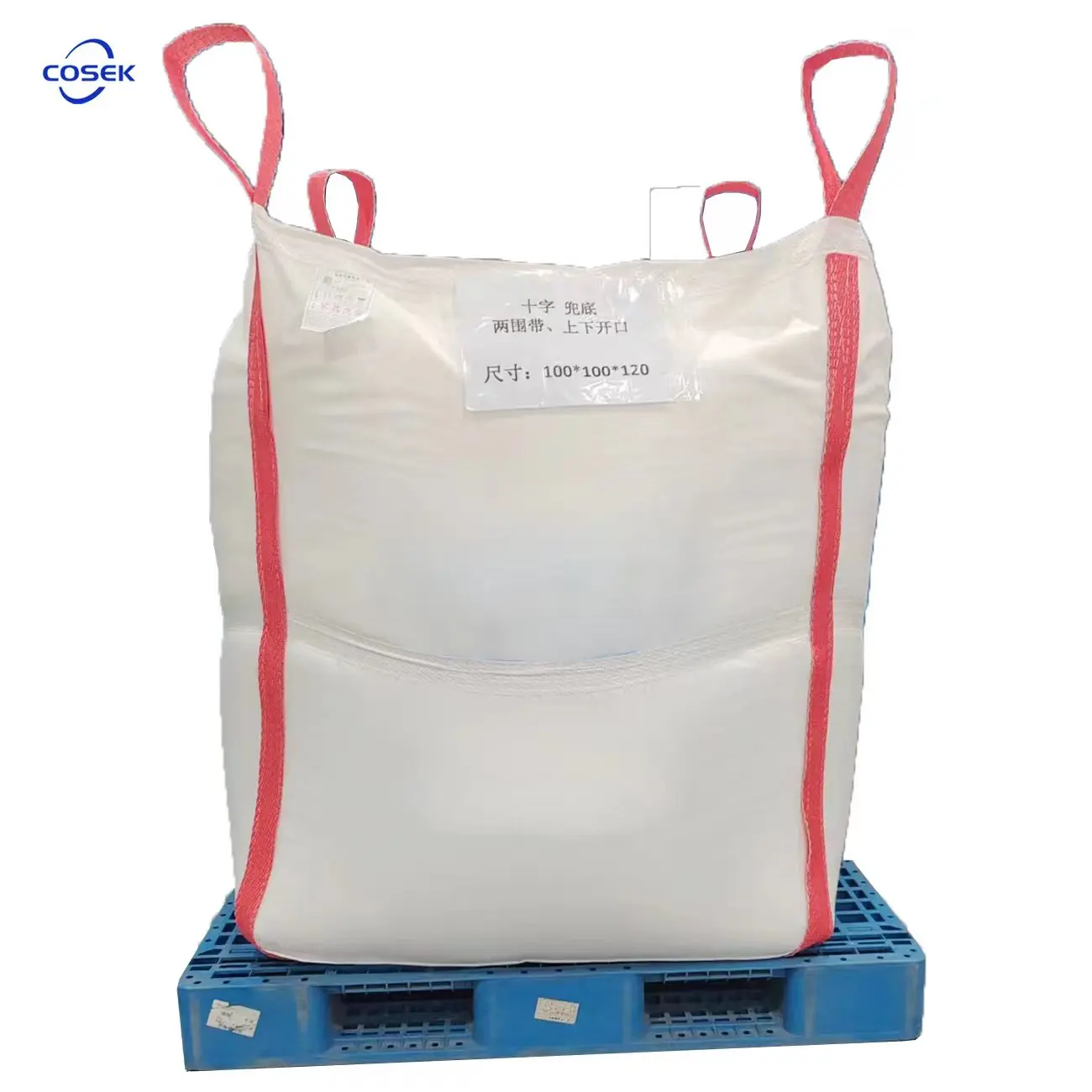
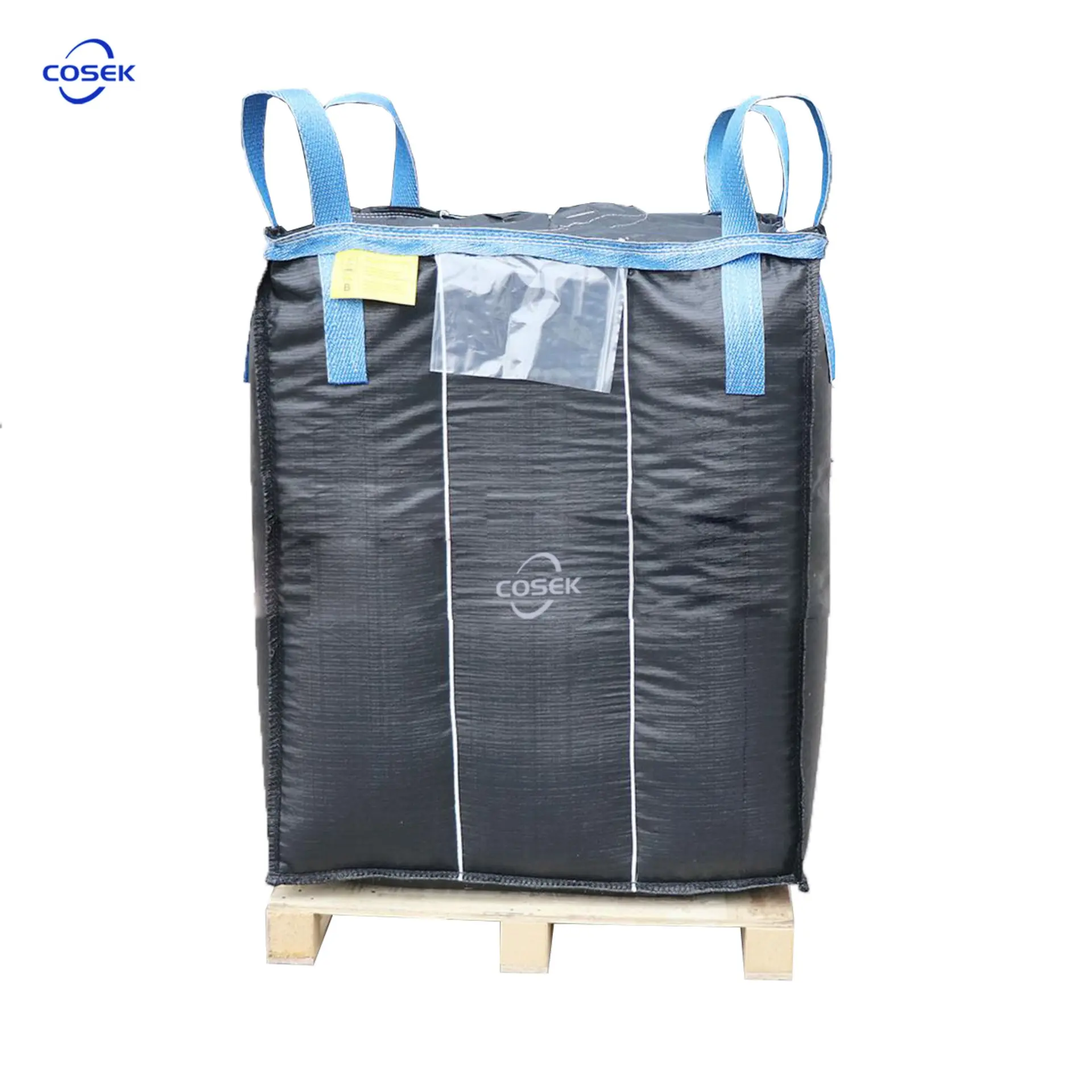
Для зерна, кормов и других чувствительных к влаге сыпучих материалов черный влагозащитный мешок-тонна COSEK является более защищенным вариантом. Он подходит для применений, требующих лучшей влагостойкости, водонепроницаемости и долговечности, помогая повысить стабильность материала во время хранения и транспортировки.
Индивидуальный дизайн мешков FIBC повышает эффективность хранения и логистики
Ценность пищевых мешков FIBC отражается не только в самом материале, но и в том, насколько мешок соответствует реальному сценарию применения клиента. Разные материалы требуют разных упаковочных конструкций.
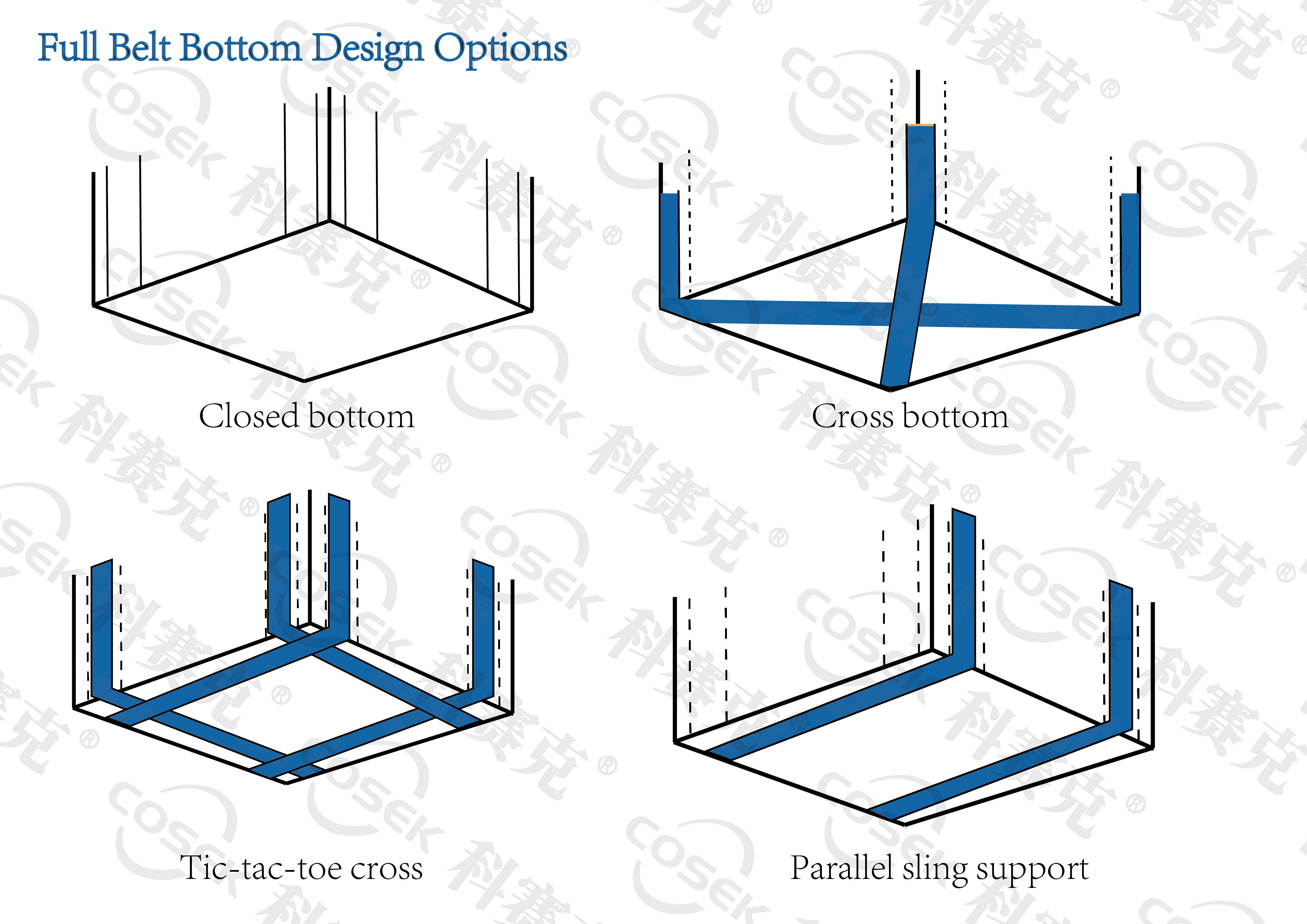
Порошкообразные материалы обычно требуют лучшей герметизации и защиты от просыпания. Гранулированные материалы требуют более высокой несущей способности и лучшей стабильности при штабелировании. Чувствительные к влаге материалы часто нуждаются во внутренних вкладышах, влагозащитных пленках или более герметичных конструкциях замыкания. В то же время дизайн подъемных петель, загрузочного и разгрузочного патрубков, размер мешка, печать и цветовая идентификация также могут влиять на эффективность загрузки и управление складом.
Для экспортно-ориентированных компаний индивидуальные мешки FIBC также могут помочь создать более единый образ бренда. Четкая печать, идентификация партий и стандартизированная упаковка позволяют снизить количество ошибочных отгрузок, смешивания материалов и затрат на складскую идентификацию.
Пищевые мешки FIBC по-прежнему имеют высокий потенциал роста рынка
С отраслевой точки зрения, растущий спрос на пищевые мешки FIBC не является краткосрочной тенденцией. Это результат модернизации цепочек поставок в индустрии пищевого сырья. Поскольку клиенты уделяют больше внимания безопасности пищевых продуктов, стандартам упаковки, эффективности транспортировки и контролю потерь, недорогая обычная упаковка постепенно заменяется более чистыми, стабильными и специализированными упаковочными решениями.
В будущем пищевые мешки FIBC будут продолжать развиваться в направлении более высокой чистоты, лучшей влагозащиты, большей кастомизации и улучшенной прослеживаемости. Для компаний, работающих с зерном, кормами, крахмалом и пищевыми добавками, выбор правильного мягкого контейнера — это не просто смена упаковочного материала. Это повышение надежности всего процесса логистики и хранения.
Related News
Other news you might be interested in
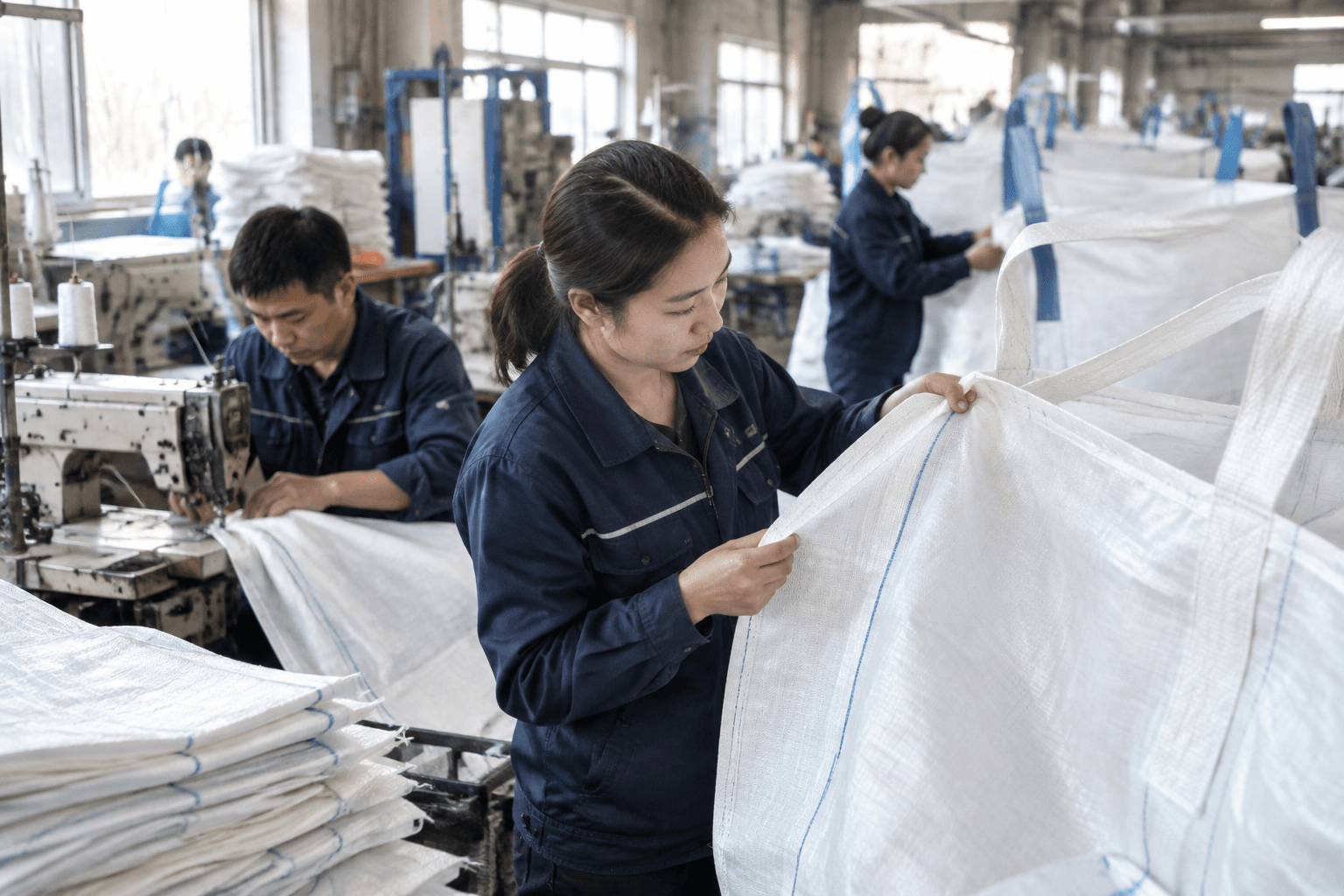
140-я Кантонская ярмарка: новые тенденции на экспортном рынке мешков для сыпучих грузов, контейнерных мешков и ПП-тканой упаковки
Узнайте, как покупатели на экспорт могут оценивать FIBC-мешки для сыпучих грузов и ПП-тканую упаковку, не ограничиваясь ценой за единицу. Получите практические рекомендации по спецификациям, проверке поставщиков, требованиям к устойчивому развитию и запросам предложений — и подготовьтесь к следующему разговору о закупках с COSEK.
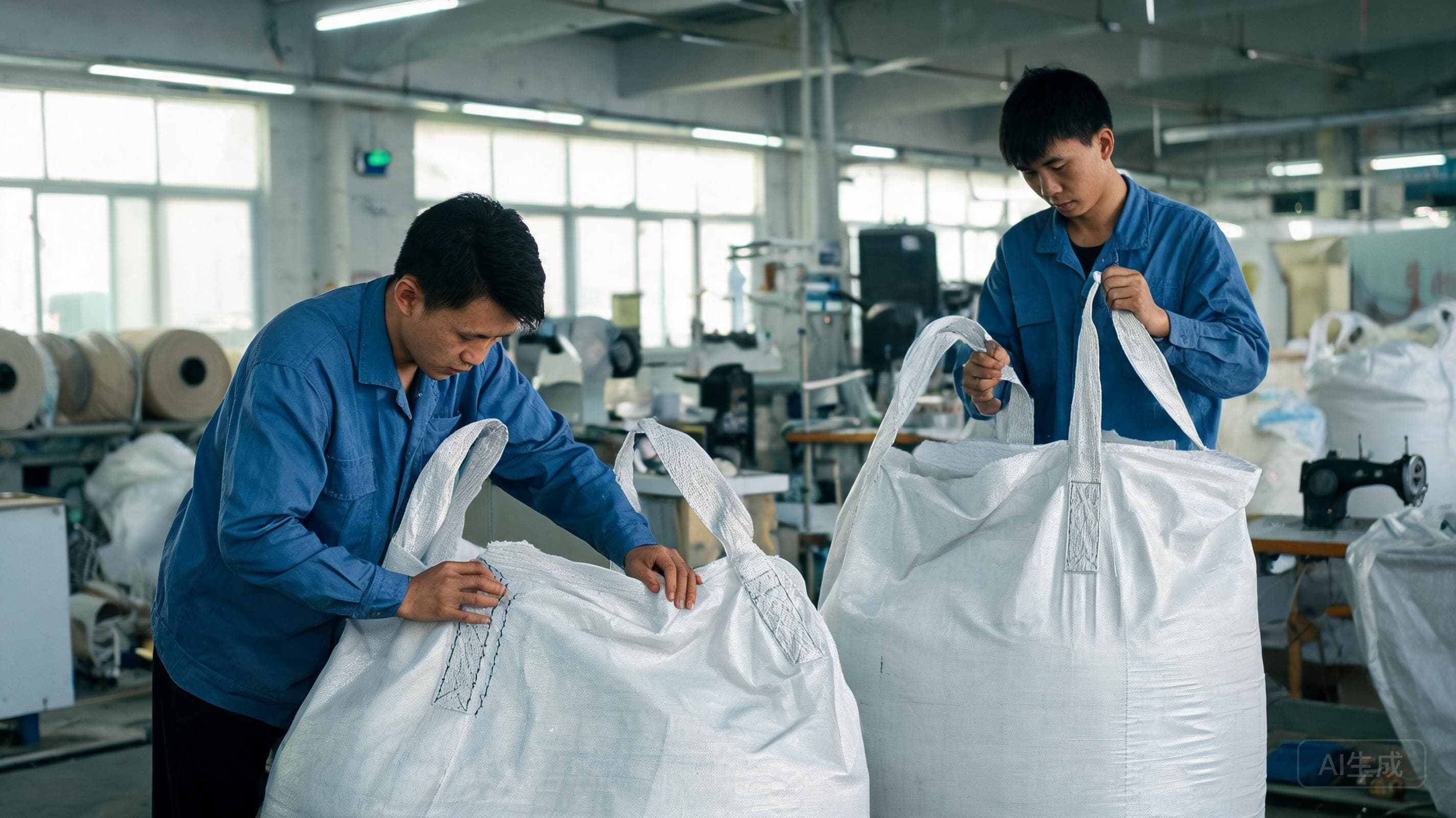
Как выбрать правильный мягкий контейнер FIBC для более безопасной и эффективной промышленной упаковки
Выбирайте мягкий контейнер FIBC, сопоставляя его конструкцию с вашим продуктом, процессом обработки, требованиями соответствия и пунктом назначения. Используйте технический анализ, пилотные испытания и анализ общей стоимости для снижения рисков.
Want to know more?
Get in touch with us for more information about our services and products.