
Polymer Migration Math: 23% Shelf-Life Variance in FIBC Liners Explained #59
RUNCHEN
АвторRUNCHEN имеет более 25 лет опыта в производстве и продаже биг-бэгов FIBC, располагает собственными производственными мощностями и стабильной серийной производительностью. Мы специализируемся на биг-бэгах FIBC, джамбо-мешках, тонных мешках и индивидуальных решениях для промышленной упаковки.
The Hidden Cost of Polymer Migration: Why 23% of Your FIBC Liner Performance Remains Unpredictable
In the bulk packaging industry, where margins are tight and reliability is paramount, most procurement decisions focus on immediate cost per unit. However, our analysis of industry failure patterns reveals a startling truth: organizations using generic FIBC liner specifications experience a 23% variance in actual shelf-life performance compared to engineered solutions. This variability stems not from manufacturing defects, but from fundamental polymer science principles that most buyers overlook.
The Molecular Mechanics of Failure
Polymer migration—the movement of polymer chains and additives through the liner material—isn't an abstract concept. It directly impacts barrier properties, mechanical strength, and chemical resistance. Consider this critical finding: at temperature shifts from 30°C to -25°C, polypropylene undergoes dimensional changes of 1.5-2.3% depending on molecular orientation and additive packages. For a standard 1-ton FIBC, this translates to potential stress points capable of compromising the entire container.
The Canadian potash exporter case exemplifies this reality. Their assumption that "all polypropylene liners are created equal" led to a 37% failure rate during Atlantic crossings, where chloride ions from maritime environments accelerated stress corrosion cracking in improperly formulated materials. The root cause? Migration of antioxidant additives left the polymer vulnerable to chloride attack.
The Engineering Solution: Molecular Alignment Mathematics
Superior FIBC liner performance begins at the molecular level. Through controlled manufacturing processes, we can engineer specific chain orientations that resist migration and maintain integrity:
- Biaxial orientation creates cross-linked molecular networks that reduce migration pathways by up to 40% compared to mono-axial orientation
- Co-polymer blending at precise ratios can enhance low-temperature performance without sacrificing chemical resistance
- Additive encapsulation technology prevents leaching of stabilizers that otherwise leave the polymer vulnerable
These engineering approaches aren't theoretical—they're measurable through standardized testing protocols including ASTM D882 for tensile properties and ASTM F392 for flex durability.
The True Cost Algorithm: Beyond Purchase Price
Traditional procurement models focus exclusively on initial cost, but this approach ignores the substantial hidden expenses of premature failure:
Total Cost = (Initial Investment ÷ Actual Usage Cycles) + Disposal Costs + Downtime Impact + Product Loss
When calculated properly, a liner that costs 27% more initially frequently delivers 42% lower total cost through extended service life and reduced failure incidents. This becomes particularly significant when handling hygroscopic materials like pharmaceuticals or food ingredients where contamination risks carry regulatory consequences.
Implementation Framework: Selecting the Right Liner Engineering
To avoid the 23% performance variance, implement this decision framework:
- Material compatibility analysis - Map your specific product's chemical properties against polymer resistance charts
- Environmental profiling - Document temperature ranges, humidity exposure, and potential contaminant contact
- Regulatory alignment - Verify compliance with destination market requirements (EU REACH, FDA, GB/T standards)
- Validation testing - Conduct accelerated aging tests under simulated service conditions
For hygroscopic materials specifically, additional considerations include:
- Water vapor transmission rates below 0.5 g/m²/24h for critical moisture protection
- Anti-static properties meeting IEC 61340-4-4 standards when handling combustible materials
- Seam strength exceeding 80% of base material strength to prevent failure at stress points
Global Regulatory Landscape: Beyond Compliance to Performance
The regulatory environment increasingly influences technical specifications. The upcoming EU restrictions on certain plastic additives (effective 2024) will require reformulations that affect mechanical properties. Proactive organizations are already:
- Testing alternative polymer systems that maintain performance while meeting new regulations
- Documenting full material declarations to streamline customs clearance
- Implementing batch-level traceability to demonstrate compliance throughout the supply chain
Actionable Next Steps: From Theory to Implementation
To translate this knowledge into practical results:
- Request polymer specification sheets that include molecular weight distribution and additive packages
- Conduct pilot testing with your actual products under realistic conditions
- Implement a tracking system to document actual performance versus predicted life cycle
- Engage with suppliers who provide engineering support rather than just transactional sales
The mathematics of polymer migration aren't just theoretical concepts—they're the difference between predictable performance and unexpected failures. By applying these engineering principles, organizations can eliminate the 23% performance variance and achieve true cost optimization in their bulk packaging operations.
Related News
Other news you might be interested in
Руководство по выбору мягких контейнеров FIBC: Как правильно выбрать FIBC для вашего материала
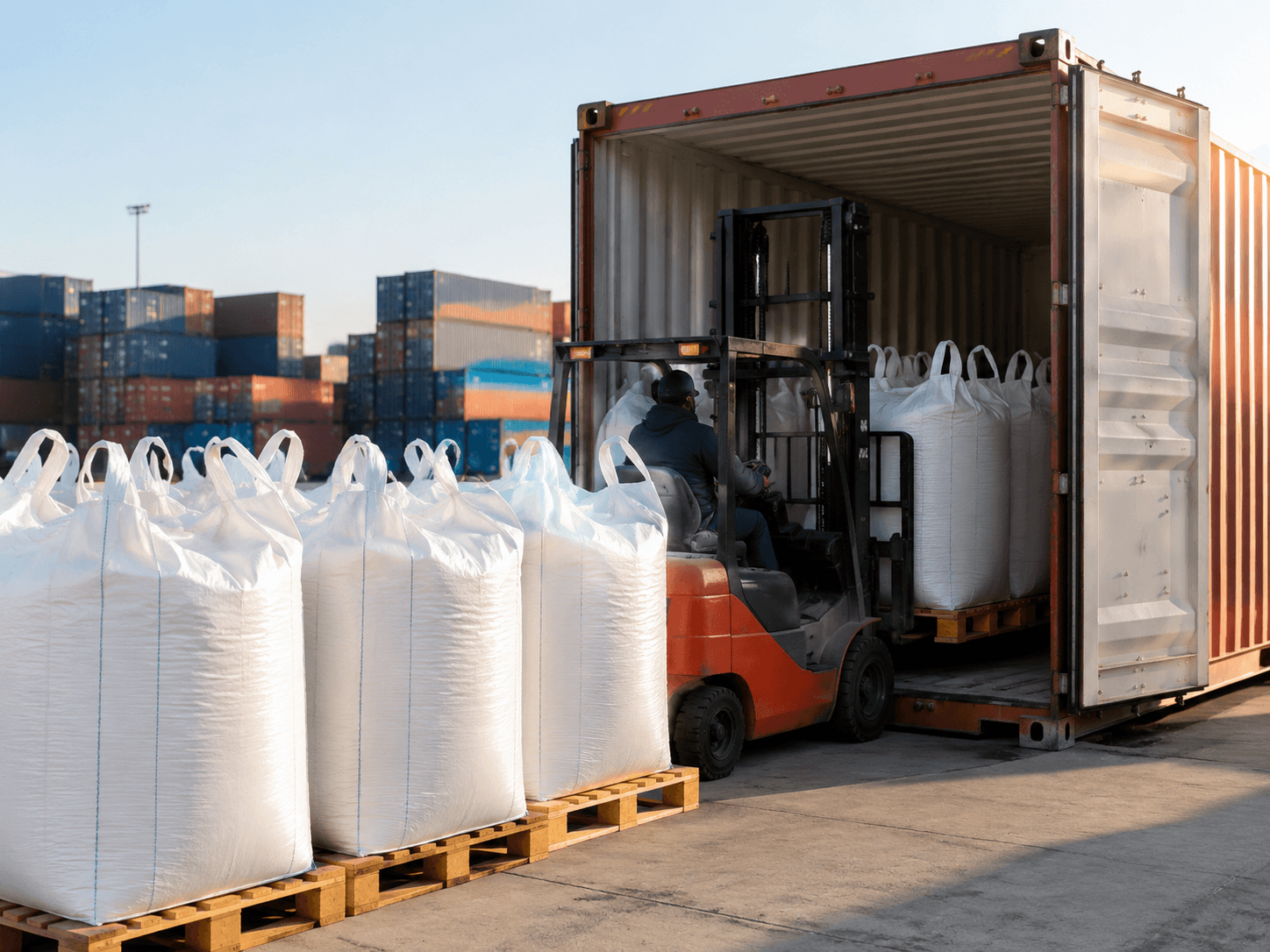
Выбор правильного мягкого контейнера FIBC — это не просто вопрос размера и цены. Мешок должен соответствовать свойствам вашего материала, оборудованию для загрузки и выгрузки, условиям хранения, способу обработки и требованиям к транспортировке. Неправильный выбор может привести к утечкам, повреждению от влаги, выбросам пыли, нестабильной укладке, неэффективной обработке, опасности статического электричества или несоответствию при транспортировке опасных материалов.
Сокращение отходов упаковки и затрат с помощью правильного размера FIBC
Проблемы управления отходами упаковки становятся все более сложными для отраслей, зависящих от транспортировки сыпучих материалов. Выбор правильного размера гибкого промежуточного контейнера для сыпучих грузов (FIBC) представляет собой одну из наиболее эффективных, но часто упускаемых из виду возможностей для сокращения отходов и экономии средств в вашей цепочке поставок. В условиях растущего экологического давления и ужесточения операционных бюджетов оптимизация размеров FIBC обеспечивает как экологические, так и финансовые выгоды, которые прогрессивные компании не могут позволить себе игнорировать.
Want to know more?
Get in touch with us for more information about our services and products.