In recent years, the grain processing, animal feed, starch processing, and food ingredient export industries have continued to grow. As a result, the packaging requirements for bulk materials are also becoming more demanding. In the past, buyers mainly focused on load capacity, bag size, and purchase cost when choosing FIBC bags. Today, more companies are paying attention to cleanliness, moisture resistance, sealing performance, and warehouse management efficiency.
For products such as rice, flour, starch, sugar, animal feed ingredients, and food additives, packaging is no longer just a transportation tool. It is also an important factor that affects product quality. During long-distance transportation, port transfer, warehouse storage, and export shipping, humidity, dust, foreign matter, and packaging damage may all affect the final delivery quality.
This is why demand for food-grade FIBC bags continues to rise. Behind this trend is the growing need for safer, cleaner, and more professional packaging solutions in food raw material supply chains.
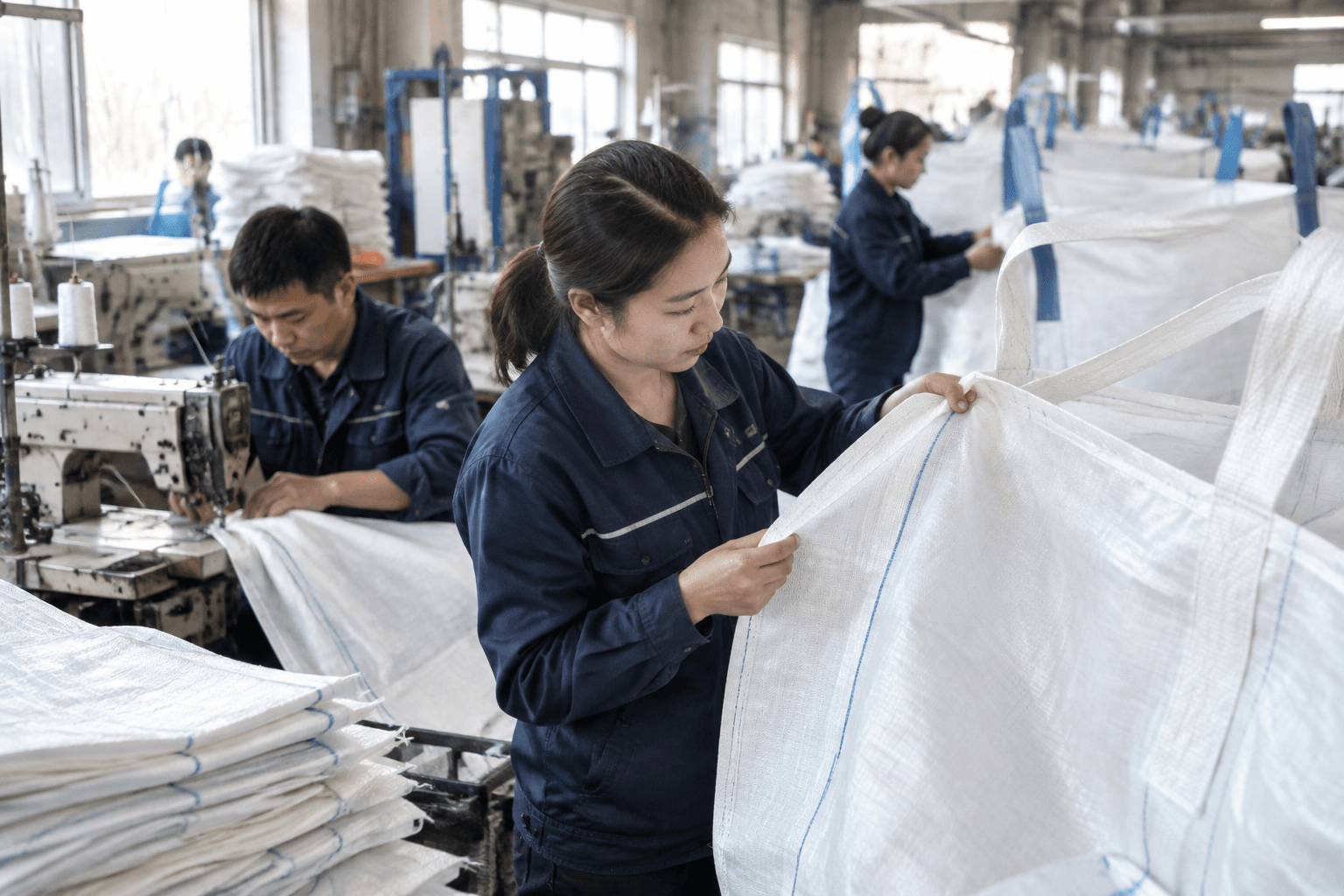
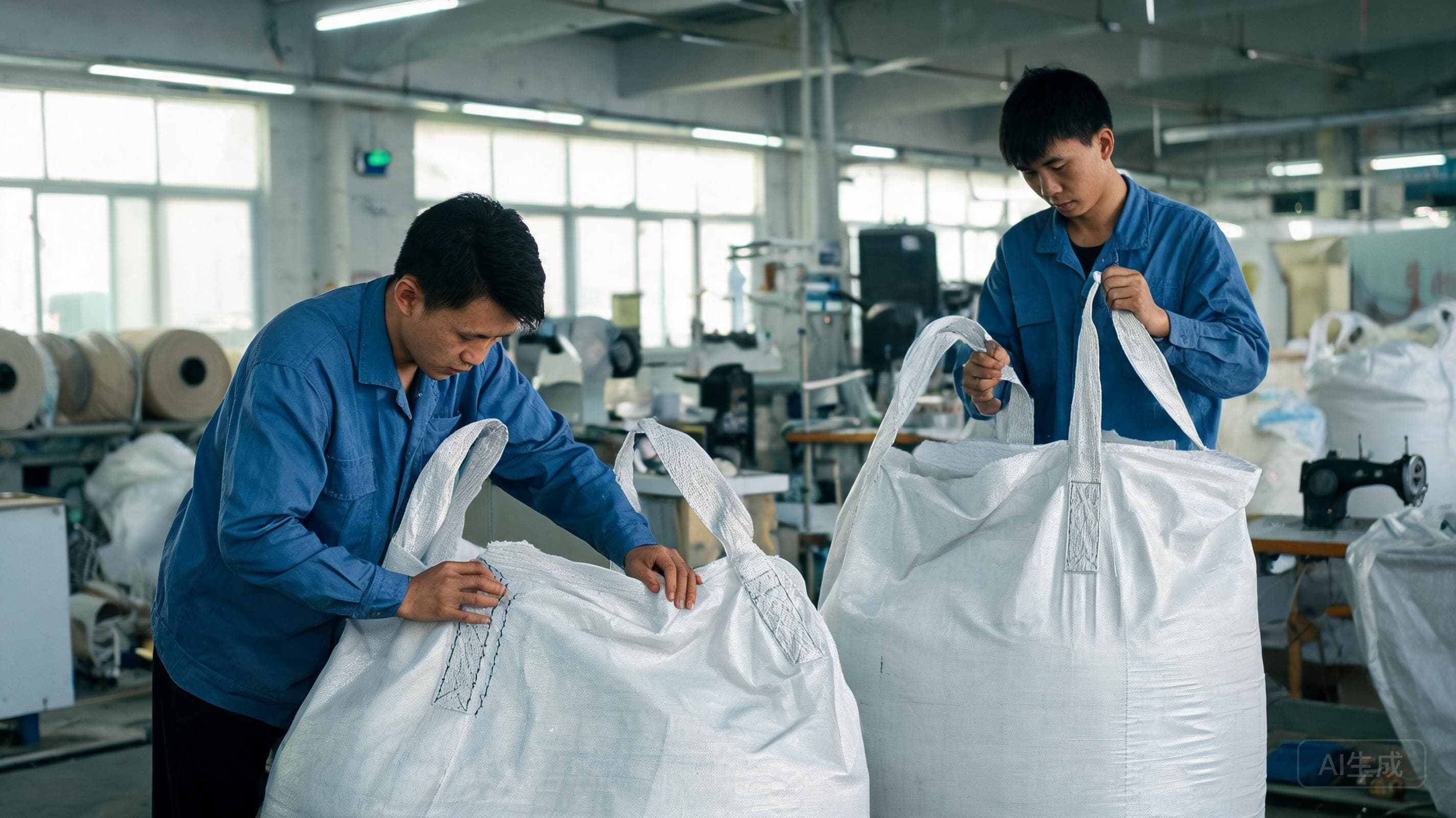
Food raw materials are sensitive to packaging conditions. If the inside of the bag contains dust, loose threads, foreign matter, or contamination, it may affect downstream processing, warehouse inspection, and customer trust. Therefore, food-grade FIBC bags usually require stricter control in material selection, production environment, sewing process, liner configuration, and closure design.
For materials such as flour, seasonings, food additives, and starch, companies often prefer FIBC bags with a clean appearance, stable structure, optional inner liner, and customized printing.
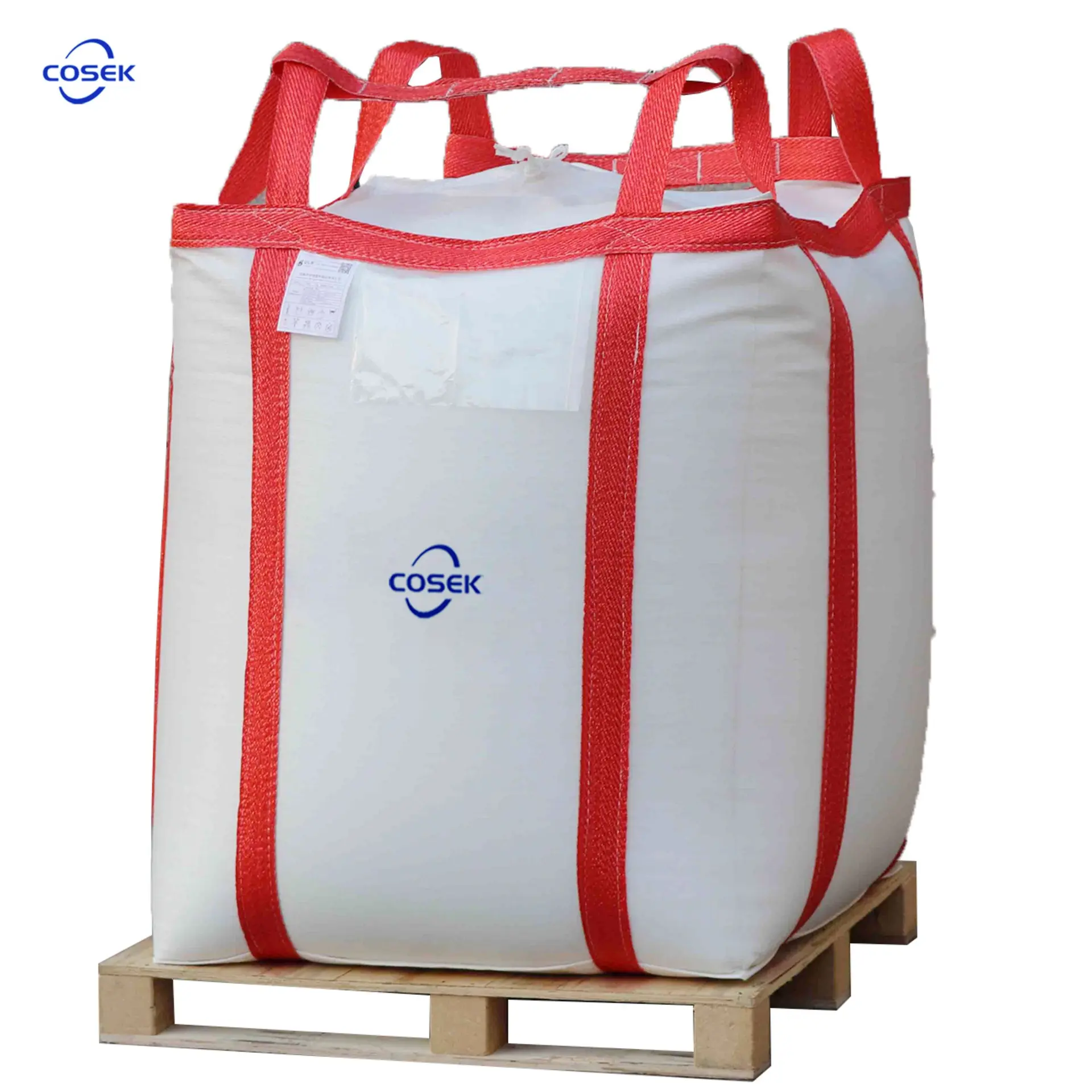
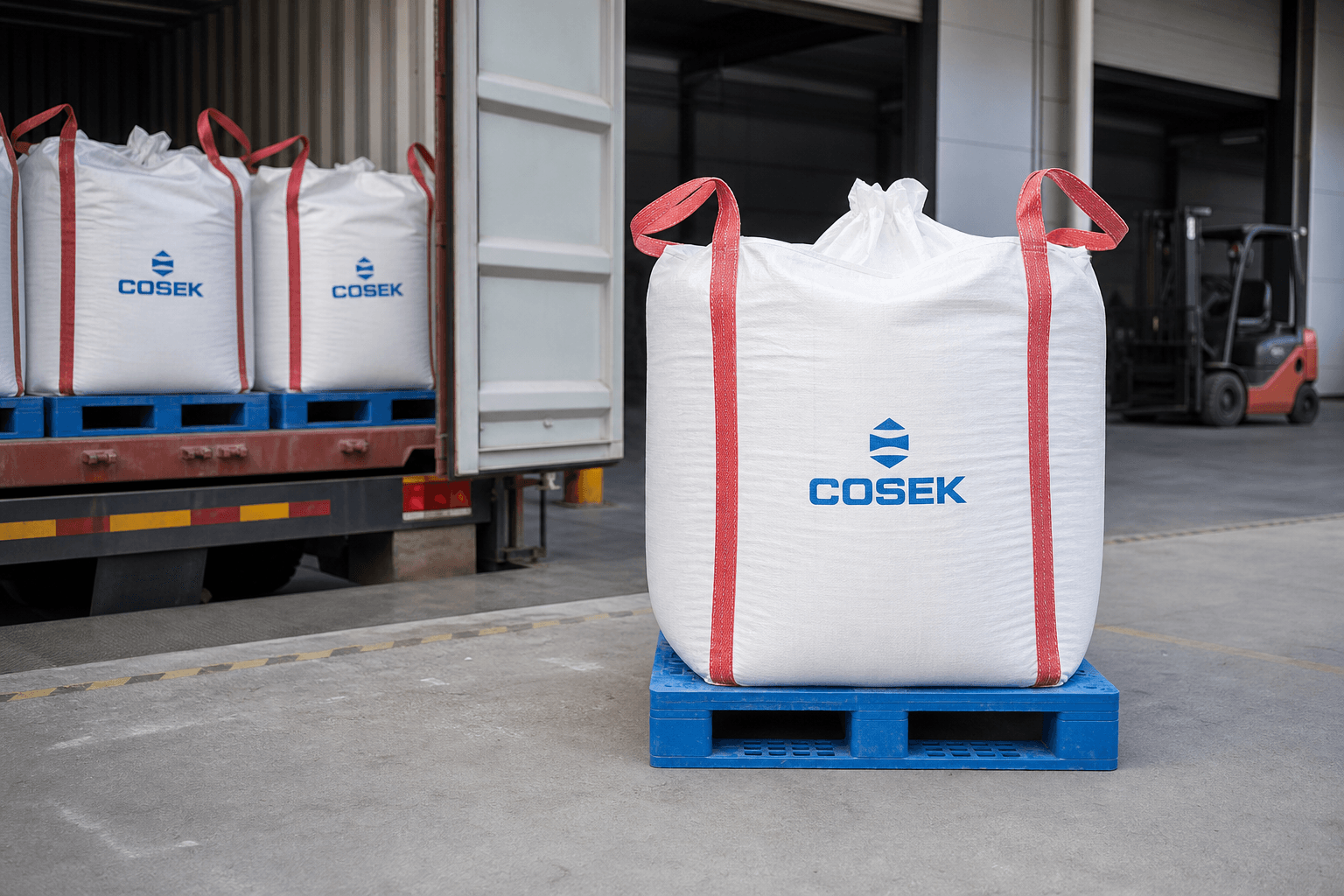
For example, the [COSEK White and Red Food-Grade Ton Bag](https://bulkbagb2b.com/products/cosek-white-and-red-color-scheme-food-grade-ton-bag-rice-flourseasoningadditive-sterile-packaging) is suitable for rice, flour, seasonings, additives, and other food raw materials. The white bag body presents a clean and professional appearance, while the red lifting loops and reinforcement belts make it easier for warehouses to identify batches and improve brand visibility. It is a practical choice for customers who value both food-grade packaging performance and product presentation.
In addition to cleanliness, moisture resistance is another important factor for food-grade bulk bags. Grain, animal feed, and starch materials are generally sensitive to humidity. Once these materials absorb moisture during transportation or storage, they may become lumpy, moldy, odorous, or less free-flowing.
This risk is especially common during rainy-season transportation, temporary outdoor storage, port yard handling, container shipping, and long-term warehousing. In these conditions, ordinary woven bags may not provide enough protection. FIBC bags with moisture-proof structures, inner liners, or leak-resistant designs can help reduce the risk of moisture entering the bag and lower product loss.
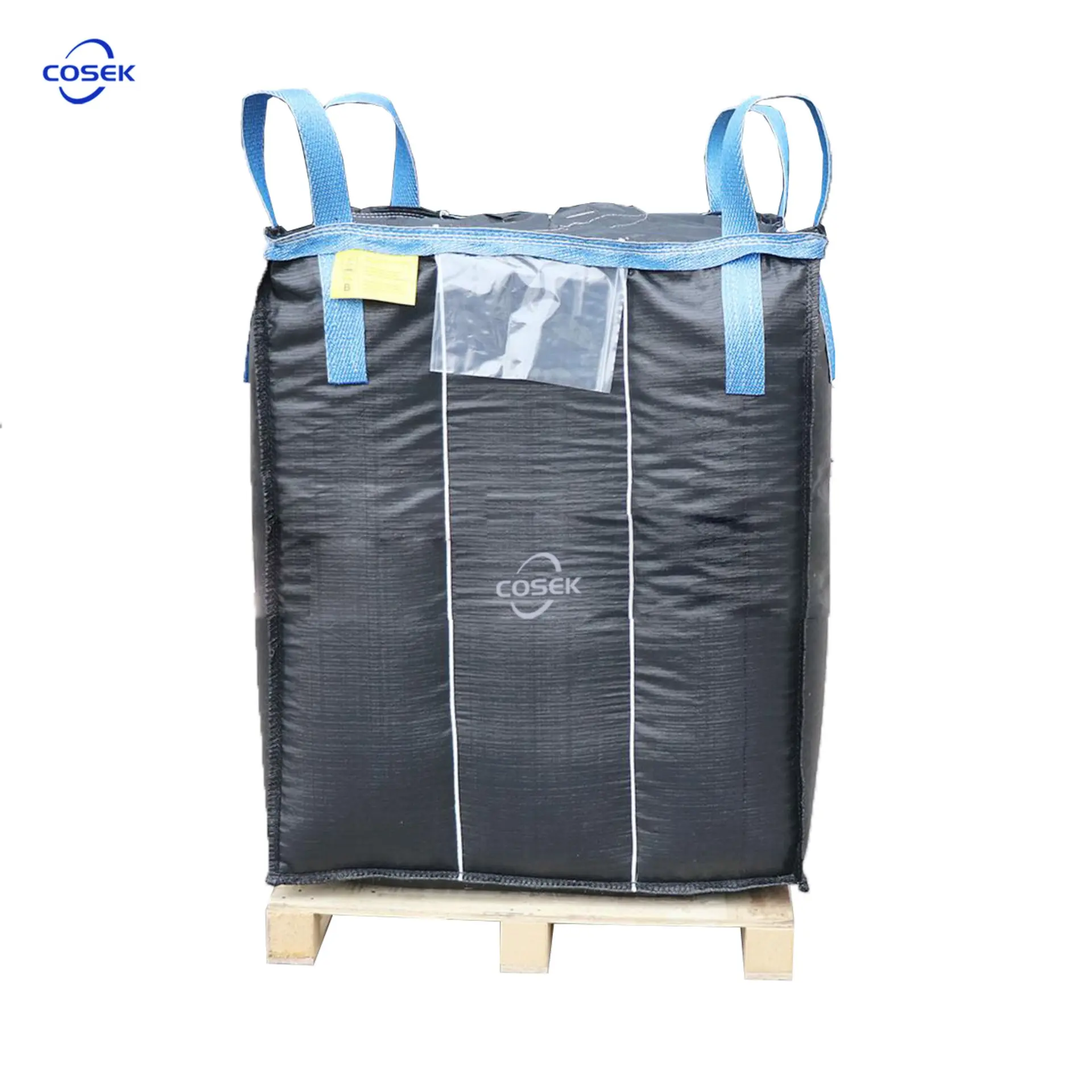
For grain, feed, and other moisture-sensitive bulk materials, the [COSEK Black Moisture-Proof Ton Bag](https://bulkbagb2b.com/products/cosek-black-moisture-proof-ton-bag-for-grainfeedchemical-raw-materials-waterproof-packaging) is a more protective option. It is suitable for applications that require better moisture resistance, water resistance, and durability, helping improve material stability during storage and transportation.
The value of food-grade FIBC bags is not only reflected in the material itself, but also in whether the bag can match the customer’s actual application scenario. Different materials require different packaging structures.
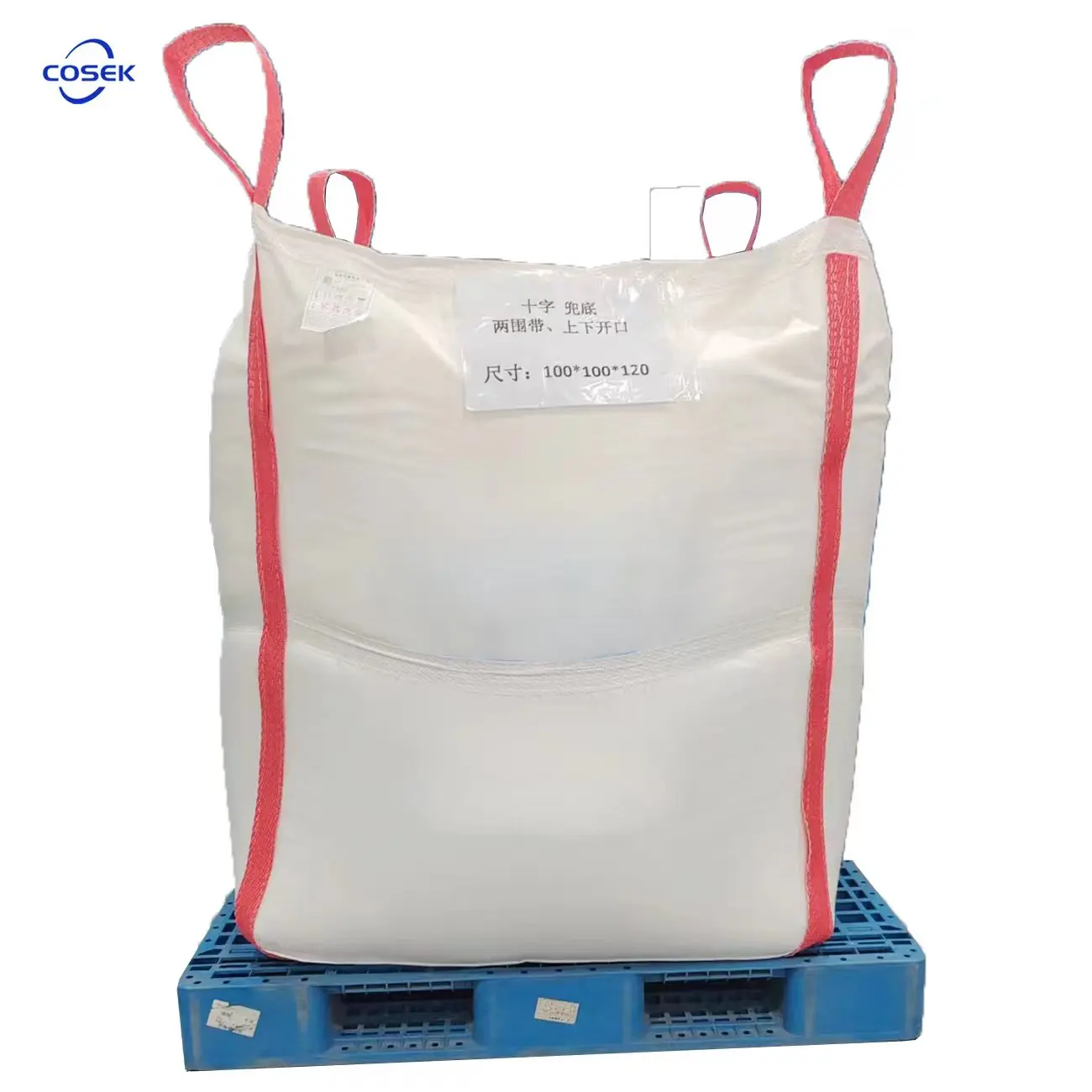
Powder materials usually require better sealing and leakage prevention. Granular materials require stronger load-bearing performance and better stacking stability. Moisture-sensitive materials often need inner liners, moisture-proof films, or tighter closure structures. At the same time, lifting loop design, filling spout, discharge spout, bag size, printing, and color identification can also affect loading efficiency and warehouse management.
For export-oriented companies, customized FIBC bags can also help create a more unified brand image. Clear printing, batch identification, and standardized packaging can reduce wrong shipments, material mixing, and warehouse identification costs.
From an industry perspective, the growing demand for food-grade FIBC bags is not a short-term trend. It is the result of supply chain upgrades in the food raw material industry. As customers pay more attention to food safety, packaging standards, transportation efficiency, and loss control, low-cost ordinary packaging is gradually being replaced by cleaner, more stable, and more application-specific packaging solutions.
In the future, food-grade FIBC bags will continue to develop toward higher cleanliness, better moisture protection, greater customization, and improved traceability. For grain, feed, starch, and food additive companies, choosing the right bulk bag is not just about changing packaging materials. It is about improving the reliability of the entire logistics and storage process.
For factory-type FIBC bag suppliers, providing clean, moisture-proof, durable, and customizable packaging solutions for the food raw material industry will help attract more high-quality B2B buyers and build a more professional supplier image in the global market.
您可能感兴趣的其他资讯

随着化工、塑料、涂料、新能源材料及矿物粉末等行业的扩张,粉末及颗粒状物料的大宗运输需求持续增长。集装袋因其载重量大、便于叉车搬运、适合集装箱出口运输等特点,已成为化工粉末包装的常见解决方案。 然而,化工粉末包装并非简单的“装料”。许多粉末物料在填充、输送、吊装和卸料过程中,因摩擦作用可能产生静电。若物料存在可燃粉尘风险,或生产现场存在易燃气体、溶剂环境,静电放电可能带来安全隐患。因此,防静电与导电集装袋正受到化工企业和出口采购商的日益关注。

随着全球供应链日益追求效率,包装不再仅仅被视为商品的容器。对于处理散装材料的行业而言,包装在存储效率、运输安全、装载速度、产品保护以及整体物流成本控制方面发挥着直接作用。在此背景下,FIBC包装在食品、化工和农业供应链中的应用越来越广泛。柔性集装袋,通常称为FIBC袋或吨袋,专为粉末、颗粒和片状材料的大容量处理而设计。与小袋或刚性容器相比,FIBC袋在填充、吊装、堆叠、仓储和长途运输方面具有更强的灵活性。
Get in touch with us for more information about our services and products.