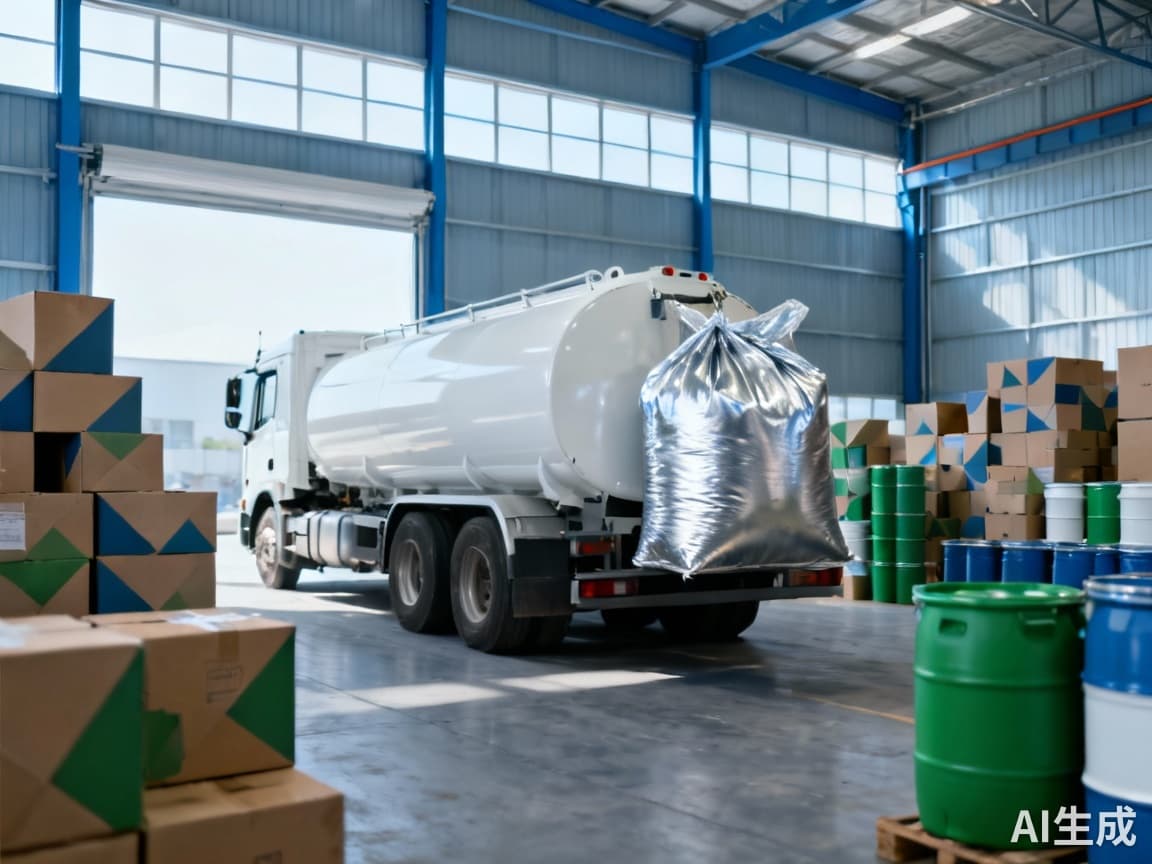
Tonnage Bags Cut 90% Plastic Waste & Create Carbon Assets for Manufacturers #63

RUNCHEN
作者RUNCHEN 拥有 25 年以上 FIBC 吨袋生产与销售经验,自有生产设施和稳定的批量生产能力,专注于 FIBC 集装袋、吨袋、太空包及定制工业包装解决方案。
The Hidden Cost of Plastic Waste: Beyond Environmental Concerns
Global plastic waste generation has reached alarming proportions, with approximately 3.5 billion tons produced annually worldwide. Industrial packaging contributes significantly to this crisis, accounting for roughly 35% of total plastic waste. More concerning is that about 0.5% of this waste ultimately enters our oceans, creating substantial environmental liabilities for manufacturing companies. Beyond the ecological impact, new regulatory frameworks are transforming plastic waste from an environmental issue into a financial risk that demands immediate attention.
The emergence of Extended Producer Responsibility (EPR) initiatives worldwide is fundamentally changing how manufacturers approach packaging waste. These regulations are shifting the financial burden of waste management from municipalities to producers, creating new cost centers that directly impact bottom-line performance. Companies that fail to adapt face not only regulatory penalties but also significant brand reputation risks in an increasingly environmentally-conscious market.
Case Study: Master Kong's Tonnage Bag Transformation
Master Kong's implementation of tonnage bag replacement strategy demonstrates the tangible benefits of rethinking traditional packaging approaches. The company transitioned from conventional raw material packaging to bulk transportation solutions, incorporating tonnage bags and establishing comprehensive recycling systems for containers and cardboard.
Quantifiable Results and Environmental Impact
The transformation yielded remarkable outcomes, achieving over 90% reduction in single-use plastic consumption. This dramatic decrease not only addressed waste management challenges but also created substantial environmental value. While the company hasn't disclosed specific ROI figures, our carbon accounting analysis reveals significant hidden value creation through emission reduction.
"Tonnage bag replacement represents more than just environmental responsibility—it's a strategic financial decision that creates measurable carbon asset value while future-proofing operations against regulatory changes."
Carbon Asset Value: The Hidden Financial Opportunity
Traditional cost-benefit analyses of packaging alternatives often overlook the carbon asset value creation potential. Each ton of plastic packaging carries a lifecycle carbon footprint of approximately 2-3 tons of CO₂ equivalent. By implementing tonnage bag solutions, manufacturers aren't just reducing waste—they're creating verifiable carbon reductions that can be monetized in emerging carbon markets.
Carbon Accounting Methodology
The financial value of carbon reduction follows a clear calculation model: Reduced plastic usage × Emission factor × Carbon price. For example, eliminating 100 tons of plastic packaging translates to 200-300 tons of CO₂ reduction. At current EU ETS prices of approximately €80 per ton, this creates potential carbon asset value of €16,000-24,000 annually for medium-sized manufacturing operations.
Technical Implementation Framework
Successful tonnage bag implementation requires careful consideration of product characteristics and operational requirements. Different solutions cater to varying needs:
- Internal Reinforcement Tonnage Bags: Ideal for heavy, dense materials requiring additional structural support
- Conductive Tonnage Bags: Essential for industries where static electricity presents safety hazards
- Standard Bulk Bags: Cost-effective solutions for most dry bulk materials with moderate weight requirements
Performance Metrics and Quality Standards
When evaluating tonnage bag options, manufacturers should consider these critical performance indicators:
- Load Capacity: Typically ranging from 500kg to 2,000kg per bag
- Cycle Durability: High-quality bags withstand 5-7 reuse cycles minimum
- Material Composition:
- Polypropylene (PP) for general use
- Polyester for enhanced durability
- Specialty coatings for moisture protection
Financial Modeling and ROI Calculation
Comprehensive financial analysis must account for both direct cost savings and carbon asset creation. Our modeling framework incorporates:
Direct Cost Components
- Reduced packaging material costs
- Lower waste disposal fees
- Decreased storage and handling expenses
Carbon Asset Valuation
- Verified emission reductions
- Regional carbon pricing mechanisms
- Trading platform transaction costs
Based on industry data, manufacturers typically achieve 20-40% reduction in total packaging costs while creating additional carbon asset value equivalent to 5-15% of packaging expenditure.
Implementation Roadmap: Phased Adoption Strategy
Successful tonnage bag implementation requires structured planning across four key phases:
Phase 1: Assessment and Planning (Weeks 1-4)
Conduct comprehensive packaging audit, identify suitable product lines for initial implementation, and establish baseline metrics for plastic usage and carbon footprint.
Phase 2: Pilot Program (Weeks 5-12)
Implement tonnage bags in controlled environment, monitor performance metrics, and refine operational procedures before full-scale deployment.
Phase 3: Full Implementation (Months 4-6)
Scale successful pilot results across organization, train operational staff, and establish continuous monitoring systems.
Phase 4: Verification and Optimization (Ongoing)
Document emission reductions for carbon credit verification, identify additional optimization opportunities, and expand successful practices to other product lines.
Supplier Selection and Partnership Criteria
Choosing the right tonnage bag supplier is critical for long-term success. Evaluation criteria should include:
- Quality Certification: ISO 9001, ISO 14001 compliance
- Technical Expertise: Engineering support and custom solution capabilities
- Sustainability Credentials: Recycled material content and end-of-life management programs
- Financial Stability: Long-term partnership viability
Monitoring and Verification Protocols
Establish robust tracking systems to measure and verify environmental and financial benefits:
- Implement digital tracking for tonnage bag usage cycles
- Document plastic reduction through weight measurements
- Calculate carbon reduction using verified emission factors
- Maintain records for carbon credit certification
The global tonnage bag market, projected to reach $5.63 billion by 2029 with a 7.3% CAGR, reflects growing recognition of both environmental and financial benefits. Manufacturers who act now position themselves to capture carbon asset value while reducing regulatory risk and enhancing brand reputation.
By viewing tonnage bag implementation through the dual lenses of operational efficiency and carbon asset creation, forward-thinking manufacturers can transform packaging from a cost center into a value-generating asset. The combination of direct cost savings, reduced environmental impact, and carbon credit monetization creates a compelling business case that demands executive attention in today's sustainability-driven market landscape.
相关资讯
您可能感兴趣的其他资讯
FIBC集装袋选购指南:如何为您的物料选择合适的FIBC集装袋
选择合适的FIBC集装袋不仅仅是尺寸和价格的问题。袋子必须与您的物料特性、灌装和卸料设备、储存条件、搬运方式以及运输合规要求相匹配。 选择不当可能导致泄漏、湿损、粉尘排放、堆码不稳、搬运效率低下、静电危害,或在危险品运输中不合规。
通过精准选择FIBC规格减少包装浪费与成本
对于依赖散装物料运输的行业而言,包装废弃物管理的挑战日益复杂。选择合适的柔性集装袋(FIBC)规格,是供应链中既能减少浪费又能节省成本、却常被忽视的最有效途径之一。随着环保压力增大和运营预算收紧,优化FIBC规格既能带来生态效益,也能带来经济效益,这是有远见的企业不容忽视的。
Want to know more?
Get in touch with us for more information about our services and products.