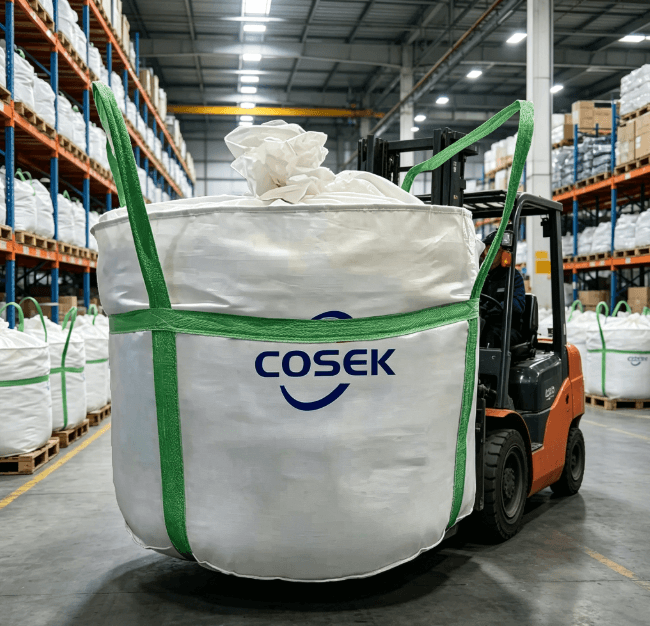
2026 FIBC Market Growth: Chemical, Fertilizer and Food Supply Chains Drive Rising Demand for Safe Bulk Bag Packaging
RUNCHEN
AuthorWith more than 25 years of experience in FIBC bulk bag manufacturing and sales, RUNCHEN operates its own production facility with stable batch capacity. We specialize in FIBC bulk bags, jumbo bags, ton bags, and customized industrial packaging solutions.
Summary
In 2026, the global FIBC market continues to show steady growth. Public industry research indicates that sectors such as chemicals, fertilizers, food processing, agricultural raw materials, and construction materials are driving stronger demand for high-strength, safe, and customizable bulk bag packaging.
Compared with traditional small bags or ordinary woven sacks, FIBC bulk bags offer larger loading capacity, easier forklift and lifting operations, better suitability for container transportation, and flexible options such as inner liners and leak-proof structures.
As overseas buyers place greater emphasis on transportation safety, food hygiene, packaging labeling, batch traceability, and export compliance, bulk bag purchasing decisions are shifting from price-focused selection to a broader evaluation of safety factors, material stability, bag structure, sealing performance, and application suitability.
For chemical, fertilizer, and food supply chain companies, choosing safer bulk bag packaging has become an important way to reduce transportation risks, improve warehousing efficiency, and strengthen trust with international customers.
Key Drivers Behind Global FIBC Market Growth
According to market research from Fortune Business Insights and other industry sources, the global FIBC market is expected to continue expanding after 2026, with the chemical and fertilizer industries remaining important application sectors. Future Market Insights also notes that demand for 4-loop FIBC bags is being supported by industries such as chemicals, fertilizers, agriculture, construction, and food processing.
This growth is mainly driven by three supply chain changes.
First, export transportation distances are becoming longer.
Chemical powders, fertilizer granules, food ingredients, and agricultural products often need to be shipped across borders. Their packaging must withstand loading, unloading, stacking, container transfer, and long-term storage.
Second, buyers are more sensitive to safety standards.
International buyers no longer focus only on whether a bulk bag can carry enough weight. They also evaluate lifting strap strength, stitching quality, bag stability, leakage control, labeling, and batch identification.
Third, automated warehousing and mechanical handling are becoming more common.
More factories and warehouses are using forklifts, lifting equipment, and automatic filling systems. This creates higher requirements for bag size stability, inlet and outlet design, and stacking performance.
Chemical Industry: Safety Packaging Moves from “Can Carry” to “Can Control”
The chemical industry is one of the major application markets for FIBC bulk bags. Resins, additives, catalysts, powder coatings, pigments, mineral powders, and some solid chemicals often require better control of leakage, dust, moisture, static electricity, and packaging damage during storage and transportation.
For chemical supply chains, safe bulk bag packaging is not only about loading capacity. It also includes the following considerations:
- Whether the bag body has sufficient tensile strength and stitching strength
- Whether the lifting structure is suitable for forklifts, cranes, and container loading
- Whether PE liners, coated fabric, leak-proof structures, or inlet and outlet spouts can be added
- Whether the bag supports labels, warning information, and batch management
- Whether UN-certified structures are required for dangerous goods or special solid materials
UN-Certified Bulk Bags for Chemical and Dangerous Solid Materials
For chemical powders, solid hazardous waste, catalysts, additives, and certain solid materials that require compliant transportation, COSEK White UN Certified Dangerous Goods FIBC Bulk Bag is designed for chemical, hazardous waste, warehousing, logistics, and export trade applications. It focuses on load-bearing structure, lifting stability, leakage control, and UN marking compatibility.
The white bag body makes it easier to inspect stains, attach labels, and identify batch information. It can also be customized with coated fabric, inner liners, filling spouts, discharge spouts, duffle tops, or flat bottoms according to material characteristics.
For chemical customers who need to reduce packaging damage and leakage risks during transportation, this type of safe FIBC solution is more suitable for export-oriented supply chain management.
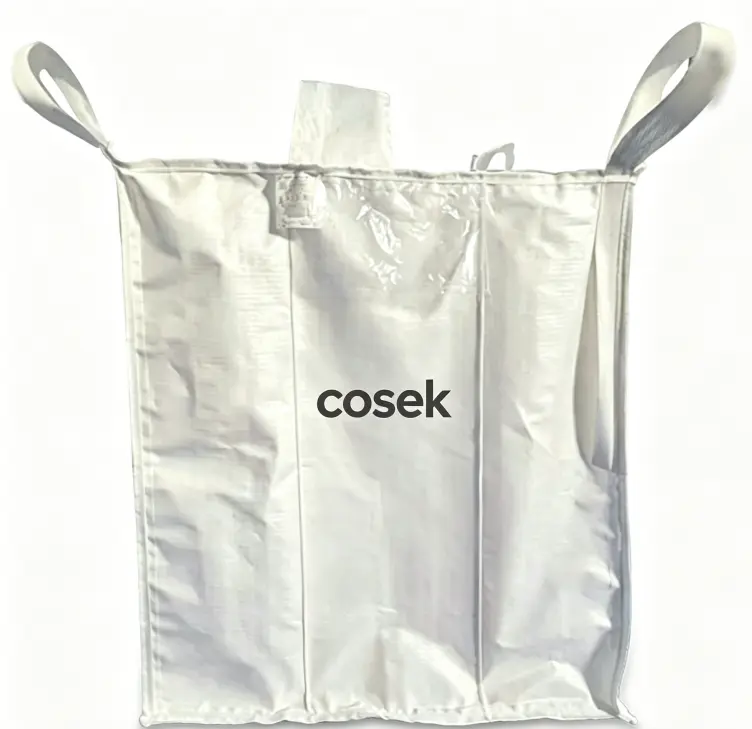
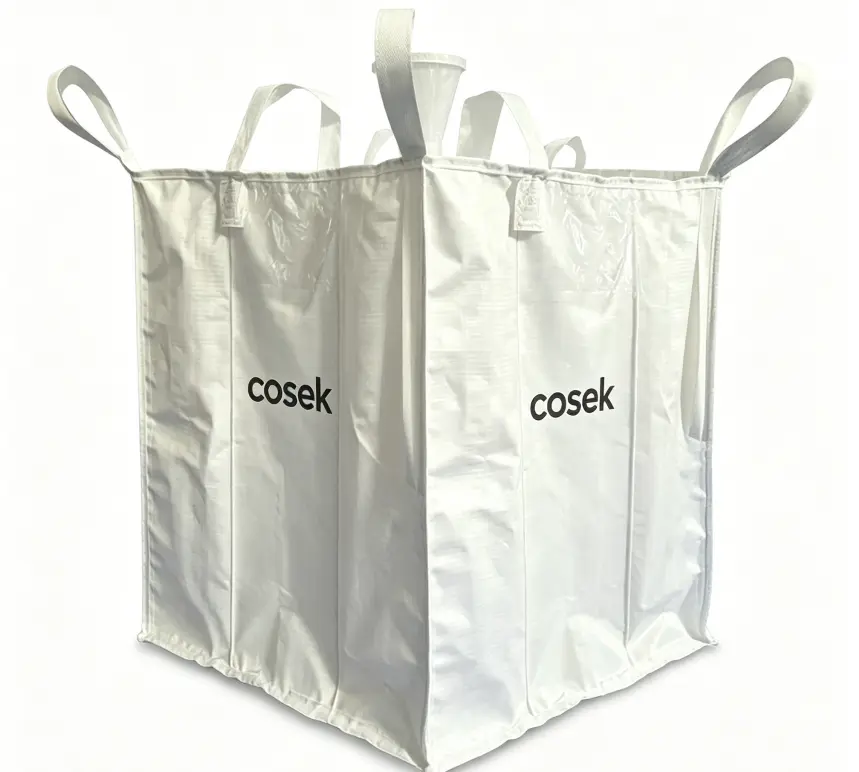
COSEK White UN Certified Dangerous Goods FIBC Bulk Bag
Fertilizer Industry: Bulk Granular Transportation Requires Strength, Moisture Protection, and Handling Efficiency
The fertilizer supply chain has typical bulk transportation characteristics. Products such as urea, compound fertilizer, phosphate fertilizer, potash fertilizer, and organic fertilizer granules are usually heavy, pass through multiple distribution stages, and are easily affected by moisture, packaging abrasion, and stacking pressure.
In fertilizer packaging applications, buyers usually focus on the following factors:
- Whether the bulk bag can safely carry 500 kg, 1,000 kg, or higher weights
- Whether the bag body is abrasion-resistant enough for warehouses, ports, and agricultural distribution environments
- Whether moisture-proof liners can be added to reduce caking and dampness
- Whether the bag shape supports stable stacking and better warehouse space utilization
- Whether the bag is suitable for mechanical handling and helps reduce labor costs
Therefore, demand for safe bulk bags in the fertilizer industry is essentially a combined demand for high strength, moisture protection, and efficient circulation.
Compared with small-bag packaging, FIBC bulk bags can reduce repacking, improve loading and unloading efficiency, and better support container export and large-volume purchasing.
Food Supply Chain: Hygiene, Cleanliness, and Batch Management Become Key Purchasing Factors
Food processing and agricultural raw materials are becoming important growth areas for the FIBC market. Flour, sugar, starch, rice, beans, grains, food additives, and dry powdered ingredients all require packaging that can reduce contamination, foreign matter, moisture exposure, and packaging damage during transportation.
The difference between food-grade bulk bags and ordinary industrial bulk bags is that food-grade packaging must not only meet load-bearing and transportation requirements, but also pay closer attention to material cleanliness, production environment, bag appearance, liner options, and batch identification.
For exporters of food ingredients, whether the packaging looks clean, supports traceability, and allows customer branding and product information printing can directly influence overseas buyers’ purchasing decisions.
Food-Grade Bulk Bags for Food Ingredients and Agricultural Exports
For flour, sugar, starch, grains, beans, food additives, and other dry food ingredients, COSEK White and Red Food-Grade Bulk Bag uses a white bag body with red lifting straps and reinforcement bands, creating a clean and recognizable appearance. It is suitable for food processing, agricultural raw material storage, and export logistics applications.
The bag can be customized by size, loading capacity, filling inlet, discharge outlet, inner liner, and printed content according to different material requirements.
For powdered food ingredients, a PE liner can be added to improve moisture and dust protection. For granular or grain-based materials, different opening structures can be selected based on filling and discharge methods.
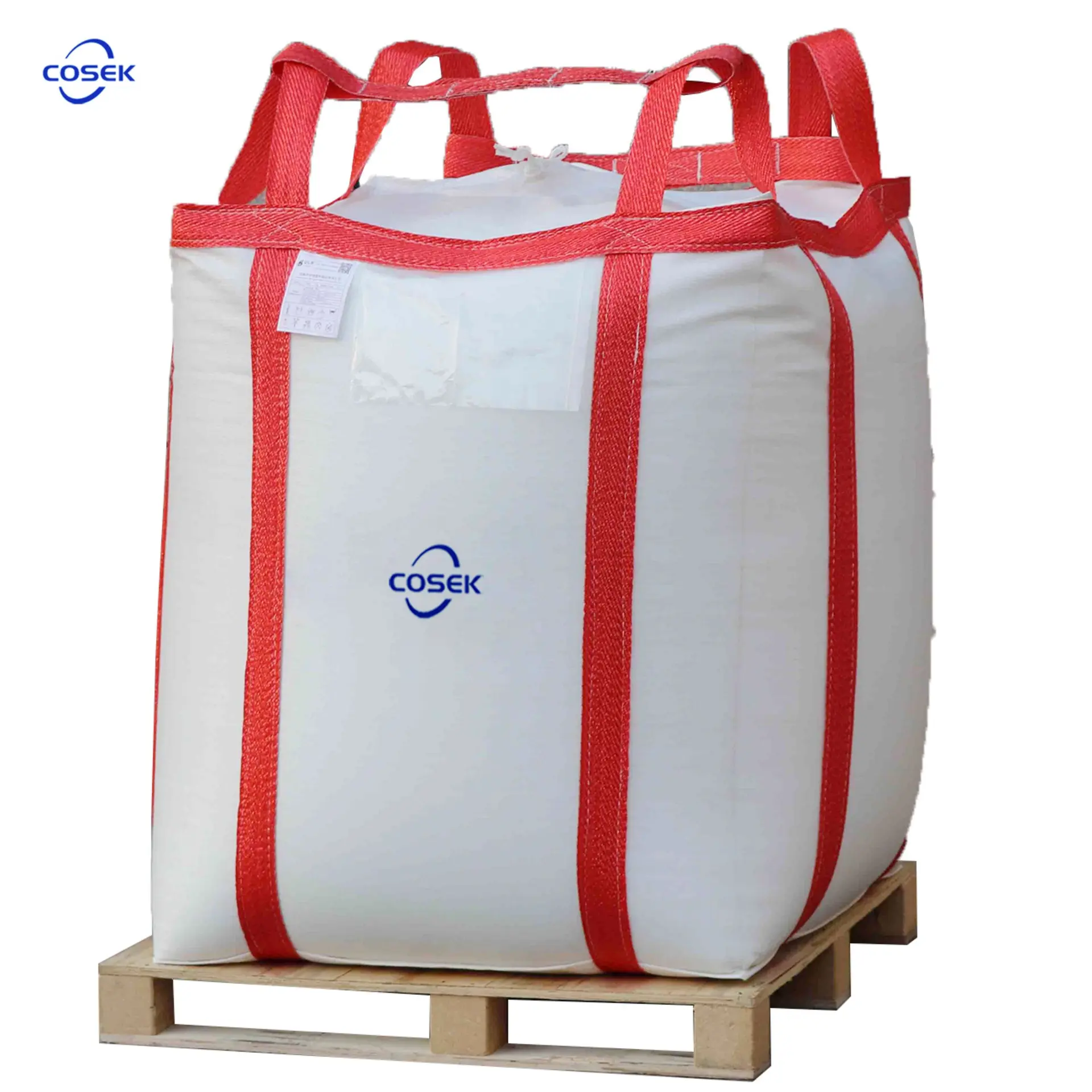
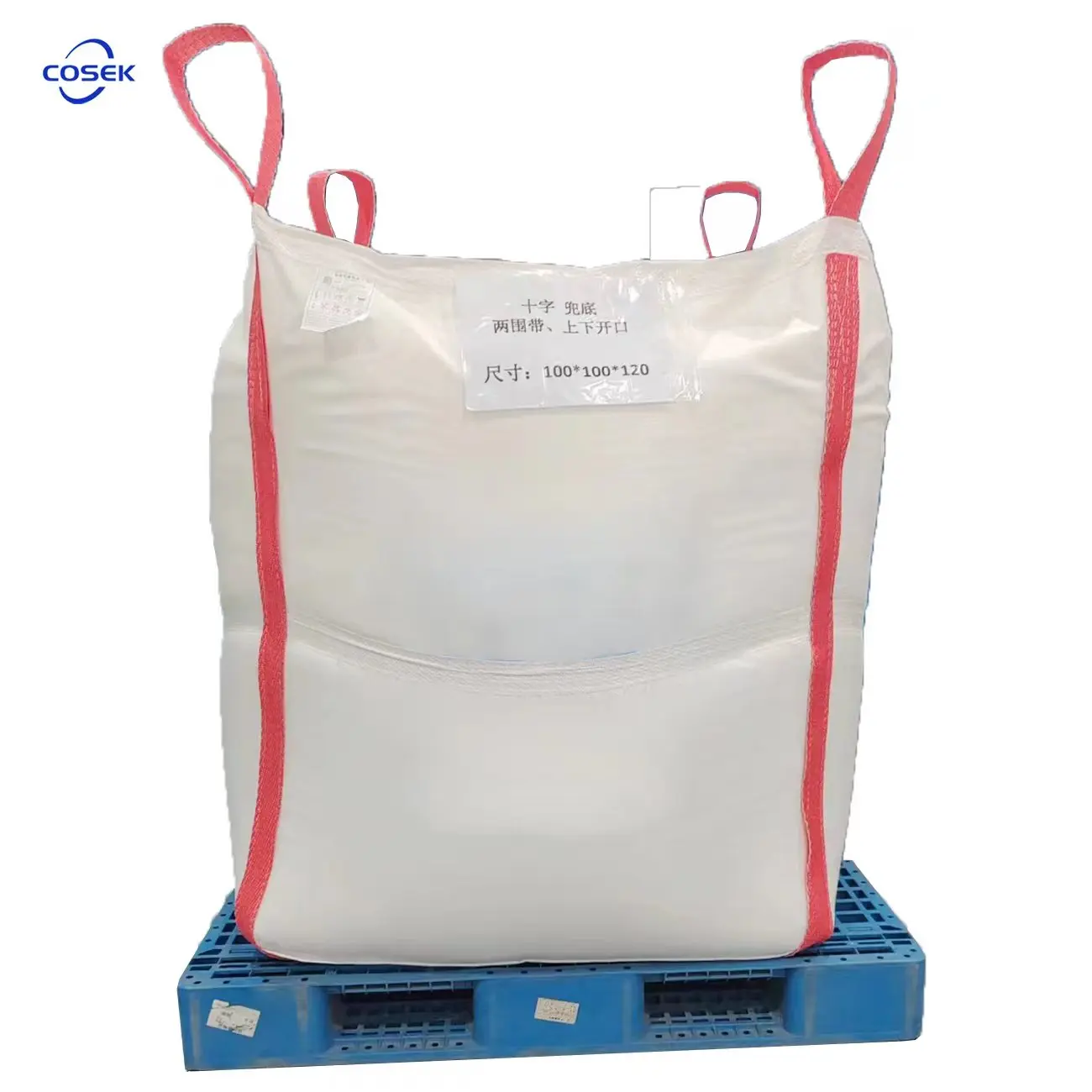
COSEK White and Red Food-Grade Bulk Bag
Purchasing Standards for Safe Bulk Bags Are Upgrading
ISO 21898:2024 provides standardized guidance for materials, structural design, type testing, marking, and safe use of FIBC bags for non-dangerous solid materials. This shows that international market requirements for bulk bags are moving from simple packaging toward standardization, verification, and traceability.
For buyers, safe bulk bag selection usually requires evaluation in the following areas:
- Material safety: Whether the bag uses PP woven material suitable for the target industry, and whether food-grade options are required for food applications
- Structural safety: Whether the lifting straps, bag body, bottom, and stitching can withstand the target loading weight
- Sealing safety: Whether coated fabric, inner liners, leak-proof stitching, or special inlet and outlet structures are required
- Transportation safety: Whether the bag shape is suitable for stacking, forklift handling, lifting, and container transportation
- Identification safety: Whether the bag supports batch numbers, warning text, product names, customer branding, and handling instructions
- Compliance safety: Whether chemicals or special materials require UN certification, static control, or other export requirements
From Price Competition to Safe Supply Chain Competition
FIBC market growth in 2026 is not only about higher packaging demand. It also reflects a structural change caused by upgraded purchasing standards.
The chemical industry needs more reliable leakage control and compliant transportation solutions. The fertilizer industry needs more stable bulk loading and moisture protection. The food supply chain needs cleaner and more traceable packaging systems.
For bulk bag manufacturers and export companies, future competition will no longer be based only on low price. The key question will be whether they can provide safe, stable, and customizable packaging solutions according to different materials, transportation methods, and customer standards.
As global chemical, fertilizer, and food supply chains continue to expand, safe FIBC bulk bags will play a more important role in the bulk packaging market. Products that combine load-bearing strength, sealing performance, hygiene requirements, compliance labeling, and logistics efficiency will be more likely to earn long-term recognition from international buyers.
Related News
Other news you might be interested in
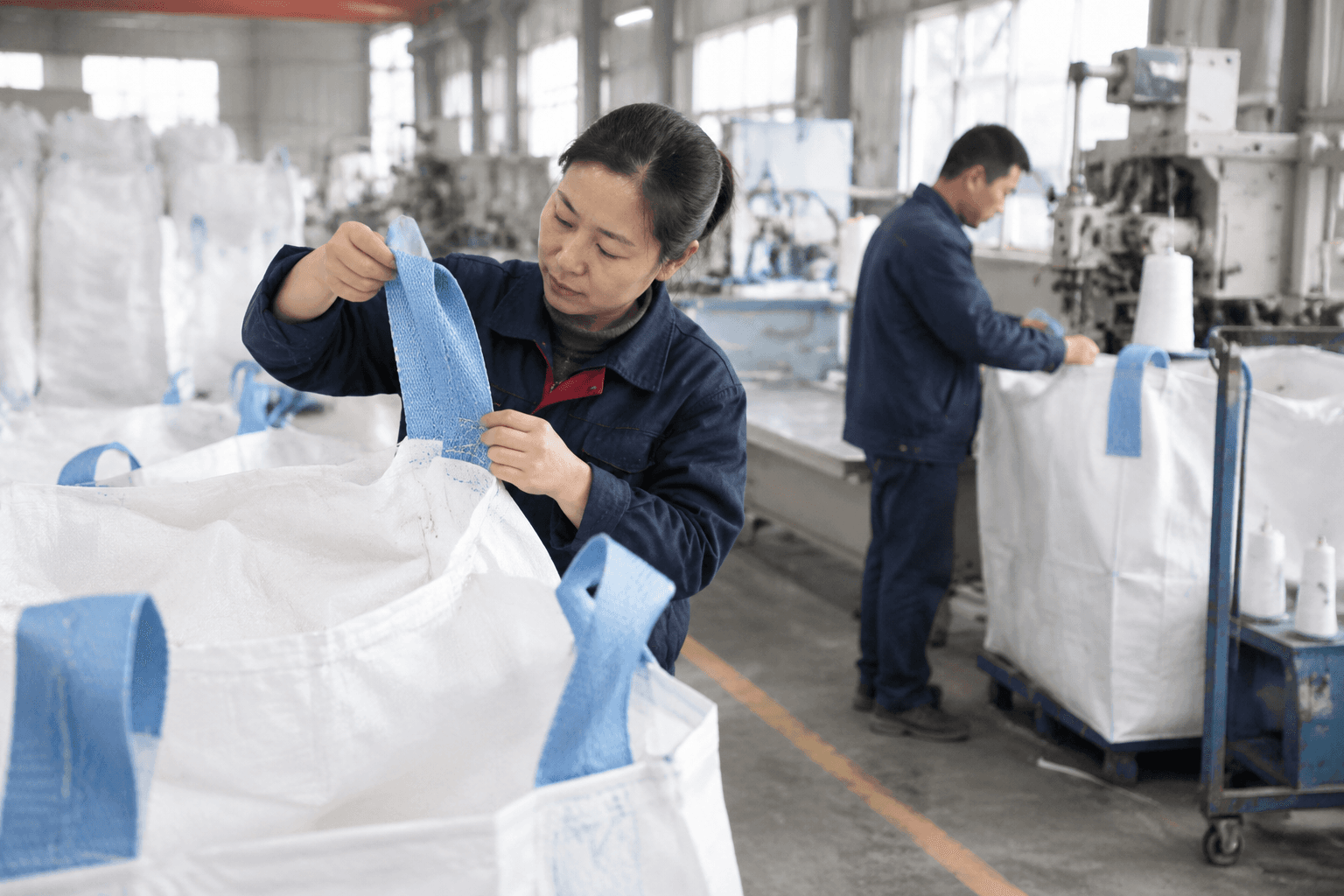
Choosing the Right FIBC Bulk Bag: A Procurement Guide for Safer, More Reliable Packaging
Use this practical FIBC procurement guide to define your application, compare specifications and suppliers, verify compliance, and request a bag configuration that fits your operation.
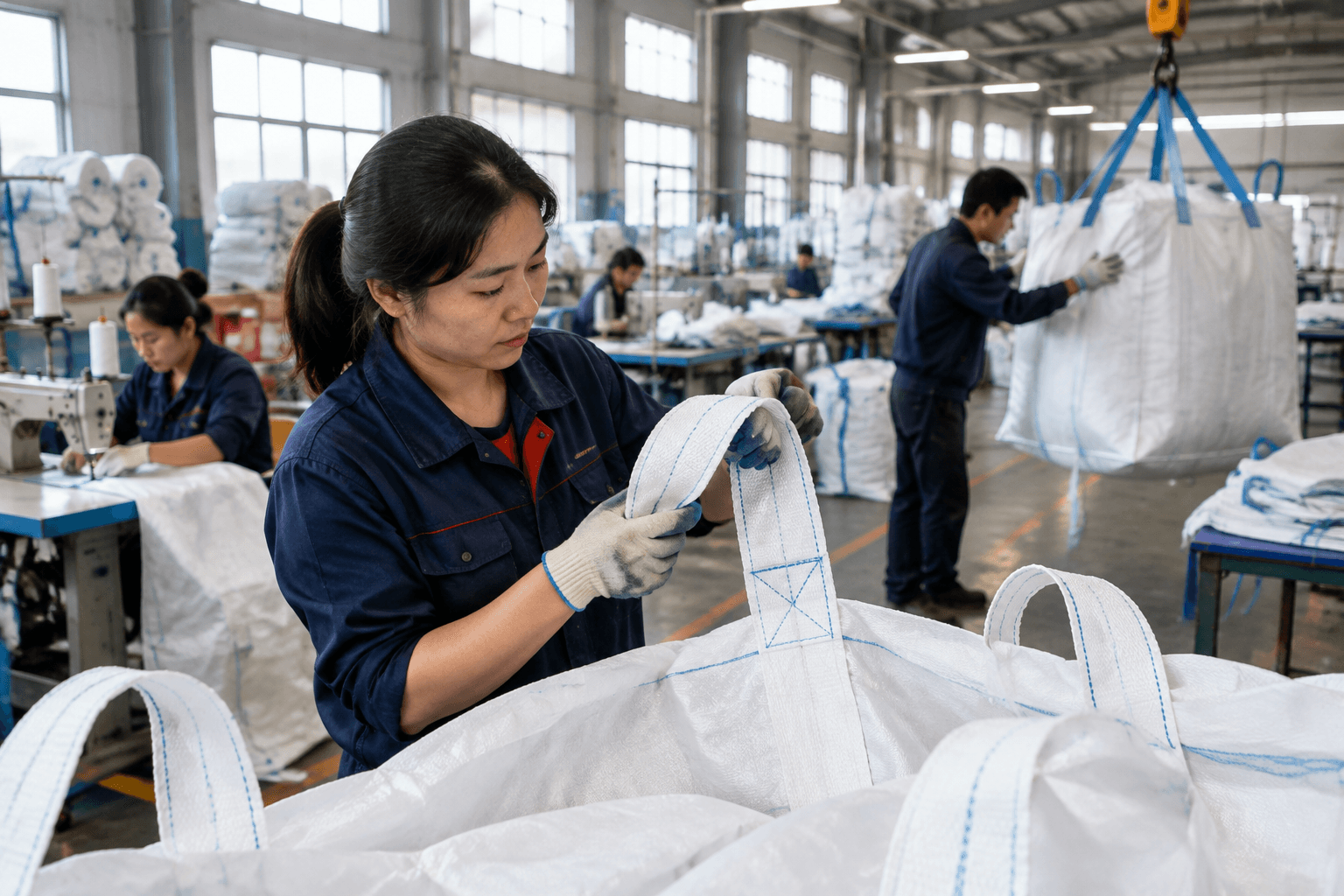
Choosing the Right Bulk Bag Manufacturer for Safer, More Efficient Operations
Learn how to specify bulk bags, evaluate manufacturers, and validate quality and supply reliability to reduce operational risk and support safer, more efficient handling.
Want to know more?
Get in touch with us for more information about our services and products.