Industry News
Latest news, insights and updates from the FIBC and industrial packaging industry
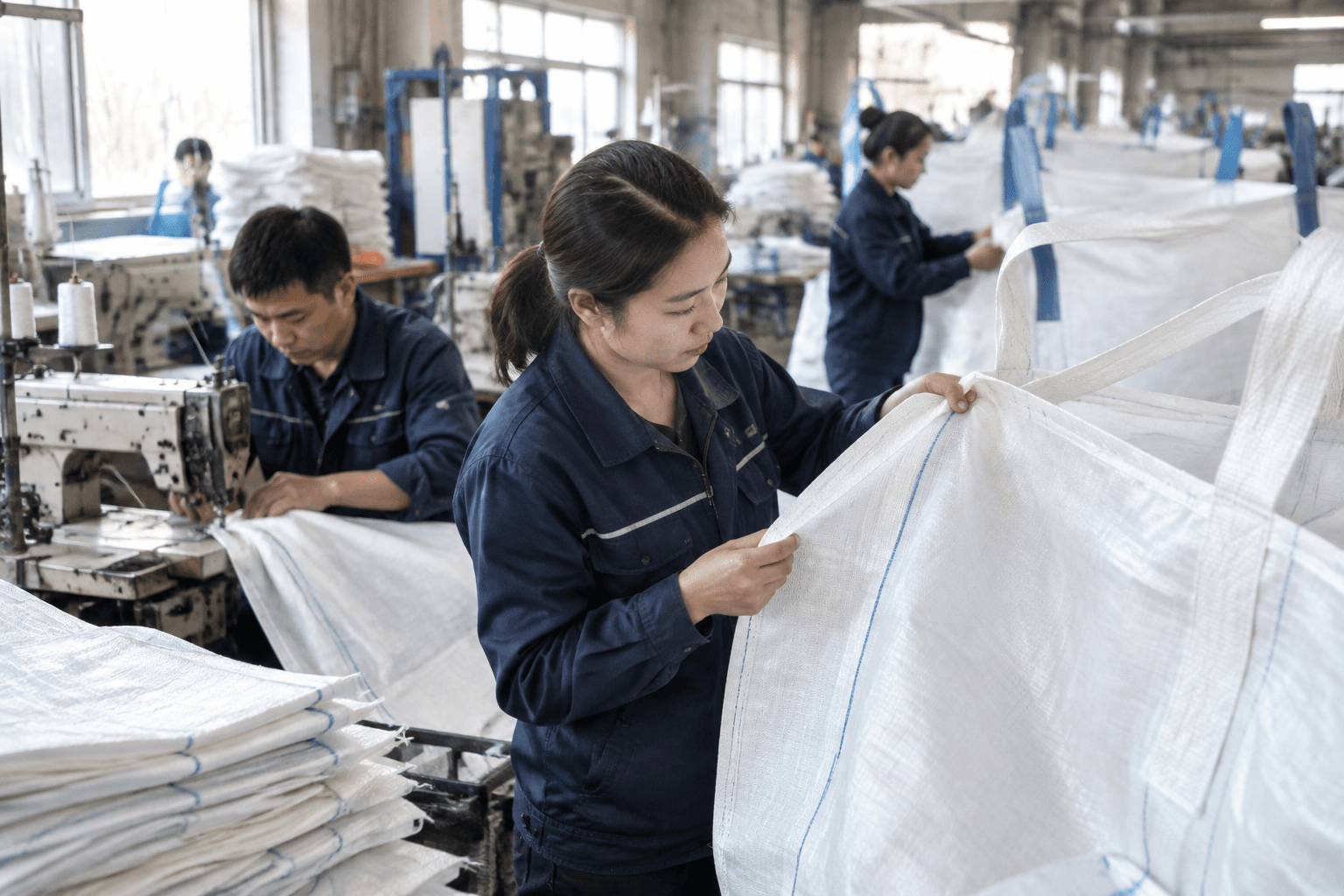
The 140th Canton Fair: New Trends in the Export Market for FIBC Bulk Bags, Jumbo Bags, and PP Woven Packaging
Explore how export buyers can evaluate FIBC bulk bags and PP woven packaging beyond unit price. Get practical guidance on specifications, supplier verification, sustainability requirements, and RFQs—and prepare your next sourcing conversation with COSEK.
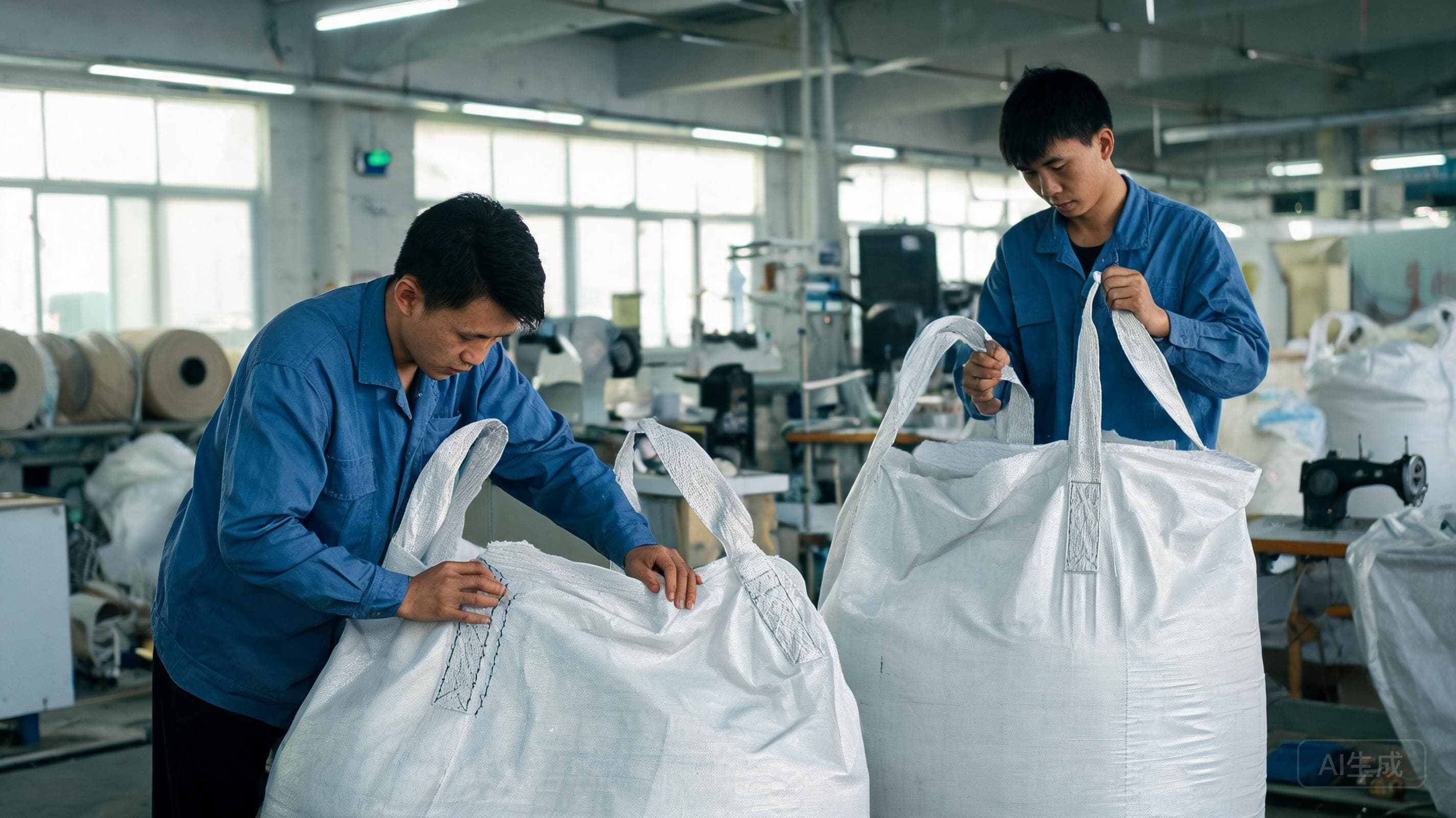
How to Choose the Right FIBC Bulk Bag for Safer, More Efficient Industrial Packaging
Choose an FIBC bulk bag by matching its construction to your product, handling process, compliance needs, and destination. Use technical review, pilot testing, and total-cost analysis to reduce risk.
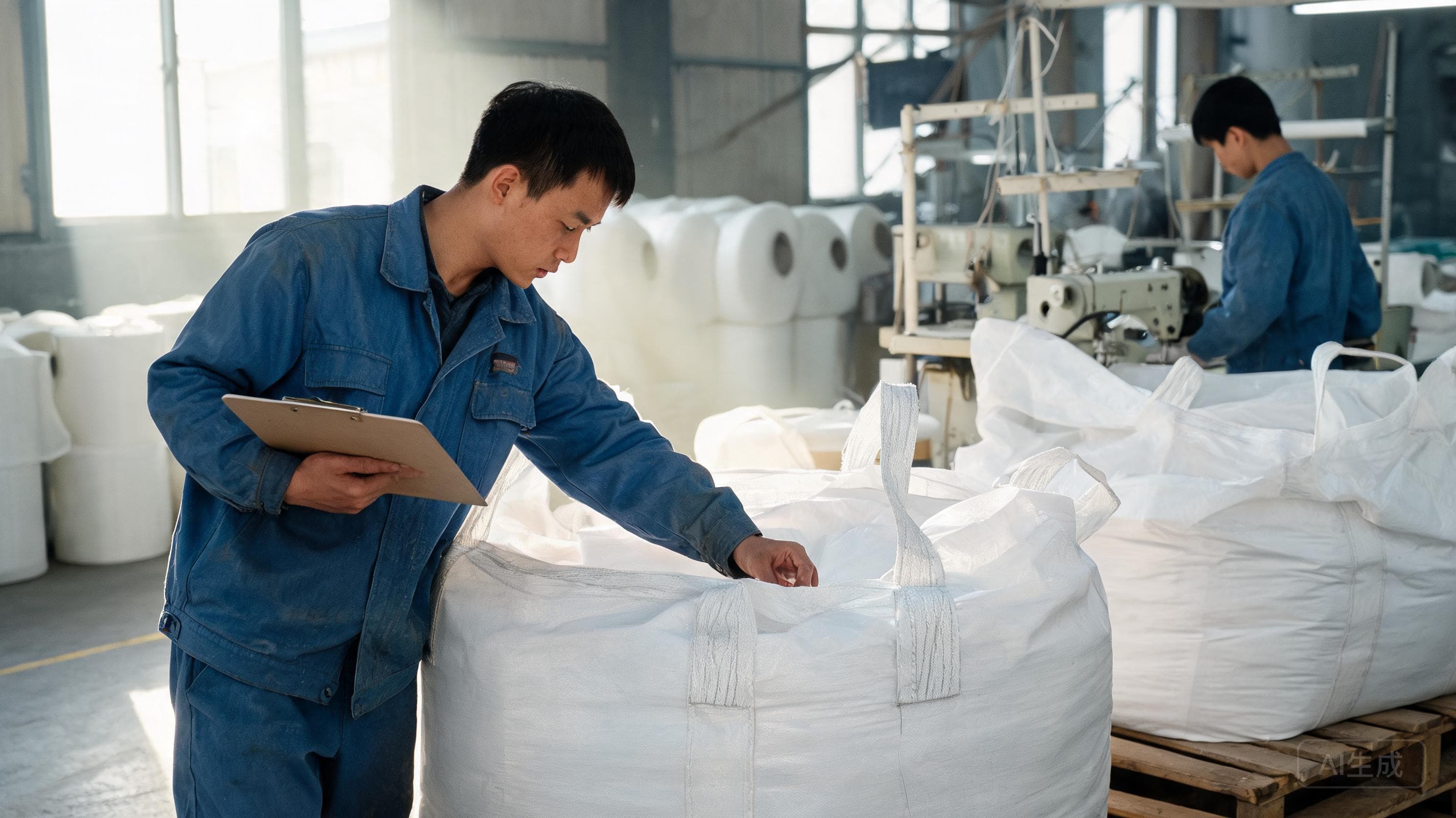
Sustainable Bulk Packaging Strategies for the Modern Manufacturing Era
Discover how high-performance FIBC bulk bags reduce packaging waste, prevent product loss, and improve sustainability metrics. Learn key features, real-world results, and a step-by-step implementation roadmap to optimize your bulk packaging strategy.
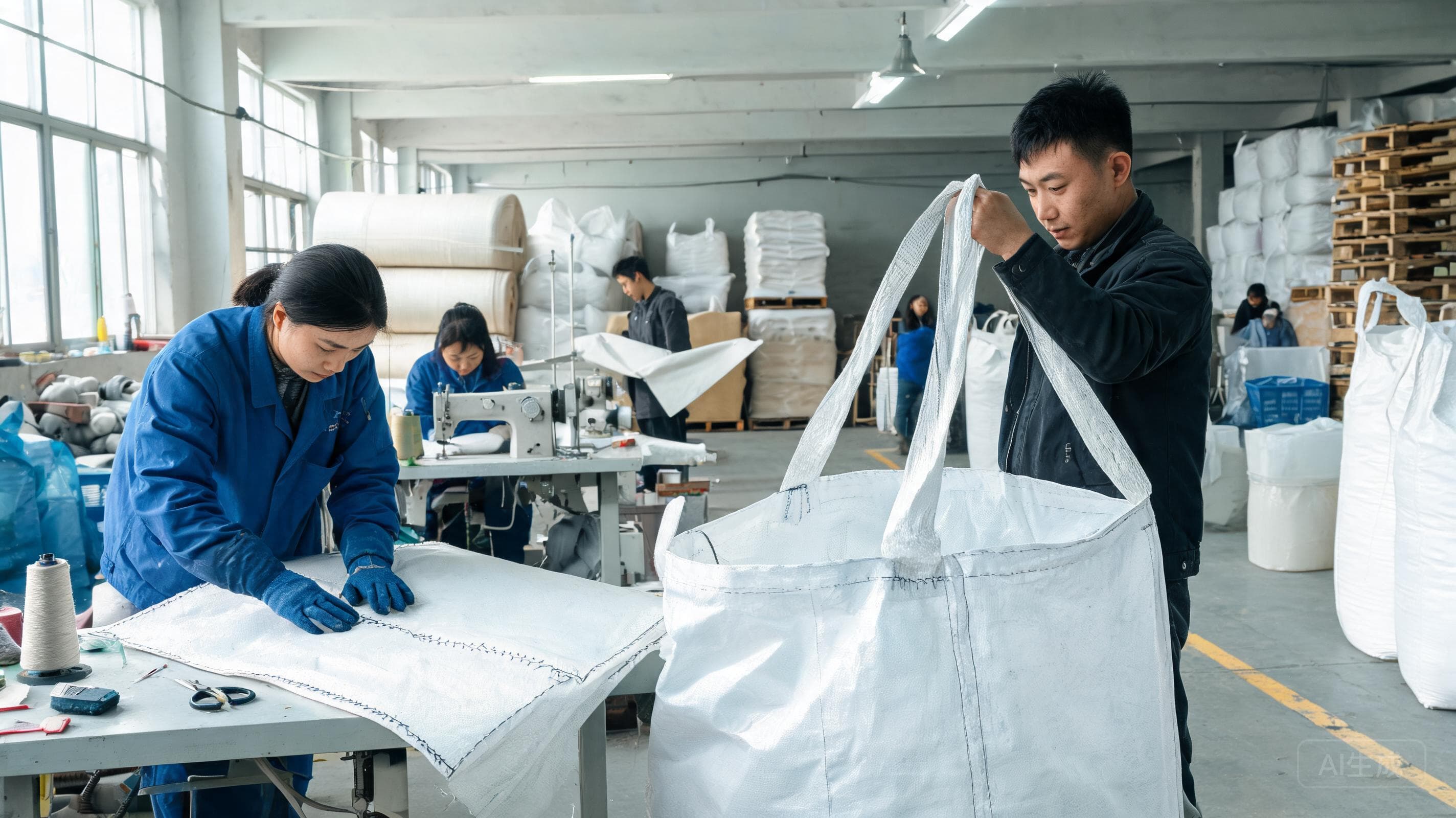
How to Select High-Performance FIBC Bags for Safer, More Sustainable Bulk Material Handling
Compare FIBC construction, safety, liners, discharge systems, quality controls, and supplier capability to reduce risk, protect products, improve efficiency, and control total cost.
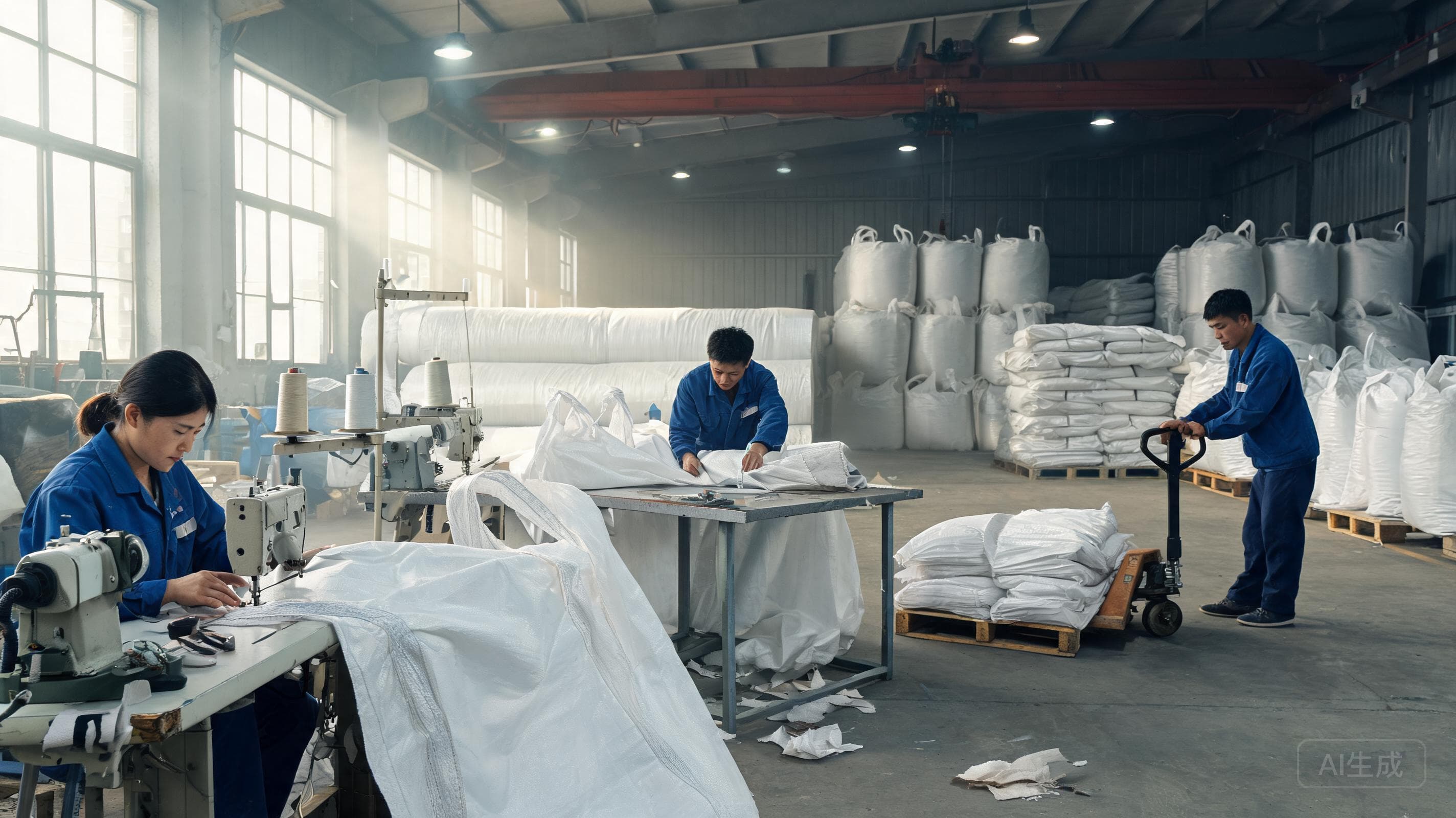
Sustainable Bulk Bag Solutions: Driving ESG Compliance, Cost Reduction, and Supply Chain Efficiency for Industrial Enterprises
See how COSEK bulk bags help industrial enterprises reduce packaging and logistics costs, support ESG reporting, protect product integrity, and improve supply chain efficiency with fit-for-purpose designs.
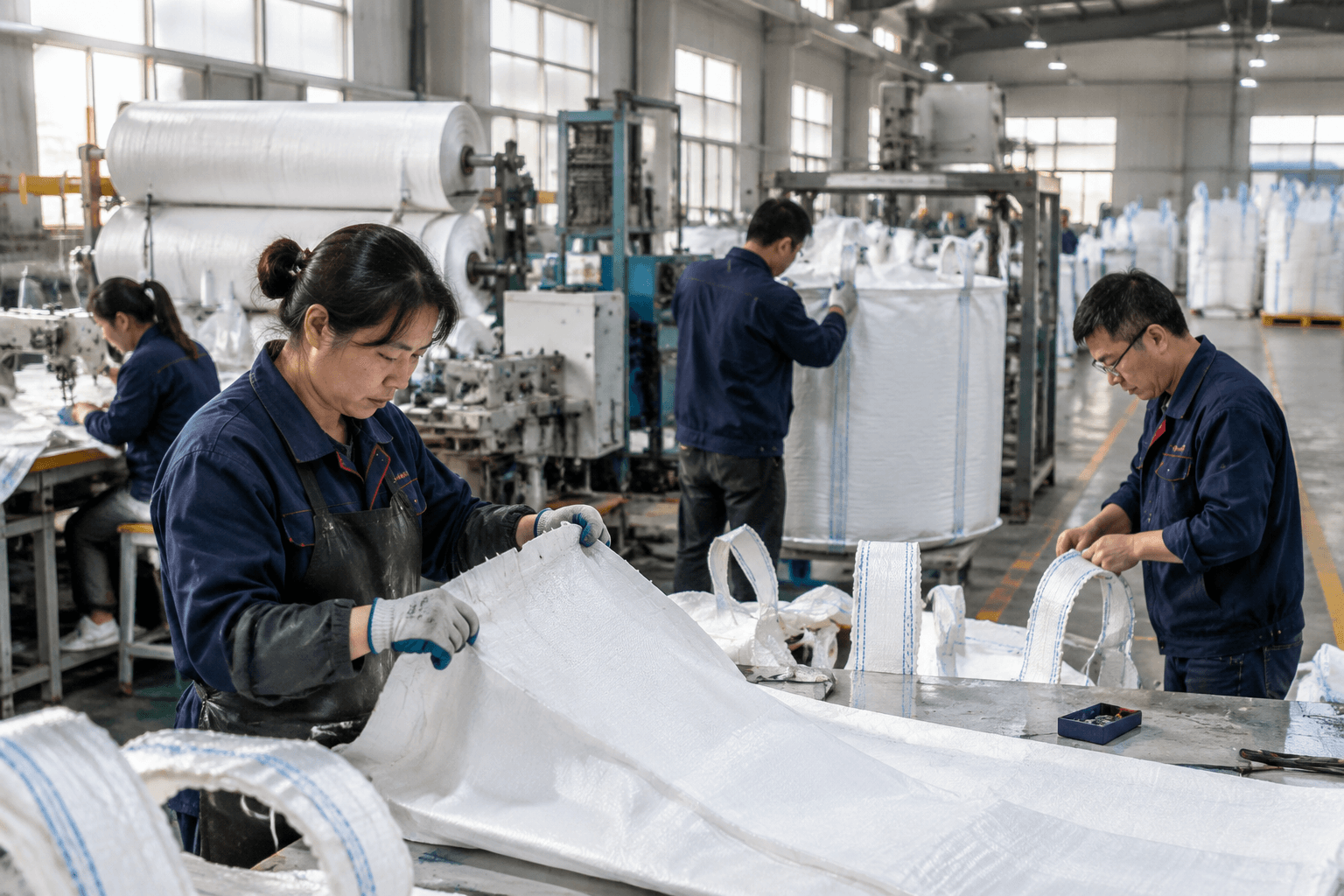
Choosing the Right FIBC Bulk Bag Manufacturing Partner for Reliable, Efficient Packaging Operations
Evaluate FIBC suppliers by application fit, quality control, automation compatibility, traceability, and total cost to improve containment, throughput, compliance, and supply reliability.
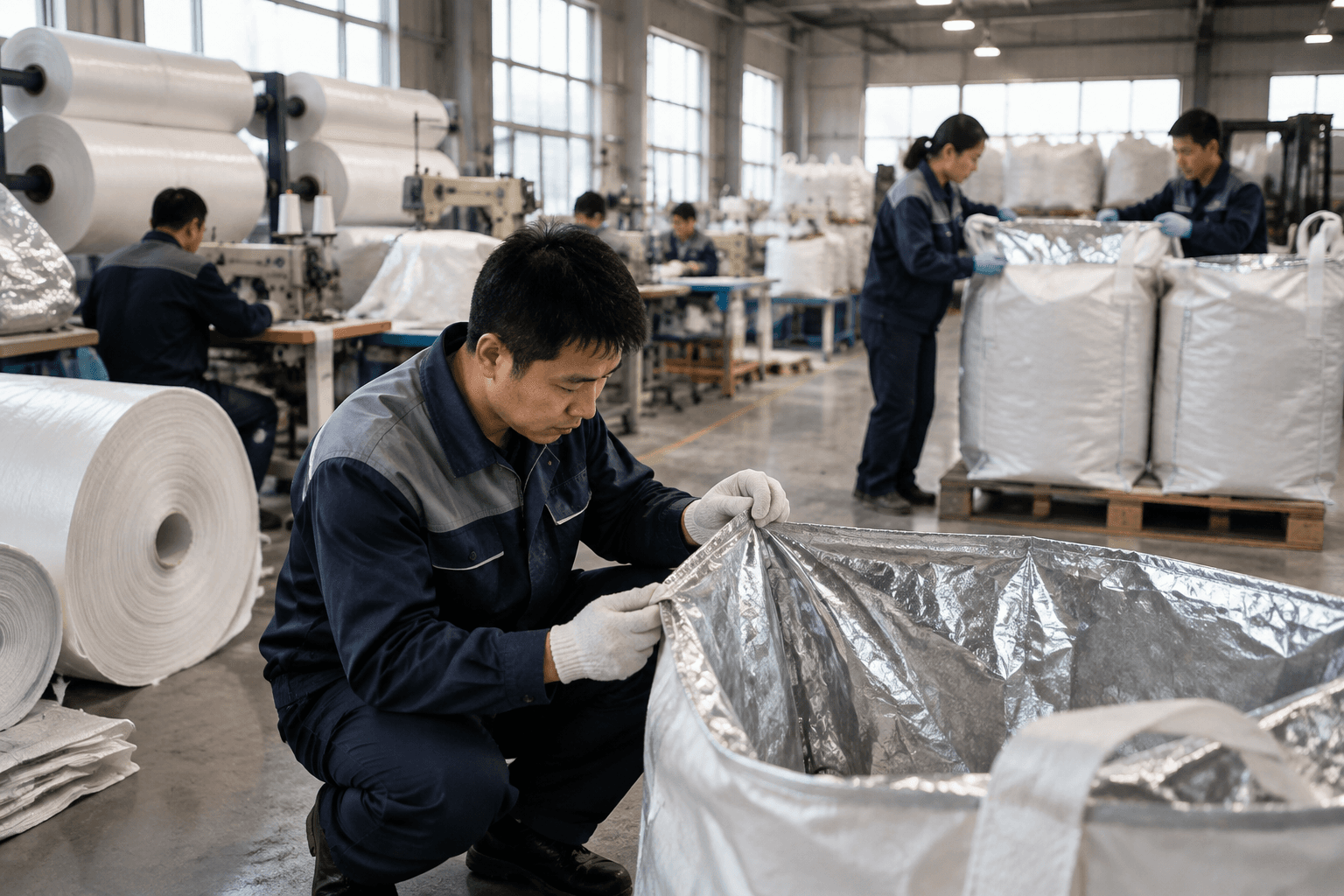
Engineered Ton Bags for Zero-Defect Packaging: Conductive, Formed Liner, and Aluminum Foil Solutions
Discover how conductive ton bags, formed liner bags, and aluminum foil bags eliminate static risk, liner failures, and moisture damage. Request a free packaging assessment and ROI projection.
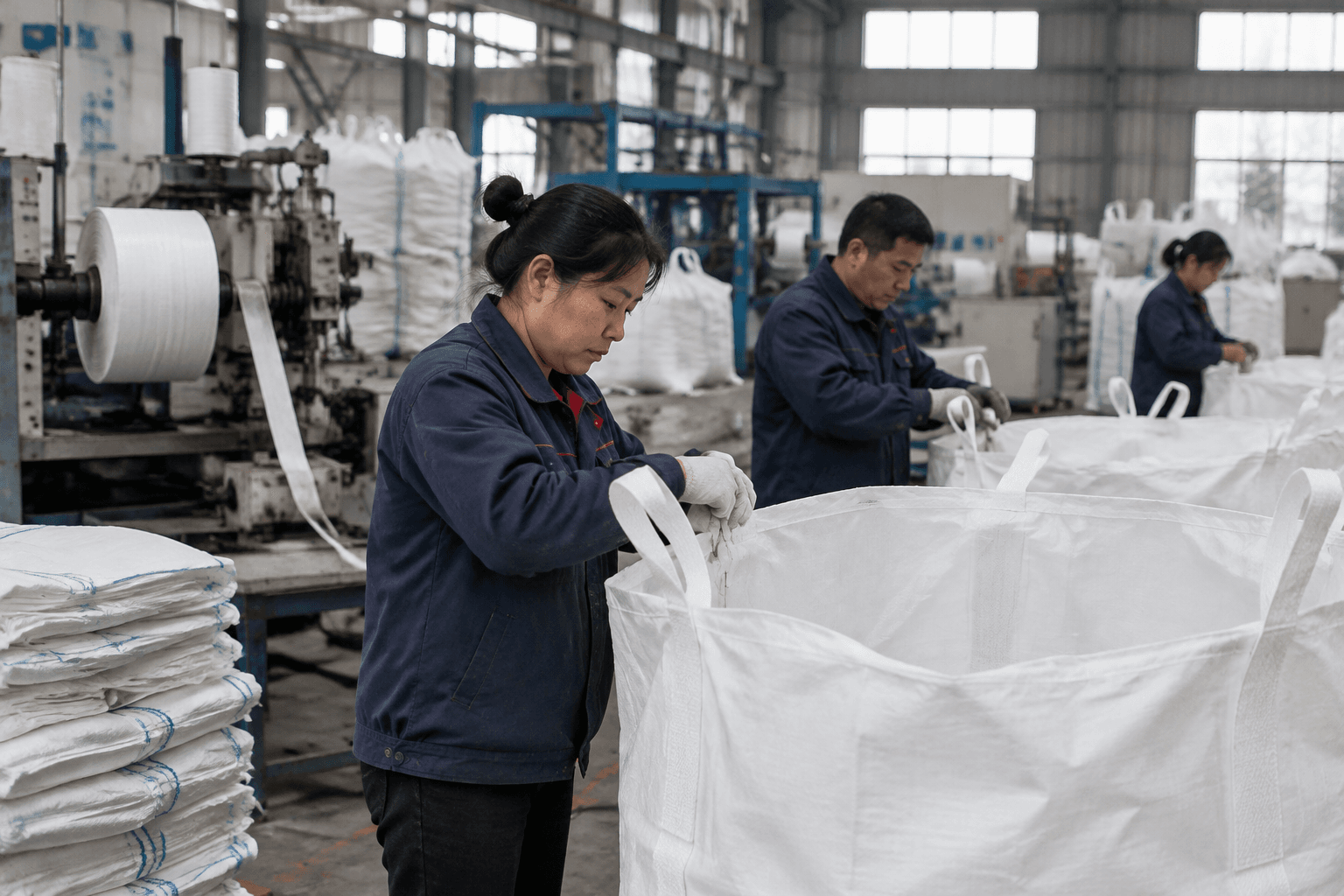
How Super Sacks Differ From Bulk Bags, FIBC Bags and Others
Super sacks, bulk bags, and FIBC bags are not interchangeable. Learn the key differences, how engineered bulk bags reduce waste and speed filling, and how to get a free sample kit and quote.
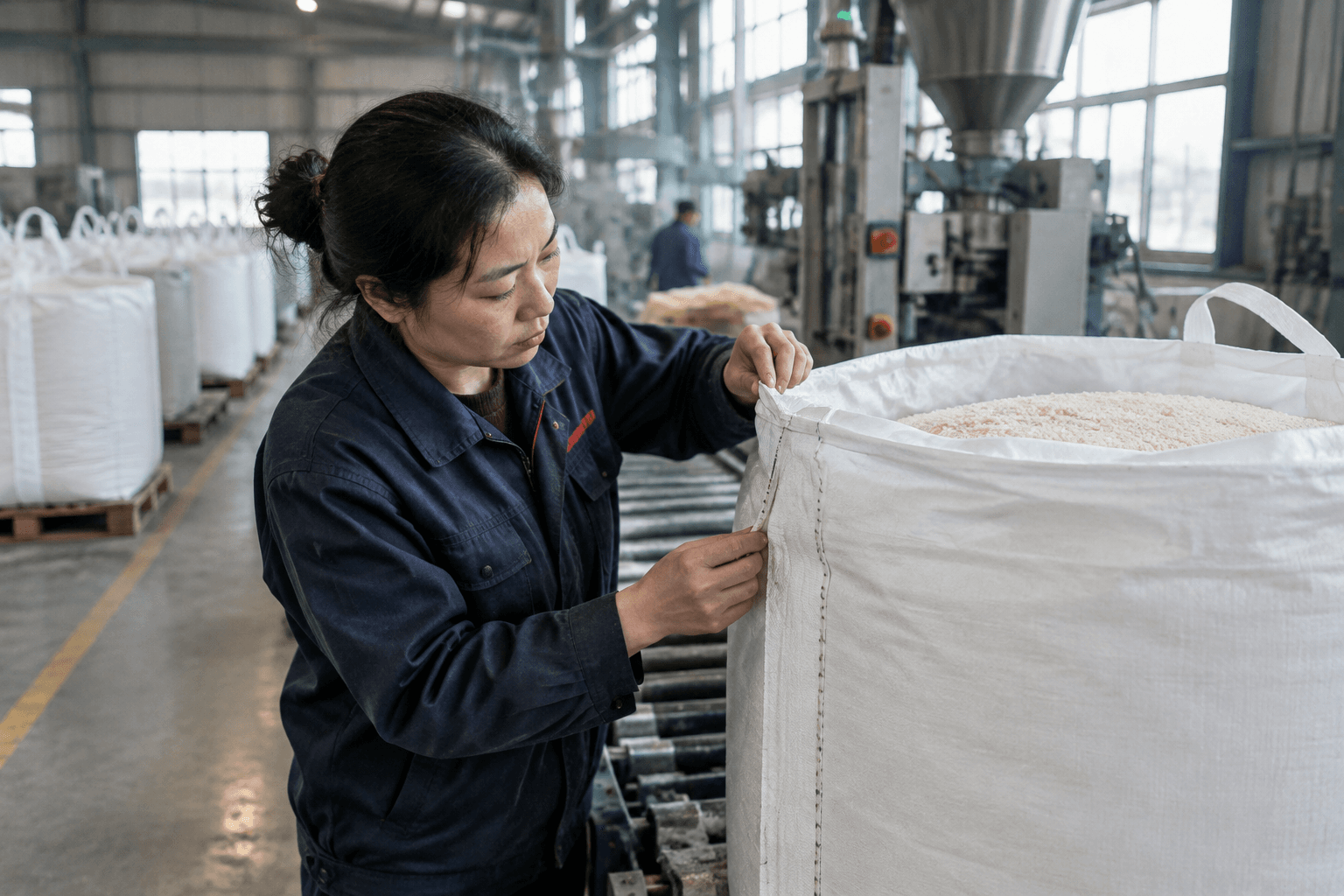
How COSEK White Cylindrical Leak-Proof Bulk Bags Cut Downtime and Drive ROI in High-Volume Manufacturing
Discover how COSEK's white cylindrical leak-proof bulk bags eliminate downtime, product loss, and compliance risks in high-volume manufacturing. Get the spec, sample, or line trial to improve OEE and ROI.
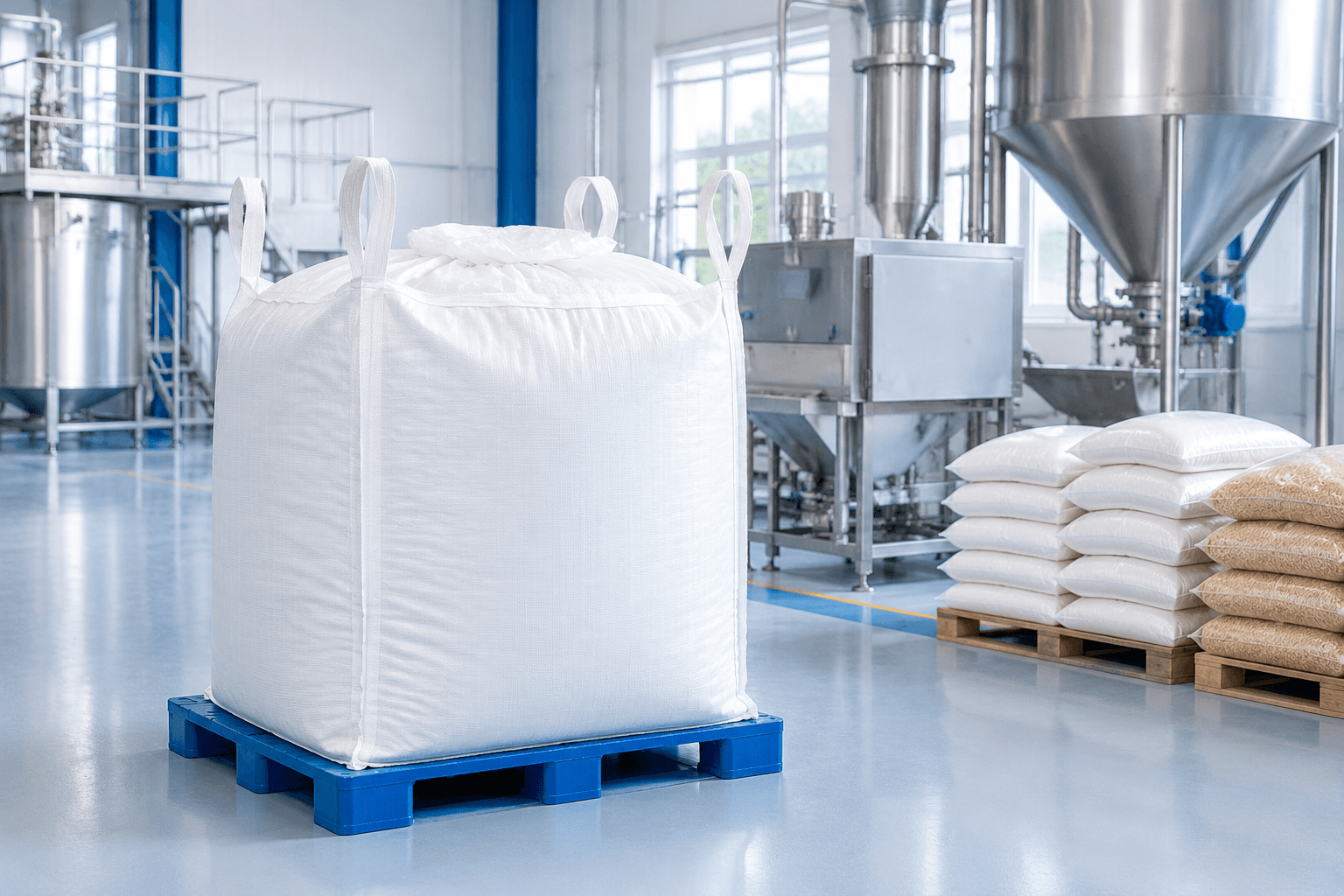
Understanding Food-Grade Bulk Bags: Safety Standards and Requirements
When you buy food in bulk, packaging is more than just a container; it affects the safety and quality of the food directly. In markets like the United States, where food safety regulations are strict, packaging plays an even more critical role. Grains, sugar, flour, and other food ingredients need to be kept safe from moisture, contamination, and exposure to the environment while they are being stored and moved. Food-grade bulk bags, also called FIBC bags, come in handy here.These bags are made for businesses where safety and cleanliness are very important. They help keep the product’s integrity while also making it easier to handle large amounts of it.In this article, we’ll explain what food-grade bulk bags are, why safety standards are important, and how to pick the best one for your needs.
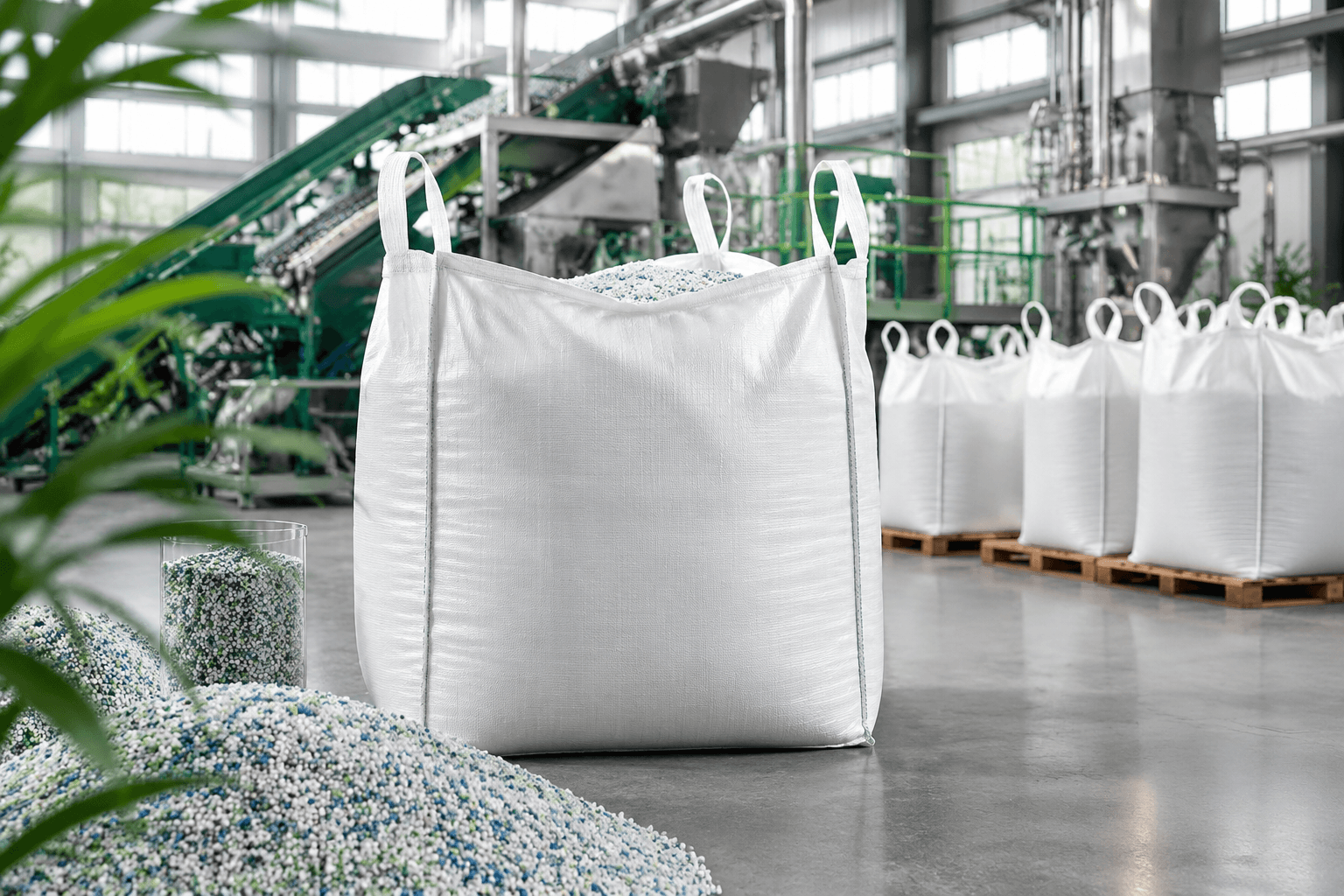
2026 FIBC Bulk Packaging Market: Trends, Growth Drivers, Sustainability and the Future of Flexible Intermediate Bulk Containers
FIBC bags continue to play an important role in global supply chain management, helping businesses store, handle, and transport bulk materials efficiently across industries. Bulk packaging solutions are very important for industries dealing with large quantities of materials. They are efficient, durable, and easy to store and transport.FIBC bags are used by companies to improve handling efficiency and safely transport products in industries including agriculture, food processing, chemicals, construction, and mining. As industries expand and supply chains grow more complex, the need for reliable bulk packaging is strong.At the same time, buyer expectations are changing. Companies are now putting more emphasis on quality, sustainability, safety, and supply chain resilience. These factors are shaping the future of the FIBC market and driving manufacturers to come up with packaging solutions that meet the evolving demands of the industry.
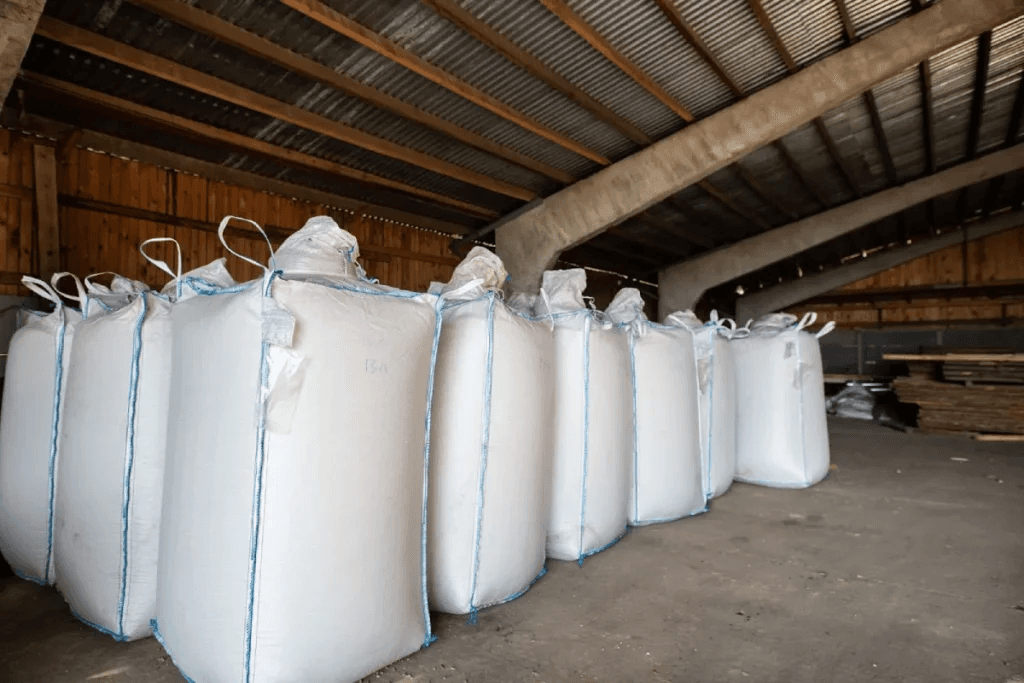
Why U-Panel FIBC Bags Are the Best Choice for Simplifying Bulk Material Handling
In industries such as chemicals, minerals, agriculture, construction materials, and food ingredients, companies need to fill, handle, store, and transport powders, granules, and bulk solids safely and efficiently. Compared with small-package formats, FIBC bulk bags can reduce packaging steps, improve loading and unloading efficiency, and help buyers control warehousing and logistics costs.For buyers who need a balance of load stability, stacking efficiency, and customization flexibility, U-Panel FIBC bags are a practical bulk bag construction. They can be used for standard bulk packaging and tailored with bag structure, inner liners, and filling or discharge designs for different materials.