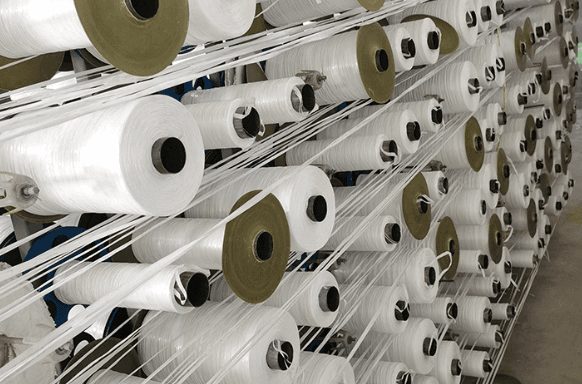
Chemical Powder Packaging Safety Upgrade: Demand for Anti-Static and Conductive FIBC Bulk Bags Continues to Rise
RUNCHEN
AuthorWith more than 25 years of experience in FIBC bulk bag manufacturing and sales, RUNCHEN operates its own production facility with stable batch capacity. We specialize in FIBC bulk bags, jumbo bags, ton bags, and customized industrial packaging solutions.
Static Control Becomes an Important Indicator for Chemical Powder Packaging
In chemical powder packaging, static electricity may occur at multiple stages. For example, during high-speed filling, powder may rub against the inner wall of the bag; during discharge, the material comes into contact with the outlet; and during forklift handling or lifting, the bag body may rub against equipment. All of these processes can lead to static accumulation.
For ordinary materials, static electricity may only affect handling convenience. But for certain chemical powders, plastic resins, coating powders, carbon black, rubber additives, electronic chemicals, and new energy materials, static control is directly related to packaging, warehousing, and handling safety.
Therefore, more buyers are no longer only focusing on load capacity, size, lifting loop structure, and price when choosing FIBC bulk bags. They also need to confirm whether the bulk bag has anti-static performance, whether it is suitable for the target material, whether grounding is required, and whether it matches the safety management requirements of the actual production environment.
For industrial powders, electronic chemicals, and sensitive materials that require static protection, COSEK Blue Anti-Static Bulk Bag with Built-In Ventilation Windows, Explosion-Proof FIBC Available for Use. This product is designed with anti-static performance to help reduce the risk of static accumulation. It also features a built-in breathable window, making it easier to observe the material inside the bag. It is suitable for applications that require higher safety standards, visual management, and industrial packaging reliability.
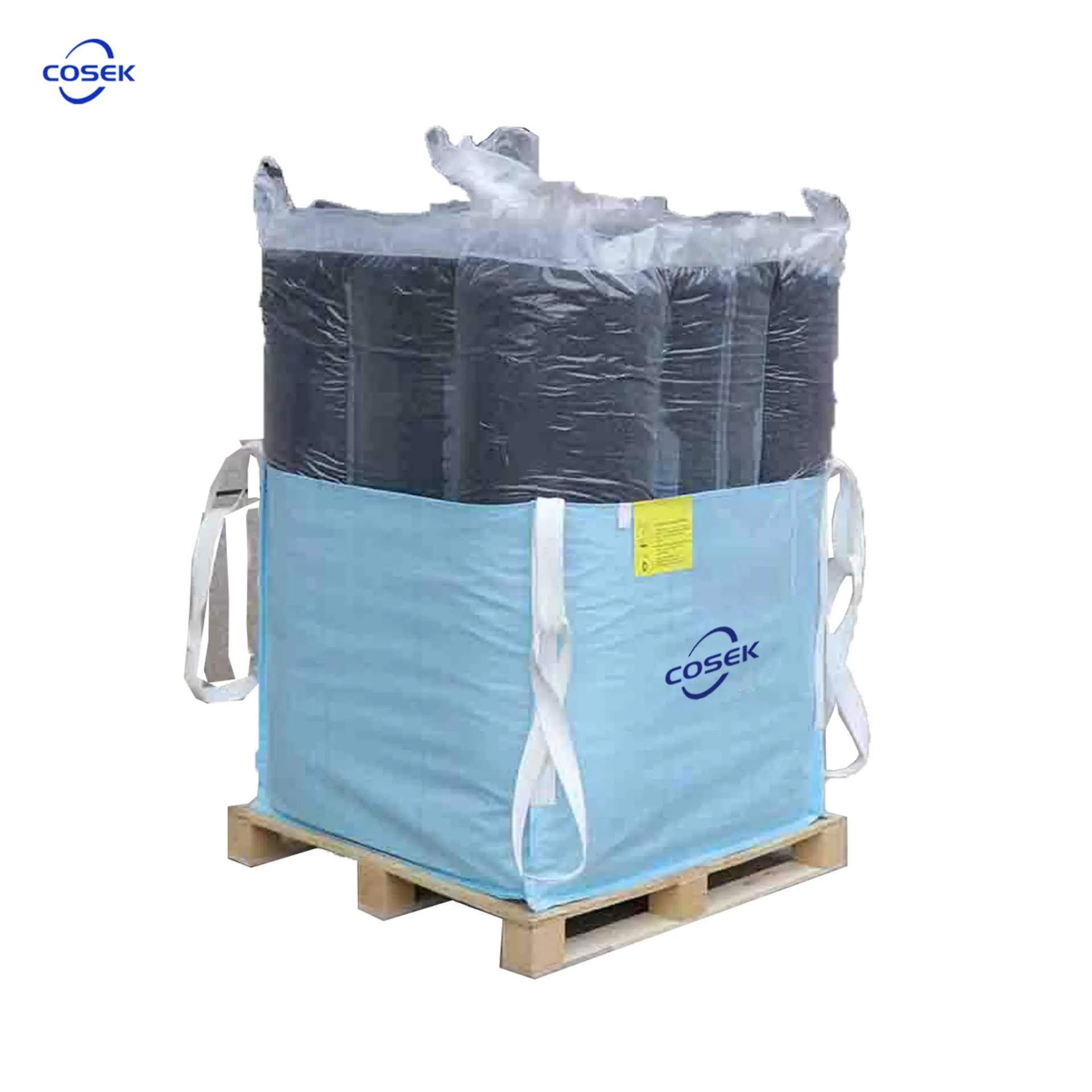
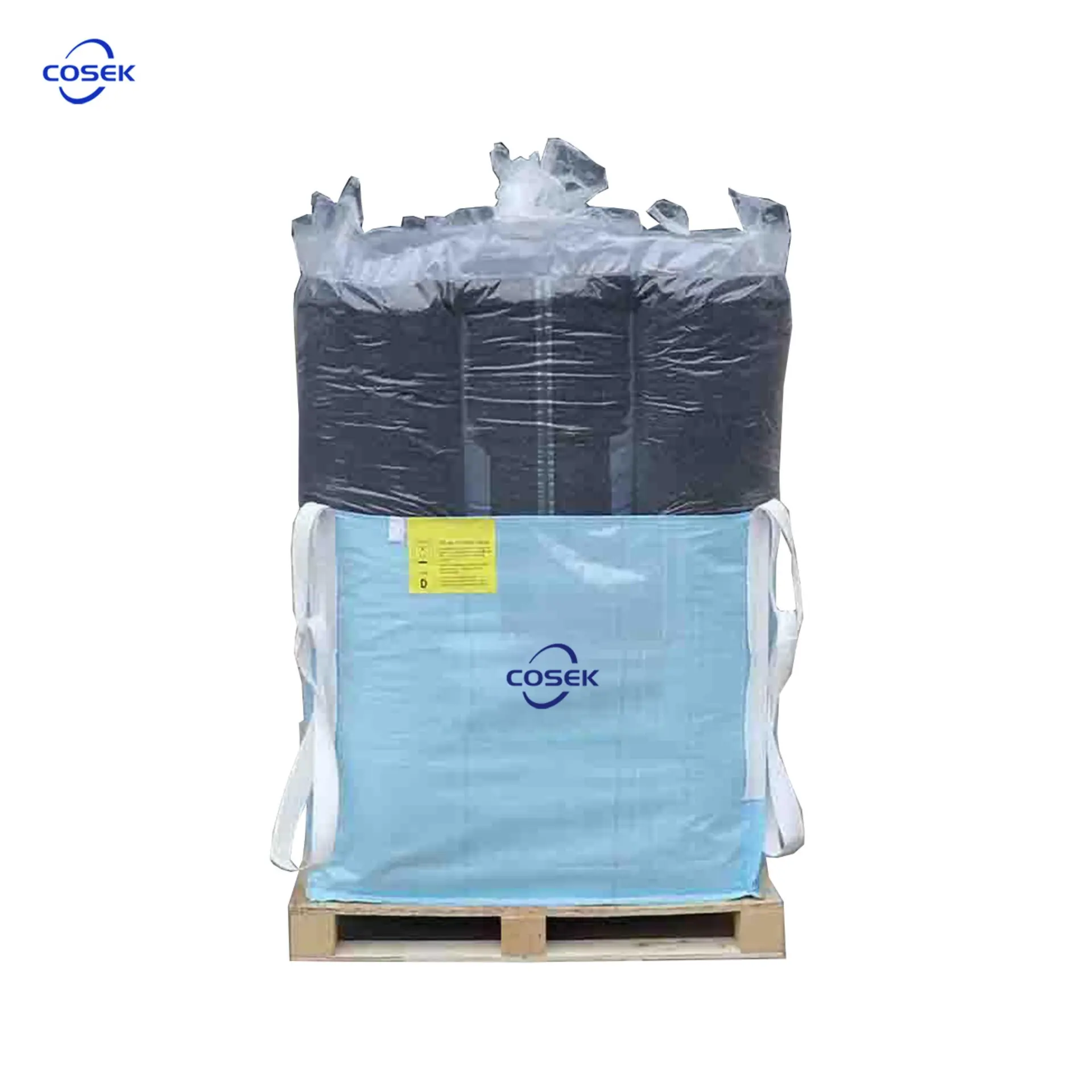
COSEK Blue Anti-static Bulk Bag
Chemical Powder Packaging Is Moving from General Use to Customization
In the past, many companies mainly considered loading weight and purchase cost when buying bulk bags. However, with higher requirements for export transportation, warehouse management, and production safety, demand in the chemical industry has become increasingly segmented.
Different materials require different packaging solutions. Highly flowable powders need better leakage prevention and sealing design. Moisture-sensitive materials may require liners or laminated fabric. Production lines with automatic discharge systems need suitable filling and discharge spouts according to the equipment. Powders with static risks should use anti-static or conductive FIBC bulk bags.
This means chemical powder packaging is shifting from standard general-purpose packaging to customized packaging that pays more attention to material characteristics and usage scenarios. For export companies, the right bulk bag can reduce handling loss and strengthen customer confidence in supply chain management.
Bag Shape Stability Affects Warehousing and Export Transportation Efficiency
In addition to static control, bag structure stability is also an important factor in chemical powder packaging. After filling, ordinary bulk bags may bulge, deform, or become unstable when stacked. For large-scale warehousing and container transportation, this can reduce space utilization and increase handling risks.
This is especially important in export container loading. A more stable bag shape can improve loading quantity, stacking safety, and transportation efficiency. If the bag shape is unstable after filling, it may waste container space or become deformed during long-distance transportation.
For this type of requirement,Inner Reinforced FIBC products are available for selection. Its internal baffle structure helps the bag maintain a more regular square shape after filling, reduces side bulging, and improves stacking stability and container space utilization. It is suitable for chemical, plastic, mineral, construction material, and other bulk powder or granular material transportation.
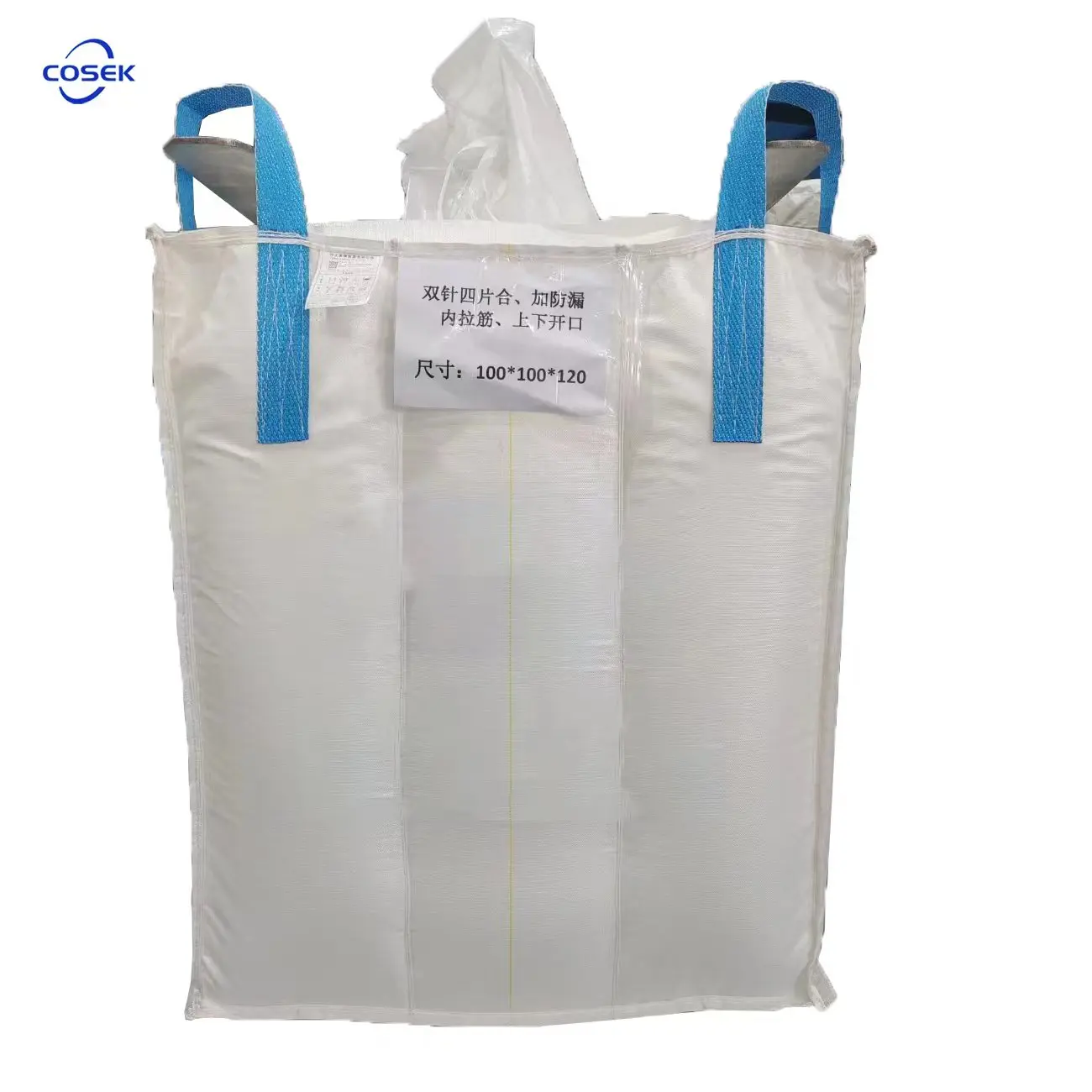
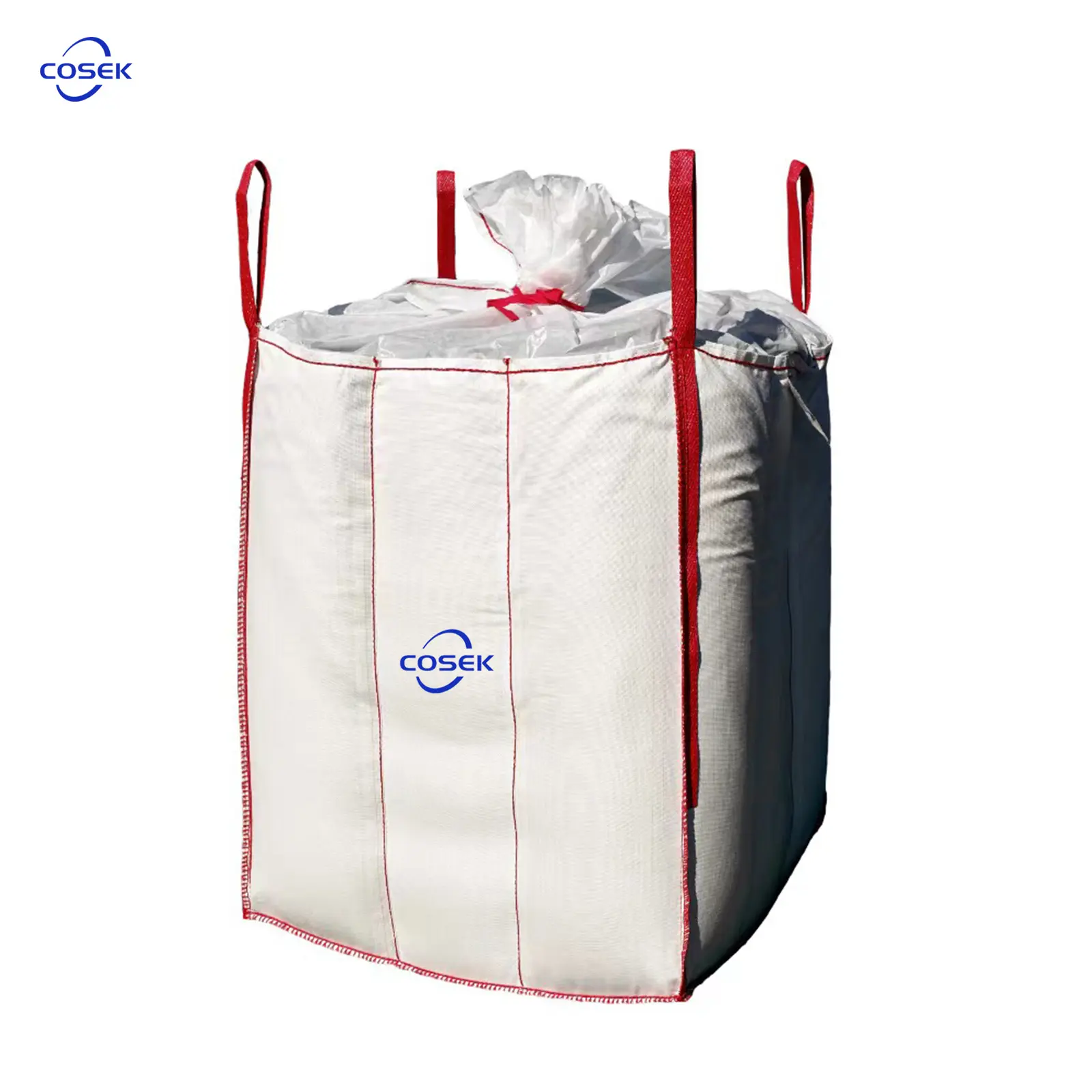
Internal Reinforcement Ton Bag
Export Buyers Pay More Attention to Packaging Safety and Supply Chain Efficiency
From the perspective of market demand, the upgrade of chemical powder packaging is closely related to the global supply chain’s higher requirements for safety, efficiency, and stable delivery. When evaluating suppliers, overseas buyers not only focus on product quality, but also pay increasing attention to whether the packaging is suitable for long-distance transportation, easy to discharge, able to reduce cargo loss, and compatible with warehouse and handling requirements in the destination market.
For chemical raw material exporters, choosing the right FIBC bulk bag can help reduce packaging damage, powder leakage, inconvenient handling, and warehouse space waste. Especially when customers have clear packaging requirements, providing anti-static, lined, leak-proof, conductive, or reinforced bulk bag solutions in advance can improve order communication efficiency and build stronger customer trust.
Future Demand for Anti-Static and Reinforced Bulk Bags Will Continue to Grow
As export demand increases for chemical powders, new energy materials, plastic resins, coating powders, and fine chemical products, FIBC bulk bag applications will continue to develop from basic loading functions toward higher safety, better stability, and greater customization.
Anti-static and conductive bulk bags can help companies manage static risks, while internal reinforcement structures can improve bag shape stability and container loading efficiency. For chemical industry customers, these packaging products are not only transportation containers, but also important tools for improving supply chain safety, warehousing efficiency, and overall cost control.
In the future, bulk bag suppliers that can provide customized solutions based on material characteristics, filling methods, discharge requirements, transportation environments, and export market standards will become more competitive in the chemical powder packaging market.
Related News
Other news you might be interested in
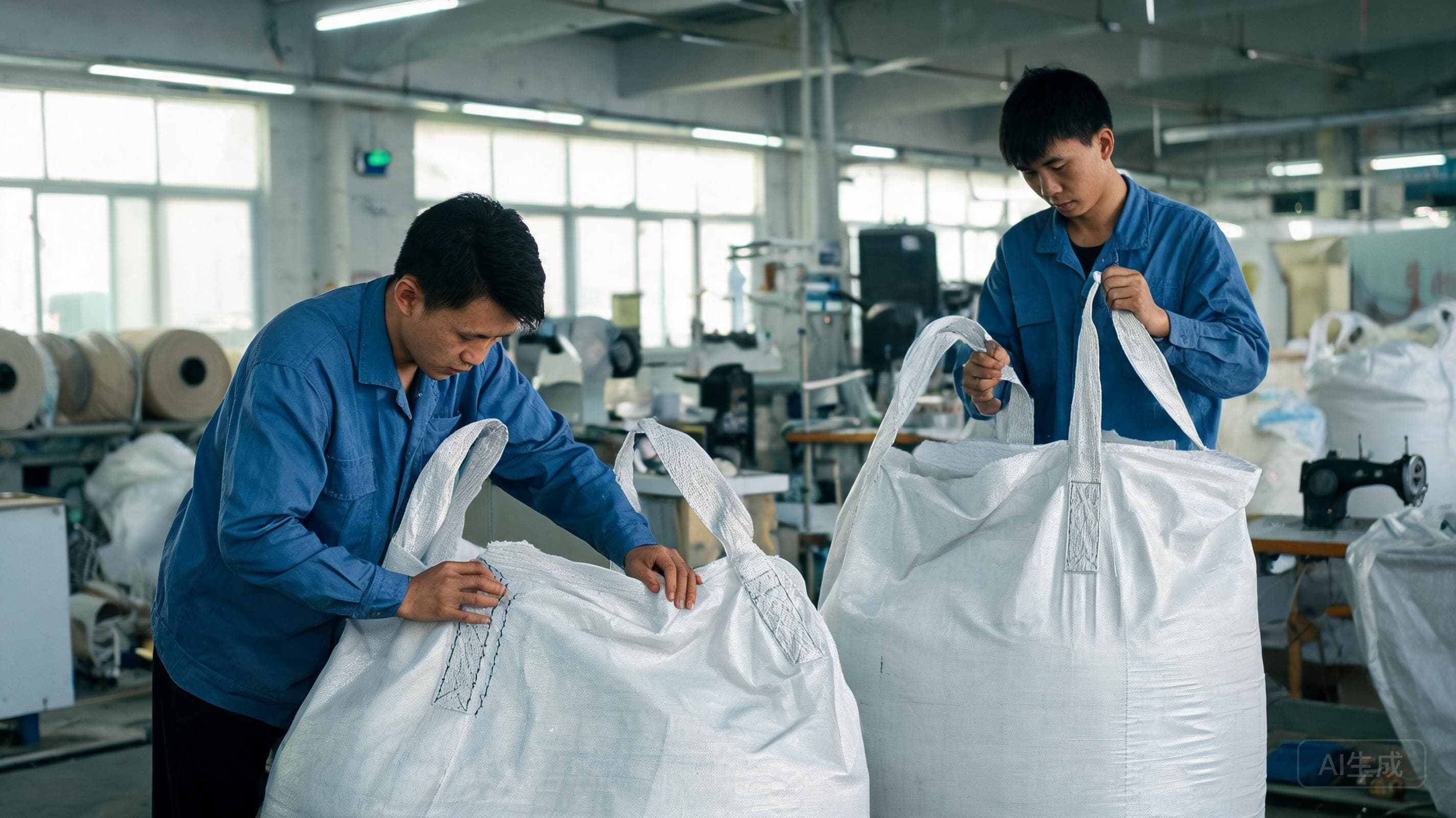
How to Choose the Right FIBC Bulk Bag for Safer, More Efficient Industrial Packaging
Choose an FIBC bulk bag by matching its construction to your product, handling process, compliance needs, and destination. Use technical review, pilot testing, and total-cost analysis to reduce risk.
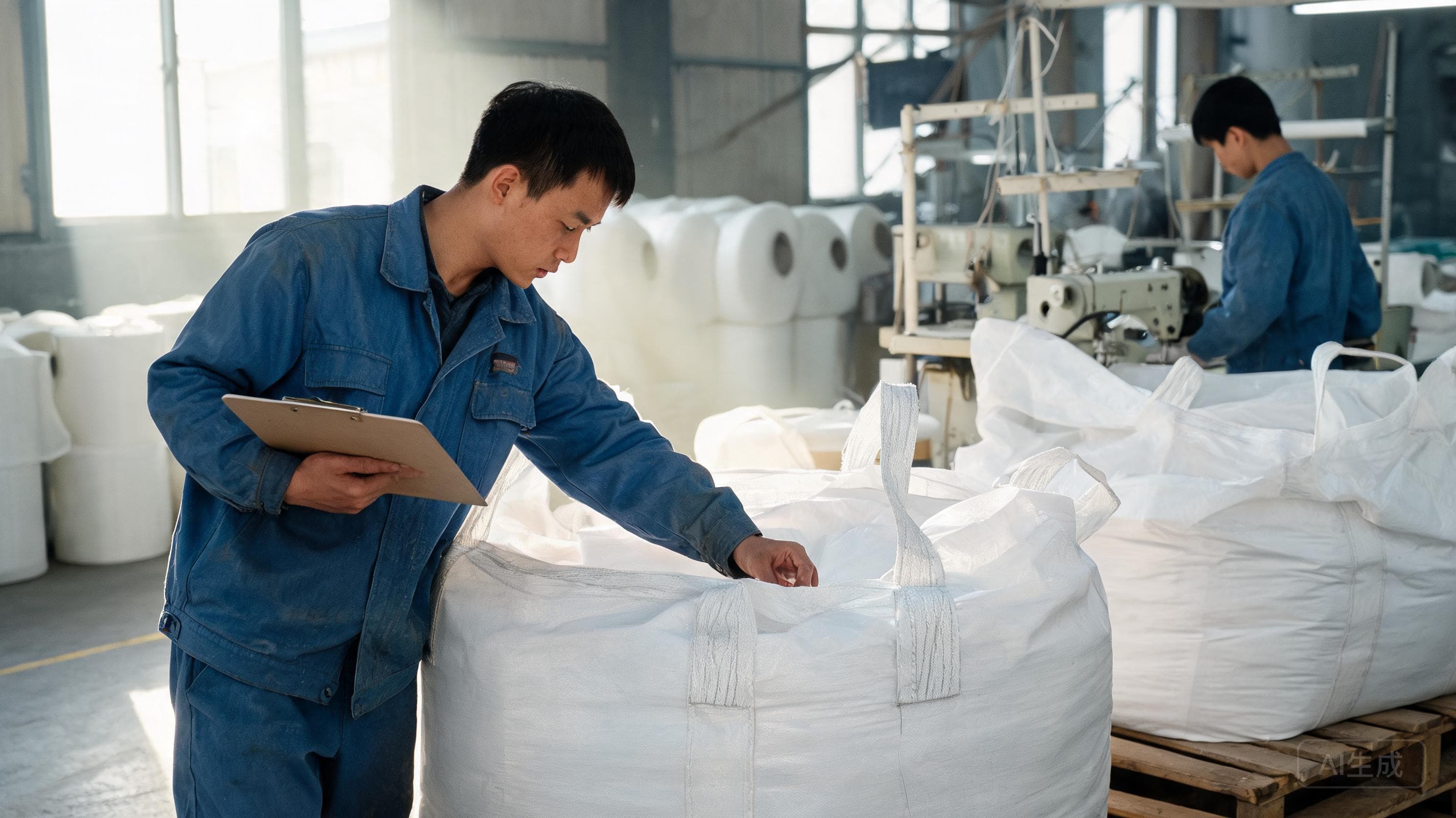
Sustainable Bulk Packaging Strategies for the Modern Manufacturing Era
Discover how high-performance FIBC bulk bags reduce packaging waste, prevent product loss, and improve sustainability metrics. Learn key features, real-world results, and a step-by-step implementation roadmap to optimize your bulk packaging strategy.
Want to know more?
Get in touch with us for more information about our services and products.