Flexible Packaging Manufacturer: How to Choose the Right Partner for Powder Products
RUNCHEN
AuthorWith more than 25 years of experience in FIBC bulk bag manufacturing and sales, RUNCHEN operates its own production facility with stable batch capacity. We specialize in FIBC bulk bags, jumbo bags, ton bags, and customized industrial packaging solutions.
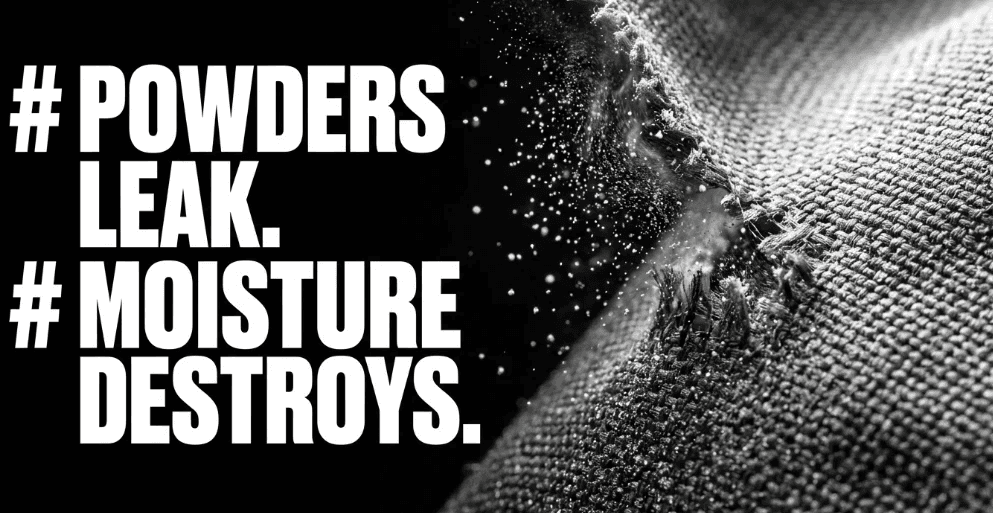
Choosing the right flexible packaging manufacturer starts with matching three things: powder handling experience, protective barrier design, and proven service support. Powders leak, absorb moisture, and pick up contamination faster than most materials. This guide shows engineers and buyers how to weigh those factors and avoid expensive rework.
You will learn how to test barrier performance, spot weak seams, and judge supplier service before you commit.
Why Do Powder Products Need Special Packaging?
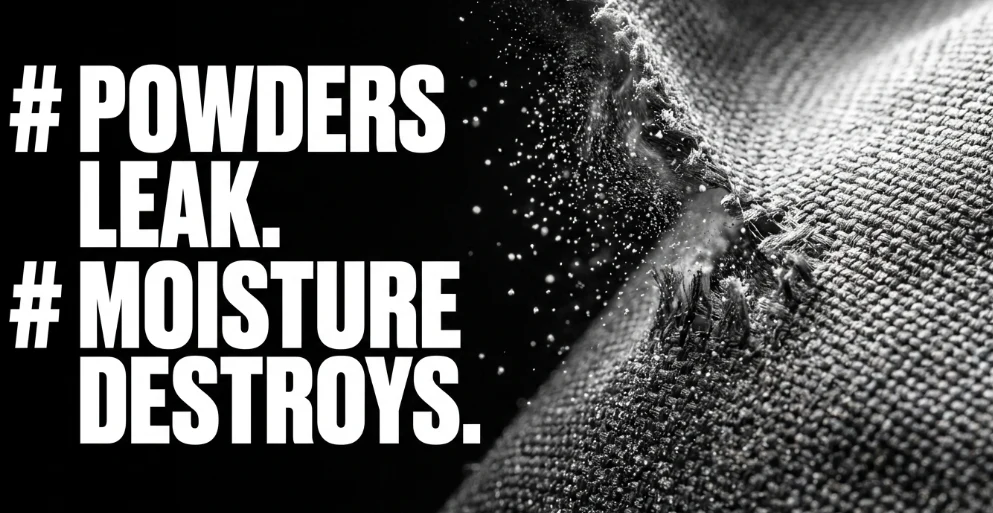
Powders behave differently from liquids or solids. They shift, sift, and settle during transport, so packaging must control both movement and exposure.
What Makes Powder Packaging Difficult?
Fine particles escape through tiny gaps in seams or stitching. Moisture causes caking, clumping, and product loss. Static can also cause dust to cling or ignite in some environments.
Take a washing powder bag as an example. If the seam is not sift-proof, powder leaks into cartons and coats pallets. That creates waste, cleaning costs, and rejected shipments.
Where Do Most Failures Start?
Most defects trace back to three points: seam design, barrier film, and closure type. A weak point in any one causes the whole package to fail during stacking or shipping.
How Do You Evaluate Powder Handling Expertise?
A supplier’s track record with powder products tells you more than a general capability list. Ask what materials they have packaged and how they solved past problems.
What Technical Features Should You Confirm?
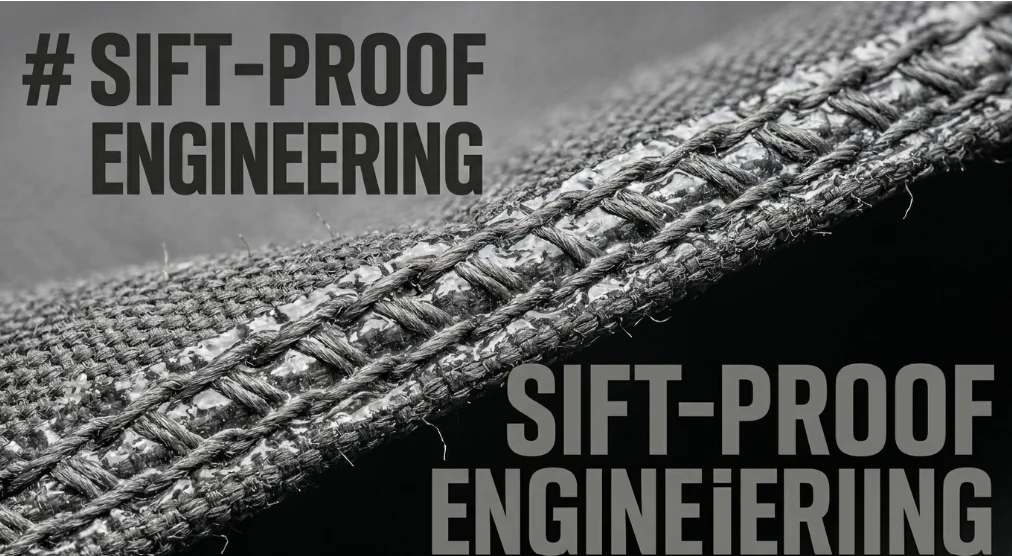
Look for sift-proof seams, coated fabric, and controlled filling spouts. For laundry powder packaging, dust-free filling and discharge spouts reduce spillage and keep production lines clean.
The table below shows common powder risks and the design features that address them.
| Powder Risk | Packaging Solution |
| Sifting through seams | Sift-proof stitching, coated fabric |
| Moisture absorption | PE liner, laminated film |
| Static buildup | Anti-static or conductive fabric |
| Uneven stacking | Baffle or square-shape design |
How Do You Verify Barrier Performance?
Request drop tests, tear strength data, and moisture transmission results. A qualified moisture-proof packaging bag should hold its barrier after repeated handling and temperature swings.
What Materials Protect Powder Products Best?
Material choice controls how well a bag resists moisture, leaks, and contamination. Match the material to the powder’s sensitivity and shelf life.
Which Barrier Layers Work for Daily Chemicals?
For a laundry powder bag, a woven PP body with a PE inner liner blocks moisture and holds fine detergent granules. Laminated BOPP adds a print-ready, moisture-resistant outer surface.
Detergent powder absorbs water quickly and hardens. A layered barrier keeps the product free-flowing from filling to end use.
How Do You Prevent Contamination?
Bags produced in controlled environments reduce dust and foreign material. Virgin resin and full traceability help meet food-grade and industrial safety standards.
How Do You Evaluate Supplier Service Capabilities?
Service support often decides whether a partnership lasts. Product quality matters, but response time and accountability protect your operations when problems appear.
What Does Strong After-Sales Support Look Like?
RUNCHEN Group backs its packaging with an export team averaging 10 years of industry experience. The team provides 24/7 online support to answer technical and logistics questions across time zones.
For key markets like Europe, RUNCHEN Group commits to on-site resolution. If a quality issue arises, sales representatives can fly directly to the client’s location to solve it in person.
How Fast Can You Get Samples?
Speed matters when you test barrier and fit before a large order. RUNCHEN Group ships custom samples within 7 working days, which helps distributors and bulk buyers validate specifications early.
This level of support suits overseas distributors and independent buyers planning long-term supply agreements.
What Common Mistakes Should Buyers Avoid?
Two mistakes cause most powder packaging failures. First, buyers judge suppliers on price alone and ignore barrier testing. Second, they skip sample validation and discover leaks only after mass production.
Avoid both by requesting test data and a sample run first. A short validation step prevents costly recalls and damaged shipments.
Conclusion
Match your powder’s needs with proven barrier design, suitable materials, and dependable service. A specialized bag manufacturer helps reduce waste, protect product quality, and meet shipping standards.
RUNCHEN Group produces PP woven fabric, BOPP bags, FIBC big bags, and PE film bags for powder and bulk applications. Explore RUNCHEN Group’s packaging solutions and request a custom sample to test performance before you scale.
Related News
Other news you might be interested in
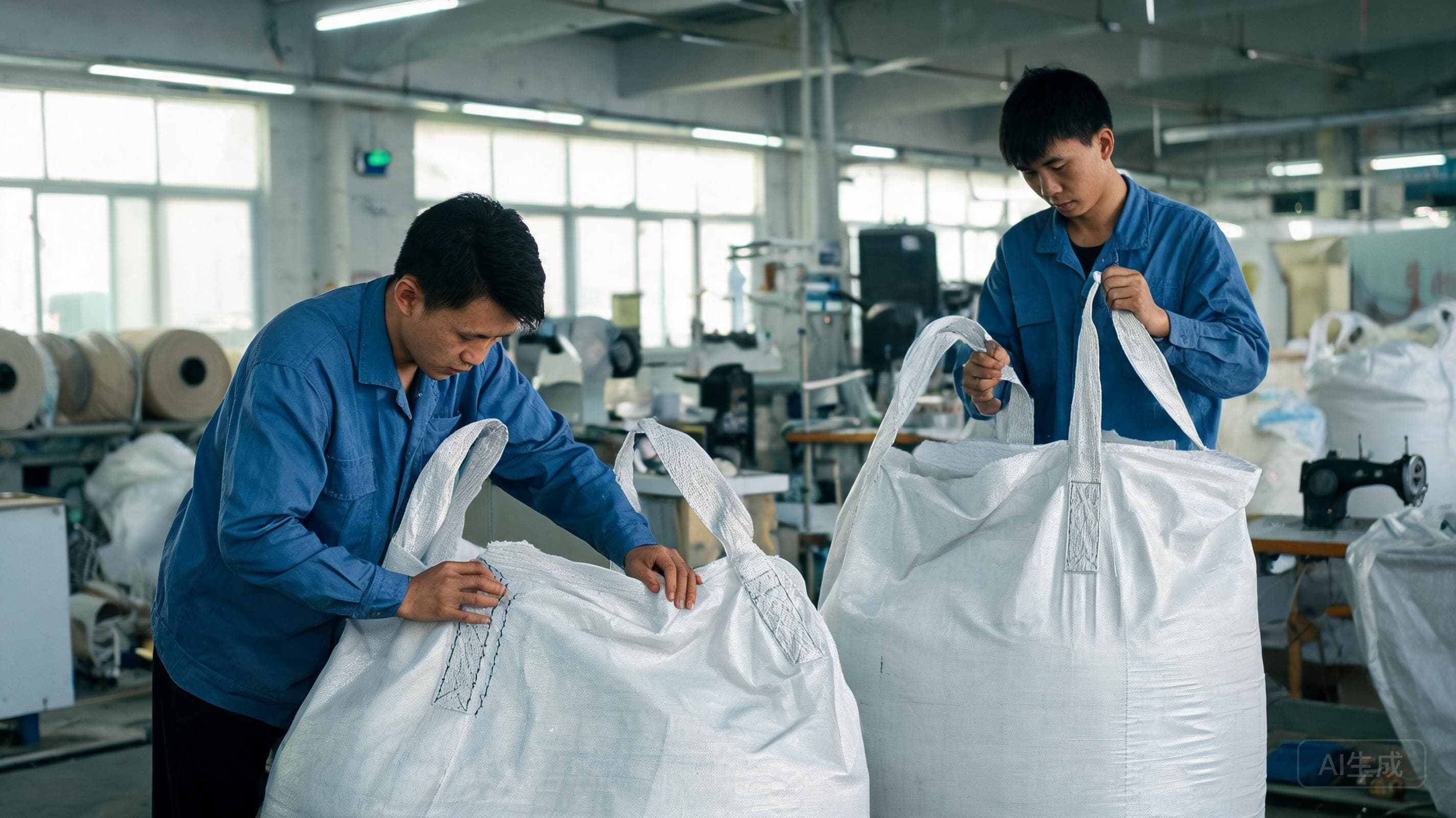
How to Choose the Right FIBC Bulk Bag for Safer, More Efficient Industrial Packaging
Choose an FIBC bulk bag by matching its construction to your product, handling process, compliance needs, and destination. Use technical review, pilot testing, and total-cost analysis to reduce risk.
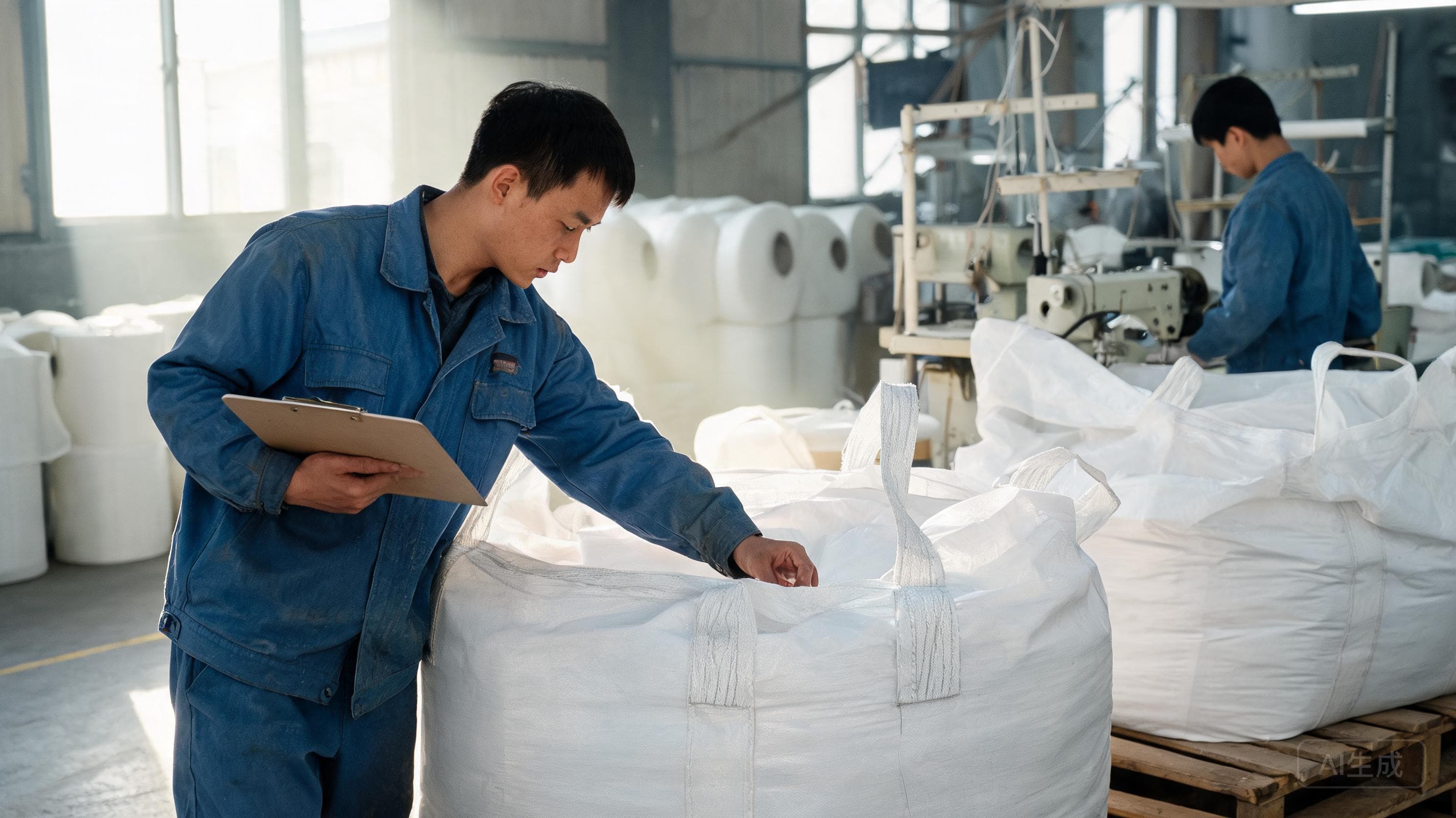
Sustainable Bulk Packaging Strategies for the Modern Manufacturing Era
Discover how high-performance FIBC bulk bags reduce packaging waste, prevent product loss, and improve sustainability metrics. Learn key features, real-world results, and a step-by-step implementation roadmap to optimize your bulk packaging strategy.
Want to know more?
Get in touch with us for more information about our services and products.