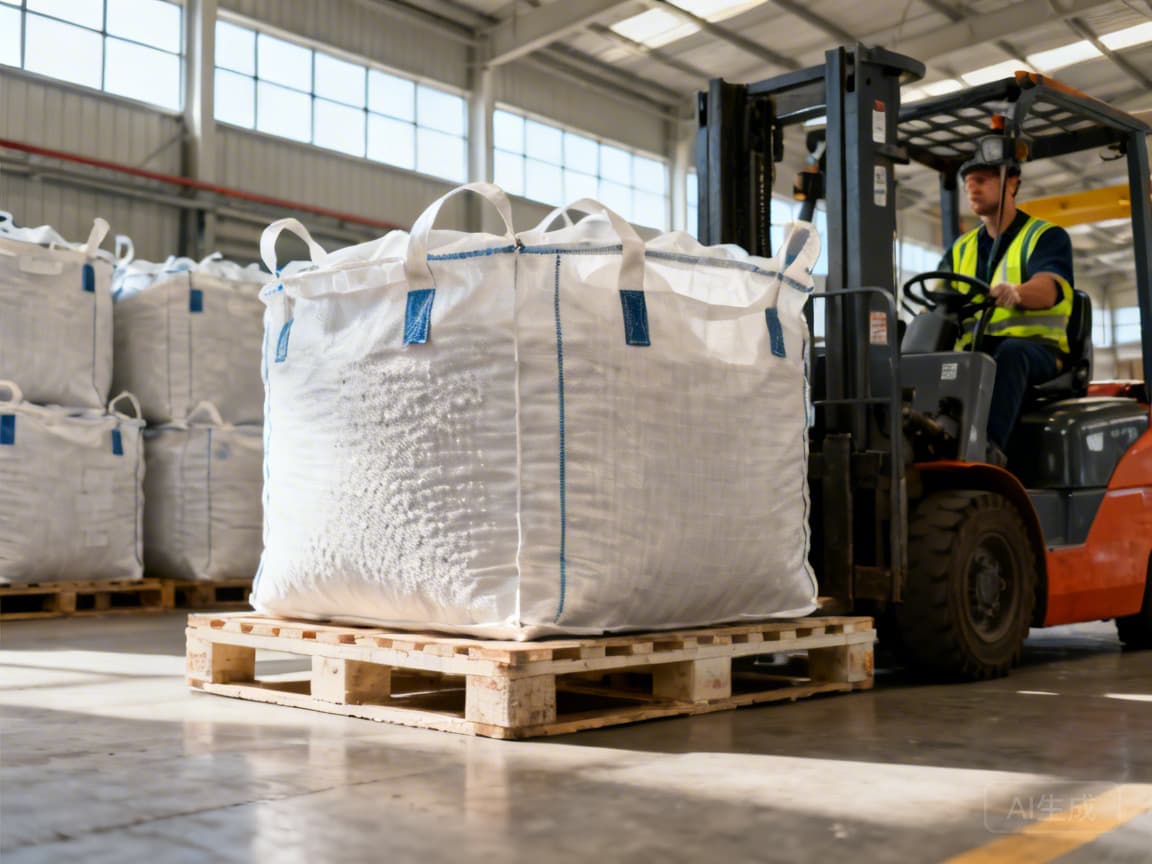
Transform FIBC into a Strategic ESG Asset: Cut Costs 30% & Boost Brand Value
RUNCHEN
AuthorWith more than 25 years of experience in FIBC bulk bag manufacturing and sales, RUNCHEN operates its own production facility with stable batch capacity. We specialize in FIBC bulk bags, jumbo bags, ton bags, and customized industrial packaging solutions.
Transform FIBC from a Cost to a Strategic ESG Asset
For decades, the Flexible Intermediate Bulk Container (FIBC or吨包袋) has been viewed through a narrow lens: a commodity logistics cost to be minimized. Industry conversations, as seen in common content, fixate on unit price savings and basic compliance. This perspective is now dangerously obsolete. Today's volatile supply chains, mandatory ESG disclosures, and intense global competition demand a strategic upgrade. Leading enterprises are no longer asking "how much does the bag cost?" but "what total value and risk mitigation does it provide?" This article provides a framework to transform your FIBC from a tactical expense into a pillar of supply chain resilience, sustainability, and brand value.
Framework 1: The Sustainable Value Engine
With green packaging claiming 80% market share in sectors like paper and consumer pressure for sustainability rising globally, your packaging is a visible extension of your ESG commitments. The goal is to shift FIBC from a compliance item to a verifiable carbon-reduction asset within your circular economy model.
This requires moving beyond vague "green" claims to a quantifiable, closed-loop system. Follow these actionable steps:
- Design for Traceability: Partner with suppliers to specify materials (e.g., recycled content, mono-materials) that are easier to track and recycle at end-of-life.
- Establish Take-Back Logistics: Create a formal process for collecting used FIBCs from key logistics hubs. This turns waste into a feedstock.
- Integrate into ESG Reporting: Quantify the recycled content and waste diverted. This data becomes a tangible contribution to your sustainability report, mirroring how leading firms like Samsonite have embedded ESG through initiatives like "Our Responsible Journey" into their core business narrative.
By building this loop, you convert a line-item cost into a reported ESG achievement, enhancing brand reputation and future-proofing against tightening regulations in markets like the EU and North America.
Framework 2: Total Cost of Ownership & Risk Mitigation
The true cost of an FIBC is not its purchase price, but its Total Cost of Ownership (TCO), which includes hidden risks of failure. The case of 山东鲁塑包装有限公司 (Shandong Lusu Packaging) is instructive. Their detailed operational protocols—correct hoisting, using pallets, proper outdoor storage—are not just about safety; they are a direct hedge against catastrophic cost.
Consider the TCO of a single failure: a $500 bag of fertilizer worth $5,000 ruptures due to improper sling use, causing product loss, cleanup, line stoppage, and potential environmental fines. This single event can cost 100x the price of the bag itself. Conversely, proper handling can extend a bag's life from 3 reuses to 10 or more.
Implement a Lifecycle Management Audit:
- Pre-Purchase: Specify design (e.g., UV treatment, safety factor) based on product value and sensitivity.
- In-Use: Enforce standardized visual SOPs based on proven guidelines, like avoiding fork contact and preventing friction.
- End-of-Life: Assess for repair, reuse, or controlled recycling to capture residual value.
Managing FIBCs through this TCO lens protects high-value commodities from loss, directly mitigating the risks posed by the raw material price volatility highlighted in market insights.
Framework 3: The Global Brand Ambassador
As companies expand into growth regions like Southeast Asia, the Middle East, and Africa, they face challenges of brand recognition and varying standards. Your FIBC is a mobile billboard and a critical touchpoint for quality and values across the global logistics chain.
A professionally printed, compliant FIBC communicates reliability before your product is even unloaded. To leverage this, you must ensure global consistency with local adaptability.
Actionable Guidance for Global Synergy:
- Regulatory Compliance: Ensure labels meet global standards (e.g., GHS for chemicals) and target-market eco-certifications.
- Brand Consistency: Use FIBCs to visually unify your global supply chain, reinforcing brand identity at every node.
- Localized Supplier Partnership: Choose suppliers who can provide consistent quality globally but offer local service and inventory, supporting the decentralized operational models used by successful multinationals.
This transforms packaging from a logistical afterthought into a tool for overcoming the "brand recognition" hurdle in new markets.
Conclusion: Your Next Strategic Step
The integration of these three frameworks—Sustainable Value, TCO/Risk Management, and Global Brand Synergy—elevates FIBC management to a strategic function. It aligns with the broader packaging industry's shift toward high-value, green, and circular solutions, as seen in the projected growth of the sector.
Begin by conducting a quick "FIBC Strategic Health" audit: Are you tracking lifecycle costs? Do you have take-back streams? Are your bags compliant in your target export markets? Answering these questions is the first step in unlocking the 30%+ cost savings from reduced waste and risk, while simultaneously building intangible brand and ESG value. Stop buying bags. Start managing a strategic asset.
Related News
Other news you might be interested in
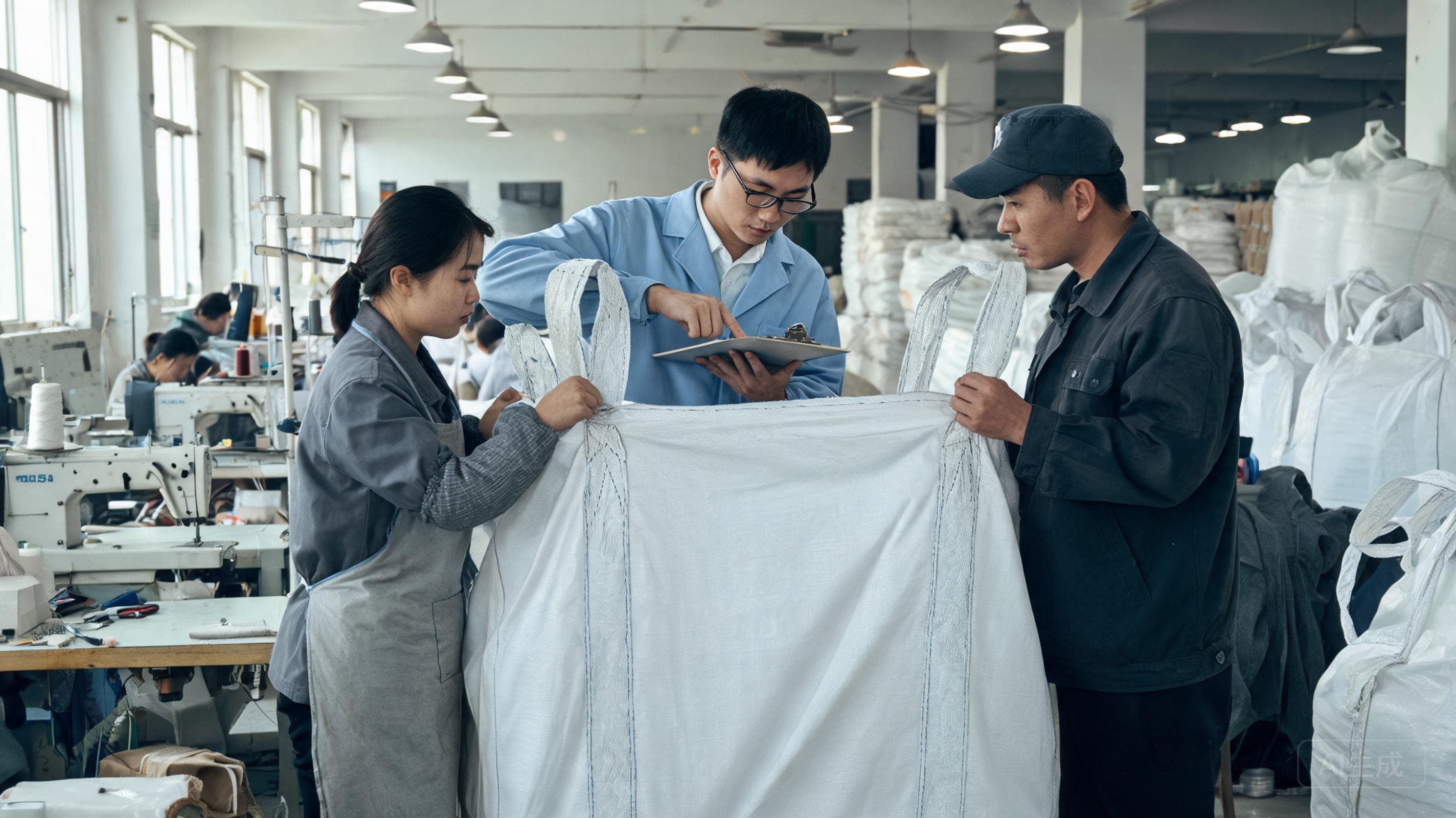
How to Choose the Right FIBC Bulk Bag Supplier for Safer, More Profitable Operations
Choose an FIBC supplier by matching bag design to your material and handling process, verifying quality controls, planning for supply continuity, and measuring total operating cost.
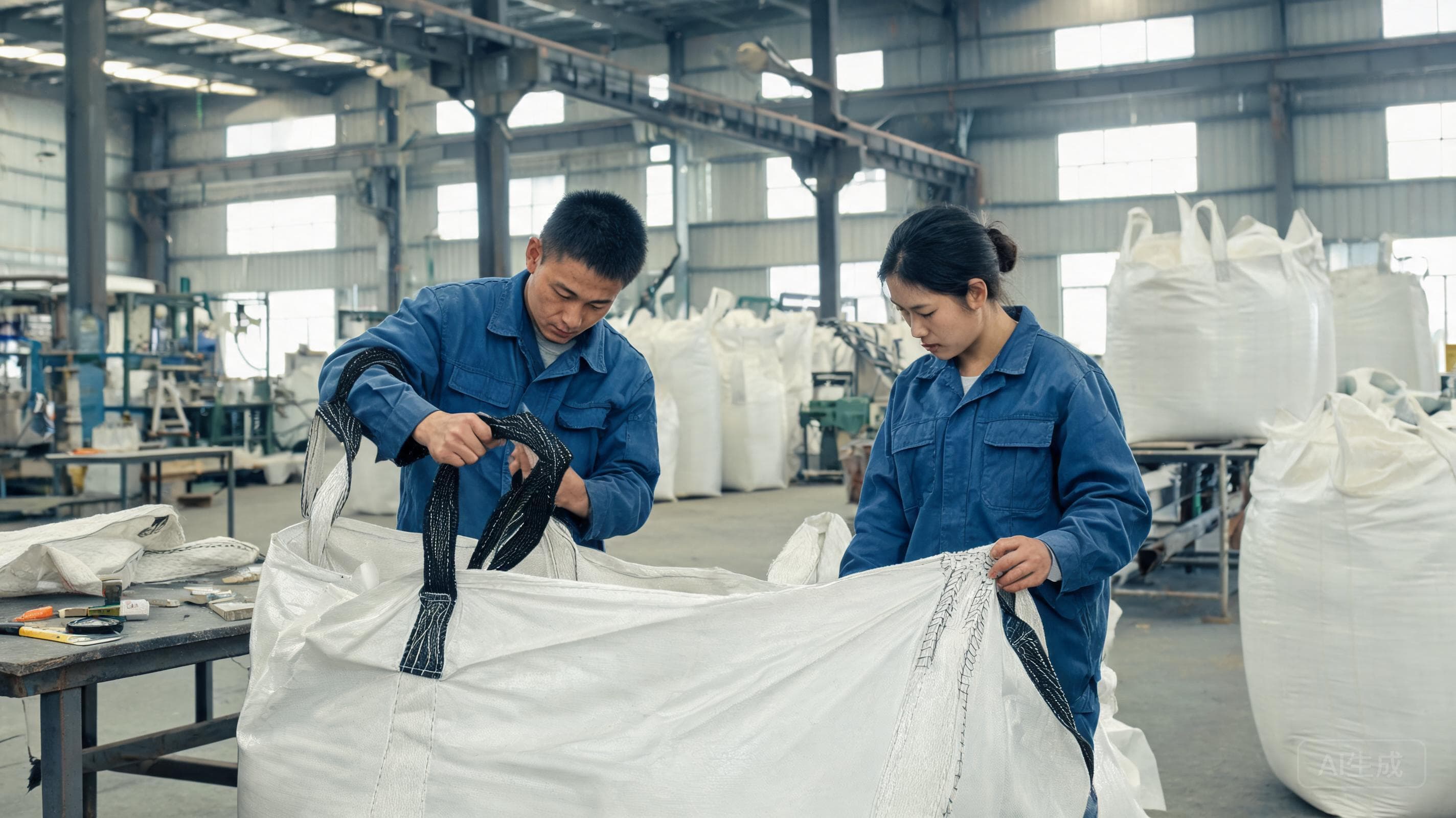
How to Choose FIBC Bulk Bags That Reduce Transit Risk and Support Reliable Supply
Learn how to match FIBC bulk bag design to your material, handling process, and route. Use samples, testing, and supplier checks to reduce transit risk and improve supply reliability.
Want to know more?
Get in touch with us for more information about our services and products.