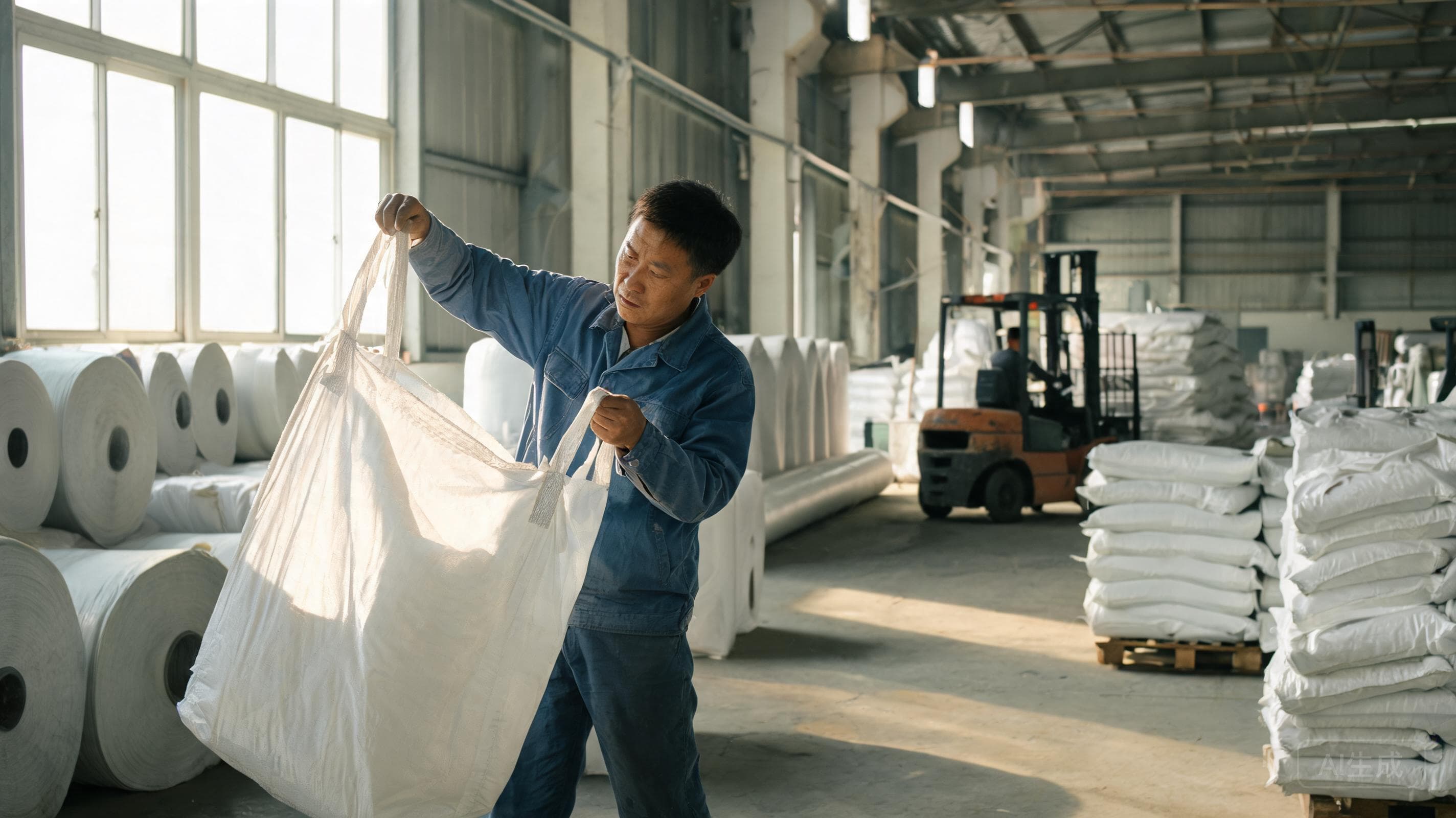
How Advanced FIBC Technology Reduces Supply Chain Risk and Improves Profitability in Bulk Packaging
RUNCHEN
AuthorWith more than 25 years of experience in FIBC bulk bag manufacturing and sales, RUNCHEN operates its own production facility with stable batch capacity. We specialize in FIBC bulk bags, jumbo bags, ton bags, and customized industrial packaging solutions.
Introduction: The Hidden Costs of Outdated Bulk Packaging
In today's volatile market, bulk packaging decisions directly impact your bottom line—yet many manufacturers still rely on conventional FIBCs that fail under pressure. Every torn bag, contaminated batch, or handling delay represents more than an operational hiccup; it's a direct drain on profitability and customer trust. From import fluctuations and downstream demand instability to tightening safety and sustainability regulations, the pressure on packaging performance has never been higher. This article explores how modern FIBC innovations—such as ventilated, tear-resistant, and top-lift designs—can mitigate risk, reduce total cost of ownership, and position your business for sustainable growth.
The New Landscape: Why Traditional FIBCs Are No Longer Enough
Market shifts have fundamentally altered the bulk packaging equation. Import volumes peaked in 2023 and declined in 2024, signaling a buyer's market where efficiency and reliability are critical to maintaining margins. In this environment, every percentage point of product loss or operational downtime directly erodes your competitive position. Operational pressures compound the challenge: downstream industries face reduced throughput and profitability, making every handling failure or product loss a direct hit to your bottom line. Regulatory and safety demands add another layer of complexity. From GOTS compliance to factory safety standards, customers and regulators expect packaging that protects workers, products, and the environment. Traditional FIBCs simply weren't engineered to meet these multi-dimensional requirements.
Understanding the Real Cost of Packaging Failures
Product loss and contamination represent the most visible cost of packaging failure. A single tear or moisture ingress can ruin an entire batch—costing thousands in materials, labor, and customer trust. But the hidden costs extend far beyond the product itself. Safety incidents, including manual handling injuries, forklift accidents, and load shifts, are often traced to substandard bag design and inadequate lifting mechanisms. These incidents trigger insurance claims, regulatory scrutiny, and reputational damage that reverberates through your entire operation. Hidden inefficiencies compound the problem: poor ventilation leads to spoilage and product degradation; weak lifting loops cause costly downtime and delays; and non-compliant materials trigger audits, fines, and lost certifications. When you calculate the full financial impact—lost product, worker compensation, operational interruptions, and compliance penalties—the true cost of "saving" on packaging becomes painfully clear.
Engineering Solutions: COSEK's Approach to Risk Mitigation
Advanced FIBC technology addresses these risks at the engineering level. The COSEK Ventilated Bulk Bag is specifically designed for products that require airflow, reducing condensation and spoilage to ensure your material arrives in perfect condition. This is critical for agricultural products, certain chemicals, and any material susceptible to moisture damage. The COSEK Tear-Resistant FIBC Bulk Bag employs high-strength woven fabric and reinforced seams that resist punctures and tears, minimizing product loss and safety hazards even in demanding handling environments. For heavy loads, the Top-Lift Bulk Bag features four-point lifting loops that distribute weight evenly, reducing stress on the bag and improving handling stability—a critical factor in preventing accidents and protecting both workers and product. Additionally, the Internal Reinforcement Ton Bag incorporates internal baffles or liners that provide extra support for irregular or fine powders, preventing bulging and enhancing stackability for more efficient warehouse utilization.
Real-World Impact: How Modern FIBCs Drive ROI and Compliance
The financial impact of upgrading to advanced FIBC technology is measurable and immediate. Consider a chemical manufacturer that reduced product loss by 18% after switching to tear-resistant FIBCs, while also cutting workplace incidents by 30%. These improvements translate directly to the bottom line through reduced material costs, lower insurance premiums, and fewer production interruptions. Sustainability credentials add another dimension of value. GOTS-compliant materials and reusable designs help you meet environmental standards and attract eco-conscious buyers who increasingly factor sustainability into procurement decisions. Operational efficiency gains are equally compelling: ventilated bags extended shelf life by 20% for an agricultural exporter, enabling longer shipping routes and opening access to new international markets. These are not theoretical benefits—they are proven outcomes that directly impact profitability and competitive positioning.
Choosing the Right FIBC for Your Application: A Decision Framework
Selecting the optimal FIBC requires a systematic evaluation of your specific requirements. Begin by assessing your product's characteristics: moisture sensitivity, abrasiveness, weight, and flowability. These physical properties determine which bag design features are non-negotiable. Next, evaluate your handling environment—manual versus automated systems, storage conditions, and transport distances—to identify where failures are most likely to occur. Consider regulatory requirements carefully: GOTS certification, food safety standards, or hazardous material classifications may mandate specific bag specifications. Finally, calculate total cost of ownership rather than focusing solely on initial price. Factor in loss rates, downtime costs, and compliance penalties to understand the true economics of your packaging choice. This framework ensures you select a solution that protects your operation across all dimensions of risk.
Future-Proofing Your Supply Chain: Trends to Watch
The evolution of FIBC technology continues to accelerate, and forward-thinking operations are already preparing for what's next. Automation and smart packaging are transforming supply chain visibility: RFID-enabled FIBCs enable real-time tracking and inventory management, reducing shrinkage and improving demand forecasting accuracy. The circular economy is reshaping procurement criteria, with returnable and recyclable bulk bags becoming a competitive differentiator that signals environmental responsibility to customers and regulators alike. Advanced materials research is yielding nanocoatings and hybrid fabrics that offer even greater protection and durability, pushing the boundaries of what bulk packaging can achieve. Companies that adopt these innovations early position themselves as leaders in efficiency, sustainability, and reliability—qualities that resonate strongly in today's discerning market.
Conclusion: Take the Next Step Toward Reliable, Profitable Packaging
Don't let outdated packaging put your business at risk—upgrading to advanced FIBC technology is a strategic investment in your bottom line. The costs of inaction are clear: product loss, safety incidents, compliance failures, and operational inefficiencies that erode margins daily. The benefits of modern solutions are equally clear: measurable ROI, enhanced safety, regulatory compliance, and the operational reliability that builds customer confidence. Contact our team today for a free packaging audit and personalized recommendations tailored to your specific needs. Request a sample of our COSEK ventilated, tear-resistant, or top-lift bulk bags and experience the difference firsthand. Your supply chain—and your profitability—will thank you.
Ready to eliminate packaging-related losses and improve your operational efficiency? Contact our packaging specialists to discuss your specific requirements and discover how advanced FIBC technology can transform your bulk packaging operations.
Related News
Other news you might be interested in
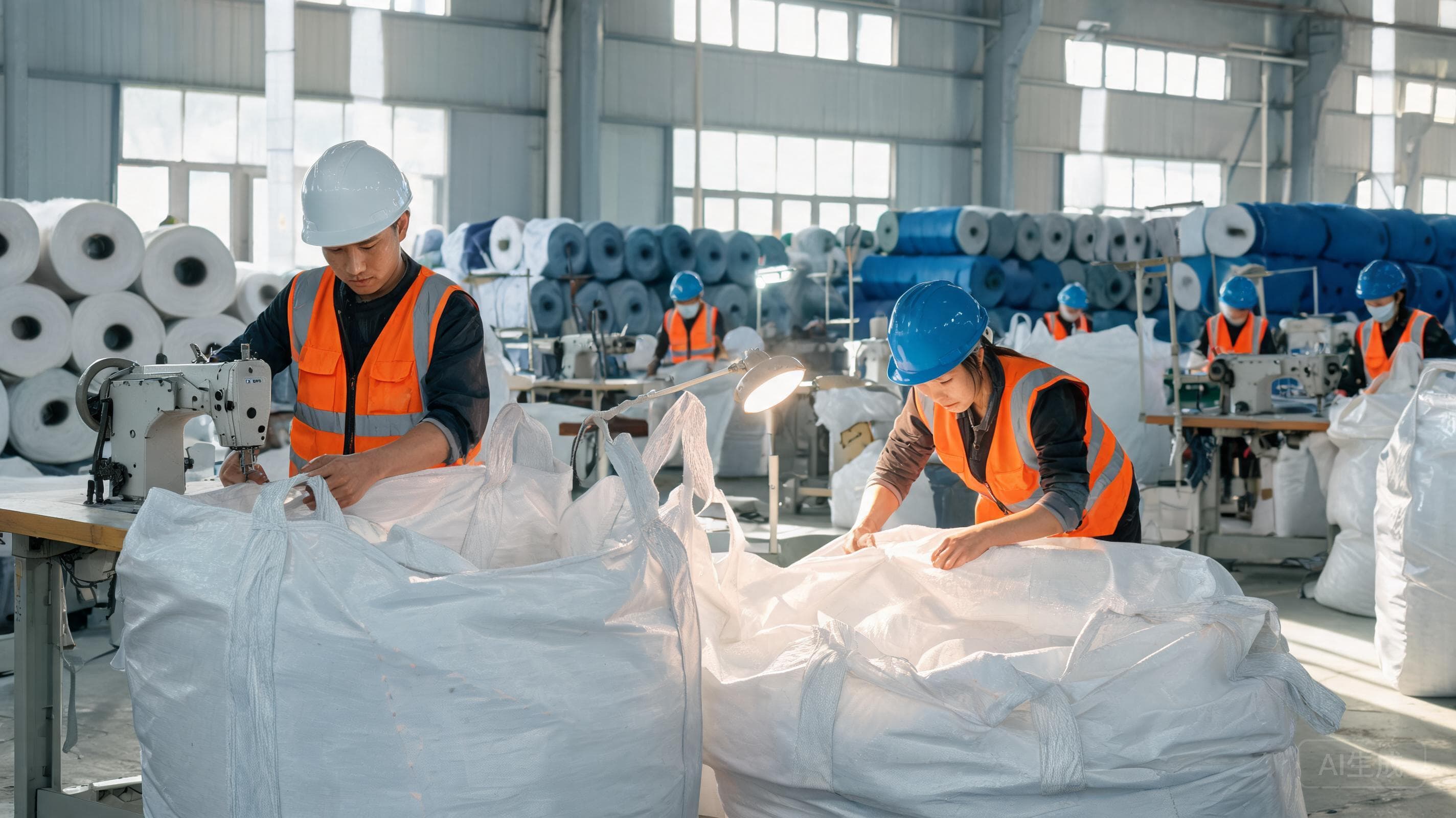
Optimizing Bulk Packaging Efficiency and Safety: A Strategic Guide for Modern Industrial Supply Chains
Discover how the right FIBC bulk bags reduce costs, improve safety, and drive ROI. A strategic guide for industrial supply chains facing market volatility.
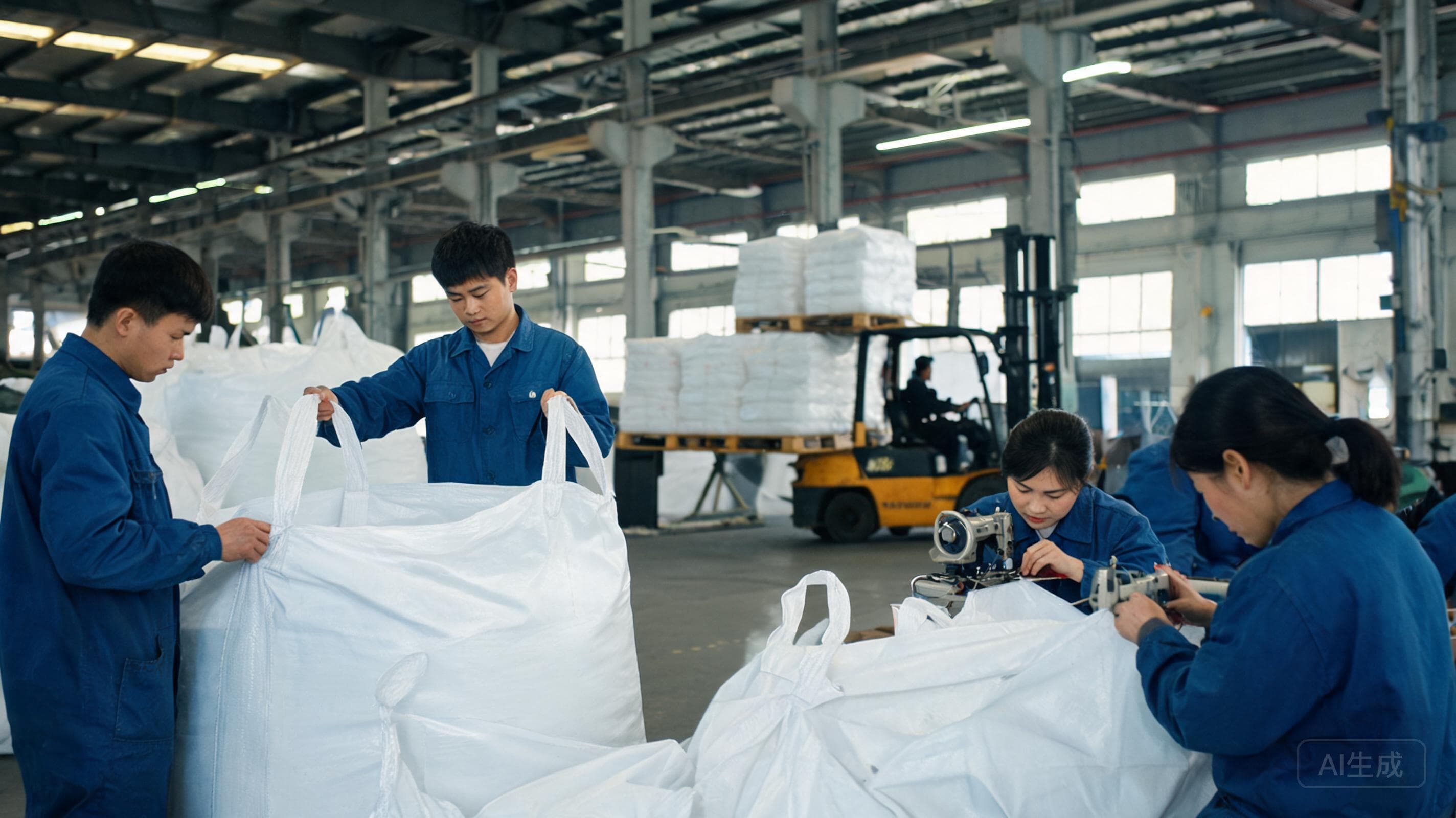
Maximizing Efficiency and Safety in Bulk Packaging: A Strategic Guide for Modern Manufacturers
Discover how high-performance FIBCs reduce hidden costs, improve safety, and boost ROI. Learn key selection criteria and see how COSEK's engineered solutions deliver measurable results for modern manufacturers.
Want to know more?
Get in touch with us for more information about our services and products.