
Beyond Cost: A Data-Driven Blueprint for 544% ROI in FIBC Packaging Systems
RUNCHEN
AuthorWith more than 25 years of experience in FIBC bulk bag manufacturing and sales, RUNCHEN operates its own production facility with stable batch capacity. We specialize in FIBC bulk bags, jumbo bags, ton bags, and customized industrial packaging solutions.
Beyond Cost: A Data-Driven Blueprint for 544% ROI in FIBC Packaging Systems
For procurement and operations leaders, purchasing Flexible Intermediate Bulk Containers (FIBCs) has long been a transaction centered on price-per-bag and basic specifications. Yet, market leaders are shifting the paradigm. They are no longer buying just a container; they are investing in a packaging system with a measurable return. The real value lies not in the unit cost, but in the total operational impact—a truth underscored by data from adjacent industries. For instance, enterprise AI implementations following a structured methodology have achieved an average ROI of 544%. This article provides a blueprint to apply this disciplined, value-focused approach to your FIBC strategy.
The High Cost of a Narrow View: Understanding Total Cost of Ownership (TCO)
Focusing solely on purchase price is a strategic error. The true cost of a packaging system is its Total Cost of Ownership (TCO), which includes significant, often overlooked, hidden expenses. A myopic view on price exposes your operations to these silent costs:
- Efficiency Costs: Manual filling and unloading versus automated systems (as noted in market insights) can create substantial labor time differentials and bottlenecks.
- Risk Costs: Bag failure leads to product loss, production line contamination, downtime, and potential workplace safety incidents.
- Disposal & Compliance Costs: Waste handling fees and the growing financial impact of environmental regulations, like VOCs治理, directly affect the bottom line.
Calculating TCO shifts the conversation from "How much does this bag cost?" to "What is the total financial impact of this packaging system on our operations?" This is the foundational step toward justifying strategic investments that deliver superior ROI.
The Implementation Blueprint: Borrowing from Tech's Playbook
Deploying a new FIBC system is a change management project, akin to implementing enterprise software. Success hinges on methodology, not just product quality. Data from tech implementations provides a proven framework.
Phase 1: Assess & Strategize (Beyond the RFQ)
Begin by defining clear success metrics aligned with business goals. Will success be a 15% reduction in loading time, a 50% decrease in bag failure rates, or a lower carbon footprint? Establish a "balanced scorecard" that evaluates efficiency, safety, sustainability, and financial performance. This strategic alignment is critical; as seen in the Trendyx AI case, a clear roadmap and defined metrics are the bedrock of success.
Phase 2: Pilot & Collect Data (Beyond a Sample)
Move beyond simple bag testing. Design a controlled pilot that mimics real-world conditions to collect baseline performance data. Crucially, include comprehensive training for operators and line managers. The Shyft case study demonstrates that thorough training and change management are core to success, leading to 87% employee satisfaction and 92% adoption in early phases. This phase validates the ROI hypothesis with your specific data.
Phase 3: Scale with Managed Change
A full rollout requires a structured change management plan to address ingrained processes and user habits. Communicate the "why" behind the change and provide continuous support. This focus on adoption pays dividends; structured change management plans have been shown to drive 78% user adoption rates. Furthermore, partnering with a supplier who offers this strategic guidance, rather than just product, dramatically increases success probability—a tactic with a documented 89% project success rate in tech partnerships.
Phase 4: Optimize & Integrate
The final phase is creating a feedback loop for continuous improvement. Integrate packaging performance data (cycle counts, failure points) with your operational metrics. This data-driven approach allows for ongoing optimization, turning your FIBC system from a static cost into a dynamic source of operational intelligence and value.
Quantifying Value: From TCO to a 544% ROI Mindset
With a structured implementation complete, you can build a compelling ROI model. The goal is to translate operational improvements into financial terms. For example:
- Reducing bag failures by X% directly saves $Y in product loss and cleanup.
- Automated filling that saves Z labor hours per shift translates to $W in annual labor cost reduction.
- Using lighter, recyclable materials cuts disposal costs and can generate ESG value.
As demonstrated by the Trendyx AI data, following a rigorous, phased implementation framework is what unlocks extraordinary returns—accelerating time-to-positive ROI by up to 35% and enabling triple-digit ROI figures. The same disciplined approach applies to capital-intensive operational investments like FIBC systems.
By investing in a superior system and, more importantly, a proven implementation methodology, you systematically attack the hidden costs in your TCO. The resulting savings and efficiencies create a return that can dwarf the initial investment, moving the discussion firmly into the realm of value creation.
Conclusion: Partnering for Success
The future of industrial packaging is not commodity purchasing. It is strategic partnership focused on achieving defined business outcomes. The market is moving toward automation, stringent sustainability, and data-driven operations. Your FIBC supplier should be a guide in this transition—providing not just a bag, but the blueprint for its successful deployment. By adopting this data-driven, methodology-first approach, you transform your FIBC packaging from a cost center into a measurable driver of efficiency, safety, and profitability. The question is no longer what the bags cost, but what value they can deliver.
Related News
Other news you might be interested in
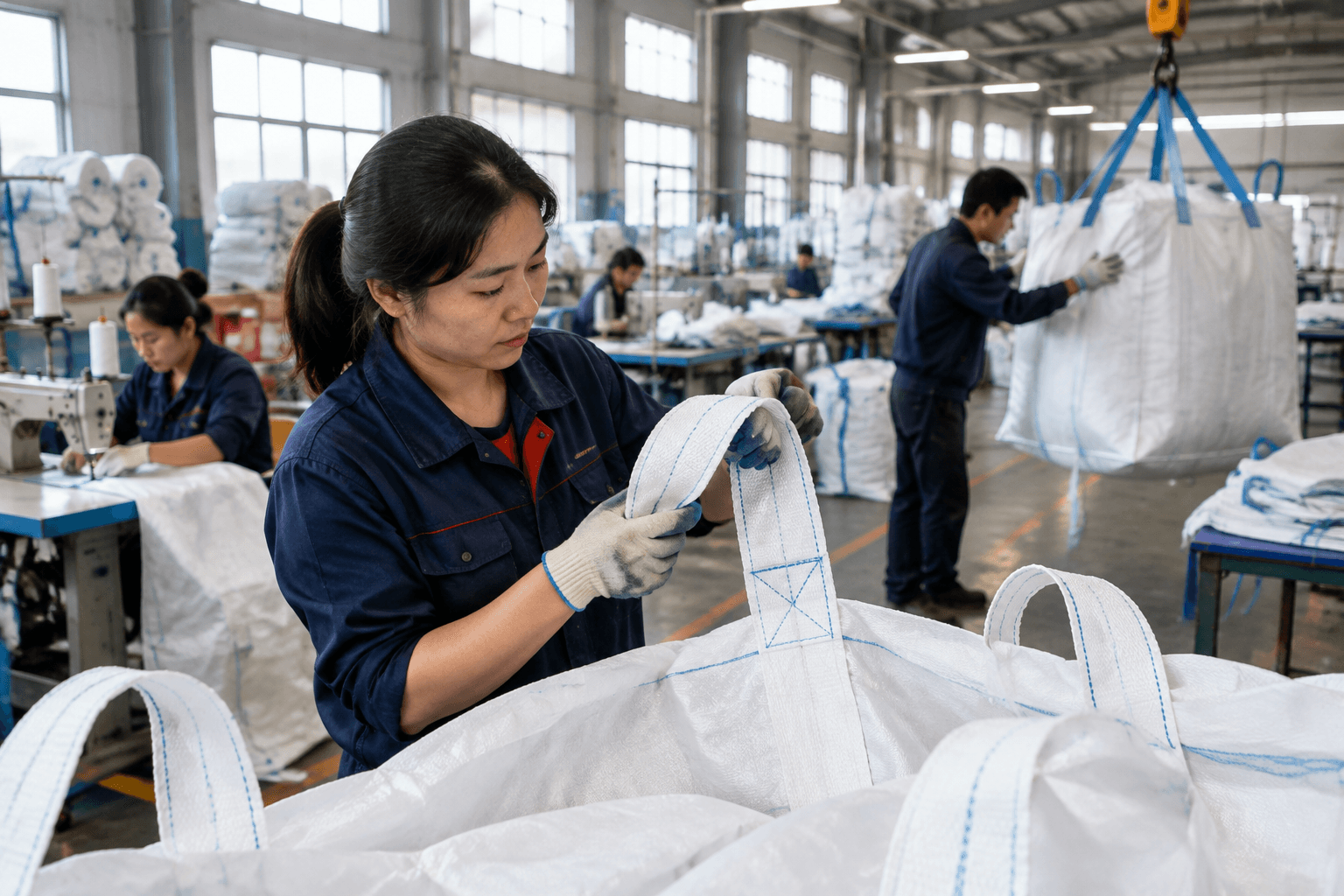
Choosing the Right Bulk Bag Manufacturer for Safer, More Efficient Operations
Learn how to specify bulk bags, evaluate manufacturers, and validate quality and supply reliability to reduce operational risk and support safer, more efficient handling.
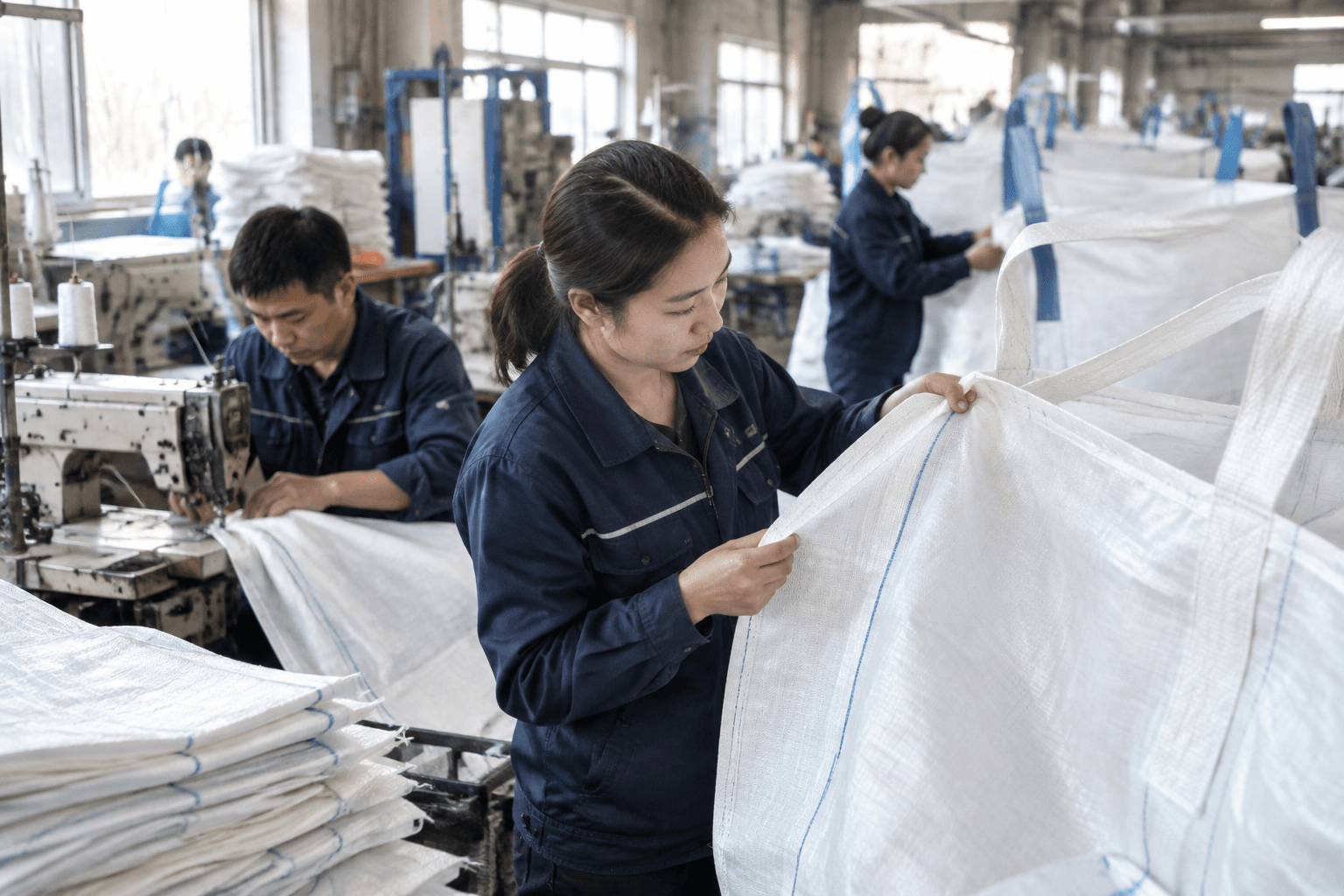
The 140th Canton Fair: New Trends in the Export Market for FIBC Bulk Bags, Jumbo Bags, and PP Woven Packaging
Explore how export buyers can evaluate FIBC bulk bags and PP woven packaging beyond unit price. Get practical guidance on specifications, supplier verification, sustainability requirements, and RFQs—and prepare your next sourcing conversation with COSEK.
Want to know more?
Get in touch with us for more information about our services and products.