Beyond Cost: Quantify FIBC's Hidden Risk & Sustainability ROI
RUNCHEN
AuthorWith more than 25 years of experience in FIBC bulk bag manufacturing and sales, RUNCHEN operates its own production facility with stable batch capacity. We specialize in FIBC bulk bags, jumbo bags, ton bags, and customized industrial packaging solutions.
From Cost Center to Strategic Asset: Quantifying FIBC's True Value
For decades, the procurement of Flexible Intermediate Bulk Containers (FIBCs or bulk bags) has been largely transactional, driven by unit price and basic specification. However, a strategic shift is underway. Leading operations, supply chain, and sustainability executives are moving beyond simple cost-per-bag metrics to evaluate FIBCs as critical process equipment. This new lens reveals two paramount concerns: mitigating systemic operational risk and leveraging packaging to meet escalating sustainability mandates. The real question is no longer "how much does it cost?" but "what is the total cost—and value—of ownership?"
Redefining Risk: The Hidden Costs of Operational Failure
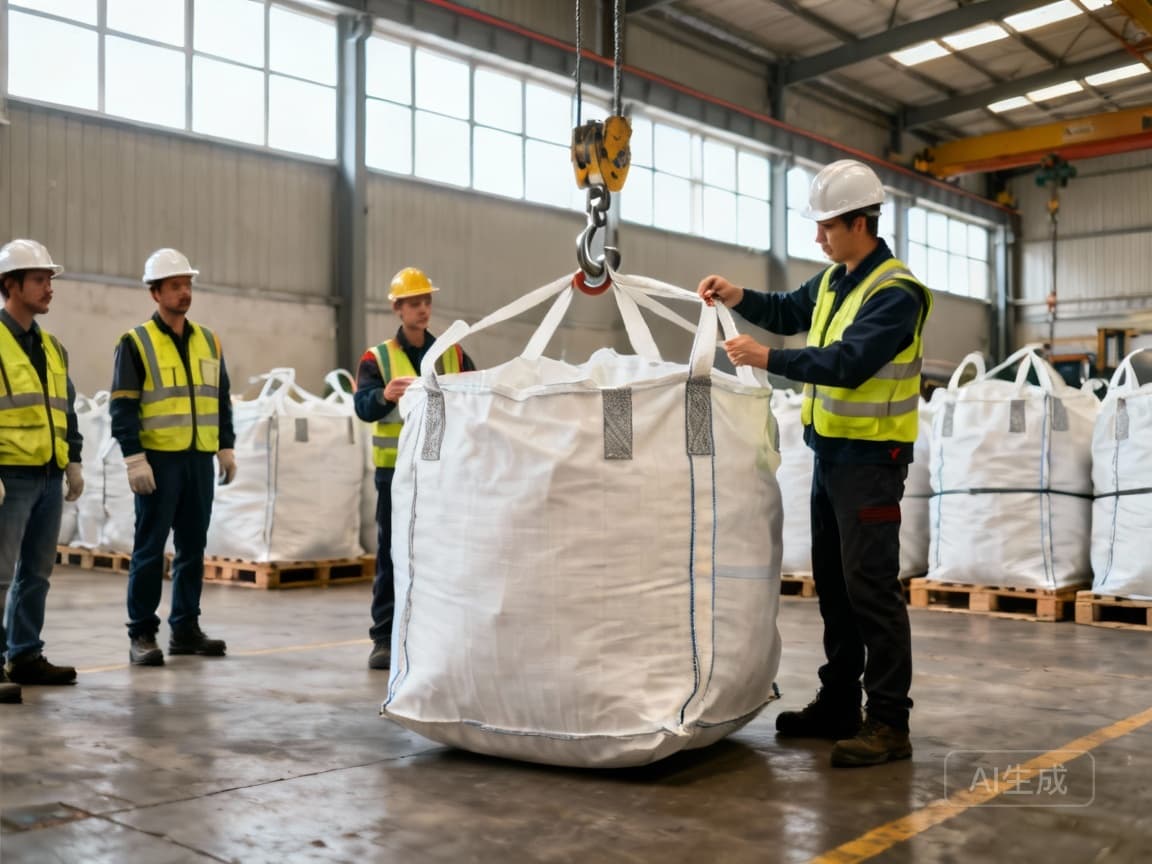
Treating FIBCs as mere consumables invites significant, often unquantified, risk. A failure point isn't just a torn bag; it's a production halt, product contamination, environmental incident, or workplace injury. Real-world operational experience, such as protocols from Shandong Lusu Packaging, highlights that safety is a system dependent on the interaction between the bag, handling equipment, and personnel. Common oversights—like improper sling angles during lifting, direct forklift contact with the bag body, or inadequate outdoor storage—transform a packaging component into a liability.
The financial impact is substantial. Consider a high-value chemical or food ingredient. A single rupture can lead to:
- Direct Product Loss: The entire value of the contaminated or spilled material.
- Clean-up and Disposal Costs: Including hazardous material handling fees.
- Production Downtime: Halting a line for cleanup incurs massive opportunity costs.
- Regulatory Fines: For environmental or safety violations.
As one industry safety expert notes:
"The most expensive bag is the one that fails. True cost savings come from reliability engineered into the product and the process around it."Investing in robustly engineered FIBCs with clear, system-based handling protocols is not an expense; it's insurance against catastrophic operational and financial risk.
The Sustainability Imperative: More Than a Green Checkmark
Simultaneously, global regulatory and market forces are making sustainable packaging a strategic necessity, not a marketing option. The data is compelling: the global mono-material packaging market is projected to grow from $39.4 billion in 2024 to $56.3 billion by 2029, at a steady CAGR of 7.3%. This growth is structurally driven by Extended Producer Responsibility (EPR) schemes, stringent corporate ESG targets, and demands from downstream customers in sectors like fast-moving consumer goods (FMCG) and chemicals for recyclable packaging solutions.
For industrial users, this shift presents both a challenge and an opportunity. Mono-material FIBCs (e.g., all-polypropylene constructions) are designed for easier recycling, directly addressing EPR compliance and reducing end-of-life complexity. This simplifies waste streams, lowers the carbon footprint of packaging, and future-proofs the supply chain against tightening regulations. The innovation in high-barrier mono-material films further expands their use into sensitive sectors like food and pharmaceuticals, marrying performance with recyclability.
Adopting such packaging is a tangible step toward circular economy goals, directly impacting a company's Scope 3 emissions reporting and strengthening its brand as a responsible supply chain partner.
A Framework for Total Value Assessment
To make informed decisions, procurement must evolve into a value-engineering function. We propose a simple yet powerful Total Cost of Ownership (TCO) framework that moves beyond purchase price to include three critical dimensions:
1. Risk Cost
- Probability and cost of failure (leakage, contamination).
- Potential safety incident costs.
- Environmental compliance penalties.
2. Operational Efficiency Cost
- Handling speed and ergonomics (e.g., optimized lift loops).
- Storage footprint optimization.
- Cost per successful cycle (based on verified reusability).
3. Sustainability & Compliance Cost
- End-of-life processing fees (landfill vs. recycling).
- Cost of non-compliance with customer ESG mandates or regulations.
- Impact on corporate sustainability rating/score.
Applying this model often reveals that a higher-specification, sustainably designed FIBC, while carrying a premium upfront, delivers a lower TCO. Its superior durability increases cycle counts, its design minimizes handling risks, and its recyclability reduces disposal costs and compliance headaches.
Conclusion: Strategic Procurement for a New Era
The future of industrial packaging lies in value-driven partnerships. By quantifying the hidden risks of operational failure and recognizing the strategic ROI of sustainable design, forward-thinking companies can transform their FIBC procurement. The goal is to partner with suppliers who act as consultants in system safety and circularity, providing not just a bag, but a holistic solution that protects your product, your people, your profit, and the planet. In an era of volatility and transition, that is the true measure of value.
Related News
Other news you might be interested in
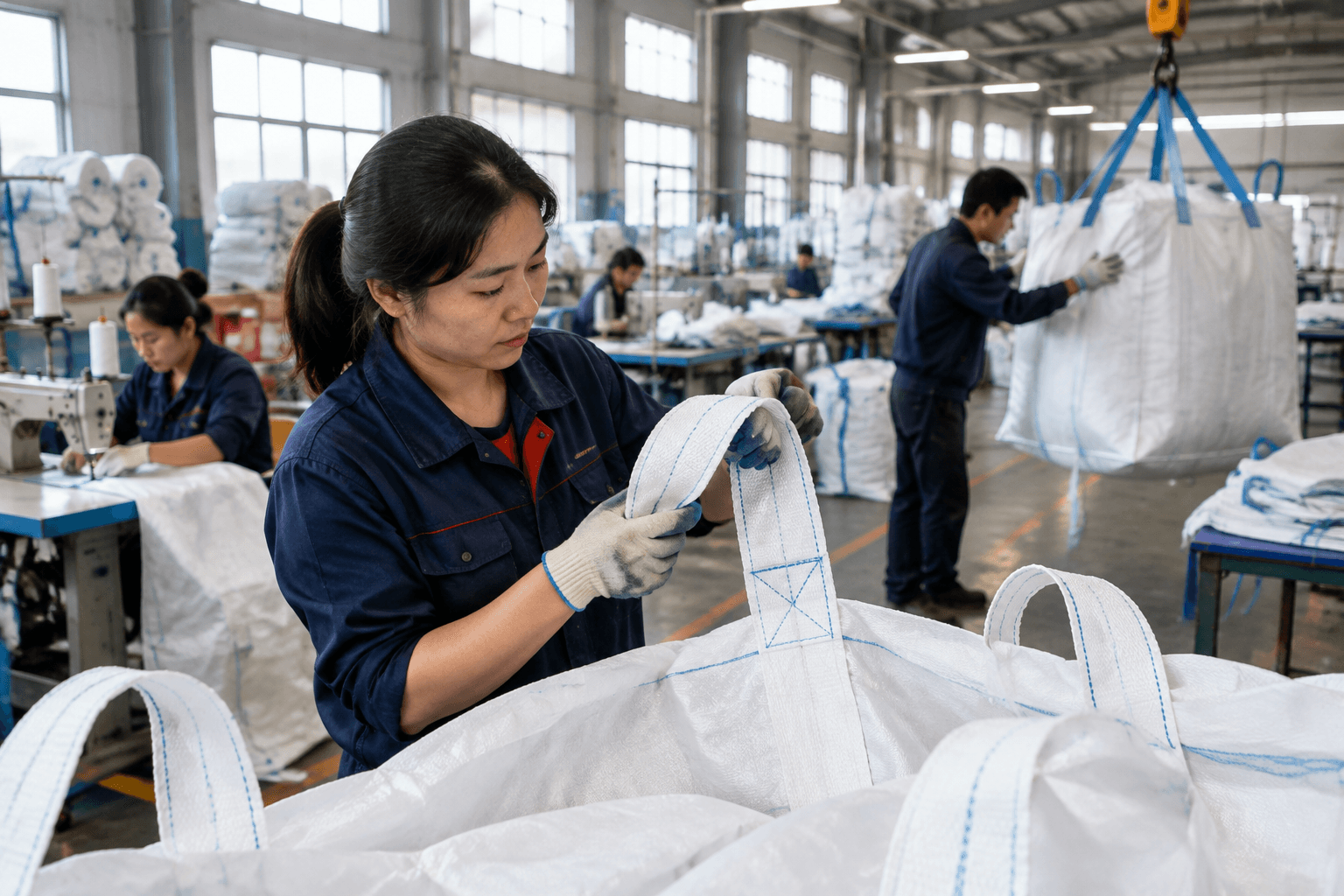
Choosing the Right Bulk Bag Manufacturer for Safer, More Efficient Operations
Learn how to specify bulk bags, evaluate manufacturers, and validate quality and supply reliability to reduce operational risk and support safer, more efficient handling.
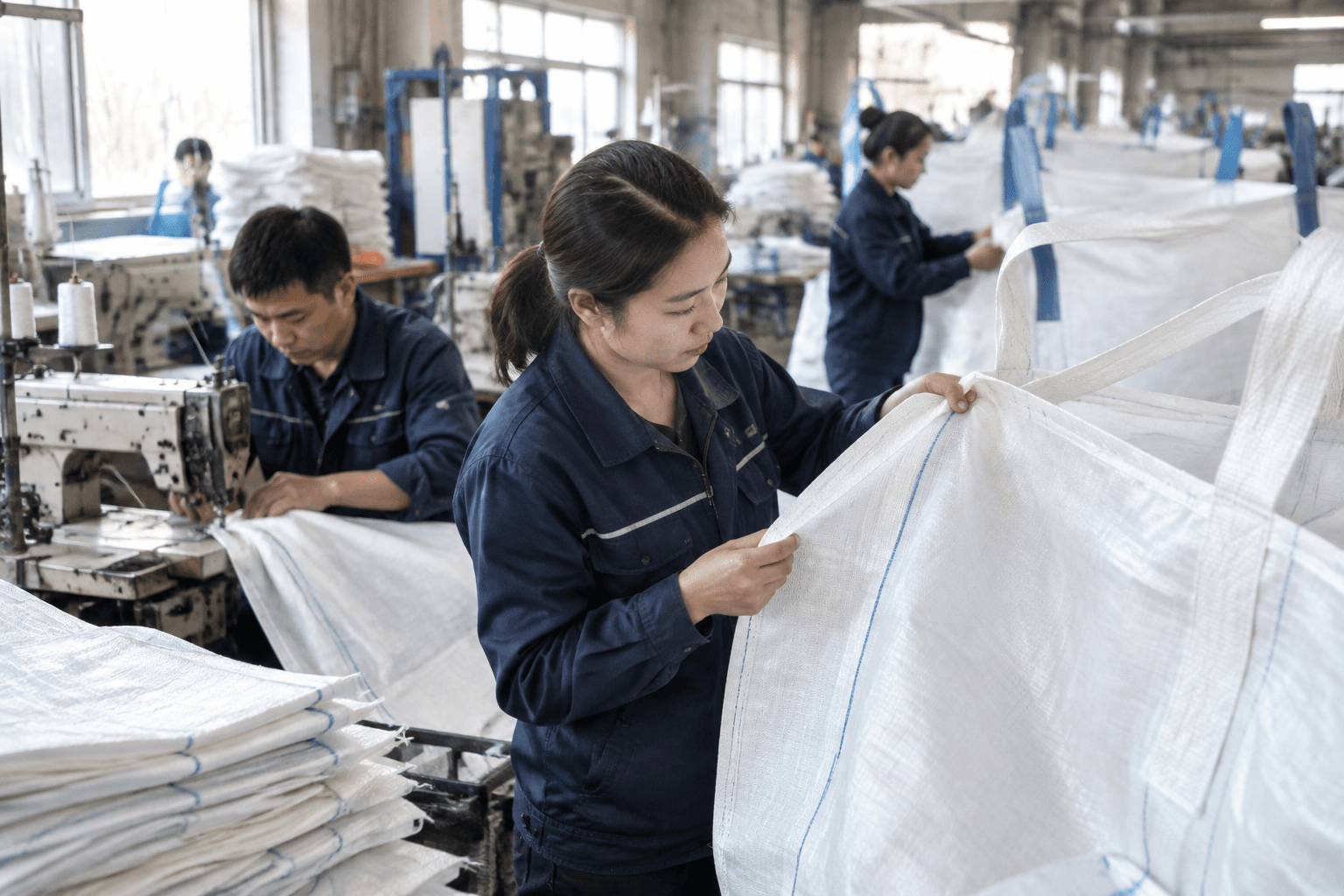
The 140th Canton Fair: New Trends in the Export Market for FIBC Bulk Bags, Jumbo Bags, and PP Woven Packaging
Explore how export buyers can evaluate FIBC bulk bags and PP woven packaging beyond unit price. Get practical guidance on specifications, supplier verification, sustainability requirements, and RFQs—and prepare your next sourcing conversation with COSEK.
Want to know more?
Get in touch with us for more information about our services and products.