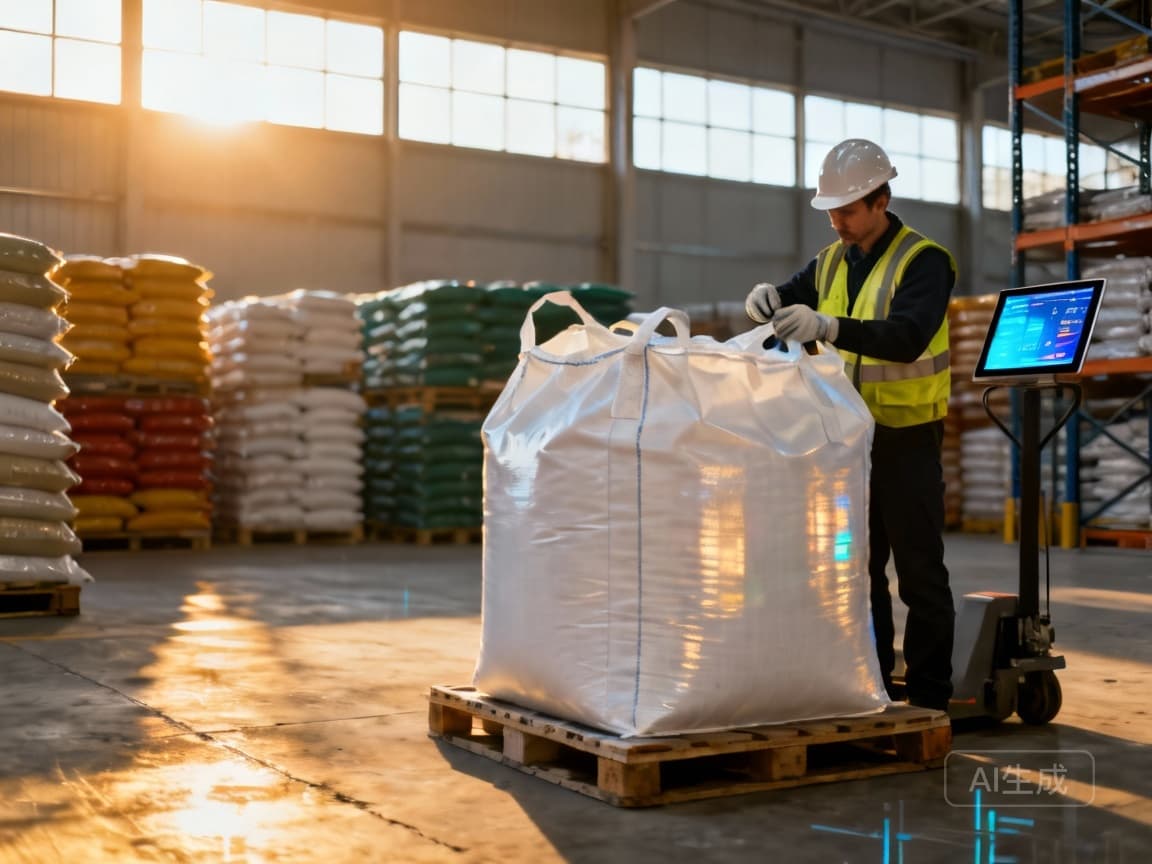
Beyond Leak-Proof: Data-Driven FIBC Strategy Cuts Supply Chain Disruption Risk by 37%
RUNCHEN
AuthorWith more than 25 years of experience in FIBC bulk bag manufacturing and sales, RUNCHEN operates its own production facility with stable batch capacity. We specialize in FIBC bulk bags, jumbo bags, ton bags, and customized industrial packaging solutions.
Beyond Leak-Proof: Data-Driven FIBC Strategy Cuts Supply Chain Disruption Risk by 37%
For decades, the bulk packaging conversation has centered on specifications: weight capacity, material composition, and basic safety compliance. This transactional focus, while necessary, has created a market of commodity products competing on price. Today, leading manufacturers face a more complex set of challenges: building resilient supply chains, achieving sustainability targets, and driving operational efficiency in the face of volatility. It's time to reframe the Flexible Intermediate Bulk Container (FIBC) from a simple cost center to a strategic, data-optimized asset. By applying proven digital transformation frameworks to your packaging strategy, you can transform this critical node in your logistics chain into a powerful lever for risk mitigation and value creation.
Quantifying the Hidden Cost of Packaging Failure
The first step in this strategic shift is moving from qualitative concerns to quantitative risk assessment. Industry insights reveal that improper FIBC handling—such as斜挂 (side-loading), friction, and outdoor exposure—leads to safety hazards and reduced product lifespan. The true cost of a single failure, however, extends far beyond the price of a torn bag.
Consider the ripple effect: a rupture contaminating high-value specialty chemicals or food-grade ingredients. The immediate losses include product scrappage, line downtime, and emergency cleanup. The secondary impacts—missed shipments, reputational damage, and potential regulatory fines—are exponentially greater. As seen in enterprise technology implementations, a structured approach to risk is paramount. For instance, organizations that employed comprehensive training and change management with the Shyft platform saw their ROI realization accelerate by 35%. This principle translates directly to packaging: investing in the right FIBC solution paired with proper procedural adoption isn't an expense; it's an investment that accelerates your "safety and security ROI" by preventing catastrophic, profit-eroding disruptions.
A Three-Phase Framework: From Assessment to Asset Optimization
The journey from a passive packaging purchase to an active risk-management strategy mirrors the successful, data-driven frameworks used in top-tier AI transformations. Drawing from the analysis of over 100 enterprise AI projects by Trendyx-ai, which achieved an average ROI of 544%, we can distill a powerful three-phase methodology for FIBC strategy.
Phase 1: Assess – Diagnose Your Packaging "Data Health"
Every transformation begins with a baseline. Before selecting a single bag, conduct an internal audit. Track metrics like historical loss rates, incident reports related to handling, and unloading efficiency. As the Trendyx-ai data underscores, data quality is the foundation of any successful initiative. This phase is about gathering the hard evidence of your current state, identifying high-risk, high-cost material flows (e.g., the 5000-ton annual production lines mentioned in market insights), and setting clear, measurable goals for improvement.
Phase 2: Pilot – Target a High-Value, High-Risk Scenario
Avoid a costly, full-scale overhaul. Instead, select a controlled pilot for a critical product—such as moisture-sensitive food additives or static-prone powders. Implement a tailored solution, which may include FIBCs with specific barrier properties, static control, or integrated tracking technology. Crucially, replicate the change management success seen in other industries. The Shyft case study, which achieved a 92% adoption rate within the first three months, proves that comprehensive operator training and support are non-negotiable for success. The pilot's goal is to generate clear, localized data on reduced waste, faster turnaround, and improved safety.
Phase 3: Scale and Embed – Institutionalize the Success
With quantifiable results from the pilot, you can build a business case for broader implementation. Translate the pilot's success—e.g., "a 15% reduction in unloading time for Product X"—into revised standard operating procedures. This phase is about partnership. Just as Trendyx-ai found that strategic vendor partnerships increase project success rates, work with your FIBC provider not as a supplier, but as a process optimization partner. They can help standardize specifications, integrate with automated packaging lines (a growing trend noted in market insights), and establish take-back programs for recycling, directly addressing the global push for circular economies and plastic waste management.
The Strategic Outcome: Resilience, Efficiency, and Sustainable Value
This data-driven framework moves the conversation beyond product specs. It aligns your packaging strategy with core executive priorities: supply chain resilience and operational excellence. The impressive 37% average reduction in Customer Acquisition Cost (CAC) from the AI case studies provides a powerful analogy. By systematically optimizing your FIBC strategy, you are effectively reducing your "Supply Chain Disruption Cost"—the analog to CAC in logistics. This encompasses the hard and soft costs of errors, delays, and waste.
Furthermore, this approach seamlessly integrates sustainability. Proactively adopting FIBCs made with recycled content, low-VOC inks, or designed for recyclability is no longer just a compliance exercise. It becomes a strategic component of risk mitigation, future-proofing your operations against tightening environmental regulations while enhancing your brand's market position.
Investing in a strategic, data-informed FIBC program is an investment in predictable, resilient, and efficient operations. It transforms a traditional cost center into a demonstrable source of competitive advantage.
The goal is not to buy a more expensive bag. It is to deploy a systematic solution that protects your revenue, optimizes your processes, and builds a more robust and sustainable supply chain from the ground up.
Related News
Other news you might be interested in
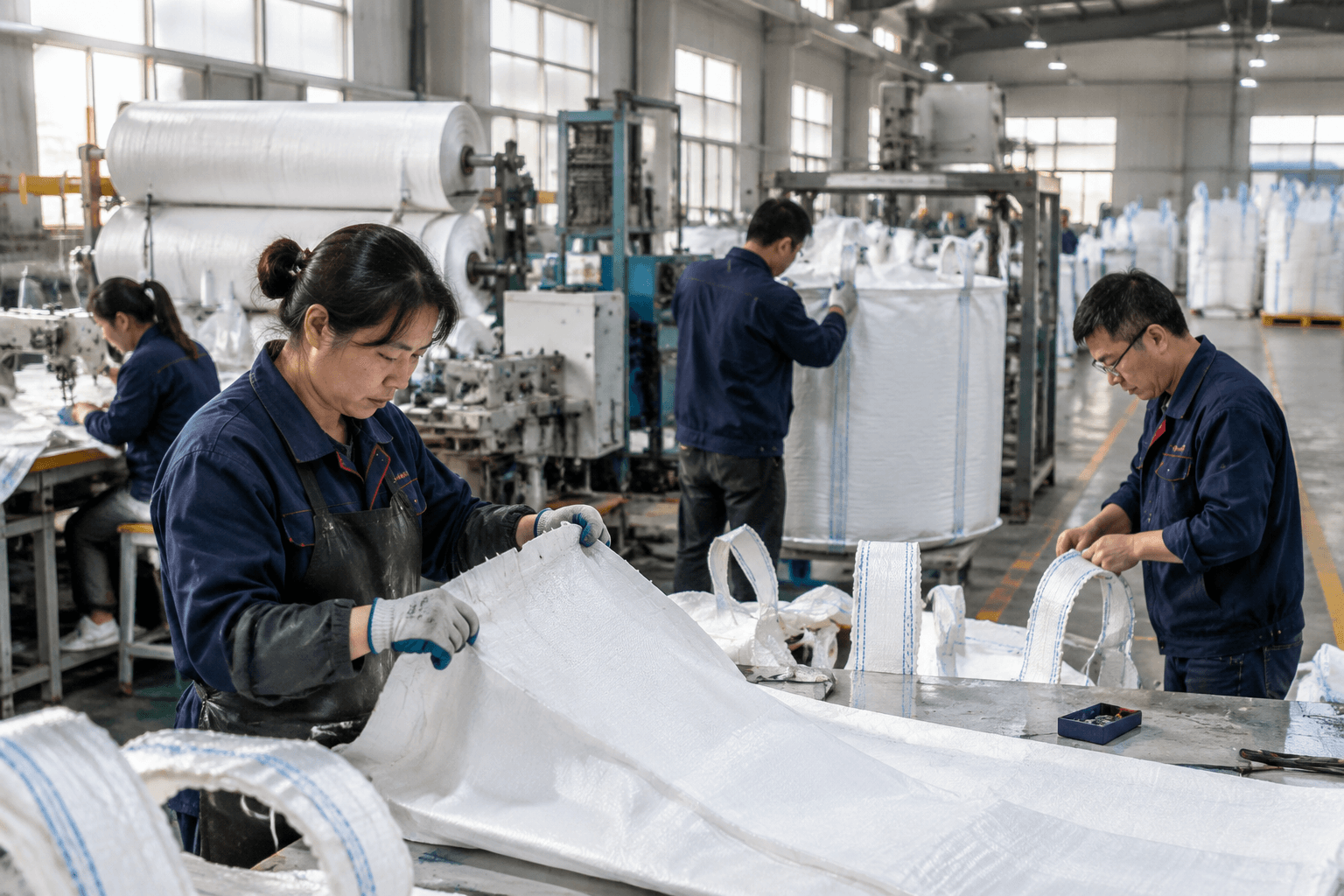
Choosing the Right FIBC Bulk Bag Manufacturing Partner for Reliable, Efficient Packaging Operations
Evaluate FIBC suppliers by application fit, quality control, automation compatibility, traceability, and total cost to improve containment, throughput, compliance, and supply reliability.
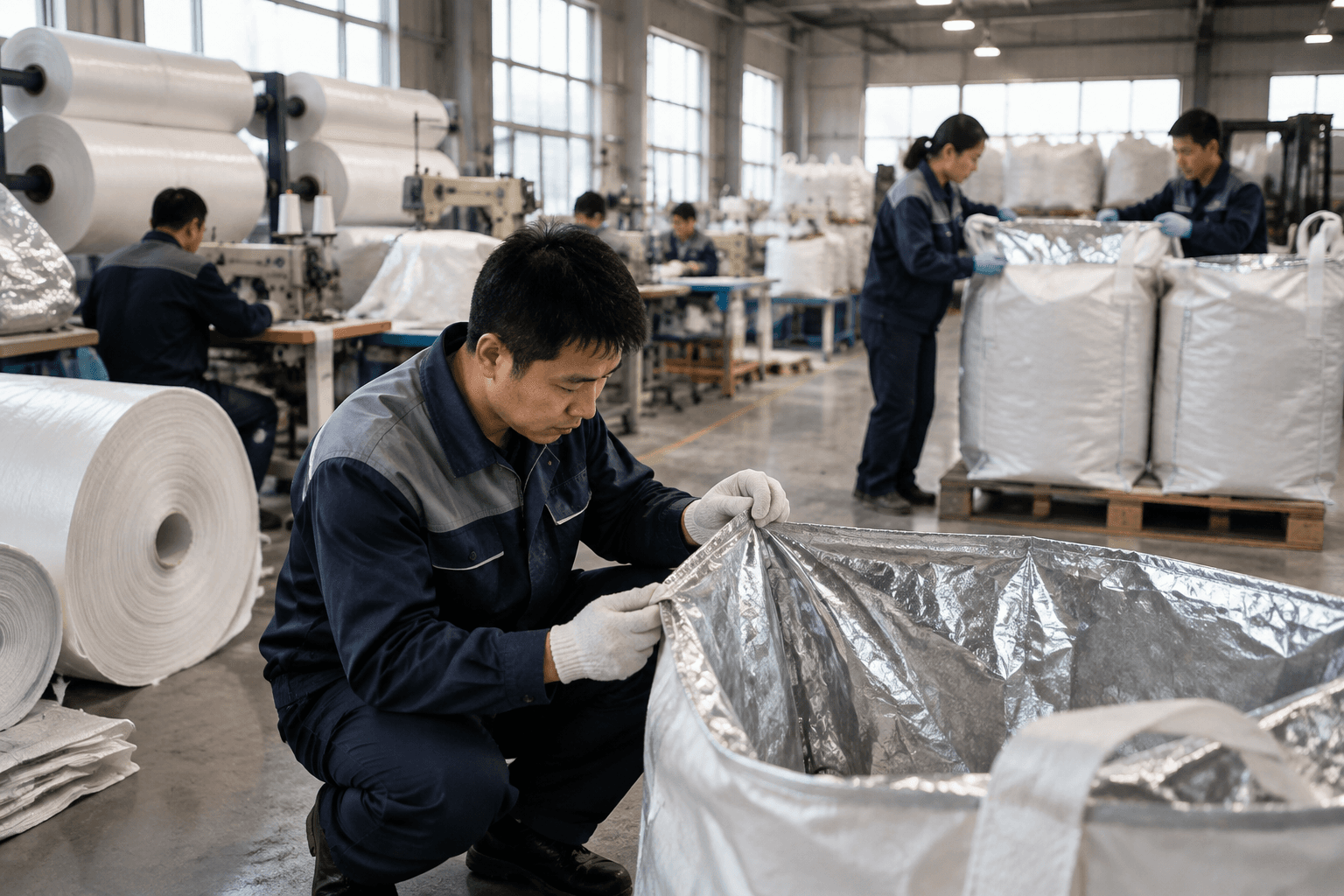
Engineered Ton Bags for Zero-Defect Packaging: Conductive, Formed Liner, and Aluminum Foil Solutions
Discover how conductive ton bags, formed liner bags, and aluminum foil bags eliminate static risk, liner failures, and moisture damage. Request a free packaging assessment and ROI projection.
Want to know more?
Get in touch with us for more information about our services and products.