
Beyond Plastic: FIBC's Supply Chain Value in $1 Trillion Packaging Market #37
RUNCHEN
AuthorWith more than 25 years of experience in FIBC bulk bag manufacturing and sales, RUNCHEN operates its own production facility with stable batch capacity. We specialize in FIBC bulk bags, jumbo bags, ton bags, and customized industrial packaging solutions.
Beyond Plastic Reduction: The Strategic Supply Chain Value of FIBC in Sustainable Packaging Transformation
The global packaging industry stands at a pivotal crossroads, with China's packaging paper market projected to exceed ¥1 trillion by 2025, growing at a 5-6% CAGR. While much attention focuses on plastic reduction, Flexible Intermediate Bulk Containers (FIBCs), commonly known as ton bags, offer far more strategic value than mere environmental compliance. These industrial workhorses are emerging as critical tools for building resilient, efficient, and sustainable supply chains in an era of increasing market volatility and sustainability pressures.
The Evolving Packaging Landscape: More Than Just Green Transition
The packaging industry's transformation extends beyond environmental concerns. With over 4 million tons of new capacity coming online in 2024 and export orders surging in key manufacturing regions, companies face simultaneous pressure to reduce costs while meeting sustainability targets. The projection that green packaging will capture 80% market share reflects not just environmental awareness but fundamental operational restructuring.
Market analysis indicates that the 5-6% CAGR growth isn't merely demand-driven but represents value reconstruction across packaging supply chains, where efficiency gains and sustainability converge to create competitive advantage.
Case Study Deconstruction: Uncovering Hidden Value
Leading companies are already demonstrating FIBC's multifaceted value. Tingyi Holding Corporation's transition to tanker transportation combined with FIBC packaging illustrates how plastic reduction connects to broader operational improvements. Their approach didn't simply replace packaging materials—it transformed raw material logistics, creating a more streamlined and cost-effective supply chain.
Similarly, China Food Limited's implementation of PE ton bags for bottle preform loading, combined with rPETG labels, shows how technical specifications matter. Their experience demonstrates that proper material selection—considering factors like moisture protection, stacking strength, and compatibility with automated handling systems—delivers both environmental and operational benefits.
The Four-Dimensional Value Assessment Framework
To properly evaluate FIBC implementation, companies should consider these interconnected dimensions:
Environmental Dimension
Beyond plastic reduction, calculate comprehensive carbon footprint reduction including transportation efficiency gains, material reuse cycles, and end-of-life processing impacts. Establish baseline metrics for both plastic usage and overall environmental impact.
Operational Dimension
Measure loading efficiency improvements, storage optimization (FIBCs typically require 40-60% less storage space than alternatives), and handling time reduction. These factors directly contribute to bottom-line results often exceeding the environmental benefits.
Supply Chain Dimension
Evaluate transportation cost models (tanker + FIBC combinations can reduce logistics costs by 15-25%), inventory turnover improvements, and supply chain flexibility enhancements. The ability to quickly scale operations up or down provides crucial adaptability in volatile markets.
Compliance Dimension
Address ESG reporting requirements, green certification standards, and regulatory compliance. Proper documentation of sustainability achievements becomes increasingly valuable as stakeholders demand transparency.
Implementation Roadmap: From Assessment to Optimization
Successful FIBC implementation requires a structured approach:
- Packaging Audit and Baseline Establishment: Conduct comprehensive current-state analysis including material flows, handling processes, and cost structures. Document existing pain points and improvement opportunities.
- Pilot Program Design: Develop ROI prediction templates specific to your industry and operations. Include both quantitative metrics and qualitative benefits in your evaluation framework.
- Scalable Implementation: Establish technical standards for full deployment, considering factors like equipment compatibility, staff training requirements, and quality control processes.
- Continuous Optimization: Implement monitoring systems to track performance against targets and identify additional improvement opportunities as operations evolve.
Technical Considerations and Future Trends
As FIBC technology advances, several trends deserve attention:
- Smart FIBC Integration: IoT-enabled bags with tracking sensors provide real-time visibility into location, environmental conditions, and handling parameters
- Advanced Material Science: Developments in polymer technology enhance durability, recyclability, and specialized protective properties
- Circular Economy Integration: Closed-loop systems where FIBCs are designed for multiple lifecycles with take-back programs and refurbishment processes
- Standardization Efforts: Industry-wide standards for dimensions, lifting configurations, and safety factors facilitate interoperability and reduce implementation complexity
Strategic Positioning for Market Leadership
Companies that embrace FIBCs as strategic supply chain tools rather than simple packaging replacements position themselves for success in the evolving packaging landscape. The combination of cost reduction, operational improvement, and sustainability enhancement creates a compelling value proposition that resonates with customers, investors, and regulators alike.
As the packaging industry moves toward its trillion-yuan future, FIBCs represent not just an environmental solution but a comprehensive approach to building more resilient, efficient, and sustainable supply chains. Companies that recognize and leverage this broader value proposition will likely emerge as leaders in the new packaging economy.
Related News
Other news you might be interested in
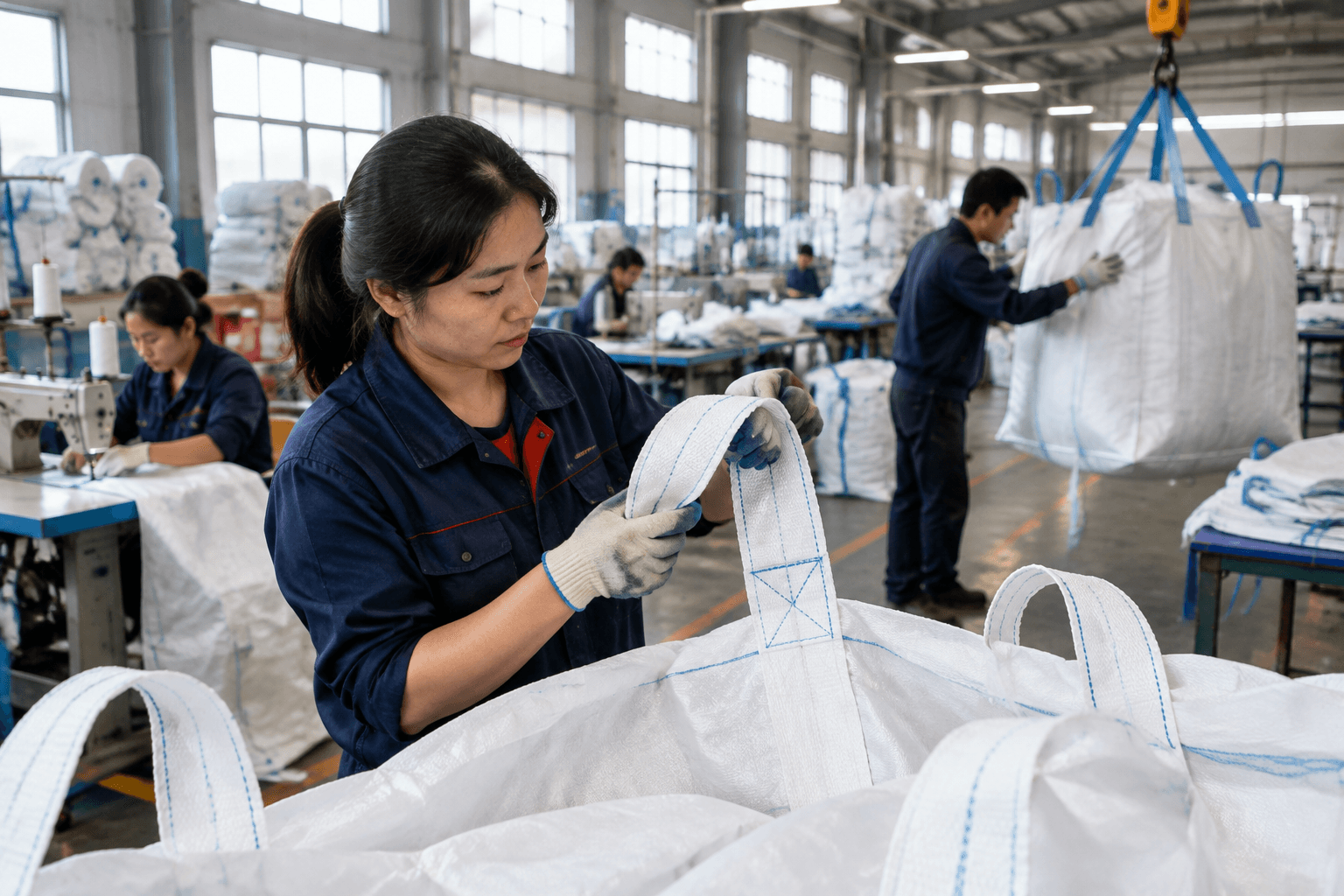
Choosing the Right Bulk Bag Manufacturer for Safer, More Efficient Operations
Learn how to specify bulk bags, evaluate manufacturers, and validate quality and supply reliability to reduce operational risk and support safer, more efficient handling.
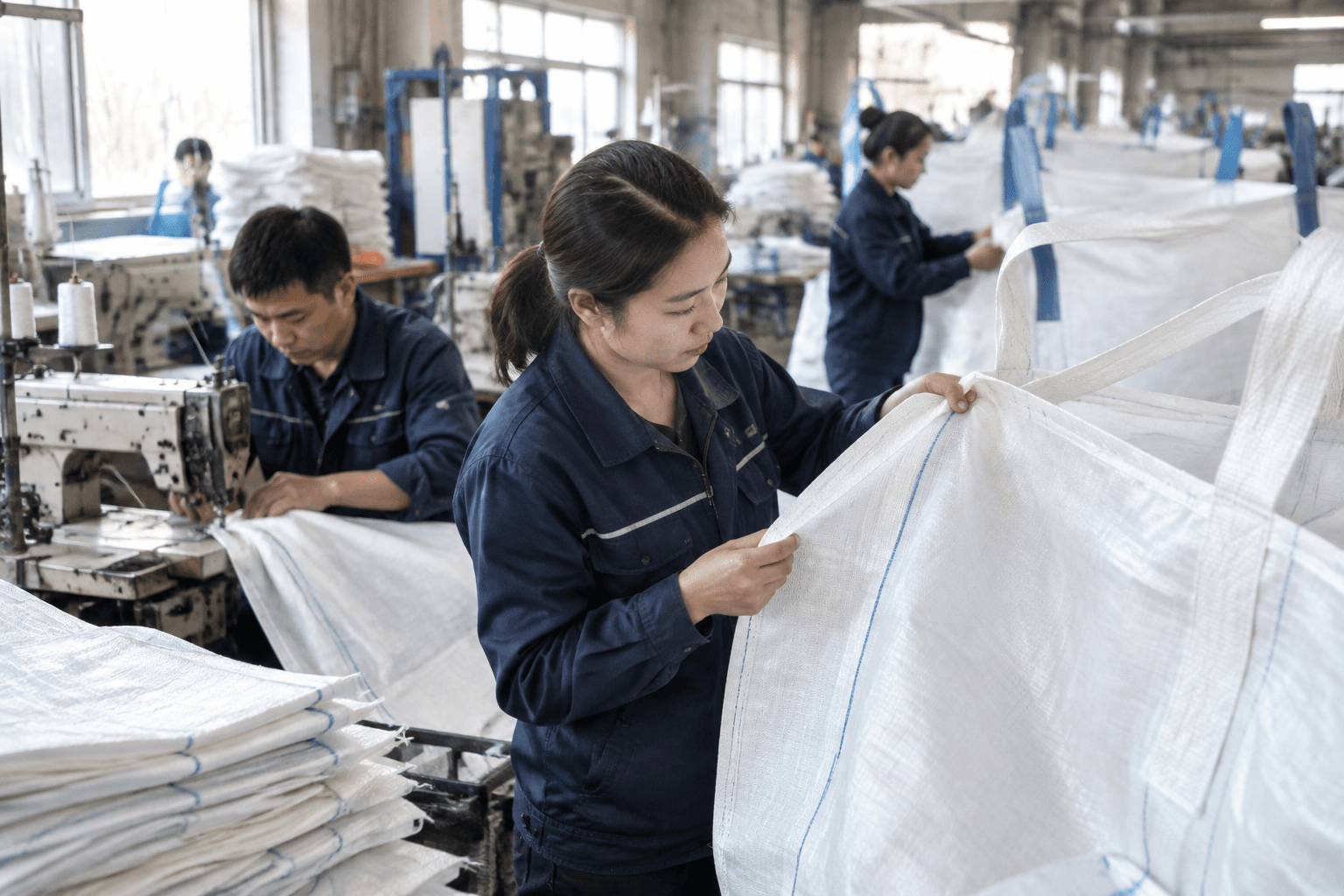
The 140th Canton Fair: New Trends in the Export Market for FIBC Bulk Bags, Jumbo Bags, and PP Woven Packaging
Explore how export buyers can evaluate FIBC bulk bags and PP woven packaging beyond unit price. Get practical guidance on specifications, supplier verification, sustainability requirements, and RFQs—and prepare your next sourcing conversation with COSEK.
Want to know more?
Get in touch with us for more information about our services and products.