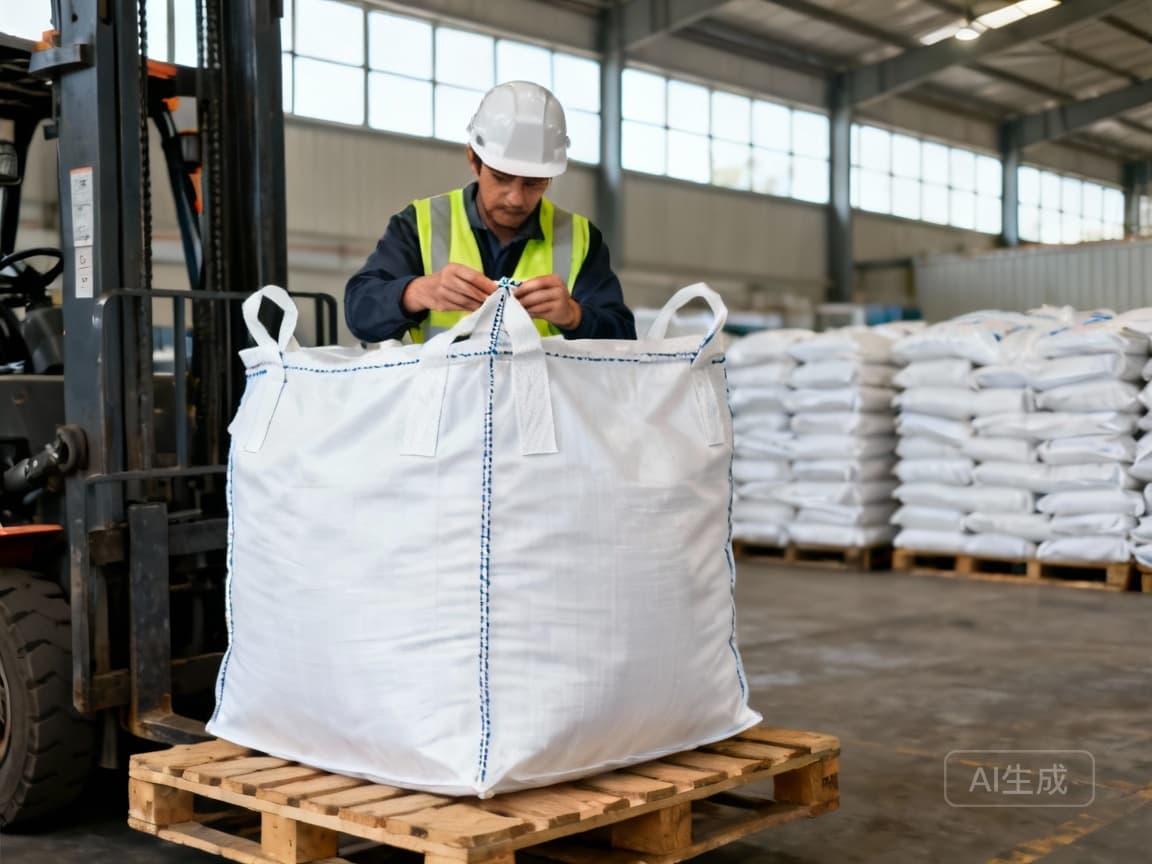
Beyond the Bag: How FIBCs Drive 7.7% Market Growth & Client ESG Goals
RUNCHEN
AuthorWith more than 25 years of experience in FIBC bulk bag manufacturing and sales, RUNCHEN operates its own production facility with stable batch capacity. We specialize in FIBC bulk bags, jumbo bags, ton bags, and customized industrial packaging solutions.
Beyond the Bag: How FIBCs Drive 7.7% Market Growth & Client ESG Goals
The global packaging landscape is undergoing a profound transformation. Driven by stringent ESG mandates, consumer demand, and the pursuit of supply chain resilience, a strategic shift is occurring. For bulk handlers in chemicals, food, and minerals, the Flexible Intermediate Bulk Container (FIBC) is no longer a mere commodity for transport. The global mono-material packaging market, a key indicator of this shift, is projected to grow at a 7.7% CAGR, reaching $4.24 billion in 2025. This growth is fueled by the demand for high-performance, recyclable materials and simplified recovery processes. This article argues that leading FIBC manufacturers are evolving from invisible suppliers into indispensable innovation partners, directly engineering client success in sustainability and operational excellence.
The Strategic Imperative: From Cost Center to Value Engine
Traditional procurement focuses on unit cost and basic compliance—a transactional approach now rendered insufficient. Modern supply chain leaders face multi-faceted pressures: enhancing brand green credentials, meeting regulatory disclosures like the EU's SUP directive, and building operational agility. In this context, the FIBC transitions from a passive container to an active component of a client's strategic goals. The question for decision-makers is no longer "how much does the bag cost?" but "how much value can this packaging system create for our brand, our ESG score, and our bottom line?"
Case in Point: The "Invisible Champion" Model
Consider the trajectory of companies like Trust Group. By embedding itself within the fast-moving consumer goods (FMCG) ecosystem and partnering with national brands for full-chain innovation, it became a pivotal, yet unseen, driver of client market success. This exemplifies a move beyond supplying a product to fostering a value-co-creating partnership. The FIBC becomes integral to the client's product integrity, brand experience, and sustainability narrative.
Three Paradigms for the Modern FIBC Partnership
To harness this value, forward-thinking companies should evaluate FIBC suppliers through three strategic partnership paradigms.
1. The R&D-Driven Innovation Partner
This model, exemplified by firms like Tech-Long, involves proactive investment in future-facing solutions. Tech-Long's commitment to investing 3%-5% of annual revenue in R&D and establishing a national-level research center allowed it to fill industry gaps for global brands. For FIBCs, this translates to developing advanced mono-material constructions that offer both supreme performance and recyclability, or integrating smart features for condition monitoring. This partner doesn't just meet specs; they anticipate challenges in lightweighting, product preservation, and end-of-life recovery, building a formidable technology moat for themselves and their clients.
2. The Full-Lifecycle Solution Partner
Here, the manufacturer provides a seamless system encompassing filling, handling, discharging, and crucially, take-back and recycling. This holistic approach directly addresses the circularity challenge. By offering a closed-loop service, the FIBC supplier ensures packaging waste is captured and regenerated, directly boosting a client's circular economy metrics and minimizing Scope 3 waste emissions. This transforms the FIBC from a single-use item into a managed asset within a circular flow.
3. The Data & Circular Economy Enabler
The most forward-looking paradigm integrates digital and physical infrastructure. FIBCs equipped with RFID or QR code bag tags become IoT nodes, providing real-time data on location, condition, and reuse cycles. This enables unparalleled supply chain transparency, accurate carbon footprint calculation, and optimized asset utilization. Furthermore, the supplier can leverage this data to orchestrate efficient collection and recycling networks.
This evolution points toward a "Packaging-as-a-Service" model, where clients pay for performance and circularity outcomes rather than just physical units.
A Framework for Selecting Your Strategic FIBC Partner
Moving from a transactional to a transformational relationship requires a new evaluation framework. Procurement and sustainability teams should assess potential partners against these key dimensions:
- R&D Commitment: What percentage of revenue is reinvested in R&D? Is there dedicated material science expertise?
- Material Science Leadership: Do they have proven, commercially viable mono-material FIBC solutions that balance performance and recyclability?
- Circular Service Offering: Do they provide a clear take-back, recycling, or refurbishment program? What is their network coverage?
- Collaborative Design Process: Can they engage in co-creation to solve your specific supply chain or sustainability challenges?
- Data Capability: Can they provide digital solutions for tracking, tracing, and reporting on packaging lifecycle data?
The partnership should commence with a well-defined pilot project—such as developing a custom, recyclable FIBC for a new product line—to build trust and demonstrate tangible value before scaling.
Conclusion: Engineering the Future, One Container at a Time
The 7.7% CAGR in mono-material packaging is a clear market signal: sustainability and performance are converging. For bulk material handlers, the FIBC is a critical leverage point in this transition. By choosing a partner that embodies the roles of innovator, solution provider, and circularity enabler, companies do more than source packaging. They invest in a foundational technology for a resilient, sustainable, and transparent supply chain. The future belongs not to those who simply buy bags, but to those who build strategic partnerships to reengineer the flow of materials for a circular world.
Related News
Other news you might be interested in
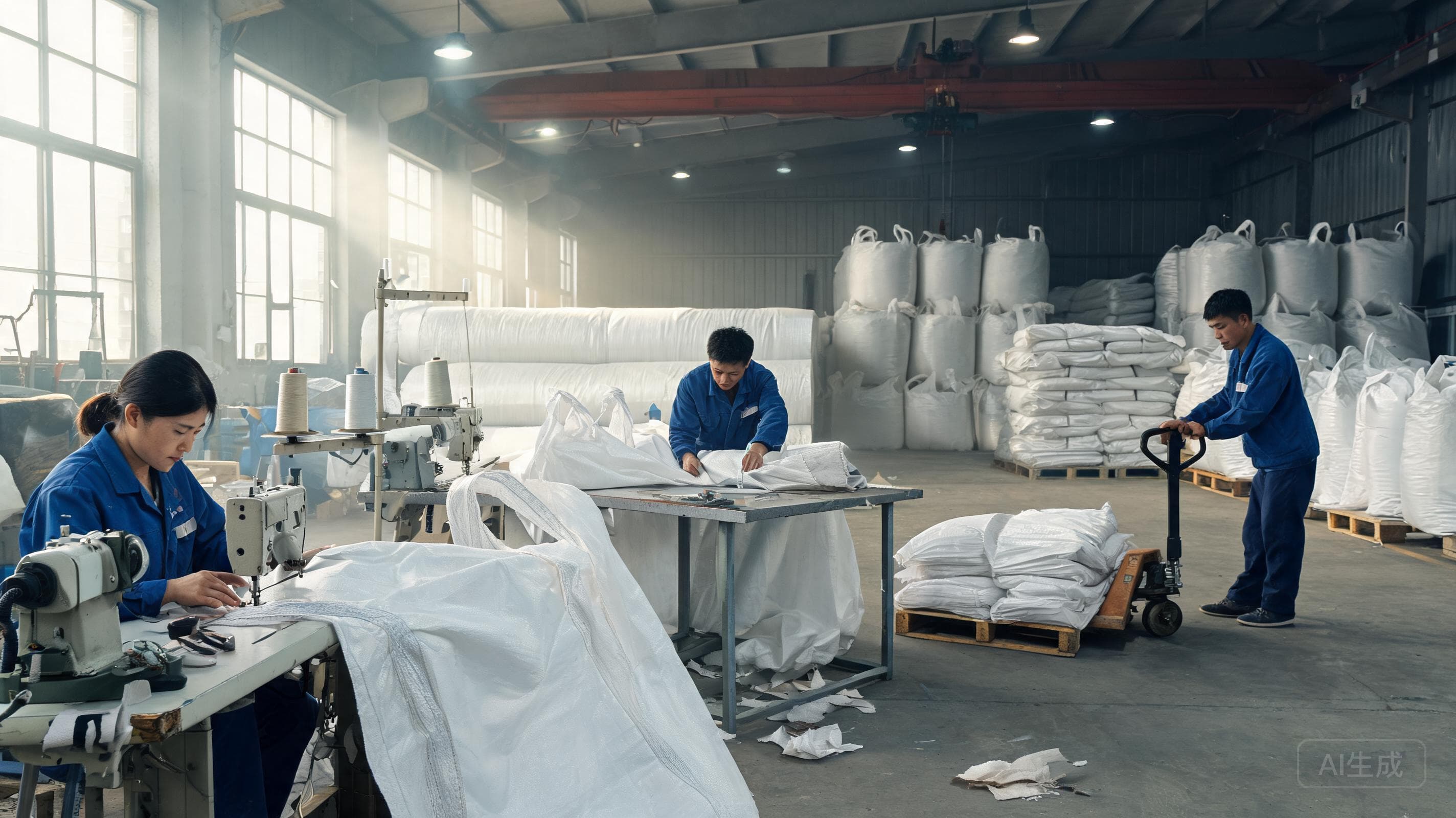
Sustainable Bulk Bag Solutions: Driving ESG Compliance, Cost Reduction, and Supply Chain Efficiency for Industrial Enterprises
See how COSEK bulk bags help industrial enterprises reduce packaging and logistics costs, support ESG reporting, protect product integrity, and improve supply chain efficiency with fit-for-purpose designs.
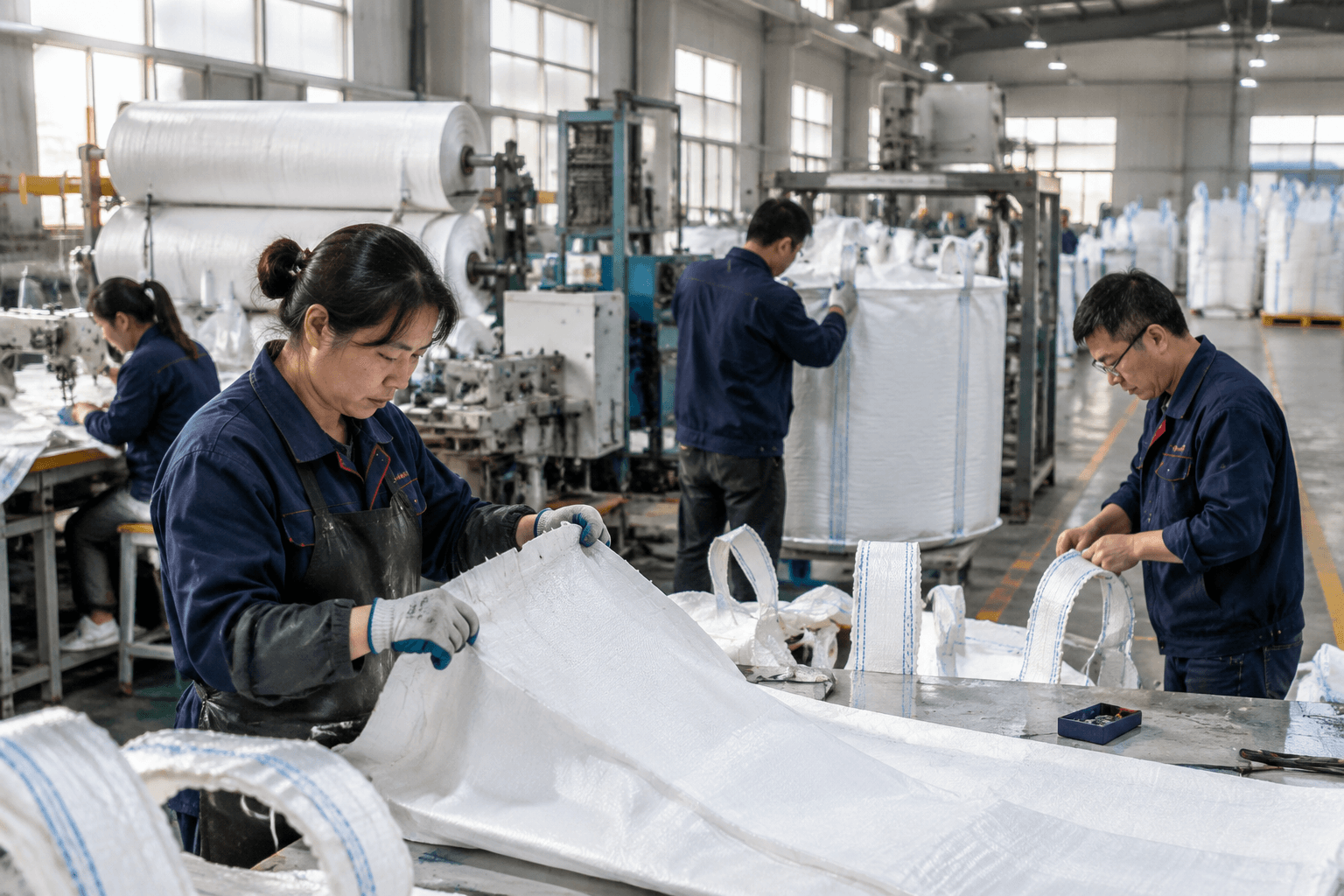
Choosing the Right FIBC Bulk Bag Manufacturing Partner for Reliable, Efficient Packaging Operations
Evaluate FIBC suppliers by application fit, quality control, automation compatibility, traceability, and total cost to improve containment, throughput, compliance, and supply reliability.
Want to know more?
Get in touch with us for more information about our services and products.