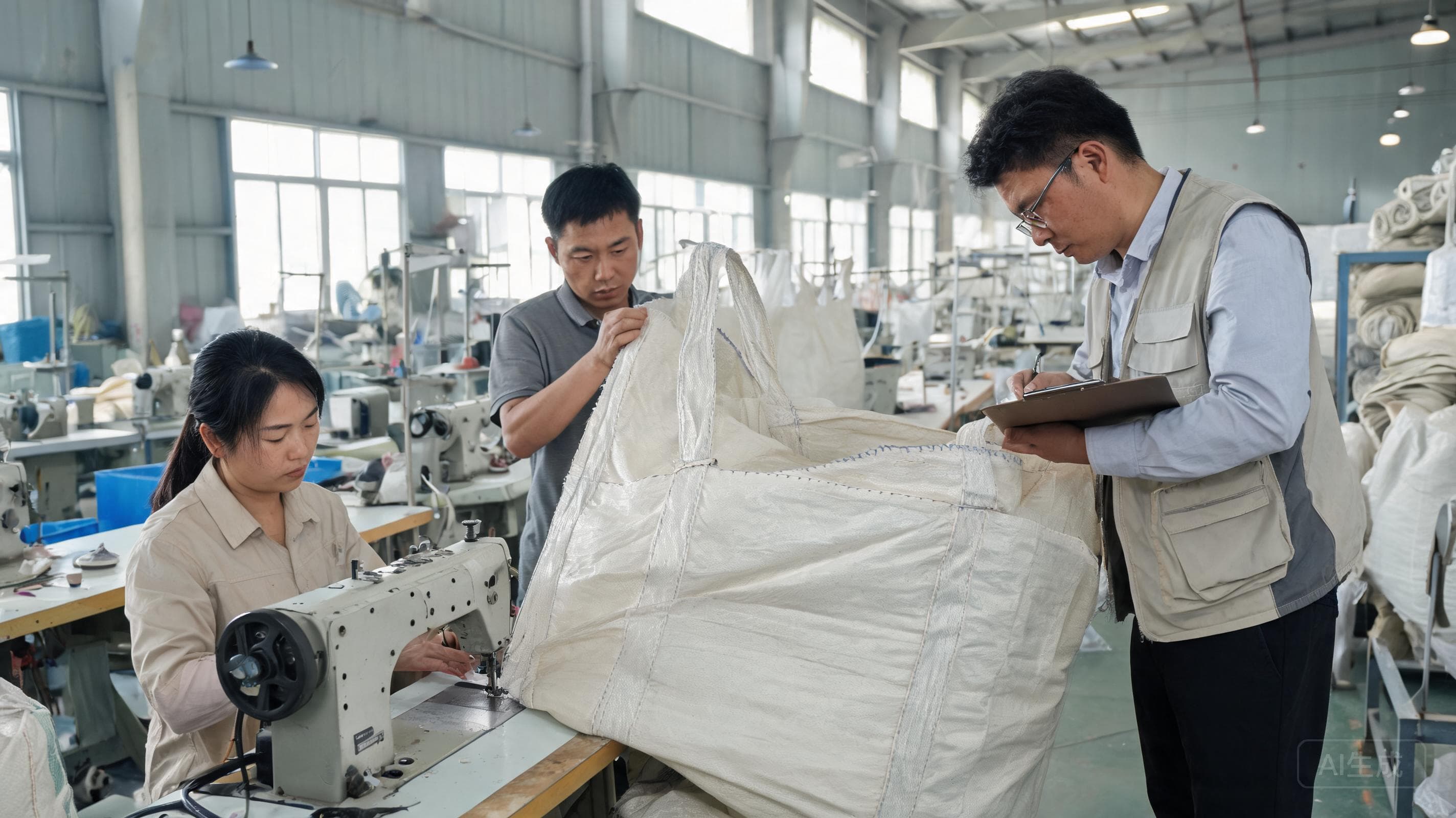
Choosing the Right FIBC Bulk Bag Manufacturer for Safer, More Efficient Packaging
RUNCHEN
AuthorWith more than 25 years of experience in FIBC bulk bag manufacturing and sales, RUNCHEN operates its own production facility with stable batch capacity. We specialize in FIBC bulk bags, jumbo bags, ton bags, and customized industrial packaging solutions.
Packaging Decisions Affect More Than Shipping Costs
For procurement and operations teams, packaging must protect its contents, work with filling and handling equipment, meet applicable requirements, and support waste-reduction goals. A mismatch can cause product loss, line delays, compliance concerns, or avoidable packaging waste.
The right FIBC bulk bag manufacturer will help turn your product, process, destination, and handling conditions into a clear specification that can be reviewed, tested, and produced consistently. Selecting a bag by unit price alone can overlook costs and risks elsewhere in the operation.
Start With the Product and Handling Requirements
Begin with the material. Share its density, flow characteristics, moisture sensitivity, and particle size, along with any food-contact requirements or hazardous classification. These details can influence fabric, liner, seams, lifting loops, and filling and discharge features, as well as the documentation required for the intended use.
Then map the bag’s full journey: filling, storage, lifting, transport, discharge, and disposal or reuse where applicable. Confirm the required safe working load, safety factor, dimensions, lifting configuration, liner requirements, and filling and discharge design with the manufacturer. Include the equipment and operating practices the bag will encounter—not just the target capacity.
An early specification review gives procurement, quality, and operations teams a shared basis for assessing samples and quotations. It can also help prevent product contamination, inefficient filling, bag failure, and costly changes after production begins.
Match Bag Design to the Application
Different materials and processes call for different FIBC features. Use the application—not a general product description—as the starting point for selection:
- Electronic components and cleanroom-sensitive operations: Consider an anti-static FIBC designed for the application. Confirm the required level of electrostatic protection and handling protocol.
- Regulated dangerous-goods shipments: Evaluate a UN-certified FIBC. Verify that the specific packaging configuration, contents, and transport use meet applicable requirements.
- Leakage-sensitive products: Assess a leak-proof bag against the material’s particle size, filling method, and discharge needs. Confirm suitability under your operating conditions.
- Food and agricultural products: Consider food-grade or integrated FIBC designs. Request relevant food-contact documentation and details of production controls for the quoted bag.
- Contents that benefit from visual inspection: Consider a bag designed to make contents visible for products such as sugar, flour, or grain, subject to your hygiene and product-protection requirements.
- Versatile industrial use: Compare general-purpose and square-bottom FIBCs against site equipment, stacking practices, and storage requirements.
- Smaller batches or moisture-sensitive materials: Consider a small bulk bag or a moisture-resistant design, as appropriate for the product and storage conditions.
Product categories are a starting point, not a substitute for qualification. Ask the manufacturer to confirm that the proposed construction suits your product, process, and destination before approving a design.
Check Manufacturing Quality Before Comparing Quotes
A competitive price matters, but so does confidence that every bag will match the approved specification. Ask how the manufacturer controls incoming materials, weaving, cutting, sewing, inspection, and final packing. Request application-relevant specifications and quality records, such as dimensions, load-test information, and seam inspection details.
For food, cleanroom, or dangerous-goods applications, clarify which certifications or test reports are available and whether they apply to the exact bag design being quoted. Also review traceability, sample approval, change control, and procedures for handling nonconforming products.
Agree on requirements and inspection criteria before production starts. Clear documentation helps both parties understand what constitutes an acceptable order and makes it easier to assess supplier claims.
Evaluate Total Cost and Operational Fit
Compare the full delivered cost, not just the price per bag. Account for freight, storage, filling efficiency, potential product loss, and disposal or recovery considerations. A lower-priced bag may cost more overall if its dimensions slow the filling line or its construction does not suit the discharge process.
Check compatibility with existing filling, lifting, palletizing, and discharge equipment. Discuss order quantities, lead times, sample availability, customization, and capacity planning before committing to a production schedule. These details help prevent a technically suitable bag from becoming an operational bottleneck.
Include packaging reduction and waste-management goals in your evaluation. Ask suppliers to support sustainability claims with specific information about materials, reuse, or waste management rather than relying on general statements.
Verify Evidence and Application-Specific Claims
Industry trends and case studies can help identify questions to ask, but they do not prove that a particular bag will perform as required. Likewise, a certification or test result is relevant only when it applies to the specific product design and intended use.
Ask suppliers for documentation and application-specific validation to support claims that matter to your purchasing decision. Keep performance, compliance, and sustainability claims tied to evidence that applies to the product and process under review.
Use a Practical Supplier Qualification Checklist
Before selecting an FIBC bulk bag manufacturer, confirm that the supplier can answer these questions clearly:
- Can the supplier recommend a bag structure based on the product, filling line, handling conditions, and destination?
- Can they provide samples, drawings, specifications, and relevant test or compliance documents for review?
- Are production capacity, minimum order quantities, lead times, and customization options clearly stated?
- Can quality expectations, inspection criteria, packaging, and delivery terms be documented before order confirmation?
- Is there a clear process for technical questions, sample feedback, and corrective action if a specification is not met?
These answers help you compare suppliers on production control, responsiveness, and operational fit—not price alone.
Make the First Order Lower Risk
Prepare a written application brief covering product type, bag dimensions, load requirements, lifting and discharge details, storage conditions, destination, and applicable compliance needs. Ask the supplier to confirm its assumptions and identify missing information before producing samples or a formal quotation.
Where appropriate, evaluate a sample or pilot under representative operating conditions before moving to recurring orders. Agree on acceptance criteria, documentation, delivery schedule, and communication checkpoints before production begins. This gives your teams a clear basis for approving the bag and addressing issues early.
Request an Application Review and Quote
Share your product and handling requirements with COSEK to get a tailored FIBC recommendation. The product range includes options for food-grade, anti-static, UN-certified, leak-proof, moisture-resistant, general-purpose, and small-bag applications.
For a focused review, provide your product type, target capacity, preferred dimensions, filling and discharge methods, destination, and compliance or documentation requirements. COSEK can help assess a suitable design and advise on the next step, whether that is a sample request, specification review, or project quotation.
Send COSEK your FIBC requirements to request an application review and project-specific quote.
Related News
Other news you might be interested in
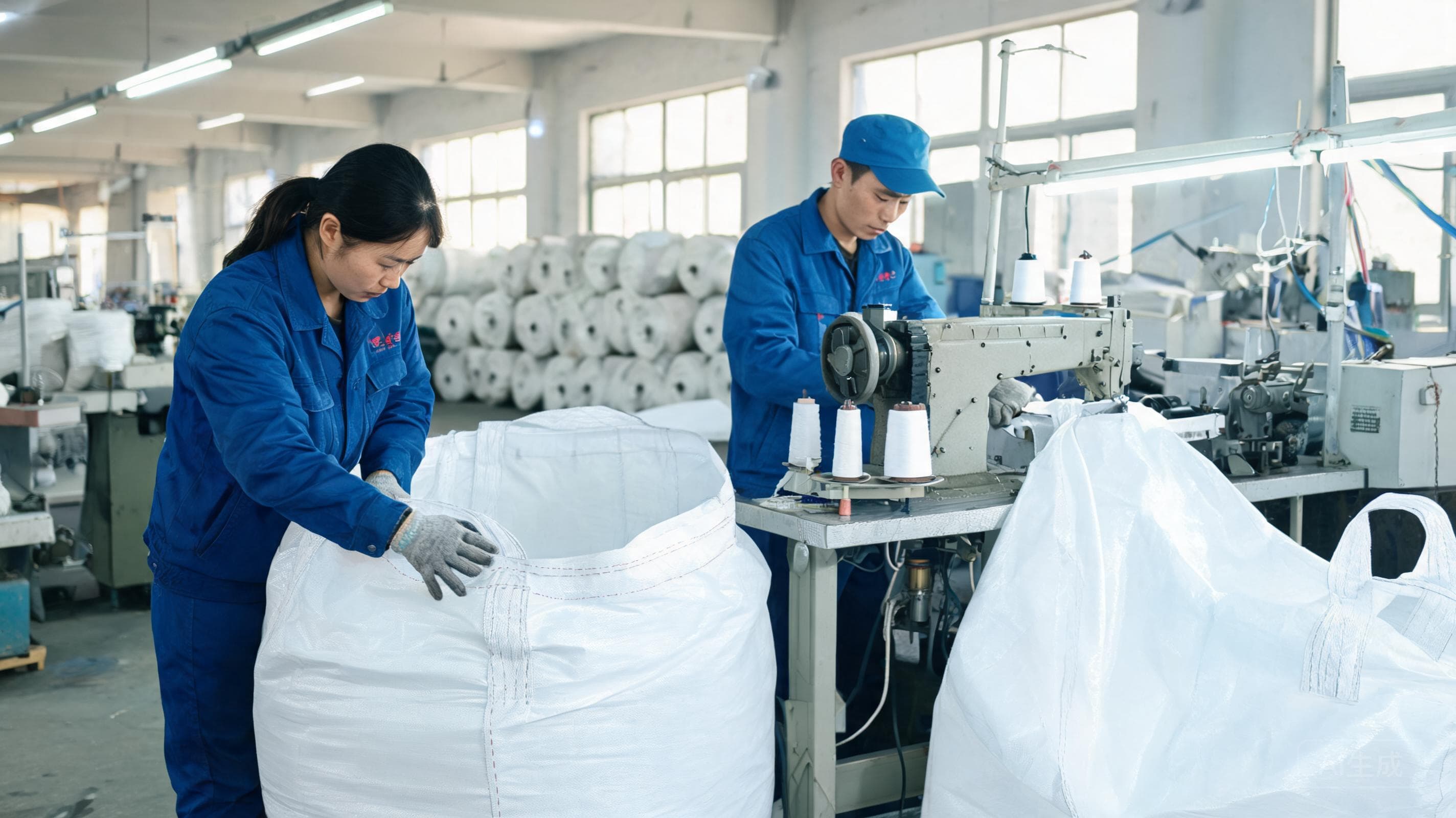
Choosing the Right FIBC Bulk Bag Supplier for Safer, More Efficient Packaging Operations
Use product, process, safety, and quality requirements to compare FIBC suppliers. Learn how to define specifications, run a controlled trial, and assess total cost.
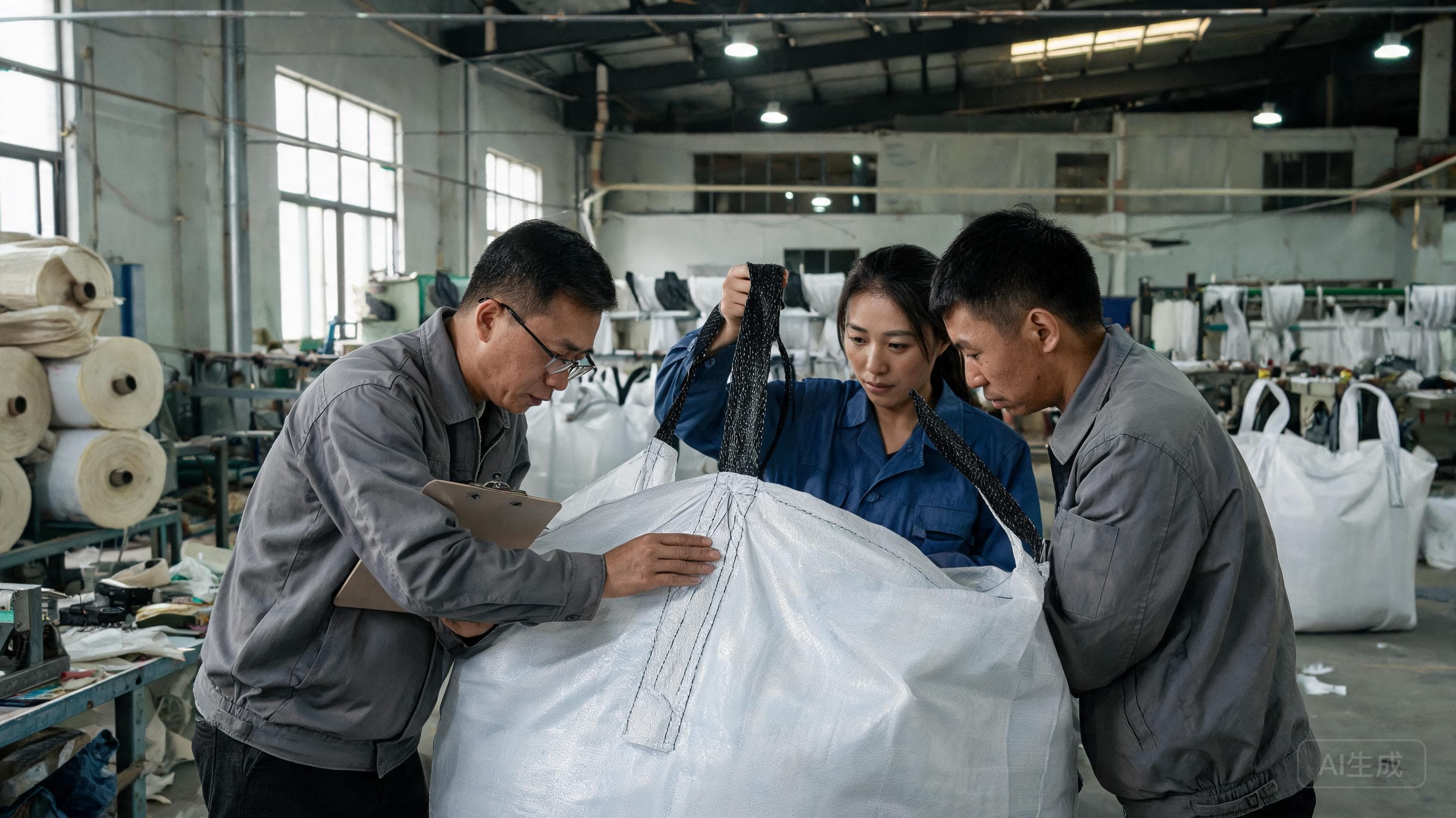
How to Choose a FIBC Manufacturer That Reduces Packaging Risk and Supports Growth
Evaluate FIBC manufacturers on application fit, verified quality controls, compliance, delivery capability, and total cost. Use this practical framework to prepare an RFQ and reduce packaging risk.
Want to know more?
Get in touch with us for more information about our services and products.