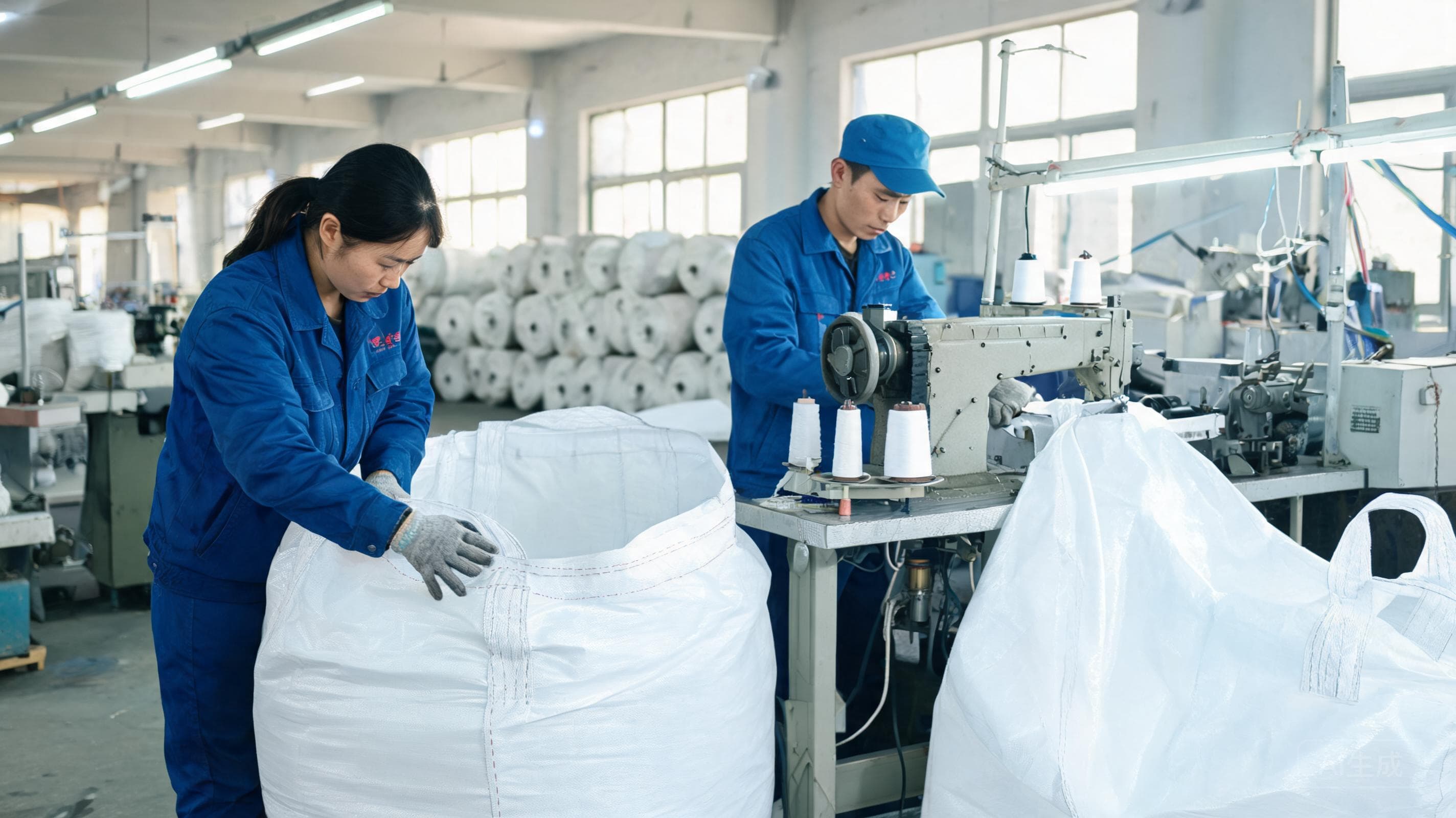
Choosing the Right FIBC Bulk Bag Supplier for Safer, More Efficient Packaging Operations
RUNCHEN
AuthorWith more than 25 years of experience in FIBC bulk bag manufacturing and sales, RUNCHEN operates its own production facility with stable batch capacity. We specialize in FIBC bulk bags, jumbo bags, ton bags, and customized industrial packaging solutions.
Packaging decisions are operational decisions
Manufacturers, distributors, and procurement teams face demanding packaging requirements. Bags must protect products, work with filling and handling processes, control costs, and meet customer and sustainability expectations. A mismatch between bag design and operating conditions can lead to product damage, handling delays, excess packaging waste, or safety concerns.
At the 2025 WEPACK World Packaging Industry Expo, more than 100 packaging experts were expected to address over 300 packaging issues. For buyers, the practical question is clear: how can you specify an FIBC bulk bag that performs reliably throughout the supply chain and delivers measurable value?
Why FIBC specifications deserve closer attention
An FIBC is part of a packaging and material-handling system, not simply a container selected by dimensions or unit price. Product characteristics, filling equipment, lifting methods, storage conditions, transport routes, and discharge procedures all influence which design is appropriate.
An unsuitable specification can contribute to product loss, downtime, rework, additional protective packaging, and avoidable waste. Compare alternatives by total cost of use as well as purchase price, using your own operating data to understand differences in cost and performance.
Start with the product and handling process
A useful supplier recommendation starts with details about the product: its type, bulk density, flow behavior, particle size, moisture sensitivity, and specific handling or storage requirements. Map the full journey from filling and lifting through storage, transport, and discharge, noting the equipment used at each stage.
Define the intended load, bag dimensions, filling and discharge configuration, lifting method, and whether the bags will be used once or reused. Before requesting quotations, document operating constraints and recurring problems. This gives suppliers a sound basis for recommendations and helps your team compare proposed designs on a like-for-like basis.
Match bag construction to the application
Different constructions may suit different operating needs. An Internal reinforcement ton bag may be worth evaluating when internal reinforcement is relevant to the load, bag configuration, or handling conditions. Consider the COSEK Tear-Resistant FIBC Bulk Bag when tear resistance is a purchasing priority. A Top-Lift Bulk Bag may be appropriate when the lifting equipment and requirements call for it. A COSEK Ventilated Bulk Bag can be considered when the application requires ventilation.
Product names alone do not establish suitability. Ask the manufacturer to confirm construction details, intended use, handling requirements, and relevant testing or quality documentation against your specific product and operating conditions.
Make safety and quality part of supplier evaluation
Review the supplier’s quality-control process, specification documentation, traceability practices, and ability to maintain consistent production. Ask how bag performance is verified against the agreed design and intended handling conditions. Include plant-floor safety and material handling in your assessment, especially where bags interact with lifting equipment, automated lines, or high-risk production environments.
The Ningbo Nottingham University technology case material highlights the importance of hazard detection and factory safety in manufacturing environments; it is not an assessment of FIBC performance. Align documentation and testing requirements with your markets, customer expectations, and internal compliance procedures.
Evaluate sustainability through measurable operating changes
Packaging choices can affect material use, waste streams, product loss, and the number of packaging components required. The Xiaomi Beijing factory hazardous-waste reduction case, which reported attention to high proportions of disposable packaging, illustrates why manufacturers are examining packaging waste across the supply chain.
Do not assume that a particular FIBC automatically reduces environmental impact. Compare actual material use, packaging life, product protection, and end-of-life arrangements. If you have sustainability targets, track baseline packaging consumption, waste volumes, and damage rates, then measure changes after a specification or process adjustment.
GOTS implementation illustrates the broader importance of documented standards and supply-chain expectations in textile-related markets. Confirm which requirements apply to your product and customer rather than assuming a standard is relevant to every application.
Look beyond unit price to business value
A useful total-cost comparison includes bag price, filling and discharge efficiency, handling labor, storage utilization, product loss, damage, and disposal. Establish a baseline before changing suppliers or specifications, then review the same operational measures after implementation.
Potential value drivers include fewer handling interruptions, packaging better suited to the product, more consistent supply, and reduced avoidable waste. Validate each in your own operation. The Xiaomi case and the Austrian Business in China publication provide context for interest in operational efficiency and business relationships, not proof of a specific FIBC return on investment. Treat the “4 million” figure associated with an on-site guide as unverified unless its source, unit, timeframe, and relevance are confirmed; do not use it as an ROI claim.
Questions to ask before requesting a quotation
- What product will the bag contain, and what are its handling, storage, and protection requirements?
- What load, dimensions, filling and discharge methods, lifting equipment, and transport conditions should the design accommodate?
- Which construction options—including an Internal reinforcement ton bag, COSEK Tear-Resistant FIBC Bulk Bag, Top-Lift Bulk Bag, or COSEK Ventilated Bulk Bag—could suit the stated application?
- What quality records, testing information, customization options, lead times, and production capacity can the supplier provide?
- Can the supplier support sampling, specification review, and a controlled trial before a larger order?
- How will both parties define success, and which quality, delivery, handling, or waste measures will be reviewed?
Move from specification to supply agreement
- Share product and process details. Include operating constraints and the problem you want to solve.
- Request a written recommendation. Ask the supplier to connect proposed bag features to your application rather than relying on a generic product description.
- Review samples and documentation. Involve procurement, operations, safety, and quality teams in reviewing specifications and relevant quality records.
- Run a controlled trial. Test under representative conditions and record the agreed performance measures.
- Confirm the supply agreement. Finalize the specification, order quantities, delivery expectations, and change-control process before scaling supply.
A responsive manufacturer can be a technical and operational partner, but buyers should verify claims and retain responsibility for final application approval.
Turn your packaging requirements into a supplier conversation
The right FIBC is specified for your product, process, handling conditions, and measurable business requirements. Share your current bag specification, application details, and recurring packaging challenges when requesting a supplier review. For a more useful initial response, include your target load, bag dimensions, filling and discharge requirements, lifting method, destination, and expected order volume. You can also discuss customization or arrange a sample evaluation for the relevant COSEK product.
Related News
Other news you might be interested in
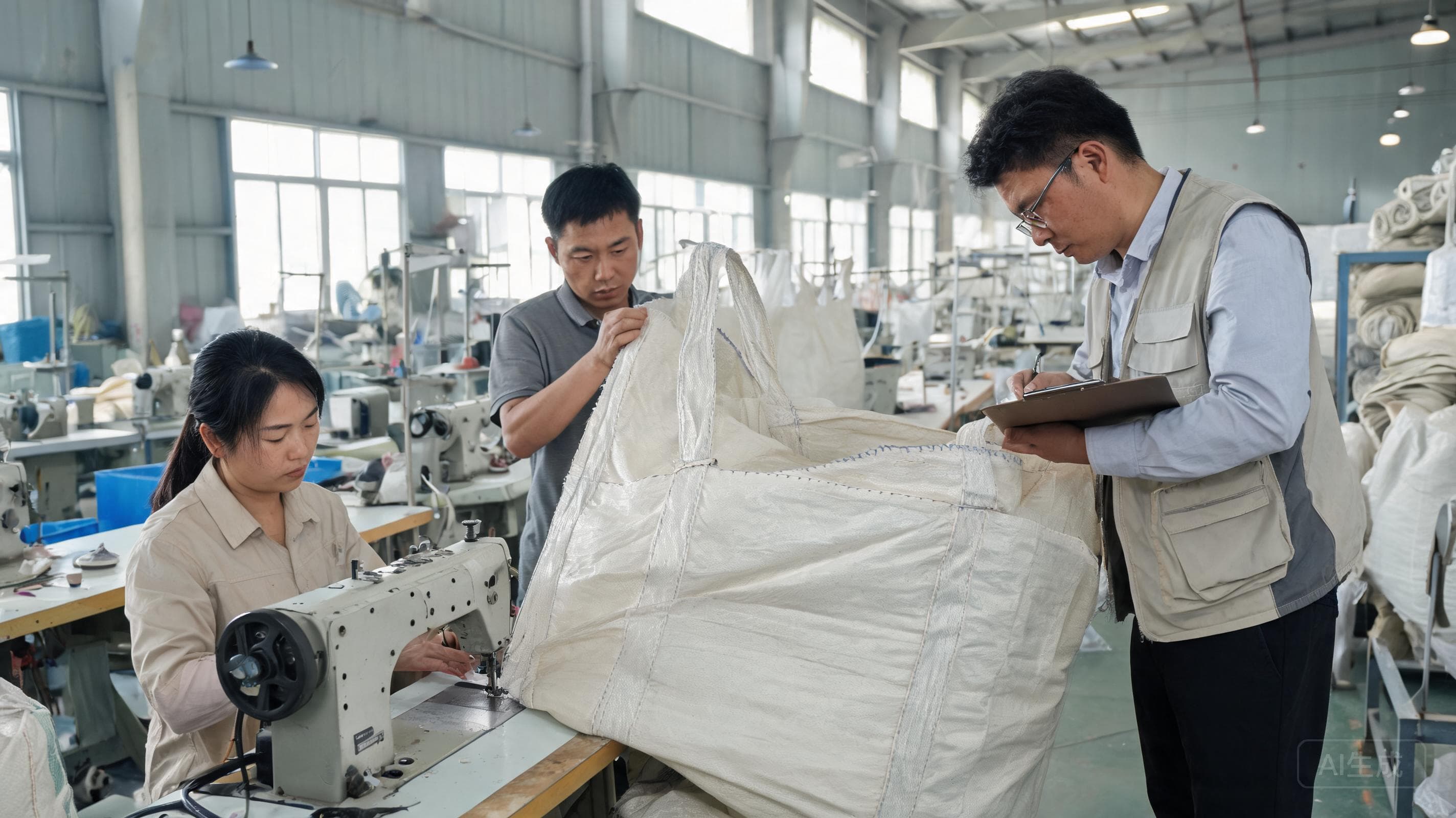
Choosing the Right FIBC Bulk Bag Manufacturer for Safer, More Efficient Packaging
Compare FIBC manufacturers on application fit, quality controls, compliance, and total cost. Use this practical checklist to specify the right bag and plan a lower-risk first order.
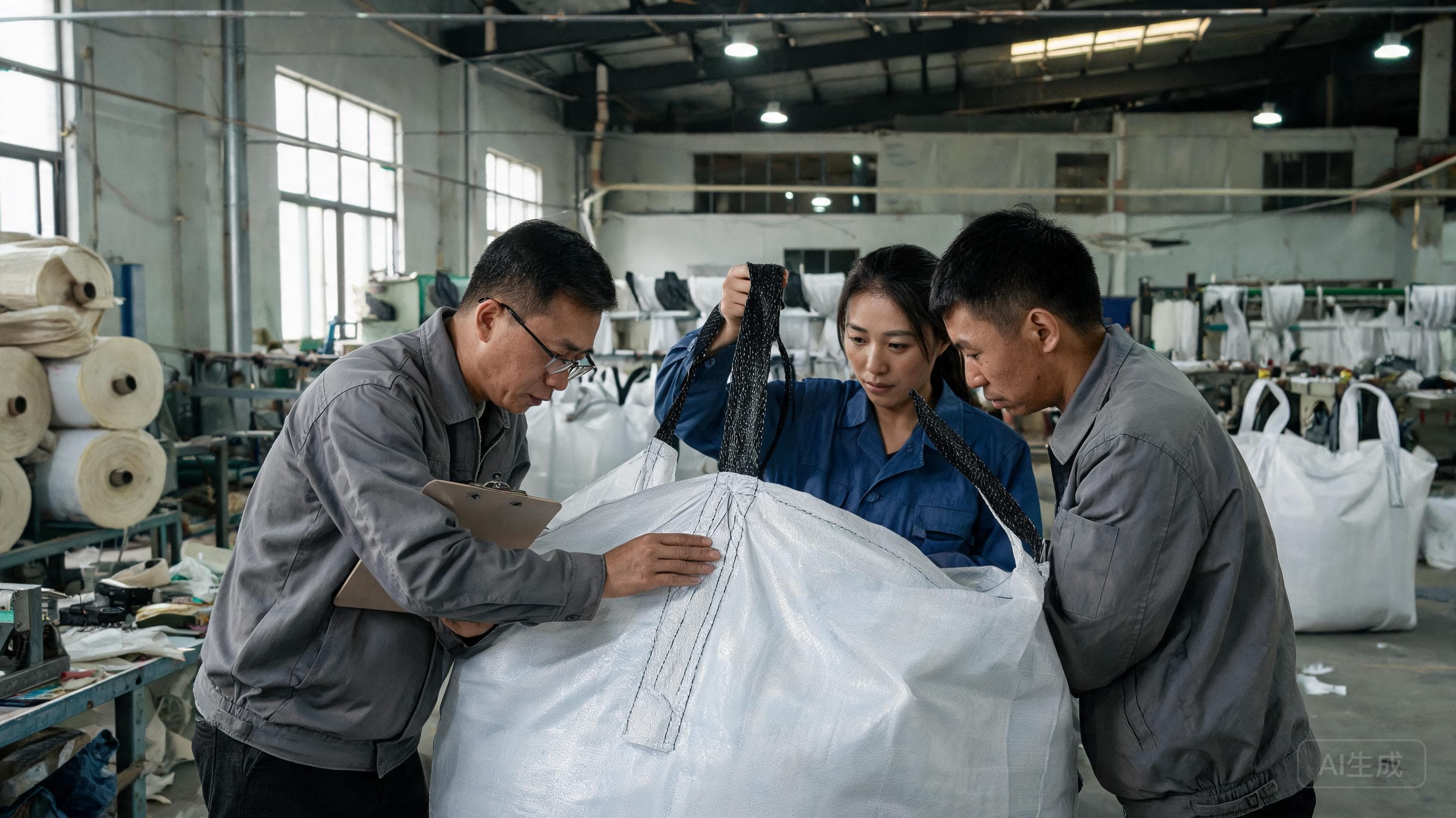
How to Choose a FIBC Manufacturer That Reduces Packaging Risk and Supports Growth
Evaluate FIBC manufacturers on application fit, verified quality controls, compliance, delivery capability, and total cost. Use this practical framework to prepare an RFQ and reduce packaging risk.
Want to know more?
Get in touch with us for more information about our services and products.