
Choosing the Right FIBC Bulk Bag Supplier for Safer, More Efficient Operations
RUNCHEN
AuthorWith more than 25 years of experience in FIBC bulk bag manufacturing and sales, RUNCHEN operates its own production facility with stable batch capacity. We specialize in FIBC bulk bags, jumbo bags, ton bags, and customized industrial packaging solutions.
When packaging problems become production problems
A bulk bag failure can quickly become a production problem. Spills, contamination risks, damaged goods, delayed shipments and rework add costs—and can disrupt operations well beyond the packaging line. Choosing an FIBC supplier means balancing product protection, filling-line compatibility, handling requirements, compliance and purchase price.
Production teams also need to improve throughput and manage changeovers efficiently. Packmate’s guidance on faster multi-lane machine changeovers is a useful reminder that packaging affects the production workflow, not just procurement.
This guide shows how to match FIBC specifications to your product, process and risk profile, so you can assess suppliers on operational fit as well as cost.
Start with the application, not the bag specification
Before comparing bags, describe what you are packing and how it moves through your operation. Consider:
- Material characteristics: How does the product flow, and what is its density? Is it sensitive to moisture, contamination or leakage?
- Use requirements: Does the application involve food contact or dangerous goods? What regulations or customer requirements apply?
- Handling journey: How will the bag be filled, stored, stacked, transported and discharged? Will it be reused or disposed of?
- Operating conditions: What are the filling speed, line configuration, lifting method and warehouse environment?
- Destination requirements: Where will the product travel, and what market or transport requirements must be met?
A structured application review can prevent both over-specification and inadequate protection. It can also surface compatibility issues before they cause production interruptions or costly changes to an order.
Match FIBC construction to product and process risks
FIBC construction and features should reflect the packed material, containment needs and how the bag will be filled, handled and discharged. Assess load stability, leakage risks, filling and discharge arrangements, and the product’s characteristics before selecting a design.
COSEK offers several options to evaluate against your requirements:
- COSEK White and Red Food-Grade Bulk Bag: An option to assess for suitable food-grade bulk-handling applications. Confirm that the bag and supporting documentation meet your product, regulatory and customer requirements.
- COSEK White Cylindrical Leak-Proof Bulk Bag: An option to consider when leakage control and containment are key concerns.
- COSEK White UN Certified Dangerous Goods FIBC Bulk Bag: An option for applications requiring a UN-certified FIBC. Selection depends on the applicable goods classification, packing requirements and transport rules.
- COSEK White General-Purpose FIBC Bulk Bag: An option for appropriate bulk-handling applications that do not require specialized food-grade, leak-proof or dangerous-goods features.
These product types are starting points, not a substitute for confirming suitability. Share your application details with the supplier and verify that the proposed design fits the material, handling process and applicable requirements.
Build compliance and quality requirements into procurement
Identify the evidence you need before placing an order. Depending on the application, this may include product documentation, test information, traceability details and confirmation of the bag configuration. Ask how the supplier maintains quality controls, manages specification changes and investigates nonconformities.
For food-related uses, verify the bag’s suitability and supporting documentation against your regulatory obligations and customer requirements. A general product description does not establish compliance for every application.
For dangerous goods, confirm that the certification and configuration match the material, packing requirements and intended transport conditions. Use the relevant classification and transport rules to guide the decision.
Standards implementation can involve more than a product specification. For example, Global Organic Textile Standard (GOTS) implementation material describes how a standard can translate into technical, organizational and individual measures. GOTS is not an FIBC certification; it illustrates why buyers should understand the evidence and processes relevant to their own requirements, rather than relying on a label alone.
Assess line compatibility and changeover impact
Check how each bag will interface with your equipment and handling systems. Review dimensions, filling and discharge arrangements, lifting features and any setup adjustments required on the line. Ask production teams where packaging changes occur and whether bag variation contributes to downtime.
Packmate’s focus on multi-lane machine changeovers highlights a practical point: include changeover time in the packaging evaluation. A bag that suits the product but complicates machine setup may create a recurring operational burden.
Before standardizing a specification across lines or sites, test representative bags under real operating conditions. Include operator feedback; operators may identify lifting, positioning or discharge issues that a procurement specification misses.
Evaluate total cost of ownership, not unit price alone
Purchase price is only one part of the cost. Compare it with potential costs from product loss, leakage cleanup, damaged goods, extra labor, line stoppages, rejected shipments and disposal. Bag consistency and application fit may also affect filling speed, storage efficiency, handling effort and downstream claims.
Use your own data to compare options. A simple model can include order volumes, incident rates, labor assumptions and downtime costs. Avoid generic return-on-investment claims: the impact of a bag depends on your product, process and operating conditions.
Treat productivity and waste-reduction benefits as hypotheses to test in a pilot. Measure results against an established baseline before assuming a different specification will produce savings.
Include sustainability and waste reduction in the evaluation
Ask suppliers how material use, product protection, transport efficiency and end-of-life handling can be considered together. Define what you want to measure—such as packaging waste, damaged-product volume or disposal requirements—before comparing options.
The Xiaomi Beijing factory’s hazardous-waste reduction practice is an example of full-chain waste management, not evidence of FIBC performance. The broader lesson is to consider waste across processes rather than judging an individual packaging choice in isolation.
For FIBC procurement, define the operational outcomes relevant to your business and assess suppliers against them.
Questions to ask an FIBC supplier before requesting a quote
Use these questions to establish whether a supplier can support the full application, not just provide a price:
- Can you review the material, filling process, handling method and destination requirements before recommending a bag?
- What product documentation, test information and traceability can you provide for this application?
- How will you confirm that a food-grade, leak-proof, UN-certified or general-purpose option is appropriate for the stated use?
- Can you supply samples or support a controlled production trial? How should results be assessed?
- What are the available lead times, order quantities and customization parameters?
- How are specification changes managed after approval?
- How do you investigate quality issues and support corrective action if a bag does not perform as expected?
Compare suppliers with a consistent framework
Score each supplier against factors that matter to your application: product fit, compliance evidence, consistency, equipment compatibility, responsiveness, lead time and total cost. Separate mandatory requirements from preferences to keep price comparisons meaningful.
For each proposed bag, record assumptions and unresolved questions, especially those involving certification or destination-market requirements. Shortlist suppliers that meet your mandatory criteria, then compare samples under the same operating conditions. A specification sheet can inform the decision, but it cannot replace an operational evaluation.
Turn supplier evaluation into a measurable pilot
Choose a representative product, line or site and agree on the trial scope before testing. Establish baseline measures and define success criteria. Depending on the application, useful measures may include filling performance, handling time, leakage or damage incidents, changeover effort and operator feedback.
Agree in advance who will supply samples, observe production, review documentation and analyze results. After the trial, review findings with procurement, quality, operations and safety stakeholders before considering wider adoption.
Do not claim savings until trial results have been measured against your established baseline. A controlled pilot helps identify benefits and trade-offs before you commit to a specification across multiple operations.
Plan your next step with COSEK
Share your product type, application, filling process, handling requirements and any food-grade or dangerous-goods obligations with COSEK for a specification discussion. Depending on your use case, evaluate the COSEK White and Red Food-Grade Bulk Bag, COSEK White Cylindrical Leak-Proof Bulk Bag, COSEK White UN Certified Dangerous Goods FIBC Bulk Bag or COSEK White General-Purpose FIBC Bulk Bag.
Request relevant product information and samples where appropriate, then validate the fit through a controlled trial. This helps your team choose based on application requirements—not price alone.
Related News
Other news you might be interested in
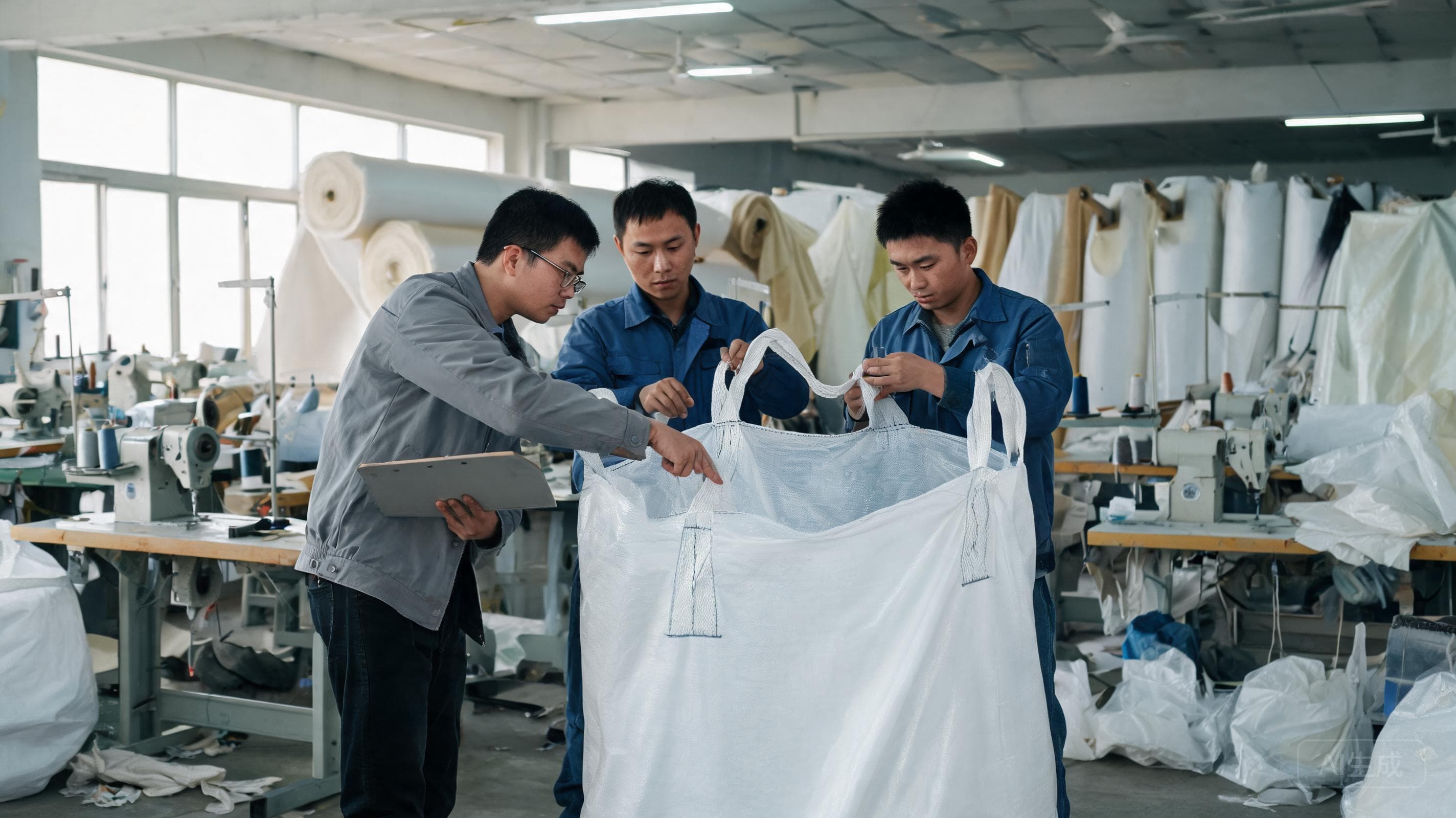
How to Choose a FIBC Supplier That Protects Your Packaging Line, Product, and Margins
Learn how to assess FIBC design, quality controls, production fit, and supply reliability. Use this practical checklist to compare suppliers and reduce risk before placing an order.

How to Choose a FIBC Bulk Bag Manufacturer That Protects Quality, Compliance, and Delivery
Evaluate FIBC manufacturers on application fit, quality controls, compliance documentation, delivery reliability, and total cost. Use this checklist to qualify suppliers and plan a controlled trial.
Want to know more?
Get in touch with us for more information about our services and products.