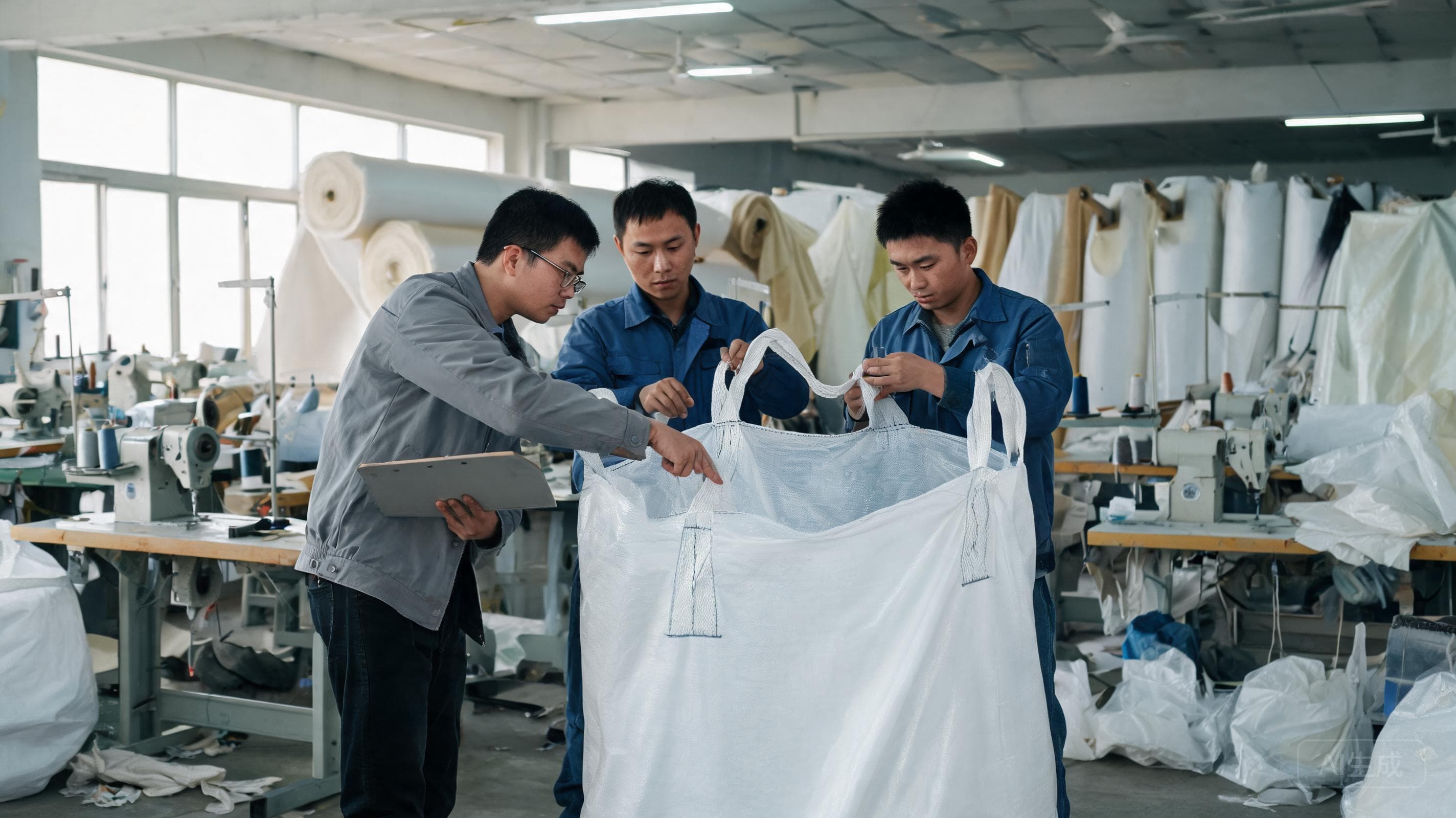
How to Choose a FIBC Supplier That Protects Your Packaging Line, Product, and Margins
RUNCHEN
AuthorWith more than 25 years of experience in FIBC bulk bag manufacturing and sales, RUNCHEN operates its own production facility with stable batch capacity. We specialize in FIBC bulk bags, jumbo bags, ton bags, and customized industrial packaging solutions.
When a Bulk Bag Problem Becomes a Production Problem
A bulk bag that does not fit the filling line, fails during handling, or discharges inconsistently can create more than a packaging issue. Defects may lead to product loss and rework. Slow changeovers can reduce throughput, while late or unreliable deliveries can put production schedules at risk.
Choosing the right FIBC means matching bag design to your product, filling and discharge equipment, storage conditions, and transport requirements. Packmate’s guidance on faster changeovers on multi-lane machines reflects a practical manufacturing reality: packaging compatibility and setup time are operational concerns, not just purchasing details.
Supplier selection should therefore focus on reducing operational risk and total cost—not simply finding the lowest price per bag. A suitable design, consistent production, and dependable supply can help protect your line, product, and margins.
Start FIBC Specifications With the Application
Before requesting a quote, define what the bag must handle. Product weight matters, but so do flow behavior, moisture sensitivity, abrasion, handling method, storage duration, and transport route. A free-flowing material, for example, may have different filling and discharge requirements from a product that bridges or retains moisture.
Bag features also need to suit the process. Top configuration, lifting arrangements, discharge design, liners, and dimensions should align with your filling spouts, lifting equipment, unloading method, and storage space. Share equipment specifications, target throughput, and handling conditions with suppliers early so they can assess the application before pricing a design.
Industry events can also highlight the value of practical problem-solving. The 2025 WEPACK packaging exhibition brought attention to packaging challenges and expert-led discussion—a reminder to consider packaging as part of a broader operational review, rather than a price-only decision.
Match Bag Construction to Operational Risk
Different applications call for different construction features. If abrasion, rough handling, or demanding transport conditions increase the risk of fabric damage, discuss the COSEK Tear-Resistant FIBC Bulk Bag with your supplier.
Where an application calls for additional structural support, an internal reinforcement ton bag may be an option. Assess the design against the intended load, construction, and handling conditions.
For workflows that lift and move bags from the top, a Top-Lift Bulk Bag may suit the handling method. Confirm that the lifting arrangement matches your equipment and that the rated capacity is appropriate for the intended use.
Where airflow is required for a compatible product and storage environment, consider the COSEK Ventilated Bulk Bag. Ask the supplier to confirm product compatibility and review relevant storage and handling conditions before selecting a ventilated construction.
These product types are starting points for discussion, not guarantees of suitability. The right FIBC depends on the full application and validated specifications—not a product name alone.
Evaluate Supplier Quality Beyond the Quote
A competitive quote is valuable only if the bags perform consistently in your operation. Ask how the supplier controls raw materials, fabric and seam consistency, dimensional tolerances, lifting components, and finished-bag inspection. Find out how changes to materials or design are controlled after approval.
Request documentation and test information relevant to your application, including safe working load and safety factor where applicable. Ask whether the supplier can provide samples, review your application, confirm production lead times, and explain how nonconformities are recorded and resolved.
Compare total cost of ownership rather than purchase price alone. Bag performance, product loss, downtime, replacement frequency, and disposal can all affect the real cost of a packaging choice. A bag that fits the process and performs reliably may offer better value over time, even if its initial unit price is higher.
Plan for Changeovers, Throughput, and Supply Reliability
Review bag dimensions and design features against filling-line guides, spouts, lifting systems, and discharge equipment. A mismatch can create avoidable setup friction or require adjustments that slow the line. Use Packmate’s guidance on faster changeovers on multi-lane machines to ask a specific question: can the proposed bag design support faster, more consistent changeovers on your equipment?
Consider whether standardizing designs across SKUs could simplify setup, purchasing, or inventory. Ask suppliers about forecast planning, production capacity, and contingency plans for urgent orders. Their ability to communicate realistic lead times matters as much as the delivery date in the quote.
Before a full rollout, run a production trial with agreed acceptance criteria. Define success for filling, handling, discharge, bag condition, and changeover performance so purchasing, operations, and quality teams can assess the same evidence.
Include Sustainability and Compliance in Procurement
Material selection, bag durability, reuse or recovery options, and waste controls can contribute to a broader packaging sustainability plan. Ask suppliers for relevant information about materials, processes, and waste management, then verify environmental or compliance claims against your organization’s requirements.
The GOTS implementation manual can provide context on management measures and working conditions, but it is not a FIBC product certification and does not demonstrate bulk-bag performance. Similarly, Xiaomi’s Beijing factory hazardous-waste reduction practice illustrates broader industrial interest in full-chain waste reduction; it does not establish that the same results apply to FIBC manufacturing.
Keep sustainability and compliance checks specific to your application. Confirm which documentation is available and whether it addresses the standards and procurement requirements that matter to your business.
Use a Practical Supplier Qualification Checklist
Structure supplier discussions around your operating needs with these checks:
- Confirm the product and handling conditions, target load, filling and discharge methods, storage environment, and transport route.
- Identify options for evaluation, such as the COSEK Tear-Resistant FIBC Bulk Bag, internal reinforcement ton bag, Top-Lift Bulk Bag, or COSEK Ventilated Bulk Bag.
- Review drawings, samples, test documentation, inspection procedures, traceability, and change-control practices.
- Agree on trial quantities, performance criteria, delivery expectations, reorder timelines, and responsibilities for resolving issues.
- Compare suppliers using a weighted scorecard for application fit, quality assurance, production capacity, service, and total cost.
Turn Your Specification Into a Lower-Risk Buying Decision
Start with the product and process, then validate the bag design with your supplier and production team. When procurement, operations, quality, and sustainability stakeholders review requirements early, they can identify issues before they become delays, extra costs, or line disruptions.
Ready to assess your application? Send Packmate your product details, load requirements, line constraints, and handling conditions. Request a specification review, sample, or tailored quotation for a suitable COSEK bulk-bag solution.
Contact Packmate now to request an FIBC specification review and tailored recommendation.
Related News
Other news you might be interested in
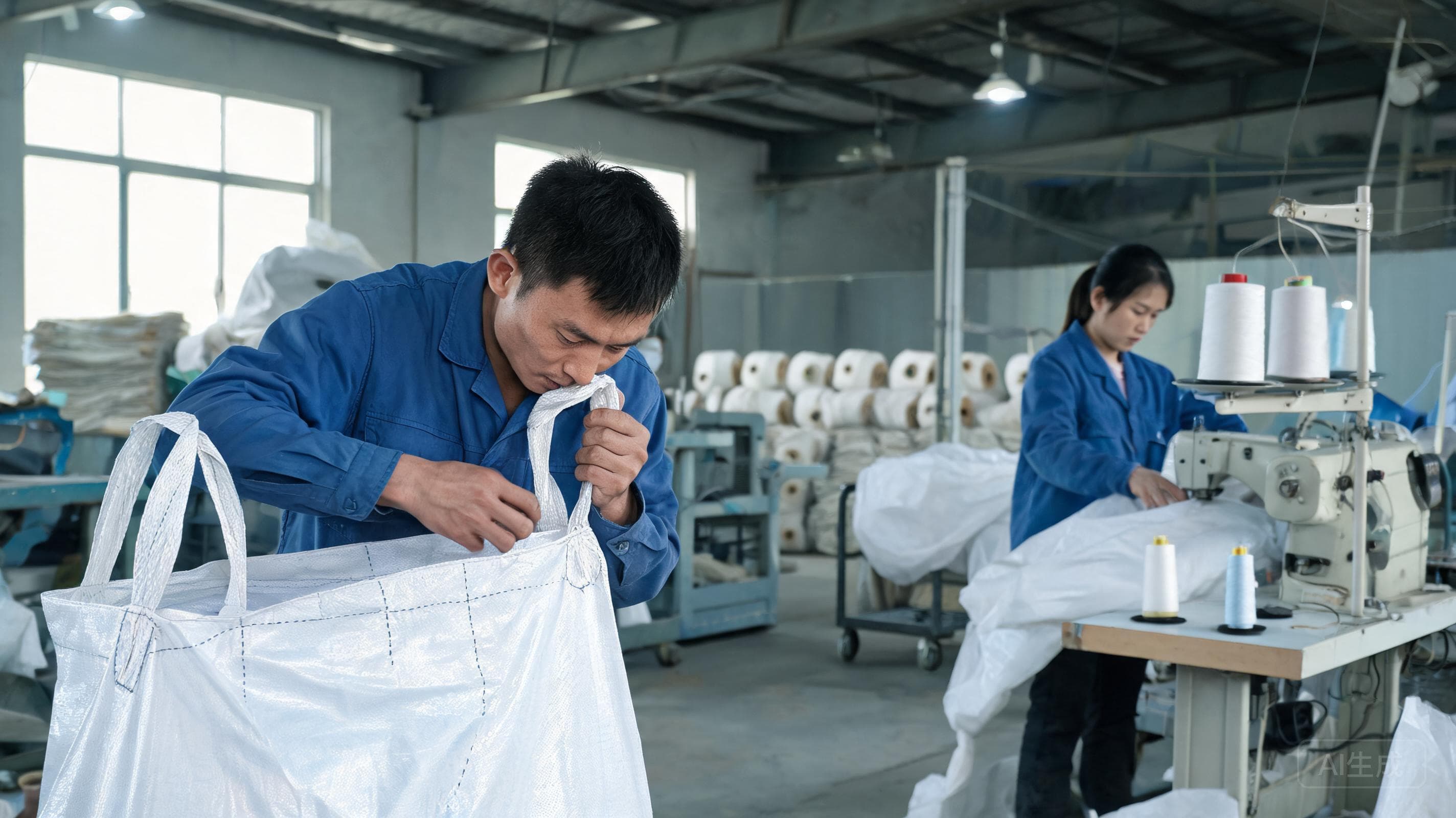
How to Choose a FIBC Bulk Bag Manufacturer That Protects Quality, Compliance, and Delivery
Evaluate FIBC manufacturers on application fit, quality controls, compliance documentation, delivery reliability, and total cost. Use this checklist to qualify suppliers and plan a controlled trial.
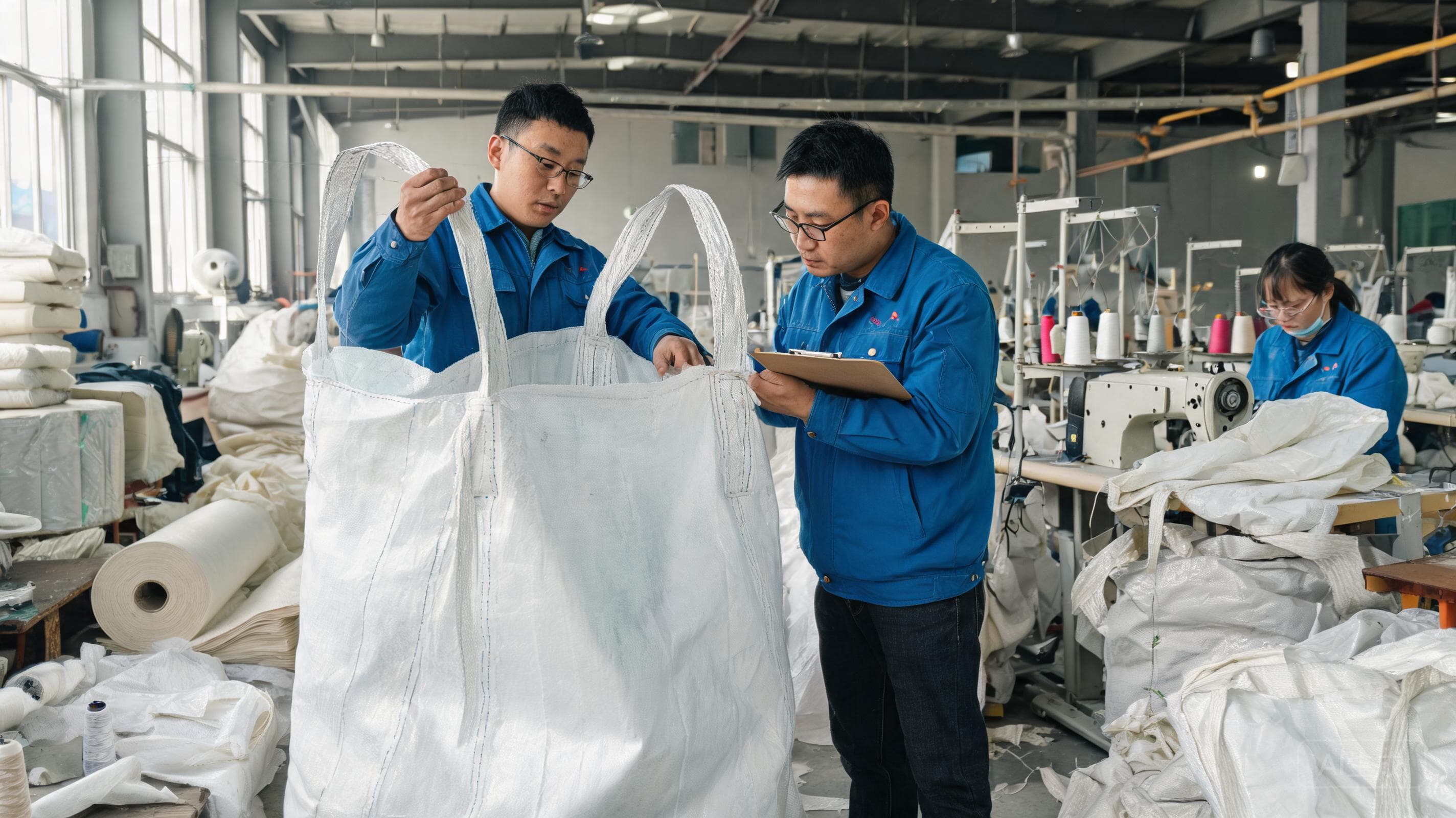
How to Choose a Bulk Bag Manufacturer That Protects Product Quality, Throughput, and Total Cost
Use a practical supplier evaluation process to match bulk bag design to your product, equipment, and compliance needs—while protecting throughput and managing total cost.
Want to know more?
Get in touch with us for more information about our services and products.