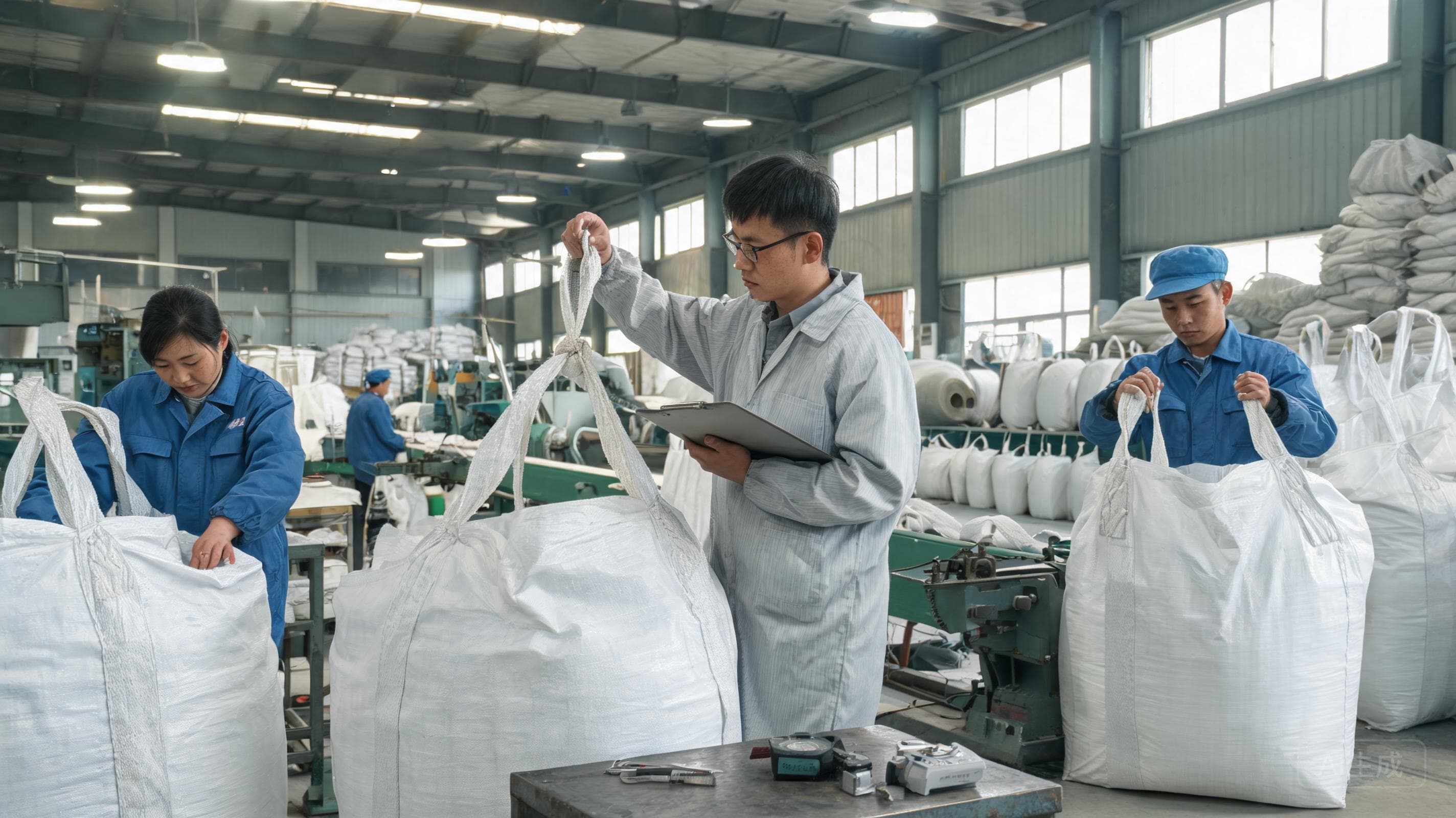
Choosing the Right FIBC Manufacturer: A Procurement Guide to Safer, More Reliable Bulk Packaging
RUNCHEN
AuthorWith more than 25 years of experience in FIBC bulk bag manufacturing and sales, RUNCHEN operates its own production facility with stable batch capacity. We specialize in FIBC bulk bags, jumbo bags, ton bags, and customized industrial packaging solutions.
When a bulk bag problem becomes a supply-chain problem
Procurement and operations teams know the pressures: inconsistent bag quality that causes tears at the filling line, unclear specifications that lead to last-minute substitutions, shipment delays that stall production, and packaging that does not suit the product or handling environment. These problems rarely remain isolated. An underperforming FIBC batch can create handling risks, rework, product loss, and disruption across production and logistics.
Selecting a supplier involves more than comparing unit prices. A mismatch between bag design and application can undermine operational plans and increase total costs. Use this guide to evaluate FIBC manufacturers and identify a specification suited to your process, product, and risk requirements.
Why FIBC selection deserves a closer look
Bulk bag selection is not a one-size-fits-all exercise. Construction, filling and discharge requirements, storage conditions, transport methods, and product characteristics all influence performance. A free-flowing granular material packed on an automated line, for example, has different requirements from a moisture-sensitive powder stored outdoors.
Packaging decisions benefit from cross-functional review. Procurement, quality, production, EHS, and logistics teams each bring a different perspective: contamination control, throughput, handling safety, and transport integrity. Involving these teams early helps surface requirements that a generic product description may overlook.
Start with the load, process, and risk
Before evaluating manufacturers, define the essentials. Identify the material, its density and flow behavior, required capacity, and sensitivity to moisture, contamination, or static electricity. Hygroscopic resin may require a liner and controlled closure procedures. Powders with combustible-dust or electrostatic hazards require a risk assessment and appropriate controls developed with qualified specialists.
Map the full handling journey: filling, lifting, storage, transport, discharge, and disposal or reuse. Determine whether bags will be handled manually or by automated equipment, stacked in a warehouse, or transported on open trucks. Record relevant conditions, including indoor or outdoor storage, heat and humidity exposure, filling-line speed, and warehouse constraints.
Ask manufacturers to review the intended use before recommending a design. A capable supplier will request application details and explain the basis for its recommendations. A recommendation made without understanding your process warrants further scrutiny.
Match bag features to the application
For general bulk-material handling, assess dimensions, safe working load, lifting configuration, liner requirements, fabric properties such as woven polypropylene weight and coating, UV stabilization, and filling and discharge options. These may include a top spout, bottom spout, flat bottom, or duffle top.
For electronic components or cleanroom-related applications, prioritize contamination control and electrostatic risk. Review requirements with qualified technical personnel rather than relying on product names. The COSEK Black Anti-Static Bulk Bag for Cleanroom Electronic Components Packaging may be one option to assess; verify its specifications against your cleanroom requirements and ESD control plan.
For dangerous-goods applications, confirm the substance classification, packaging instructions, and certification requirements with your compliance specialists. The COSEK White UN Certified Dangerous Goods FIBC Bulk Bag may be considered only after your team verifies the required UN certification for the substance, configuration, and destination market.
For particular presentation or handling requirements, include the COSEK Brown Square Bottom FIBC Bulk Bag in your shortlist. Confirm that its design suits your filling, stacking, and discharge equipment. Square-bottom designs may support stackability or discharge performance in some applications, but suitability depends on the specific process.
Product names alone do not establish suitability. Verify specifications, documentation, and intended-use conditions with the manufacturer and, where appropriate, through independent testing.
Evaluate the manufacturer beyond the quotation
A quotation reveals little about a manufacturer's ability to deliver consistent quality. Assess how well the supplier understands your application, recommends a specification, and explains design trade-offs. Does the team ask detailed questions about your process and justify its recommendations?
Ask about quality controls, inspection records, traceability, change management, and handling of nonconforming products. Effective change management helps ensure you are notified when raw materials or construction details change—especially important for repeat orders.
Review production capacity, lead-time reliability, order flexibility, export experience, and contingency planning. Ask how the supplier would respond to a production interruption and request relevant delivery-performance information where available.
Request samples, technical data, and references where available. Agree on acceptance criteria before ordering, including dimensions, safe working load, fabric weight, coating, labeling, and packaging. Compare total cost of ownership—not just unit price—by considering performance, handling efficiency, quality risk, and potential disruption.
Build compliance and documentation into the buying process
Define the standards, declarations, test records, and customer-specific documents required for the product and destination market before committing to a supplier. For dangerous-goods applications, verify that the exact bag configuration and intended use align with the required UN certification and applicable regulations. Confirm the certification mark and packaging instructions for the specific substance.
For antistatic applications, establish the required performance category, such as Type A, B, C, or D, and the operating controls with qualified experts. Confirm that the proposed bag and handling procedures match the identified risk. Type C bags, for example, require appropriate grounding and procedures during use.
Prepare a document checklist covering specifications, inspection records, labeling, packaging, and shipping documents. Check claims against the original standard and its scope. Do not treat unrelated standards or guidance as FIBC certification unless an applicable requirement has been confirmed.
Look for operational improvements alongside packaging performance
A well-matched bag specification may support smoother filling, safer handling, more efficient storage, and fewer quality interruptions. Treat these as outcomes to measure, not guaranteed savings. Establish a baseline for damage rates, filling or discharge time, rejected loads, and delivery performance before changing suppliers.
Consider supplier management practices as part of a broader vendor review. Workforce stability, staff training, process controls, communication, and data-handling practices may be relevant to supplier evaluation, but they do not prove FIBC performance. Assess them alongside product-specific evidence.
Use evidence carefully when building the business case
A credible return-on-investment case links a defined packaging change to measurable outcomes, such as reduced handling time, fewer damaged bags, lower product loss, or improved delivery reliability. Verify any supplier-provided reference before using it. Confirm its metric, period, and relationship to packaging rather than assuming it demonstrates FIBC savings.
A buyer-side comparison can make the decision clear: document the current specification and cost, the proposed specification and cost, trial results, implementation requirements, and agreed success measures. This creates a transparent basis for review across stakeholders.
Run a structured sample and qualification process
Give each shortlisted manufacturer the same application brief, covering material, capacity, filling and discharge, transport, storage, and compliance requirements. Consistent inputs make supplier comparisons more useful.
Check samples against agreed dimensions, construction details, labels, and handling requirements before authorizing a pilot. Small differences in fabric, stitching, or loop attachment can affect performance, so do not rely on appearance alone.
Where practical, test the proposed bag in your operating environment. Record observations, defects, and operator feedback. Operators may identify issues with filling, lifting, or discharge early. Agree on corrective-action ownership and approval steps before moving from trial quantities to repeat orders. Use the trial to assess both technical fit and the supplier's responsiveness.
Questions to ask before selecting an FIBC supplier
Use focused questions to compare manufacturers:
- What information do you need to recommend a bag design for our material and process?
- Which quality checks and production records can you provide for the proposed specification?
- How do you control changes to materials, construction, labeling, or production processes?
- What documentation can you provide for our application and destination market, and what must our compliance team verify?
- Can you support sampling or a controlled production trial, and how will results be reviewed?
- What are your lead times, capacity constraints, and procedures for urgent orders or quality concerns?
Clear, specific answers help distinguish manufacturers with relevant technical and production knowledge from those focused only on processing orders.
Turn the evaluation into a lower-risk sourcing decision
Define the application, match the bag design, verify compliance, qualify the manufacturer, and measure trial results. The right FIBC is the one validated for your product, process, and regulatory requirements—not simply the one with the most attractive specification sheet. Conditions such as humidity, handling equipment, and discharge methods can make a design perform differently from one site to another.
Ready to assess your requirements? Contact the COSEK team for an application-specific specification review, sample discussion, or quotation. Share your material, required capacity, filling and discharge setup, handling conditions, and compliance needs to receive a focused recommendation. Ask the team to compare suitable options, including the COSEK Brown Square Bottom FIBC Bulk Bag, COSEK Black Anti-Static Bulk Bag for Cleanroom Electronic Components Packaging, and COSEK White UN Certified Dangerous Goods FIBC Bulk Bag.
Related News
Other news you might be interested in
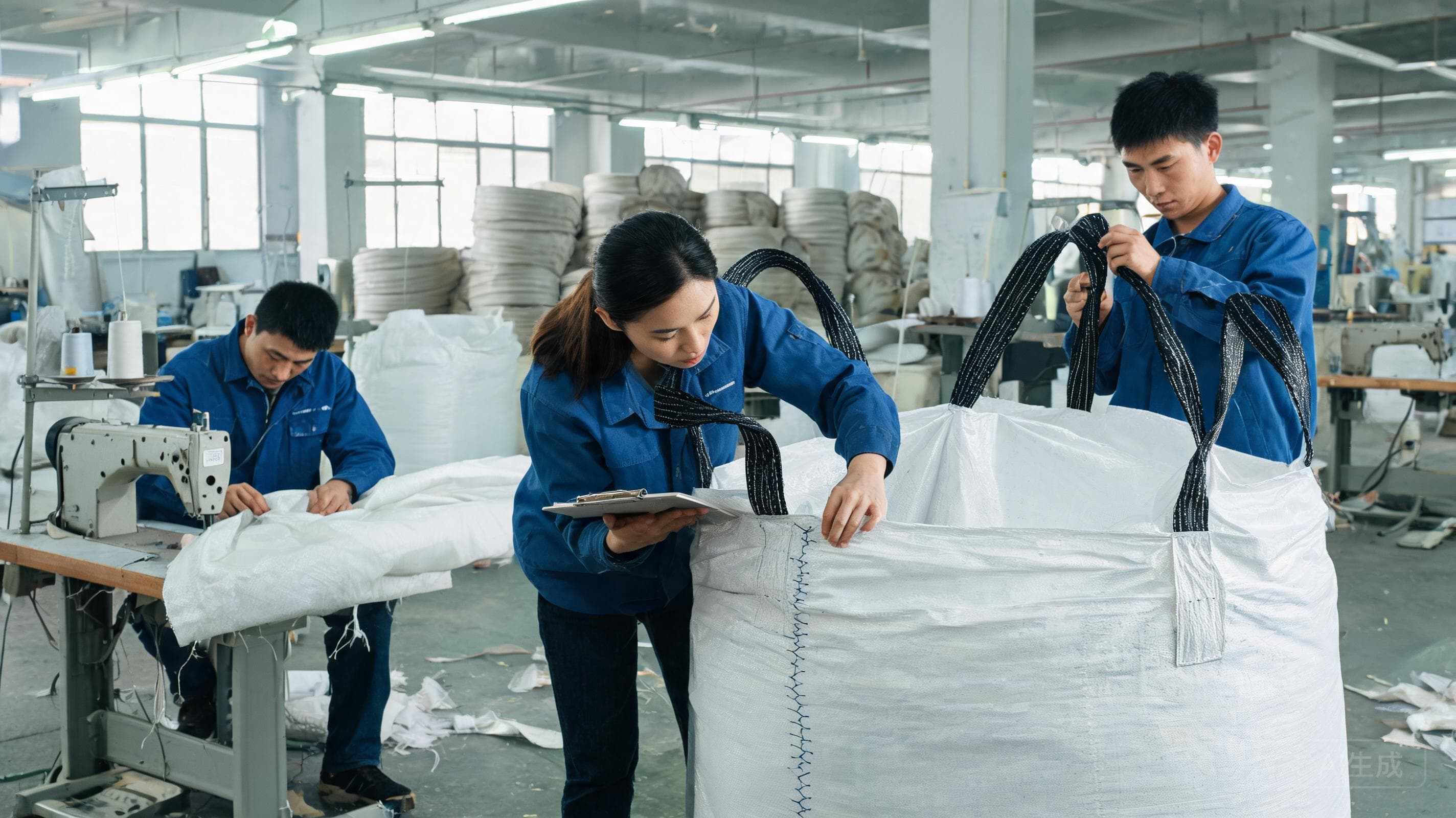
Choosing a FIBC Manufacturing Partner: Reduce Packaging Risk and Improve Supply Reliability
Learn how to specify FIBCs, assess manufacturer quality controls, and compare total costs. Use a practical RFQ checklist to reduce packaging risk and improve supply reliability.
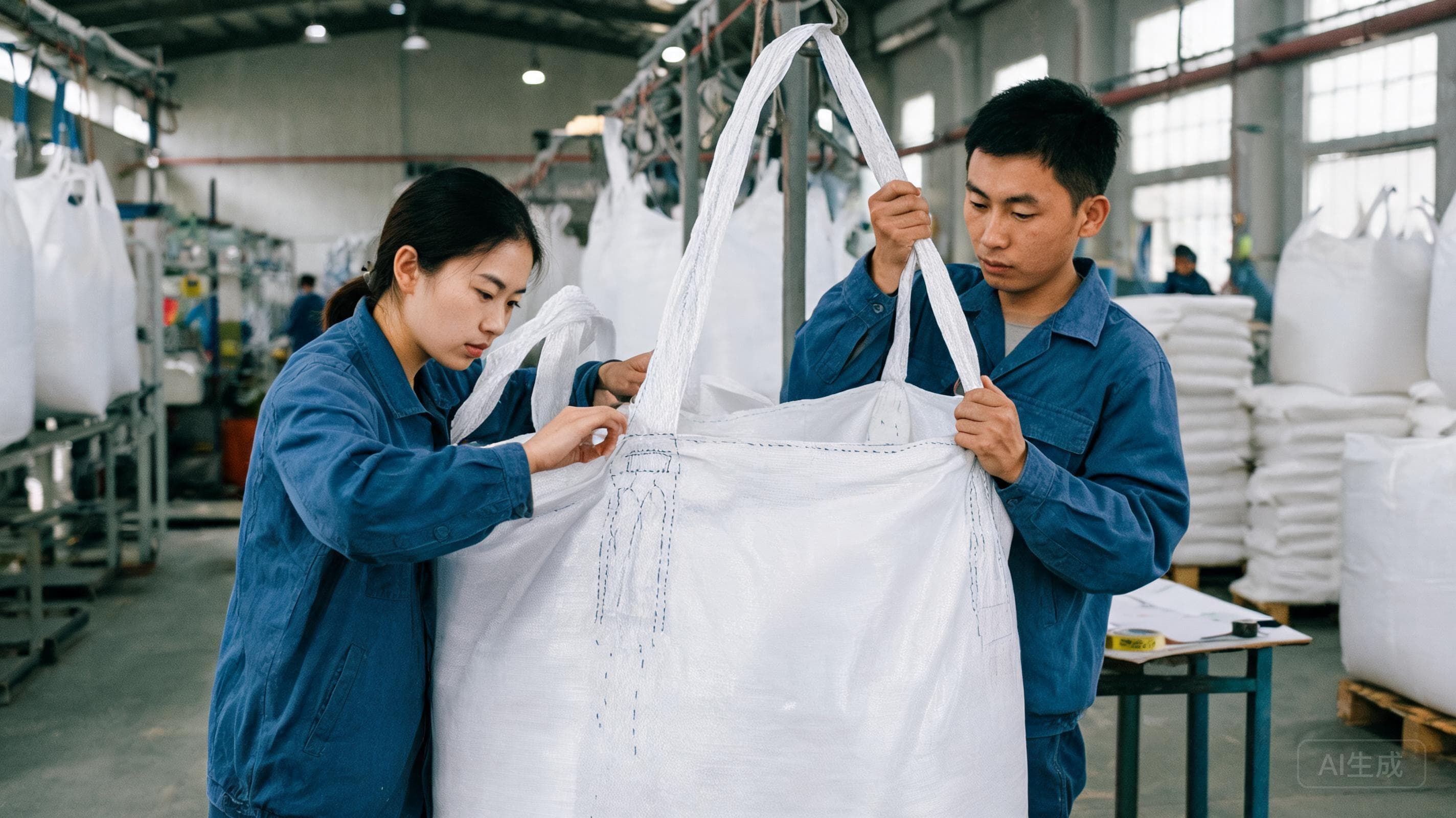
How to Choose a FIBC Manufacturer That Protects Product Quality, Compliance, and Total Cost
Use an application-led checklist to assess FIBC design, compliance, quality controls, and total cost. Compare manufacturers on verified evidence before requesting a tailored quote.
Want to know more?
Get in touch with us for more information about our services and products.