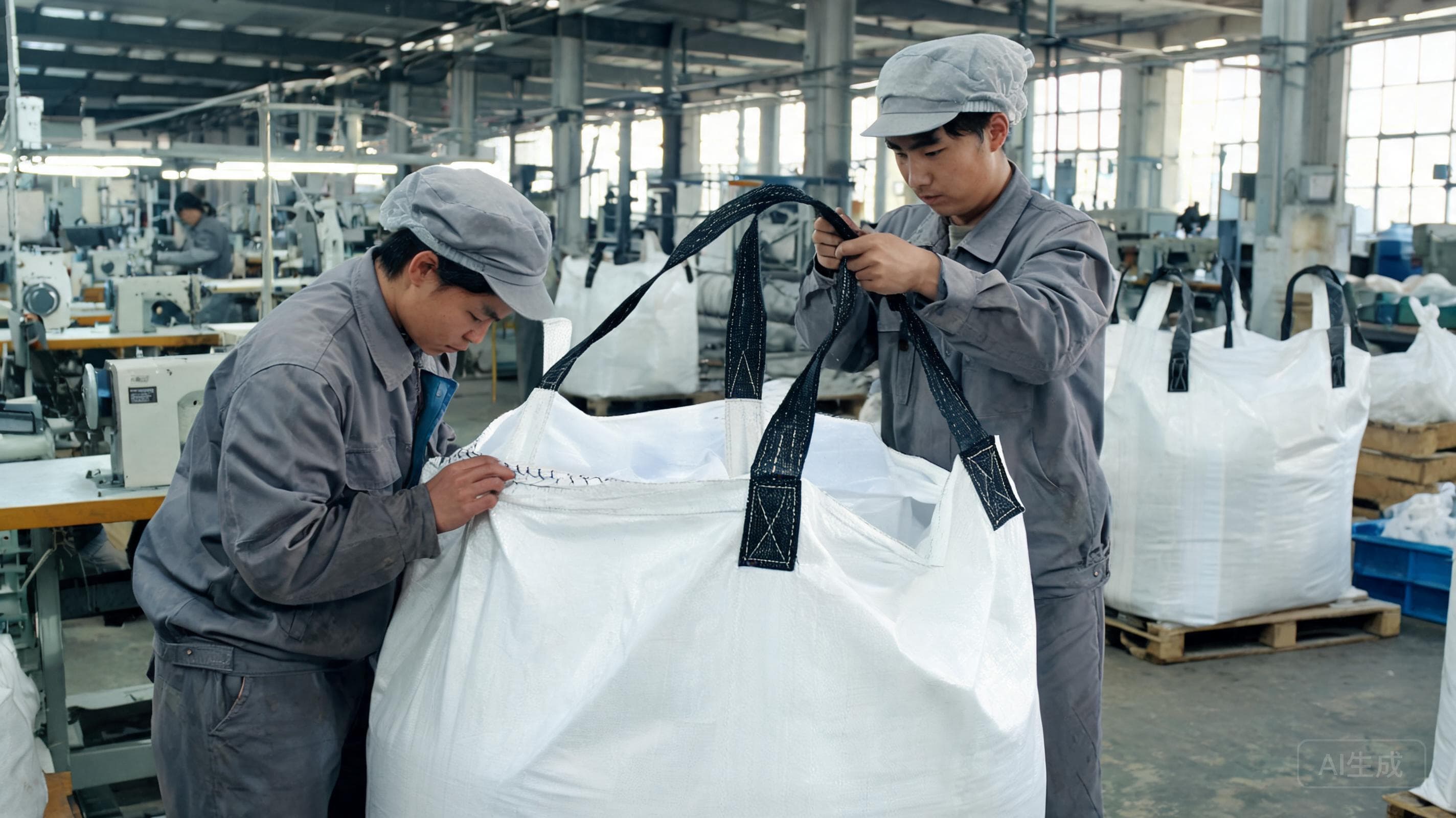
Choosing the Right FIBC Supplier: A Practical Guide to Safer, More Reliable Bulk Packaging
RUNCHEN
AuthorWith more than 25 years of experience in FIBC bulk bag manufacturing and sales, RUNCHEN operates its own production facility with stable batch capacity. We specialize in FIBC bulk bags, jumbo bags, ton bags, and customized industrial packaging solutions.
When a Bulk Bag Becomes a Production Problem
A failed bulk bag can disrupt more than packaging. It can interrupt filling, complicate storage, delay transport, damage product, or put a delivery at risk. For procurement and operations teams, choosing the right FIBC helps keep production and the supply chain moving.
Common concerns include inconsistent bag quality, unclear load requirements, difficult handling, and uncertainty about a supplier’s ability to meet delivery schedules. These issues become more consequential in busy production areas, where machinery, traffic, and other site hazards affect how packaging must be handled.
Heat-related conditions and emergency preparedness belong in the broader workplace safety review. GOTS implementation material may prompt a review of applicable site safety guidance, but it does not establish FIBC-specific requirements. Assess bag selection and handling procedures against the actual operating environment.
A structured evaluation of the application, product, and supplier can help reduce avoidable risk and identify a bag suited to the job. The goal is not simply to choose a product that looks suitable in a catalogue, but to qualify a solution that works under real operating conditions.
Start with the Application, Not the Catalogue
Before requesting quotations, define what the bag needs to do. Document the material, target weight, flow behavior, filling and discharge methods, storage conditions, and transport route. Consider whether the contents are free-flowing, abrasive, or likely to place particular demands on the bag during filling and emptying.
Map the handling process. Will bags be lifted by forklift or other equipment? Will they be stacked, moved repeatedly, stored outdoors, or used in a food-related or otherwise regulated environment? These details can affect the appropriate construction, lifting configuration, closures, and documentation.
Consider the consequences of a bag failure. Product loss, downtime, rework, safety exposure, and missed shipments all carry costs that may not appear in a unit-price comparison. Bring operations, quality, safety, and procurement stakeholders together to agree on requirements before comparing supplier quotations.
Evaluate FIBC Performance Against Real Operating Conditions
Ask the supplier how it verifies bag construction and consistency, and request documentation relevant to your intended application. Evidence should relate to the proposed bag and its specified use—not just to a broad product category.
Review the details that affect performance: lifting configuration, seams, fabric, liners, closures, and discharge features. Match them to the material and the way your team fills, moves, stores, and empties the bag. If the process involves abrasion, rough handling, sharp-edged contents, or repeated movement, explain those conditions and ask how the proposed design addresses them.
Confirm that performance claims, testing information, and handling instructions apply to the specific bag and application. A product name alone does not demonstrate that a bag meets your requirements. Ask how the manufacturer manages production quality, maintains traceability where applicable, and investigates and corrects specification issues.
Match Bag Design to the Job
Product options can help narrow the shortlist, but treat them as starting points for qualification—not interchangeable solutions. Compare each candidate against your documented requirements.
- General bulk handling: Evaluate the COSEK white FIBC bulk bag with red lifting loops against the required capacity, lifting configuration, and filling or discharge needs.
- When tear resistance is a priority: Assess the COSEK Tear-Resistant FIBC Bulk Bag and request evidence that its construction suits the material and handling conditions.
- When reinforced construction is needed: Review the Yellow Reinforced FIBC Bag against the load, handling method, and operating environment.
- When a square-bottom format may help: Consider the COSEK Brown Square Bottom FIBC Bulk Bag and confirm how its shape fits filling, storage, and transport requirements.
For every option, confirm the final specifications with the supplier. Capacity, construction, handling features, and operating conditions all matter when determining whether a particular bag is suitable.
Look Beyond Unit Price When Comparing Suppliers
Ensure quotations cover equivalent specifications, quantities, packaging, delivery terms, and quality documentation. A lower price is difficult to assess if the proposed bags differ in construction, service, or delivery scope.
Consider total cost of ownership, including product damage, handling time, storage efficiency, rejected bags, and the risk of supply interruptions. These factors can affect the value of a packaging decision even when they are not listed as quotation line items.
Ask about production capacity, lead times, order flexibility, sample availability, and how the supplier communicates when specifications change. Agree on how quality concerns are reported, investigated, and resolved, including response times and any replacement arrangements.
A supplier scorecard can make comparisons more consistent. Rate each supplier on application fit, quality assurance, service responsiveness, delivery reliability, and commercial terms, using the same requirements for every quotation.
Use Evidence Carefully: Trends, References, and Case Studies
Packaging teams are increasingly expected to consider operational reliability, workplace safety, and documented supplier performance alongside price. Credible evidence is useful when it supports the decision at hand.
References such as Austrian Business in China and Joincare Pharmaceutical Group Industry Co., Ltd. 2023 can be starting points for researching relevant procurement or manufacturing context. Do not present them as proof of FIBC performance or results unless the original publications directly support that claim.
Avoid unsourced market statistics and quantified FIBC return-on-investment claims. When a supplier shares a customer case study, look for permission to publish and clear details: the application, baseline problem, solution, measurement period, and documented outcome. If customer data is anonymized, disclose that clearly and ensure performance claims remain evidence-based.
Build a Qualification Process Before the First Production Order
Provide a written specification covering the material, dimensions, capacity, construction, lifting and discharge features, labeling, and delivery requirements. A clear specification gives the buyer and supplier a shared reference point for review and quotation.
Where practical, request samples or arrange a controlled trial. Agree on acceptance criteria and identify who will evaluate the results before testing begins. Run the bag through the intended workflow and record filling performance, handling behavior, storage fit, and any damage or process issues.
Confirm applicable compliance or certification requirements directly with the supplier and relevant authorities. Do not assume a certification applies to every product, facility, or use. Once a bag is approved, document the specification and agree how changes will be reviewed to keep repeat orders consistent.
Questions to Ask an FIBC Manufacturer
- Which bag design suits our material, handling process, and operating environment—and why?
- What quality checks and supporting documentation are available for the proposed product?
- Can you provide samples, a specification review, or a production trial before a larger order?
- How do you manage production capacity, lead-time changes, and urgent replenishment requests?
- What information do you need to recommend the right construction and confirm a quotation?
- How are product issues investigated, and what corrective-action process can customers expect?
Clear answers help you assess both the bag and the supplier’s ability to support your requirements from specification through repeat orders.
Turn the Shortlist into a Lower-Risk Buying Decision
Follow a consistent process: define the application, set acceptance criteria, compare equivalent specifications, verify supporting evidence, and trial the bag where appropriate. Involve operations and safety teams early so the decision reflects actual site conditions as well as procurement requirements.
A supplier consultation can help match bag design to your needs, but it does not replace your own technical review. Share your application details, ask questions, and confirm the final specification before placing a production order.
Related News
Other news you might be interested in
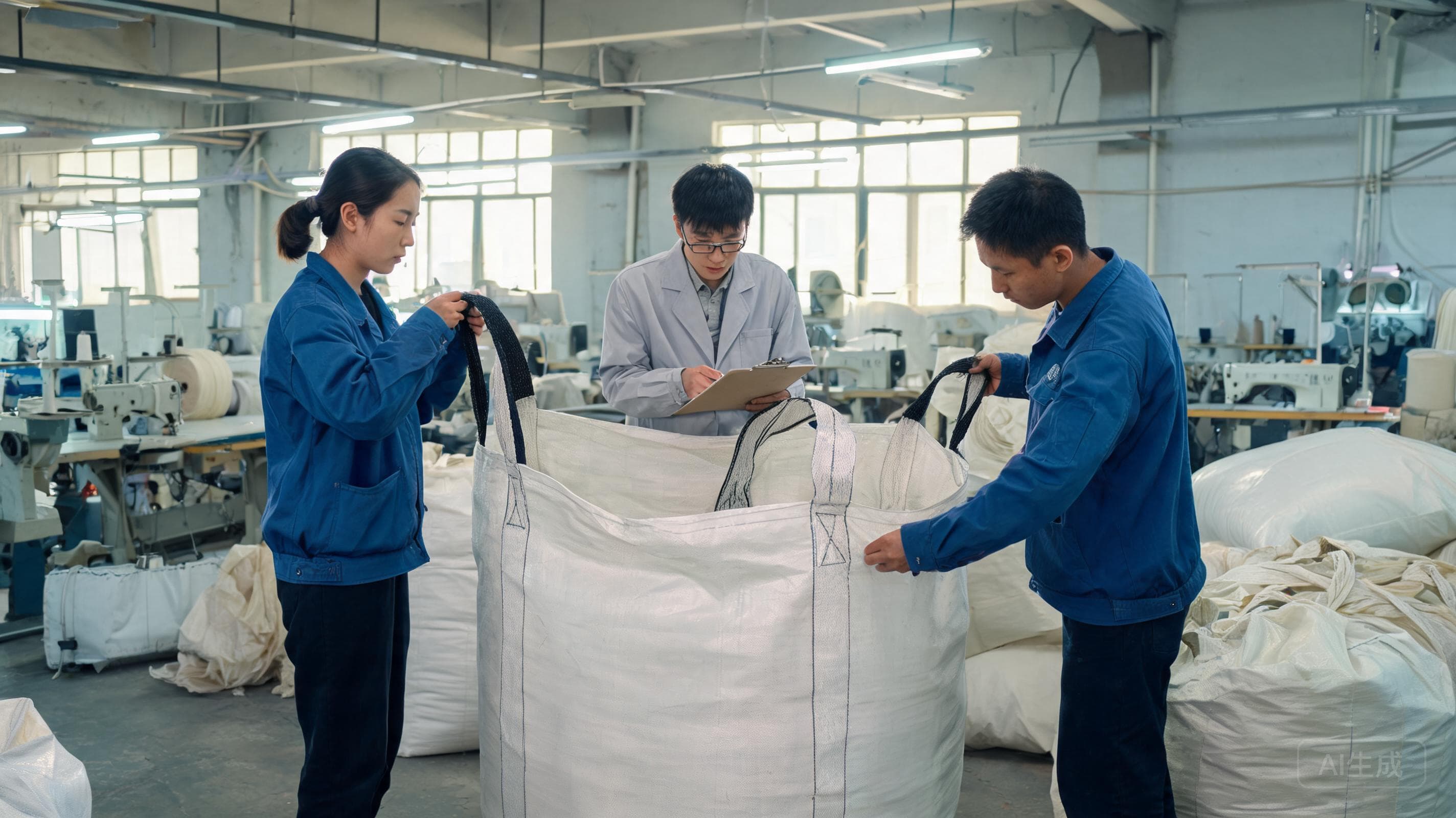
How to Choose a FIBC Manufacturer for Safer, More Reliable Bulk Packaging
Evaluate FIBC manufacturers by application fit, safety evidence, quality controls, delivery reliability, and total operating value. Use a clear brief to request a comparable quote.
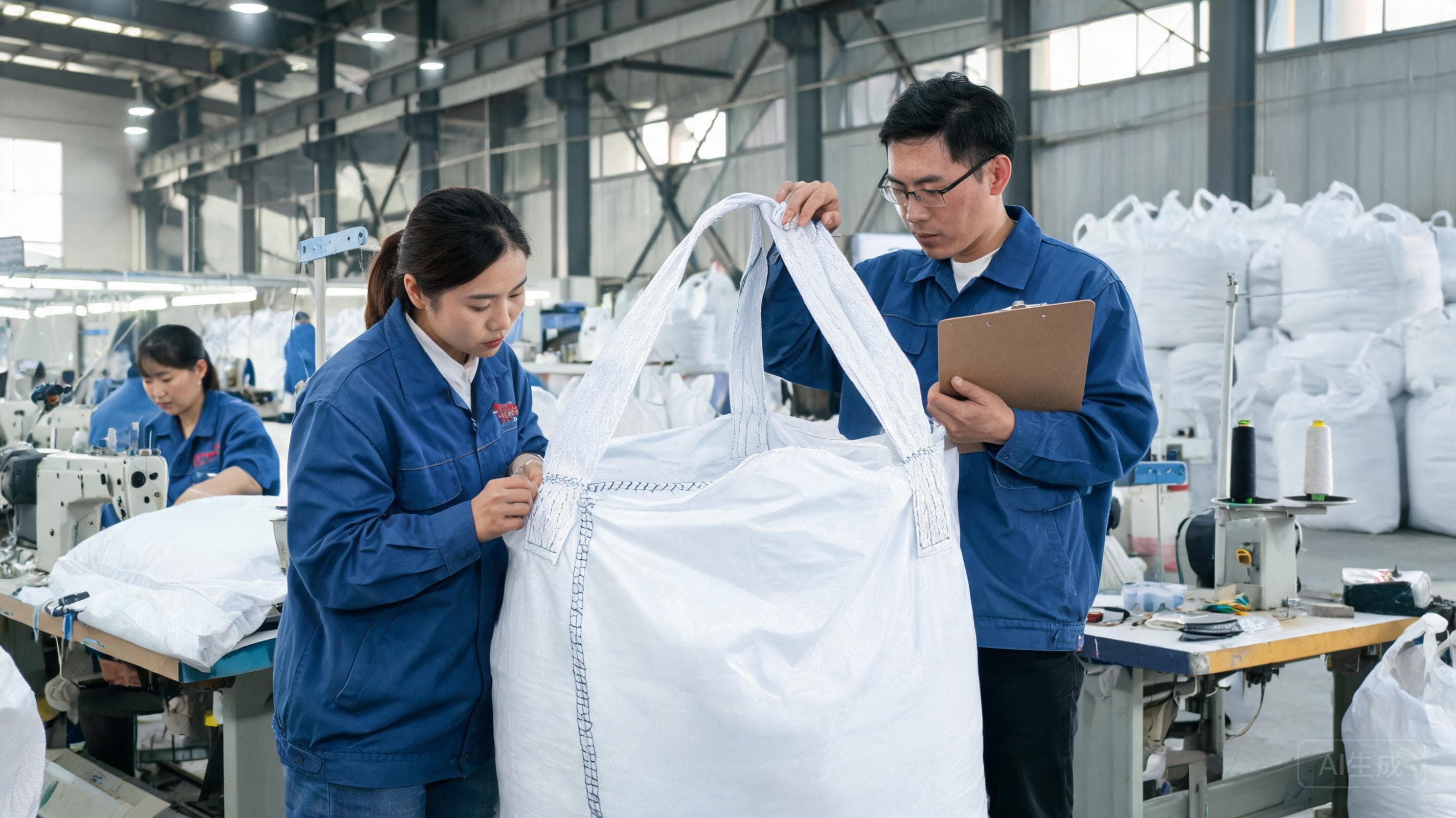
How to Choose a FIBC Manufacturing Partner That Reduces Risk and Improves Supply Reliability
Evaluate FIBC manufacturers on technical fit, documented quality controls, food-contact requirements, and supply continuity—not just unit price—to reduce sourcing risk and protect operations.
Want to know more?
Get in touch with us for more information about our services and products.