Expanding Applications of Anti-Static and Conductive FIBC Bags Raise Safety Standards for Chemical and New Energy Material Transport
RUNCHEN
AuthorWith more than 25 years of experience in FIBC bulk bag manufacturing and sales, RUNCHEN operates its own production facility with stable batch capacity. We specialize in FIBC bulk bags, jumbo bags, ton bags, and customized industrial packaging solutions.
Chemical and New Energy Material Transport Is Entering a Higher Safety Standard Era
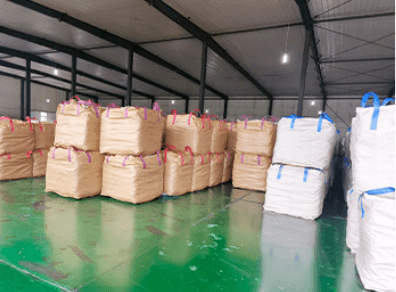
In recent years, demand for transporting chemical raw materials, new energy battery materials, electronic chemicals, plastic resins, carbon black, mineral powders, and coating powders has continued to increase. Compared with ordinary granules or construction materials, these industrial materials are more likely to generate dust, friction, and static buildup during filling, handling, unloading, and storage.
In real operating environments, powder flow, particle friction, and contact between the bag and equipment can all generate static electricity. If flammable dust, volatile gases, or static-sensitive materials are present on site, electrostatic discharge may create serious safety risks. As a result, more companies in the chemical, new energy, and fine manufacturing sectors are paying close attention to professional packaging solutions such as anti-static FIBC bags and conductive bulk bags.
Today, FIBC bags are no longer just load-bearing containers. They have become an important part of production safety, warehouse management, and transportation compliance.
Why Demand for Anti-Static and Conductive FIBC Bags Is Increasing
The growth in demand for anti-static and conductive FIBC bags mainly comes from three factors.
First, the transportation volume of chemical powders and granules continues to expand. Materials such as resin pellets, rubber additives, coating powders, mineral powders, carbon black, and industrial additives can easily generate static electricity during filling and discharge, creating higher requirements for packaging with static control performance.
Second, new energy material supply chains are becoming more precise and specialized. Lithium battery cathode and anode materials, conductive agents, separator-related materials, electronic-grade powders, and some high-purity chemical raw materials all require better packaging cleanliness, sealing, and static protection. If the packaging solution is unstable, it may affect material quality and also increase storage and transportation risks.
Third, overseas buyers are becoming stricter in evaluating packaging safety and factory management capability. For export-oriented companies, customers are no longer focused only on price. They also want to know whether the packaging is suitable for the material, whether grounding operations are supported, whether the inner liner structure is appropriate, and whether the bag is easy to mark and manage by batch.
Conductive FIBC Bags Are Better Suited for Industrial Applications with Higher Static Control Requirements
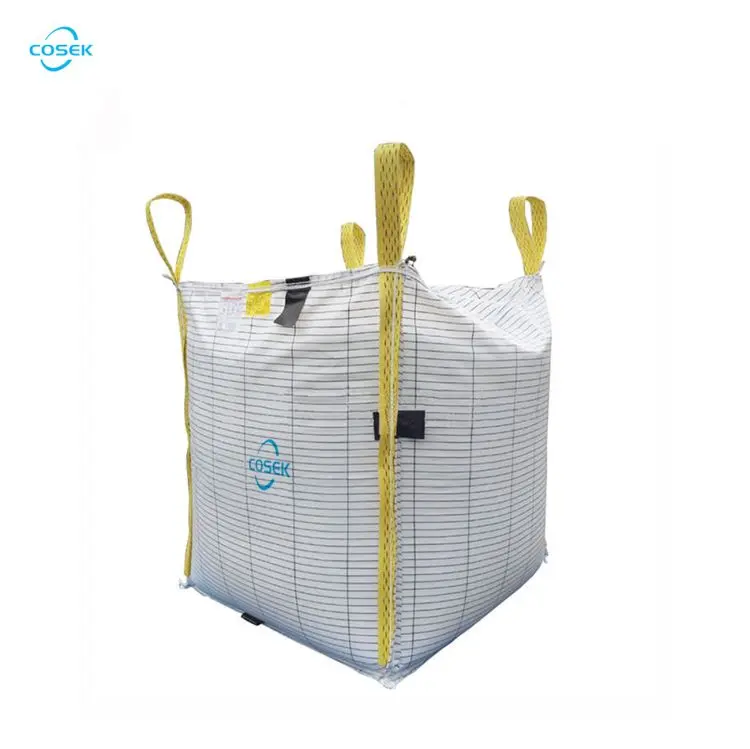
In applications where static discharge control is necessary, conductive FIBC bags are commonly used for packaging, handling, and unloading powders, granules, and chemical raw materials. Their core value lies in using a conductive structure to help dissipate electrostatic charges when properly grounded, reducing the risk caused by static accumulation.
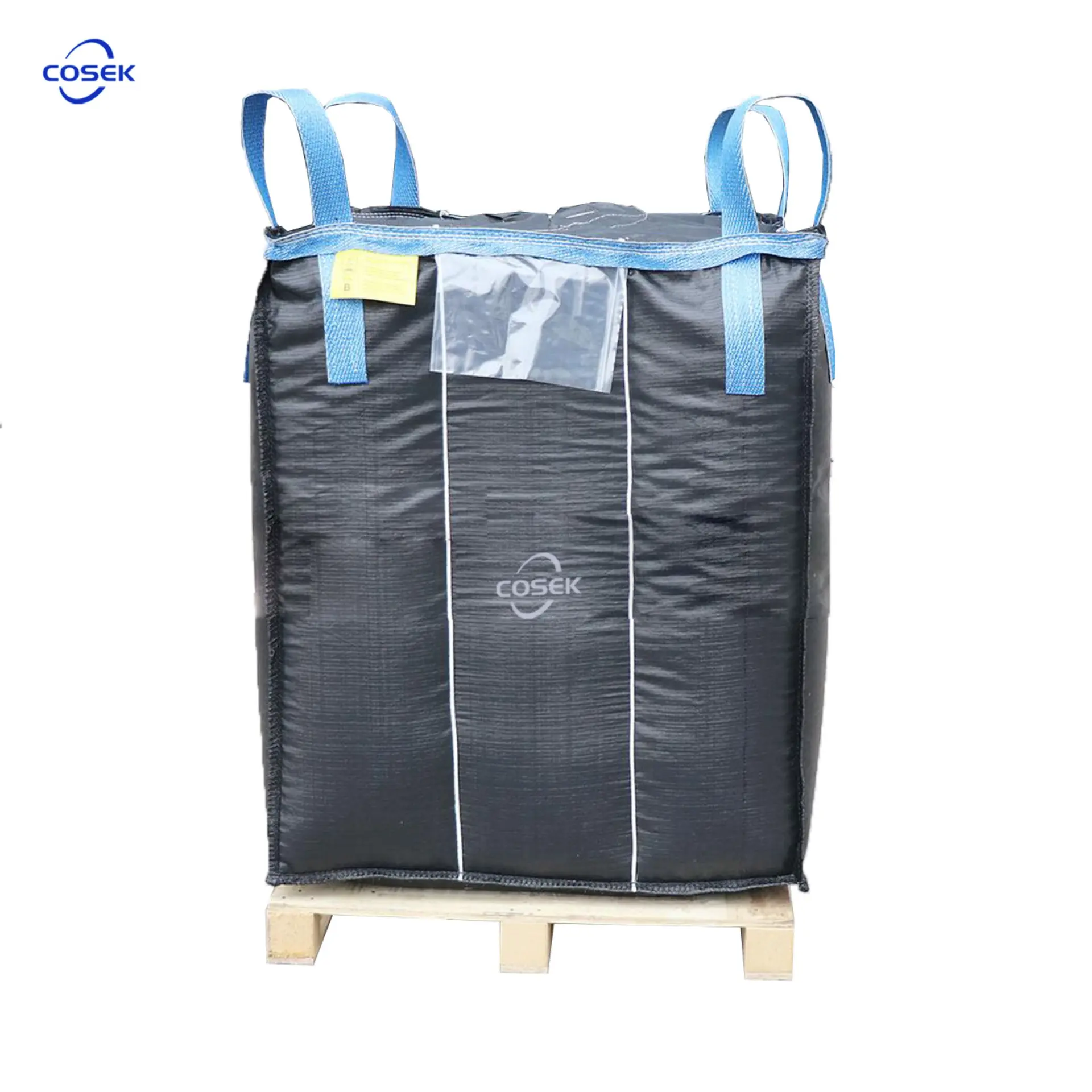
The Conductive Ton Bag on the website is designed for industrial static protection scenarios. This product is made of PP material and can be used for chemical powders, resin granules, mineral powders, additives, rubber auxiliaries, coating materials, and other bulk industrial products. For customers who need to control static during filling and unloading, this type of conductive FIBC bag is more suitable for factory production lines, warehouse turnover, and container transportation.
It should be noted that conductive FIBC bags usually need to be properly grounded during use in order to perform effective static dissipation. For applications involving combustible dust, flammable gases, or special hazardous environments, companies should also confirm the appropriate bag type, inner liner, and grounding solution based on the material characteristics, site conditions, and safety standards.
Anti-Static FIBC Bags Are More Suitable for Electronic Chemicals and High-Cleanliness Material Packaging
In addition to traditional chemical industries, the electronics, semiconductor, new energy support material, and precision manufacturing sectors are also driving growth in demand for anti-static packaging. These industries are concerned not only with static risks, but also with dust control, cleanliness, and material protection during the packaging process.
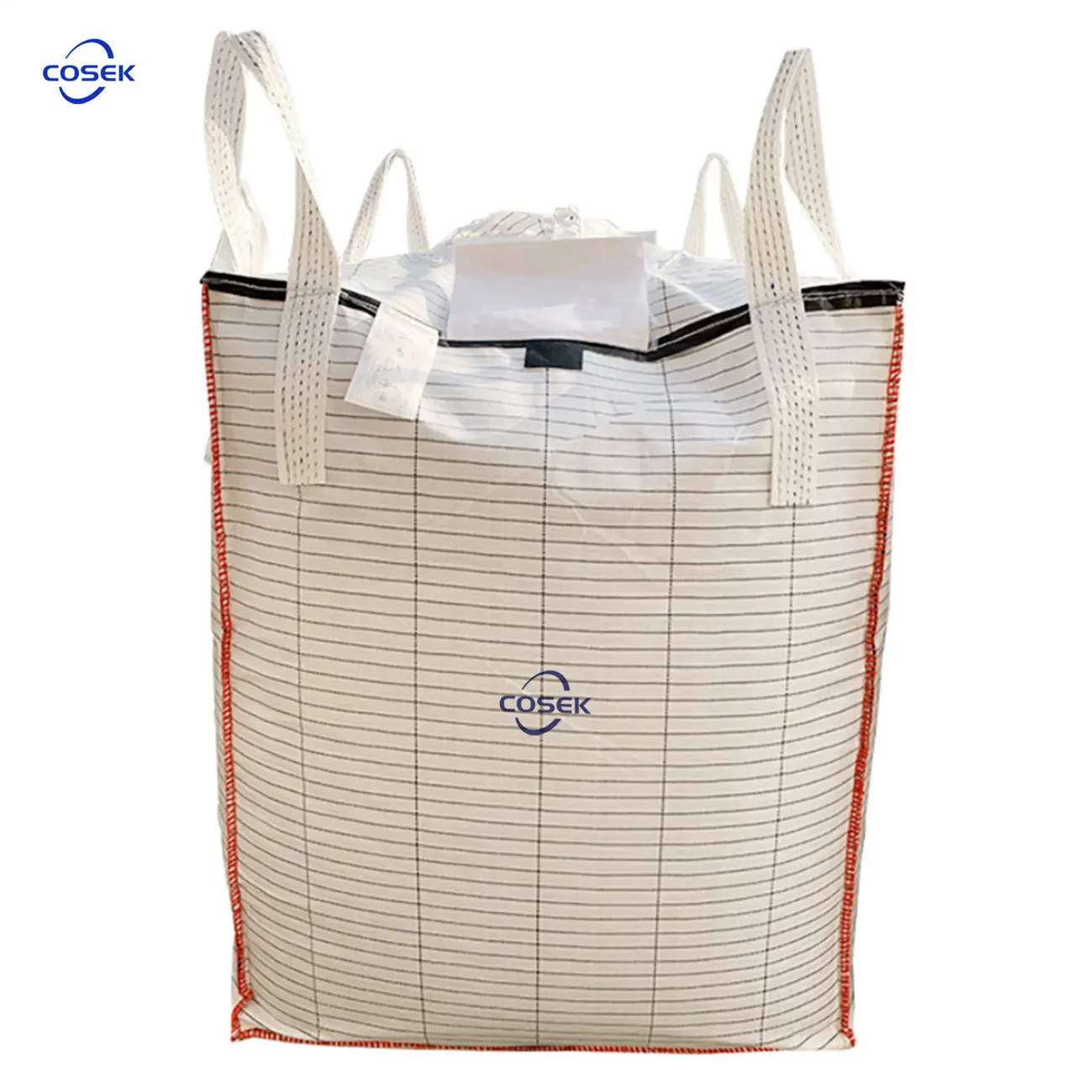
For electronic components, precision materials, and some high-cleanliness industrial products, the COSEK Black Anti-Static Ton Bag can serve as a more protective option. This product focuses on both anti-static performance and clean packaging, making it suitable for electronics, semiconductors, pharmaceuticals, and related precision industrial material transportation. For customers with requirements for ESD protection, clean packaging, and internal product safety, this type of bag can help improve both packaging safety and professional presentation.
In new energy material supply chains, some powders, additives, and electronic chemicals have similar needs. Especially when transporting high-value materials, packaging stability affects not only logistics safety, but also customer acceptance and supplier reputation.

Choosing the Right Bag Requires More Than Reading the Product Name
Although anti-static FIBC bags and conductive FIBC bags are both related to static control, their application scenarios are not exactly the same. When purchasing, companies should not rely only on the product name, but should evaluate the material characteristics and actual operating environment.
If the material is likely to generate static during filling and discharge, and the site has reliable grounding conditions, conductive FIBC bags should be considered first. If the material is sensitive to static and also requires clean, dust-free, and well-protected packaging, anti-static FIBC bags or anti-static liner solutions may be a better choice.
At the same time, buyers should also confirm load requirements, bag structure, filling spout, discharge spout, whether an inner liner is needed, whether lamination is required, whether warning marks should be printed, and whether the bag is suitable for forklifts, lifting equipment, and automatic filling lines. For the chemical and new energy industries, the right FIBC solution is usually not defined by one feature alone, but by the coordination of material, structure, static control, and operating process.
Safe Packaging Is Becoming Part of Supply Chain Competitiveness
As the chemical, new energy, and electronic materials industries continue to develop rapidly, the role of industrial packaging is changing. In the past, customers paid more attention to whether the FIBC bag was strong enough and competitively priced. Today, they care more about whether the packaging is safe, stable, and suitable for their materials and production process.
In the future, FIBC bags with static control, dust protection, moisture resistance, structural customization, and batch identification capabilities will see broader use in chemical, new energy, electronic chemical, and precision manufacturing industries. For buyers, choosing suitable anti-static or conductive FIBC bags in advance can help reduce transportation and storage risks while improving the safety and professionalism of the entire supply chain.
Related News
Other news you might be interested in
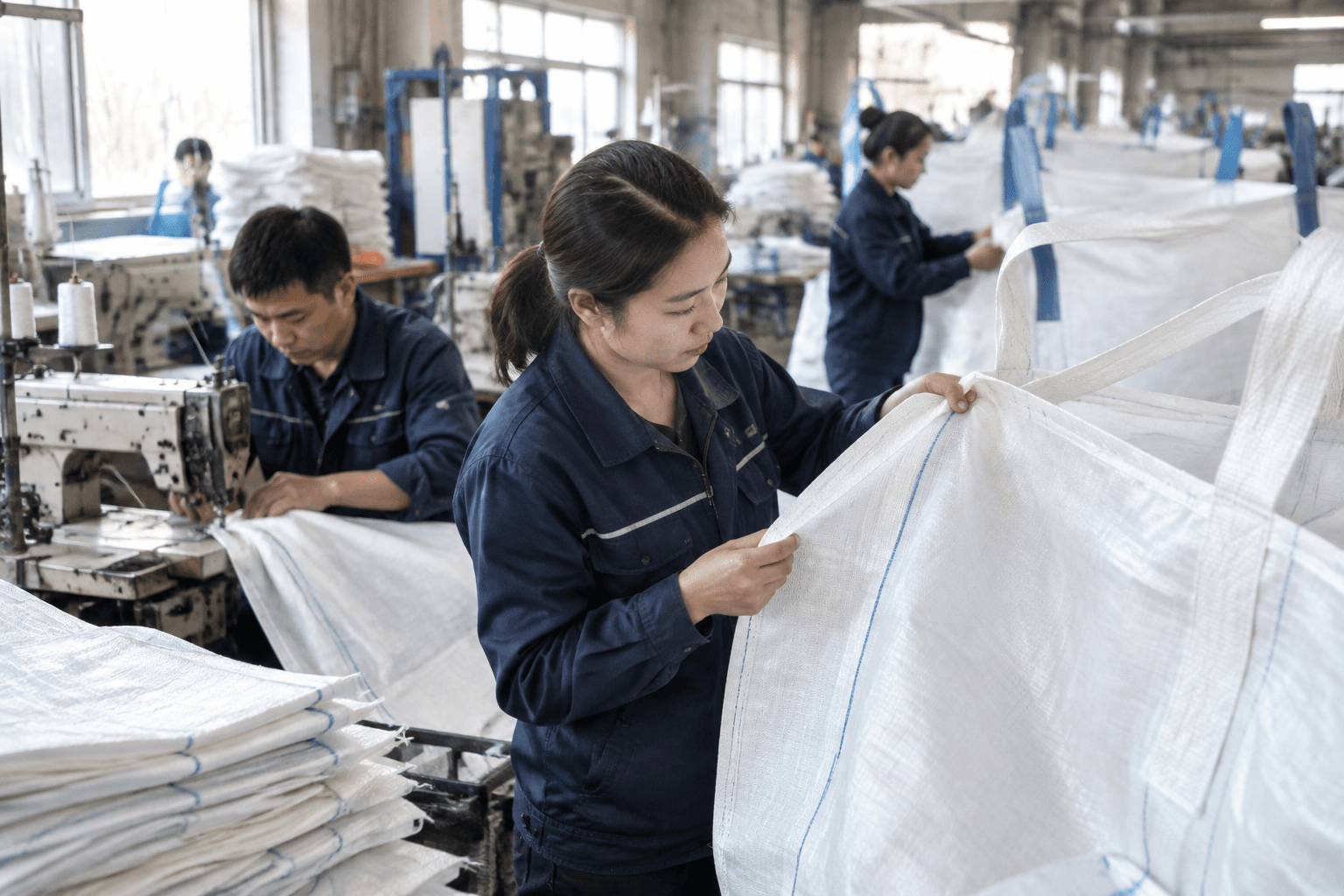
The 140th Canton Fair: New Trends in the Export Market for FIBC Bulk Bags, Jumbo Bags, and PP Woven Packaging
Explore how export buyers can evaluate FIBC bulk bags and PP woven packaging beyond unit price. Get practical guidance on specifications, supplier verification, sustainability requirements, and RFQs—and prepare your next sourcing conversation with COSEK.
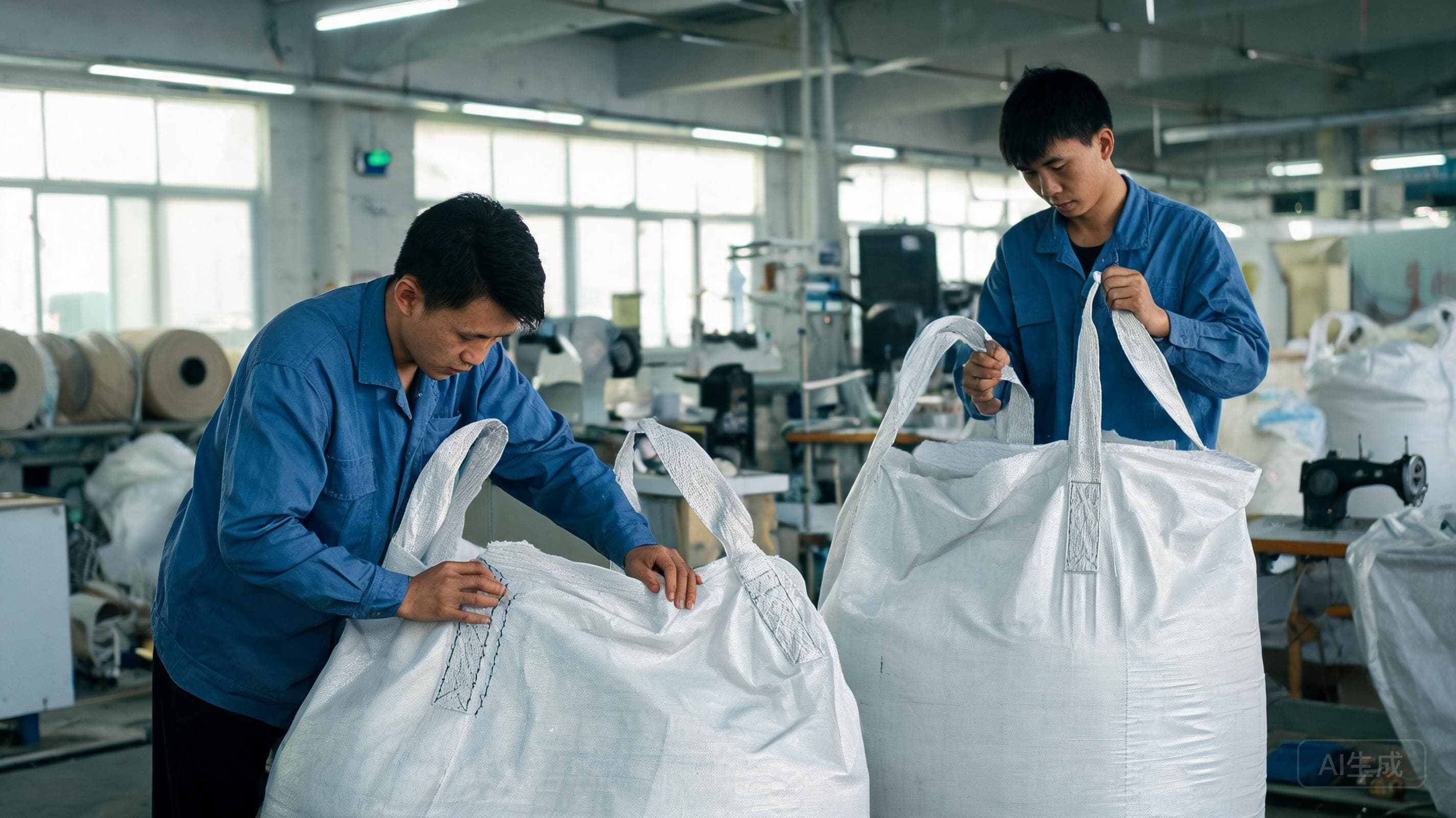
How to Choose the Right FIBC Bulk Bag for Safer, More Efficient Industrial Packaging
Choose an FIBC bulk bag by matching its construction to your product, handling process, compliance needs, and destination. Use technical review, pilot testing, and total-cost analysis to reduce risk.
Want to know more?
Get in touch with us for more information about our services and products.