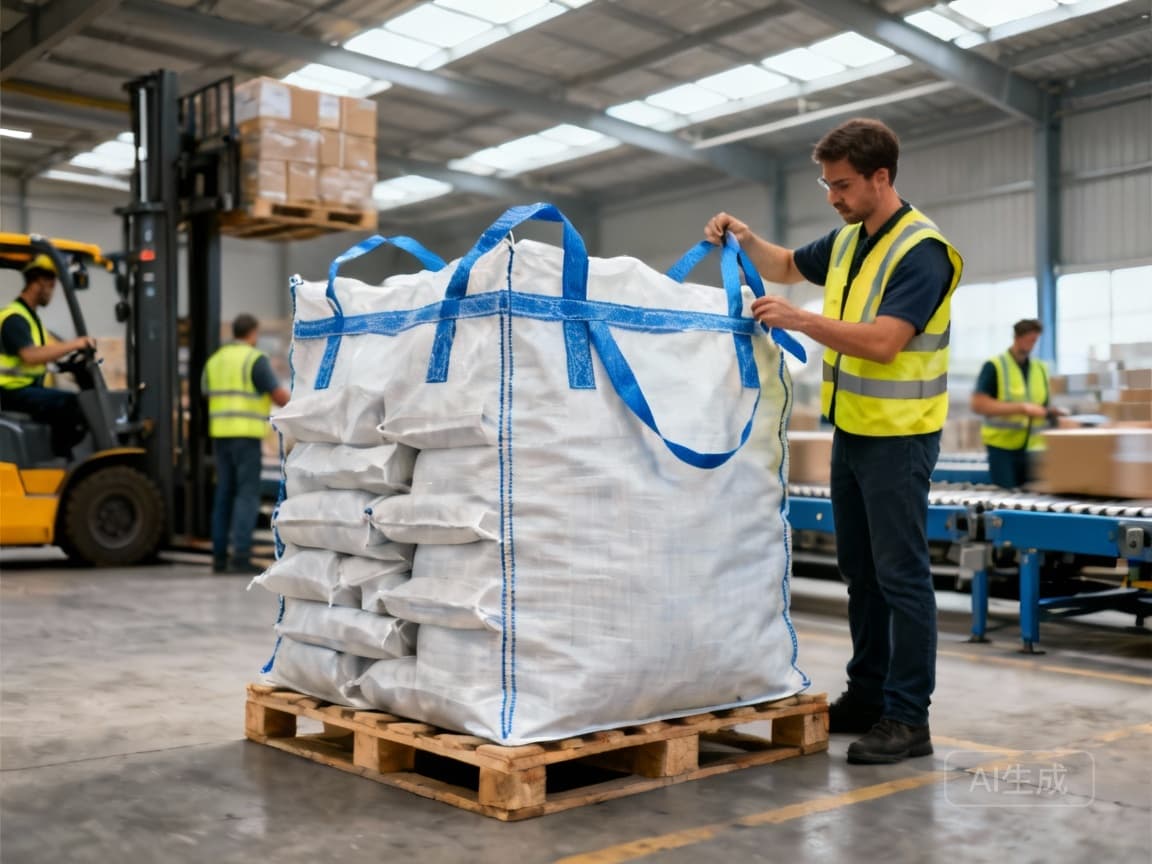
FIBC as a Growth Lever: Transform Packaging into a Strategic Asset #15
RUNCHEN
AuthorWith more than 25 years of experience in FIBC bulk bag manufacturing and sales, RUNCHEN operates its own production facility with stable batch capacity. We specialize in FIBC bulk bags, jumbo bags, ton bags, and customized industrial packaging solutions.
FIBC as a Growth Lever: Transform Packaging into a Strategic Asset
For decades, the bulk bag (FIBC) has been viewed through a narrow lens: a cost-effective container for moving dry, flowable goods. Procurement conversations revolve around price-per-unit, durability, and basic compliance. This transactional mindset has created a competitive red ocean. The strategic opportunity for forward-thinking manufacturers and their clients lies in a fundamental perspective shift—from seeing FIBC as a consumable expense to leveraging it as a dynamic asset for business growth and supply chain innovation.
This shift is driven by converging macro-trends: the relentless pressure for sustainable operations, the pursuit of higher-margin markets, and the demand for logistics efficiency in an e-commerce era. By analyzing real-world business strategies and market data, we can chart a course where FIBC becomes a central pillar in building resilient, profitable, and future-ready supply chains.
From Linear Cost to Circular Value: The Asset Mindset
The traditional linear model—"produce, ship, dispose"—creates hidden costs in waste handling, raw material consumption, and environmental impact. The strategic alternative is a circular model where FIBCs are managed as reusable assets. The success of momo's e-commerce logistics provides a compelling proof of concept. By implementing reusable "cycle bags" designed for up to 25 uses, momo tackled packaging waste while streamlining operations.
This model is directly transferable to industrial scale. Imagine a closed-loop system where FIBCs are tracked, collected, professionally inspected, and reintroduced into the supply chain. The value proposition moves beyond the price of the bag to the Total Cost of Ownership (TCO).
A circular FIBC program transforms a capital expenditure into a managed service, slashing per-use costs, eliminating disposal fees, and generating quantifiable ESG benefits that resonate with modern stakeholders.
Implementation starts with a partnership-focused approach, integrating standardized bag design, digital tracking (like RFID or QR codes), and a reliable reverse-logistics network. The question is no longer "how much does a bag cost?" but "what is the cost-per-shipment cycle, and what brand value does our sustainable logistics program generate?"
Enabling Market Access: FIBC for High-Value Products
Growth often requires entering more demanding, higher-margin segments. Here, FIBC specifications become a critical enabler for market access. Consider the stable growth of the global cosmetics ingredients market or the stringent purity requirements for premium food additives. These products cannot risk contamination, moisture uptake, or static discharge during transit.
This mirrors the strategy of Samsonite, which boosted its gross margin to 59.3% by strategically focusing on its high-profit Tumi brand and key regional markets. For a bulk bag user, "trading up" to a performance-engineered FIBC can be the key to qualifying as a supplier for these lucrative segments. A bag designed with FDA-compliant liners, advanced moisture barriers, and certified clean manufacturing processes is not just a container; it's a passport to premium business.
This approach directly addresses specific search queries like "bulk bag chips" or "dippin' dots bulk bag," which signal a need for impeccable purity and product integrity. By offering solutions that meet the exacting standards of industries like pharmaceuticals, cosmetics, and高端食品, FIBC providers help clients capture more value, thereby elevating their own role from commodity supplier to essential technical partner.
Optimizing for Modern Logistics: The E-Commerce & Direct-to-Store Frontier
The rise of e-commerce and retail direct-to-store shipments demands supply chain flattening. Market insights confirm that soft packaging dominates 54.32% of the global market, partly due to its logistics cost advantages. FIBCs are uniquely positioned to enable this shift for bulk products like pet food, potting soil, or pool salts.
The innovation lies in designing FIBCs not just for transport from Factory A to B, but for seamless integration into warehouse management systems (WMS) and last-mile handling. Think of features like:
- Dimensions optimized for standard pallets and container loading.
- Easy-grip sleeves and clear, scannable labeling for quick warehouse picking.
- User-friendly dispensing features (e.g., clean-seal spouts) that allow the bag to function as a point-of-use dispensing station in a warehouse or store backroom.
This eliminates costly and slow repackaging into smaller units. The economic analysis shifts from a simple packaging cost comparison to a holistic supply chain cost model, evaluating savings in labor, handling time, secondary packaging materials, and speed to market. The FIBC becomes the direct link between bulk manufacturing efficiency and the demands of a disaggregated retail world.
Your Path to Strategic Packaging
Transitioning from a cost-center view to a growth-lever perspective requires a new set of questions. Begin your assessment with this actionable checklist:
- Circular Potential: Do you have consistent routes or dedicated partners where FIBC retrieval is feasible? What is your current total spend on packaging disposal?
- Market Ambition: Are you exploring markets with stricter purity, safety, or documentation requirements? Could your packaging specifications be a barrier to entry or a point of differentiation?
- Logistics Model: Is your supply chain being pressured by demands for faster, more direct shipment to end-points like distribution centers or large retail stores?
The data and cases are clear. Whether it's momo's reusable model, Samsonite's margin-focused strategy, or the overarching market drive toward sustainable, efficient logistics, the trends are reshaping every link in the supply chain. By reimagining the humble bulk bag as a strategic, customizable, and intelligent asset, businesses can unlock new efficiencies, open new markets, and build a formidable competitive advantage that goes far beyond the price of a bag.
Related News
Other news you might be interested in
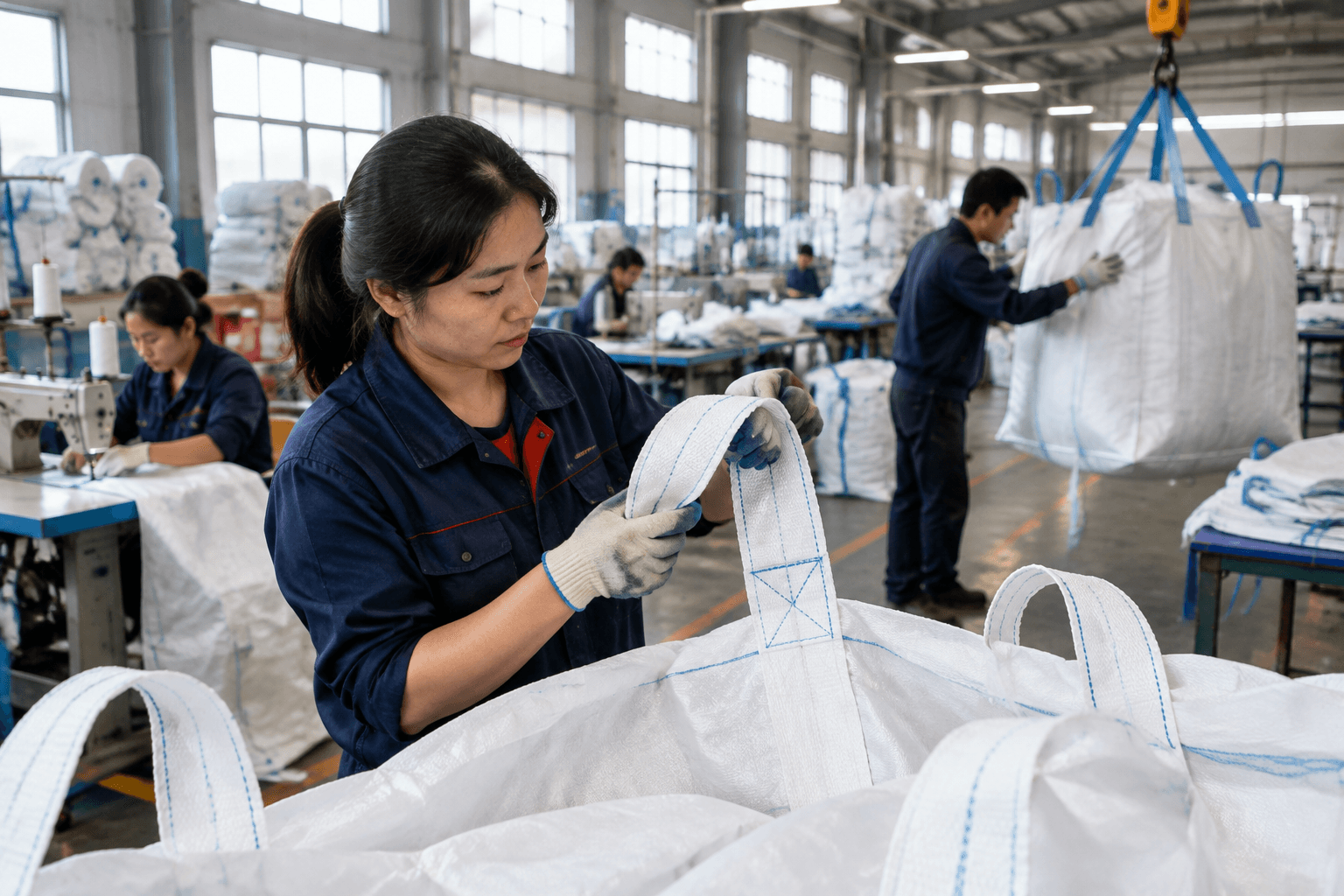
Choosing the Right Bulk Bag Manufacturer for Safer, More Efficient Operations
Learn how to specify bulk bags, evaluate manufacturers, and validate quality and supply reliability to reduce operational risk and support safer, more efficient handling.
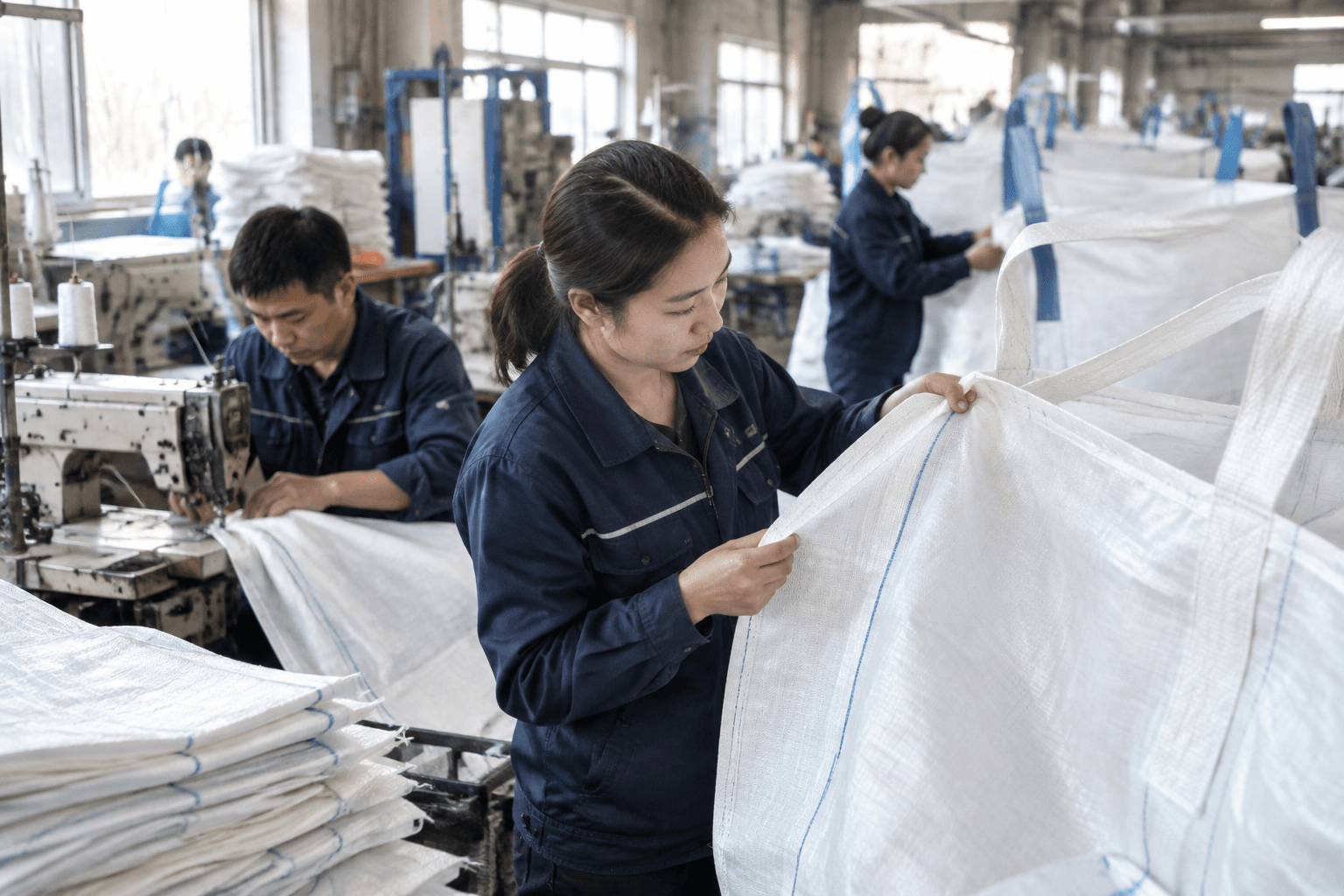
The 140th Canton Fair: New Trends in the Export Market for FIBC Bulk Bags, Jumbo Bags, and PP Woven Packaging
Explore how export buyers can evaluate FIBC bulk bags and PP woven packaging beyond unit price. Get practical guidance on specifications, supplier verification, sustainability requirements, and RFQs—and prepare your next sourcing conversation with COSEK.
Want to know more?
Get in touch with us for more information about our services and products.