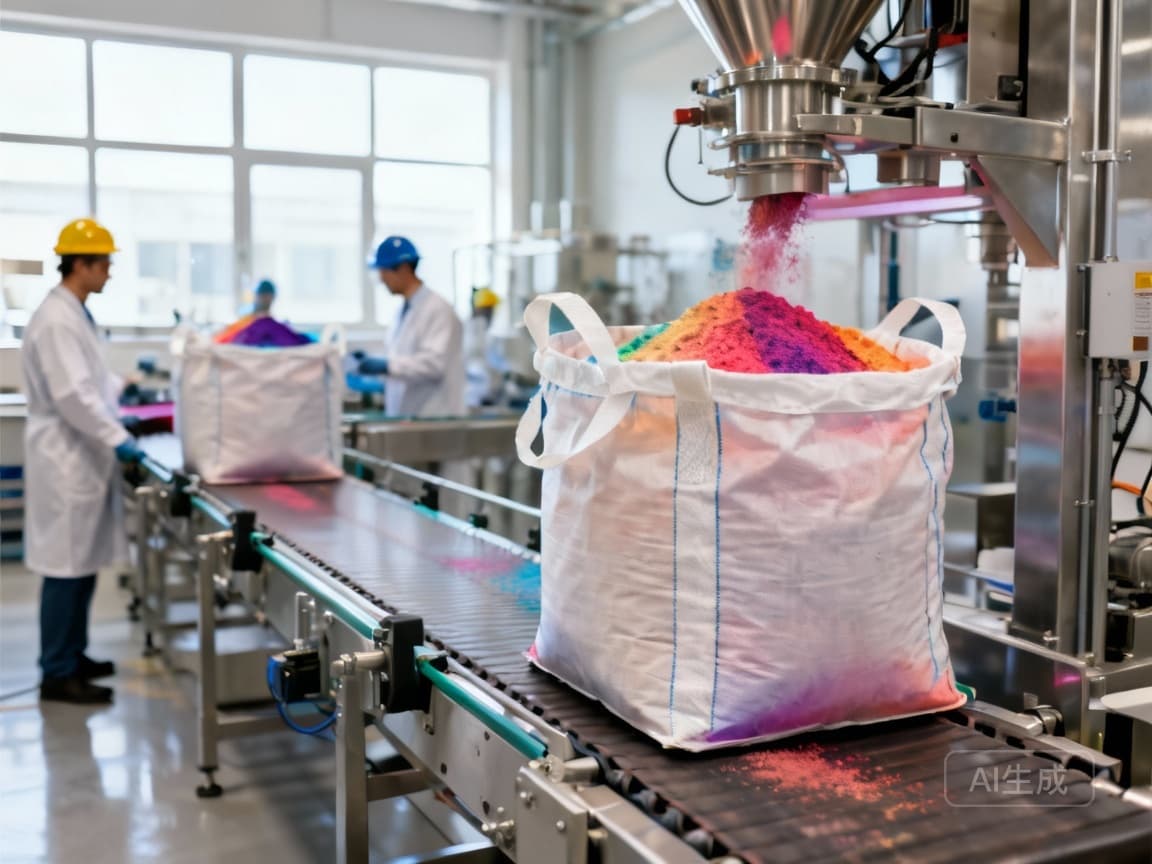
FIBCs Drive Cosmetic Brand Growth: A 3.9% CAGR Link to $403B Packaging Market #6
RUNCHEN
AuthorWith more than 25 years of experience in FIBC bulk bag manufacturing and sales, RUNCHEN operates its own production facility with stable batch capacity. We specialize in FIBC bulk bags, jumbo bags, ton bags, and customized industrial packaging solutions.
The Hidden Link: How Your FIBC Strategy Powers Cosmetic Brand Growth and Sustainability
For bulk bag (FIBC) manufacturers, the conversation with clients has historically revolved around cost, compliance, and containment. While these are critical, they represent a defensive, transactional value. A significant strategic opportunity is being overlooked: repositioning the FIBC from a passive logistics container to an active, enabling component of a sustainable supply chain. This shift is particularly potent when connected to high-growth, sustainability-driven sectors like cosmetics. By aligning your FIBC solutions with the core commercial and ESG goals of brands, you elevate from a packaging supplier to a strategic partner in circularity.
The $403 Billion Imperative: Connecting FIBCs to the Cosmetic Supply Chain
The global cosmetics packaging market is projected to grow from $286.1 billion in 2026 to $403.7 billion by 2035, at a CAGR of 3.9%, with sustainable solutions as a key driver. For cosmetic brands, this creates immense pressure to deliver on "green" promises. However, their sustainability focus often stops at the primary consumer package—the bottle or jar. The true opportunity lies upstream in the bulk ingredient supply chain, where FIBCs play a foundational role.
Consider high-value cosmetic ingredients like essential oils, clays, or specialty powders, which can cost over $5,000 per ton. A standard FIBC might suffice for containment, but a purpose-engineered "circular-ready" FIBC does more. It ensures ingredient purity (critical for brand integrity), enables efficient, residue-free discharge to minimize waste, and is designed for multiple lifecycles through cleaning or recycling. This transforms the FIBC from a cost line item into a tool for brand protection and sustainability goal attainment.
As one industry report notes, the push for sustainable packaging is a dominant force driving the cosmetic market's growth. Brands committed to this goal must look beyond the shelf and engineer sustainability into every link of their supply chain.
From Case Studies to Core Strategy: Engineering Systemic Value
The provided success cases, while from different industries, offer a powerful blueprint for FIBC value creation. The DSM Nanjing Chemical Corporation case is a masterclass in systems thinking. By upgrading to a pulse-jet baghouse dust collector achieving 99.9% efficiency, they didn't just meet compliance; they turned an emission problem (reducing dust from 1044 mg/Nm³ to under 50 mg/Nm³) into recovered asset value, saving 1,374 tons of material annually.
For FIBC manufacturers, the lesson is profound. Value is maximized not by the bag alone, but by how it integrates with equipment like bulk bag unloaders, dischargers, and dust control systems. An FIBC designed with the right spout geometry, anti-static properties, and discharge flow characteristics can dramatically reduce residue and dust generation at the point of use. This directly translates to less product loss, lower cleanup costs, and safer operations—tangible ROI that moves the conversation far beyond bag price.
Similarly, the momo富邦媒 case highlights the commercial logic of circular packaging. Their reusable "loop bags," used up to 25 times, demonstrate that designing for multiple lifecycles reduces waste and total cost. For the FIBC industry, this validates the economic model behind offering bag recovery, washing, and recycling services, closing the loop for clients.
The Procurement Shift: 3 Critical Questions Beyond Price
To capture this evolved value, procurement dialogues must change. Encourage your clients—cosmetic brand supply chain managers, plant operators, and procurement officers—to ask these three questions that reveal total cost and strategic value:
- How is this FIBC designed to protect my material integrity and minimize waste in my specific handling system? Discuss liner options, UV stabilization for storage, and features that ensure complete, clean discharge with their existing equipment.
- What is the pathway for this FIBC at end-of-life, and do you have Life Cycle Assessment (LCA) data? Position offerings like take-back programs or certified recycling. Providing LCA data demonstrates a commitment to measurable sustainability, a key demand from cosmetic brands.
- What are the verified safety and compliance features for my global supply chain? Beyond basic UN certification, detail features like independent testing for anti-static properties or food/phyto-sanitary compliance, which mitigate risk of contamination or supply chain disruption.
Conclusion: Becoming a Circular Solutions Architect
The data is clear: the cosmetic industry is growing and is urgently seeking sustainable packaging solutions. The operational case studies prove that systematic approaches to packaging and handling yield significant financial and environmental returns. By leveraging this convergence, FIBC manufacturers can architect a powerful new narrative.
Stop selling just a bag. Start engineering solutions that help brands secure their ingredient quality, reduce total system waste, and achieve their ambitious ESG targets. In doing so, you become an indispensable partner in building the resilient, circular supply chains of the future, directly linked to a $403 billion market opportunity.
Related News
Other news you might be interested in
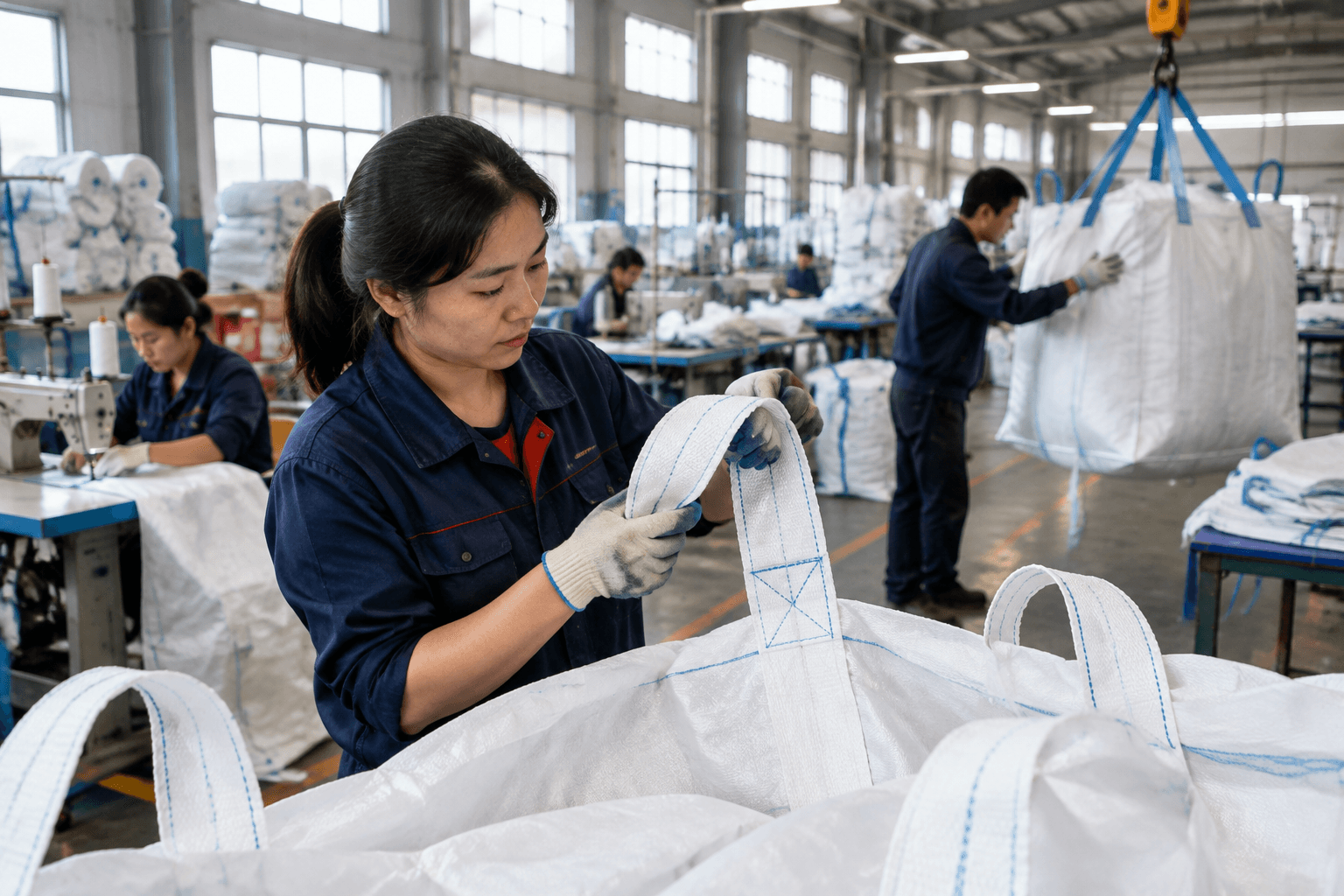
Choosing the Right Bulk Bag Manufacturer for Safer, More Efficient Operations
Learn how to specify bulk bags, evaluate manufacturers, and validate quality and supply reliability to reduce operational risk and support safer, more efficient handling.
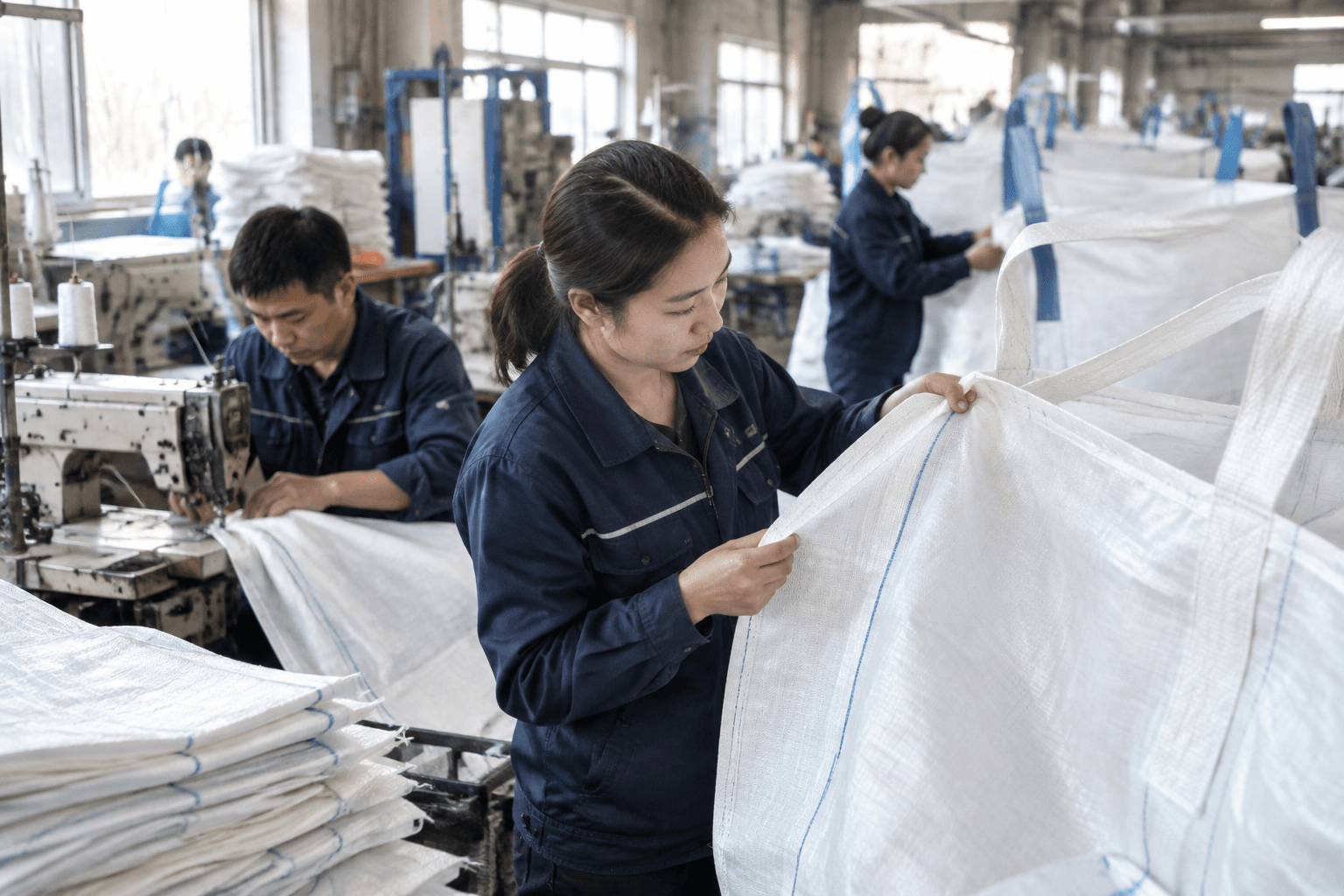
The 140th Canton Fair: New Trends in the Export Market for FIBC Bulk Bags, Jumbo Bags, and PP Woven Packaging
Explore how export buyers can evaluate FIBC bulk bags and PP woven packaging beyond unit price. Get practical guidance on specifications, supplier verification, sustainability requirements, and RFQs—and prepare your next sourcing conversation with COSEK.
Want to know more?
Get in touch with us for more information about our services and products.