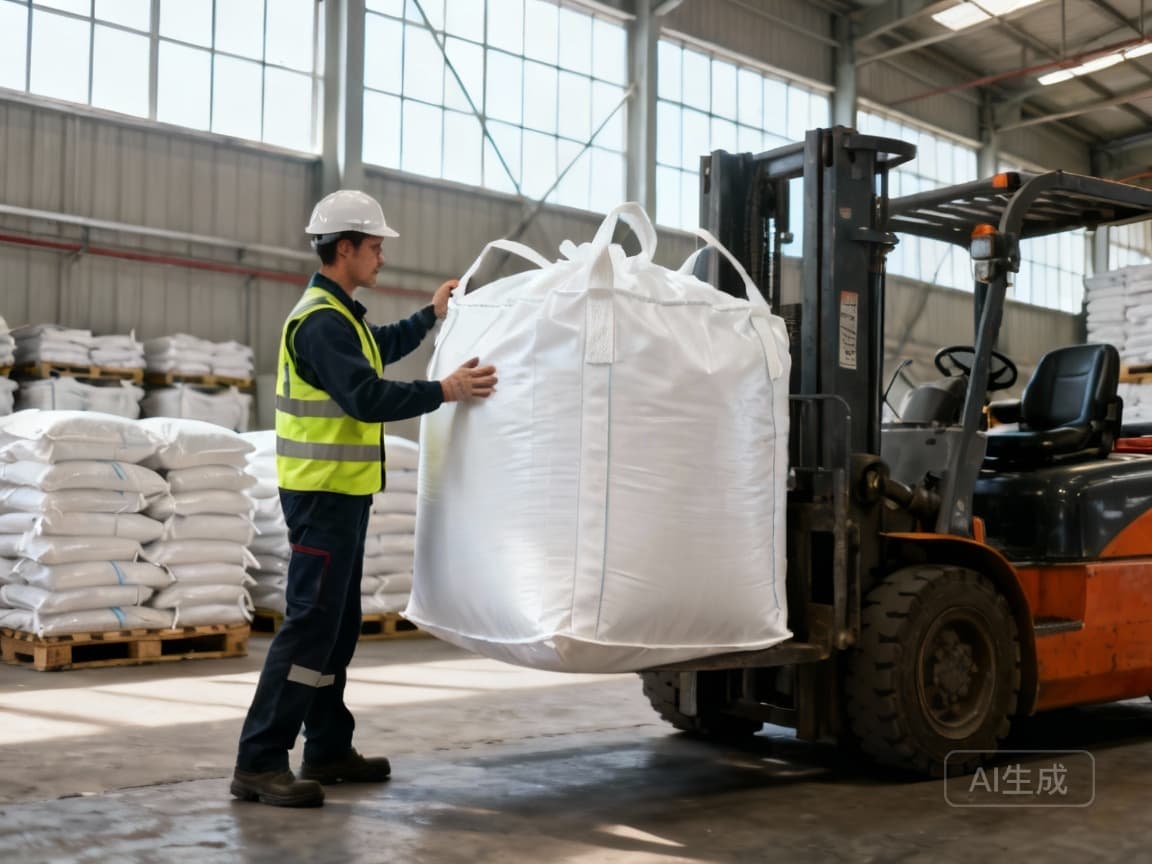
FIBCs: From Cost to Asset, Drive 7.7% Growth in Circular Packaging
RUNCHEN
AuthorWith more than 25 years of experience in FIBC bulk bag manufacturing and sales, RUNCHEN operates its own production facility with stable batch capacity. We specialize in FIBC bulk bags, jumbo bags, ton bags, and customized industrial packaging solutions.
From Cost Center to Strategic Asset: How FIBCs Drive Value in the Circular Economy
For decades, the Flexible Intermediate Bulk Container (FIBC or bulk bag) has been viewed through a narrow lens: a necessary logistics cost. The prevailing industry dialogue focuses on cost-saving, basic safety, and damage prevention. However, this defensive mindset overlooks a transformative reality. A powerful market shift is underway, driven by the global push for a circular economy, and FIBCs are poised to be a central player. The global mono-material packaging market, valued at $3.94 billion in 2024, is growing at a 7.7% CAGR, fueled by sustainability demands and simplified recycling needs. It's time to reframe the FIBC from a simple container to a strategic performance asset that protects value and enables circularity.
The Strategic Shift: Aligning FIBCs with Circular Packaging Growth
The 7.7% growth in mono-material packaging is not an abstract trend; it's a direct signal from the entire value chain. Consumer preferences, brand sustainability commitments, and stringent Extended Producer Responsibility (EPR) regulations are converging, creating pressure for truly recyclable solutions. Traditional multi-material FIBCs, often combining polypropylene with polyethylene liners, present a recycling challenge, frequently leading to downcycling or landfill.
The strategic opportunity lies in mono-material FIBC design. By engineering bags from a single, high-performance polymer type, manufacturers create a product that is inherently easier to integrate into established recycling streams. This transforms the FIBC from a waste liability at end-of-life into a valuable feedstock. For B2B users in chemicals, food, or pharmaceuticals, specifying such bags directly supports corporate Scope 3 emissions and recycled content targets, turning a packaging purchase into a sustainability credential.
Future growth is projected to reach $5.63 billion by 2029, driven by EPR schemes, advanced recycling investments, and innovation in high-barrier mono-material films.
Beyond Safety: A Lifecycle Framework for High-Value Material Integrity
While circularity addresses the end-of-life phase, the core operational value of an FIBC is realized in its active lifecycle—especially when protecting sensitive, high-value materials. Consider a $5,000-per-ton ingredient. Here, the bag's cost is negligible; its true value is in guaranteeing material integrity, preventing contamination, and ensuring seamless production flow. This requires a performance management framework, not just a safety sheet.
Designing for Specific Material Science
The "one-size-fits-all" approach is a major risk. Different materials demand specific FIBC properties:
- Food & Pharma: Requires certified food-grade materials, superior moisture/oxygen barrier properties, and contamination-free design.
- Hydroscopic Materials (e.g., certain chemicals, food products): Demands high-barrier liners to prevent clumping and degradation from humidity.
- Powders & Chips: Needs controlled static dissipation (type C or D bags) to prevent explosions or product clinging.
Selecting the correct design based on material science is the first critical step in asset protection.
Operational Excellence as Performance Protocol
The case study from Shandong Lusu Packaging correctly emphasizes safety protocols to extend bag life and eliminate hazards. We must elevate this guidance. Each rule directly impacts material integrity:
- Avoiding Slings & Friction: Prevents micro-tears in the liner that could compromise barrier properties, leading to moisture ingress or oxidation of sensitive contents.
- Proper Forklift Use with Pallets: Eliminates the risk of punctures that cause total loss of product and major production line contamination.
- Correct Lifting from All Loops: Ensures even force distribution, preventing stress concentrations that can lead to sudden failure during filling or handling.
This is not merely about saving the bag; it's about safeguarding the far more valuable product inside.
Integration and End-of-Life Strategy
Performance extends to integration with bulk bag unloaders. A bag designed for controlled discharge, paired with the right equipment, ensures complete, dust-free, and segregation-free material transfer—maximizing yield and quality. Finally, a robust lifecycle ends with intentional closure. A performance-based retirement log, tracking fills and inspections, informs timely replacement. For mono-material FIBCs, a clear take-back or recycling pathway with certified partners completes the circular loop, turning a spent asset into a resource.
Your Actionable Path Forward
To leverage FIBCs as strategic assets, procurement, operations, and sustainability teams must collaborate. Start with this assessment:
- Circularity Audit: Engage suppliers on FIBC material composition. Do they offer mono-material designs? What recycling certifications (e.g., GRS) do they hold? Can they provide Lifecycle Assessment (LCA) data?
- Performance Specification: Map your material characteristics (value, sensitivity, flowability) to specific FIBC technical requirements. Move beyond price-per-bag to a total cost of ownership (TCO) model that includes risk of product loss.
- Process Integration Review: Evaluate how FIBCs are handled, stored, and unloaded at every touchpoint. Implement the operational protocols that protect both the container and its contents.
By adopting this dual-focused strategy—embracing circular design and implementing rigorous lifecycle performance management—businesses can transform their FIBCs from a line-item cost into a driver of resilience, sustainability, and growth.
Related News
Other news you might be interested in
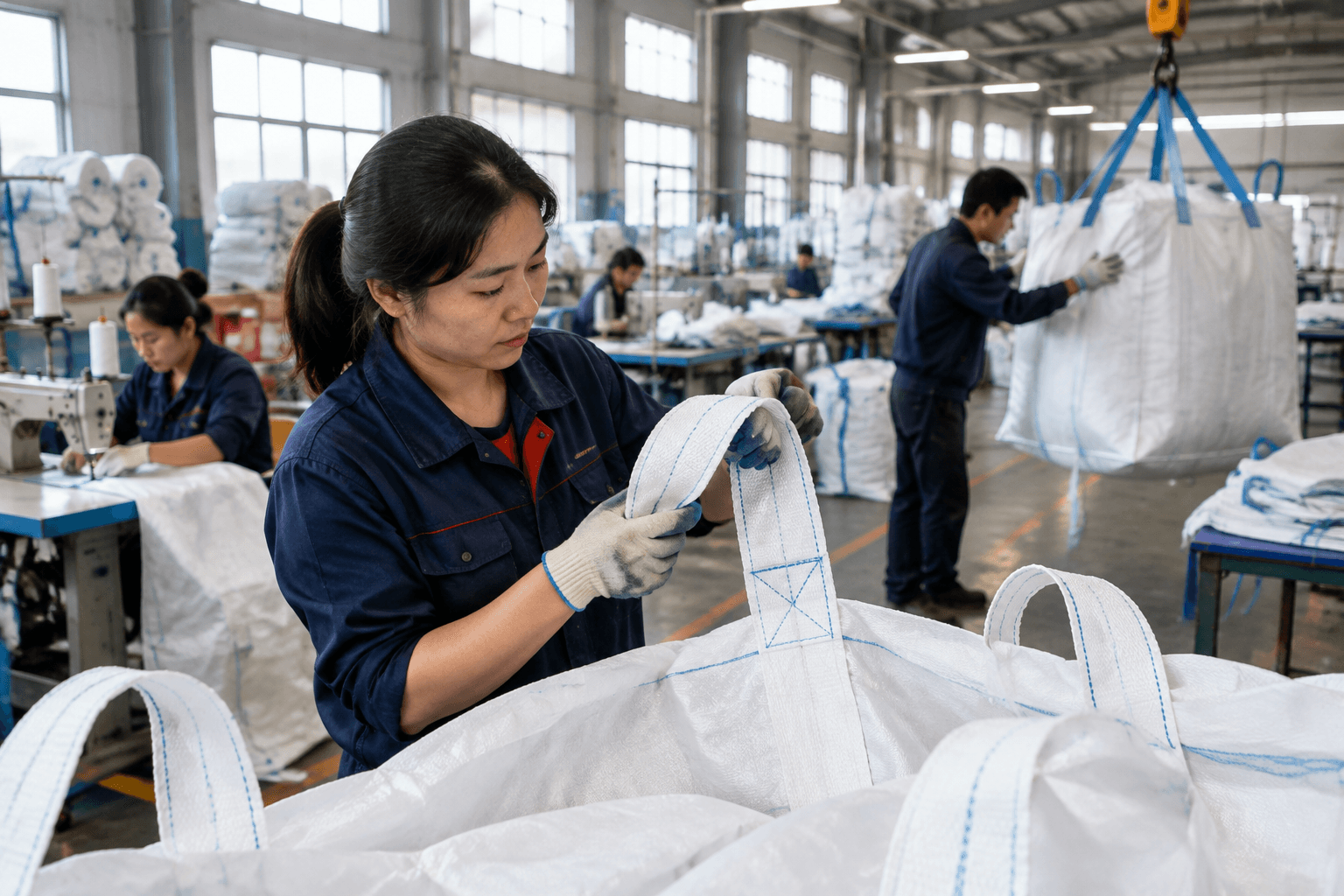
Choosing the Right Bulk Bag Manufacturer for Safer, More Efficient Operations
Learn how to specify bulk bags, evaluate manufacturers, and validate quality and supply reliability to reduce operational risk and support safer, more efficient handling.
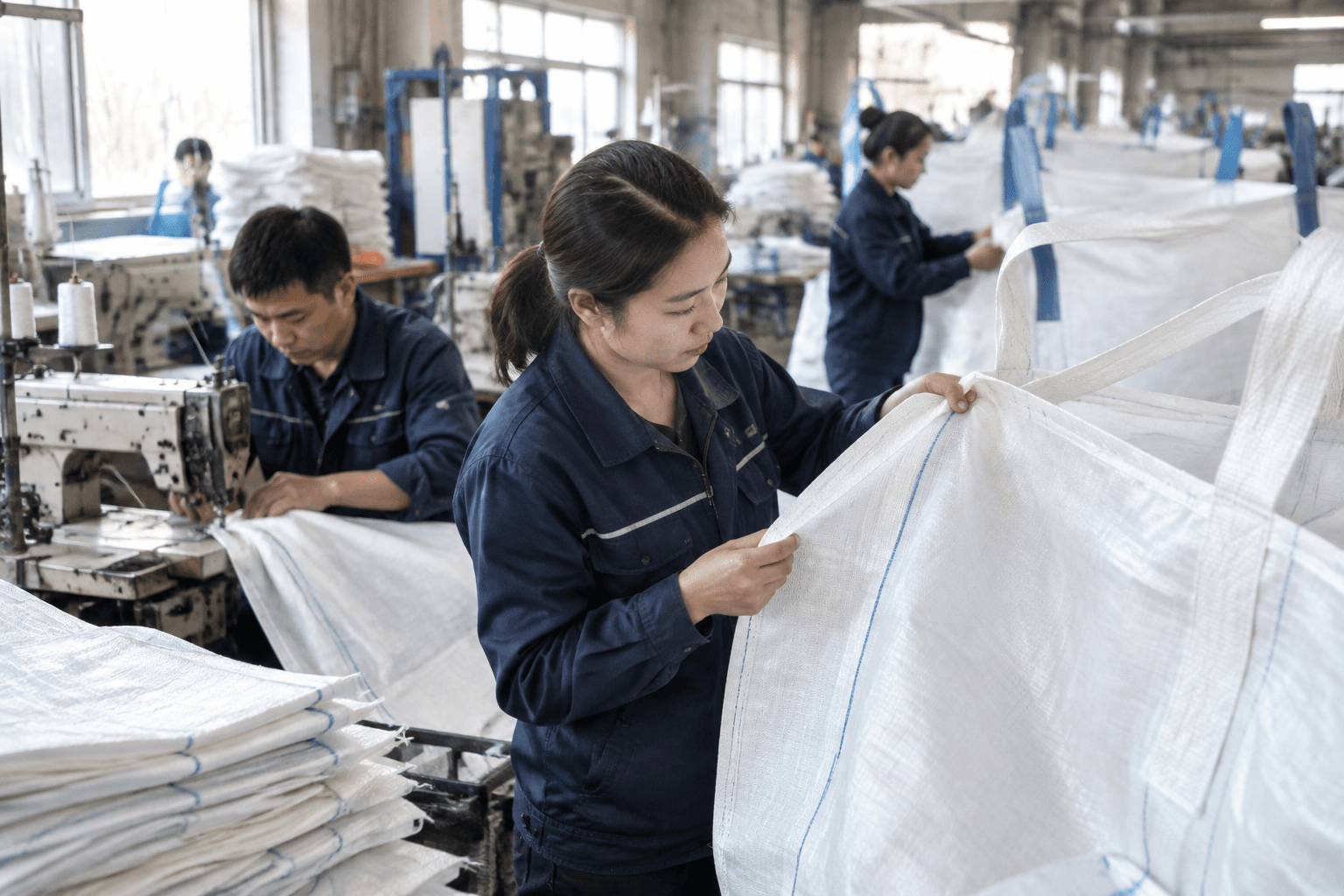
The 140th Canton Fair: New Trends in the Export Market for FIBC Bulk Bags, Jumbo Bags, and PP Woven Packaging
Explore how export buyers can evaluate FIBC bulk bags and PP woven packaging beyond unit price. Get practical guidance on specifications, supplier verification, sustainability requirements, and RFQs—and prepare your next sourcing conversation with COSEK.
Want to know more?
Get in touch with us for more information about our services and products.