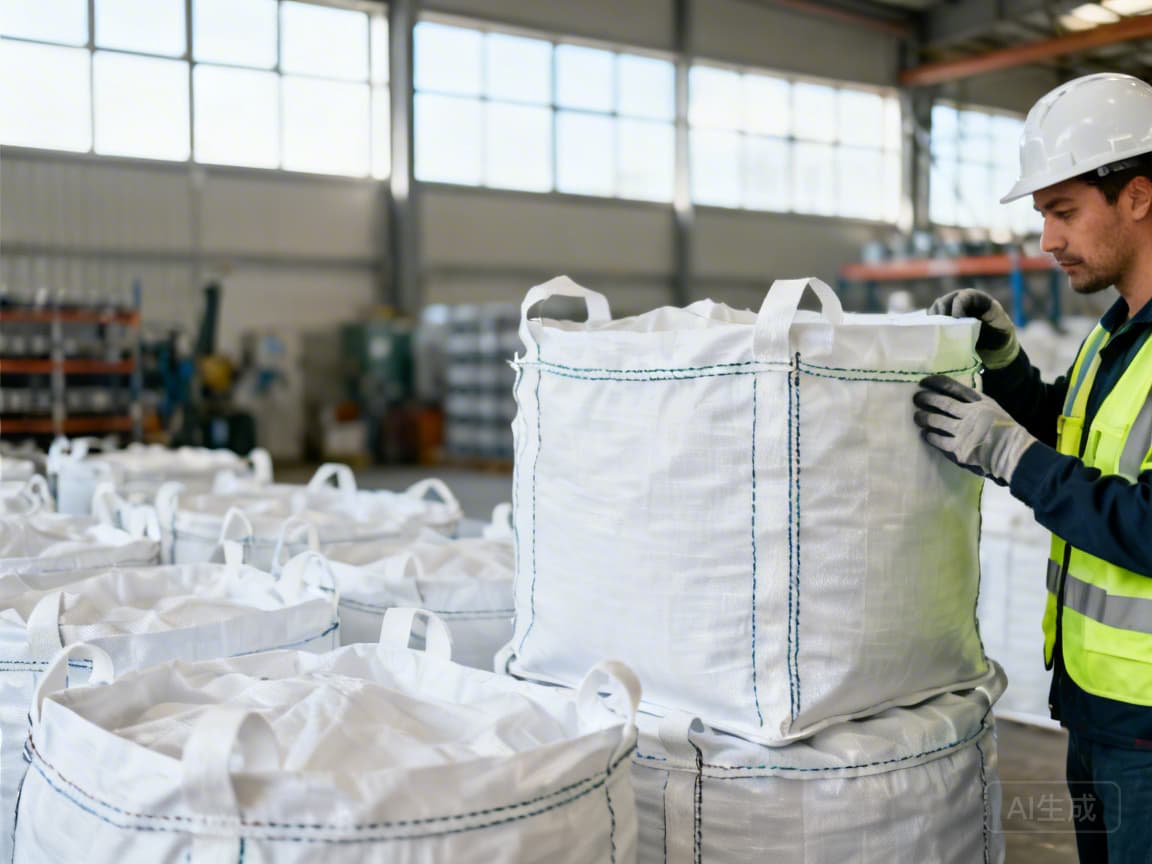
FIBCs: The Data-Driven Tool Cutting Supply Chain Emissions by 30%
RUNCHEN
AuthorWith more than 25 years of experience in FIBC bulk bag manufacturing and sales, RUNCHEN operates its own production facility with stable batch capacity. We specialize in FIBC bulk bags, jumbo bags, ton bags, and customized industrial packaging solutions.
From Linear Cost to Circular Value: Reimagining FIBCs as a Strategic ESG Asset
For procurement and supply chain leaders in bulk-handling industries, Flexible Intermediate Bulk Containers (FIBCs) have long been a line-item cost. The narrative has centered on price-per-unit and basic compliance. Yet, a powerful convergence of trends—from stringent ESG reporting to the push for supply chain transparency—demands a strategic pivot. Drawing on the sustainable innovation ethos of companies like BASF and the strategic market expansion model of Tech-Long, forward-thinking businesses are now leveraging FIBCs as a dynamic tool for emissions reduction and circularity. This isn't about greener packaging; it's about transforming a logistics consumable into a core component of your sustainability and resilience strategy.
The Linear Legacy and the Circular Imperative
The traditional FIBC lifecycle is linear: manufacture, one-way transport, disposal, or uncertain recycling. This model creates significant blind spots. It obscures true total cost of ownership, generates avoidable waste, and leaves a gaping hole in Scope 3 emissions data for both the user and the producer. Meanwhile, market forces are creating urgency. The Chinese packaging market, a key bellwether, is projected to surpass ¥1 trillion, with growth driven significantly by green alternatives, where eco-friendly packaging now commands an 80% market share. The question is no longer *if* to adopt sustainable practices, but *how* to implement them operationally and at scale.
"Sustainable development and innovative R&D are the core strengths of packaging technology development," as evidenced by BASF's approach to creating chemistry for a sustainable future. This principle is the key to unlocking the next era of FIBC utility.
A Three-Layer Framework for the Circular FIBC System
Moving beyond vague "recyclability" claims requires a systematic, engineered approach. Here is a actionable framework to transform your FIBC operations.
1. The Material Loop: Innovating at the Polymer Level
The first layer is foundational: the bag itself. True circularity starts with design-for-recycling and collaboration with material scientists. Leading chemical companies are developing advanced, monomaterial polypropylene or polyethylene formulations that maintain performance while ensuring complete recyclability. The goal is to move from downcycling to creating a closed loop where used FIBCs become high-quality raw material for new ones. Partnering with suppliers who invest in this R&D, much like BASF develops solutions to support downstream industries' environmental goals, is critical. This directly mitigates the risk of raw material price volatility cited in market insights by securing a recycled feedstock stream.
2. The Operational Loop: Engineering Efficiency into Handling
Circular materials fail without circular logistics. This layer focuses on the physical flow of empty bags back into the system. It requires seamless integration between the FIBC, filling equipment (bulk bag filler), and unloading stations (bulk bag unloader). Standardized designs for spouts, lifting loops, and discharge mechanisms are essential for efficient automated handling, cleaning, and inspection. Consider the strategic lesson from Tech-Long's globalization: "marketing service localization." For FIBC providers, this translates to offering take-back programs, local bag pooling, or cleaning services—turning the bag into a managed asset rather than a sold commodity. This reduces client CAPEX in new bags and builds resilient, service-oriented partnerships.
3. The Data Loop: The FIBC as a Digital Enabler
This is the transformative layer. Each FIBC can be a data-generating asset. By integrating robust, scannable bag tags bulk (RFID or QR codes), you create a "digital twin" for every container. This tag tracks the bag's entire journey: fill location, content batch, transport route, number of trips, and final destination for recycling.
The strategic value is immense:
- Granular Carbon Accounting: Automate the collection of transport emissions data, providing audit-ready information for your Scope 3 reporting.
- Supply Chain Transparency: Gain real-time visibility into material flow, enhancing security and provenance tracking for sensitive commodities.
- Lifecycle Management: Optimize the rotation, repair, and retirement of bag assets based on actual usage data, maximizing their value.
Quantifying the Strategic Advantage: A Value Blueprint
While ROI varies, the value drivers are clear. For a multinational handling 10,000 FIBCs annually, a circular system impacts the bottom line and the sustainability ledger.
- Cost Avoidance: Reducing virgin material purchase by 30-50% through high-yield recycling directly counters raw material price inflation.
- Efficiency Gains: Standardized, automated handling cuts labor costs and downtime at filling and unloading stations by an estimated 15-25%.
- ESG Value: Automating emissions data capture can reduce the administrative cost of sustainability reporting by thousands of hours annually, while providing superior data quality to stakeholders and regulators.
Your Actionable Roadmap
Transitioning to a circular FIBC model is a phased journey. Start here:
For Procurement & Sustainability Leaders (Months 0-3): Conduct a joint audit with your primary FIBC supplier. Assess their material innovation roadmap, recycling capabilities, and data-tracking technology. Pilot a closed-loop program for one plant or product line, establishing baseline metrics for cost, waste, and emissions.
For Supply Chain Operations (Months 3-12): Work with engineering to standardize bag interfaces (bulk bag dimensions, spout types) across key loading/unloading points to enable the operational loop. Collaborate with providers of bulk bag filling equipment to ensure compatibility.
For Executive Sponsors: Frame the investment not as a packaging cost, but as a strategic initiative for supply chain resilience and ESG leadership. It aligns directly with the market's shift toward "high-end, diversified, green, and sustainable development."
The data is clear. The framework is established. By re-engineering the humble FIBC into a connected, circular, and intelligent asset, companies can build more transparent, resilient, and sustainable supply chains, turning a logistical necessity into a powerful competitive advantage.
Related News
Other news you might be interested in
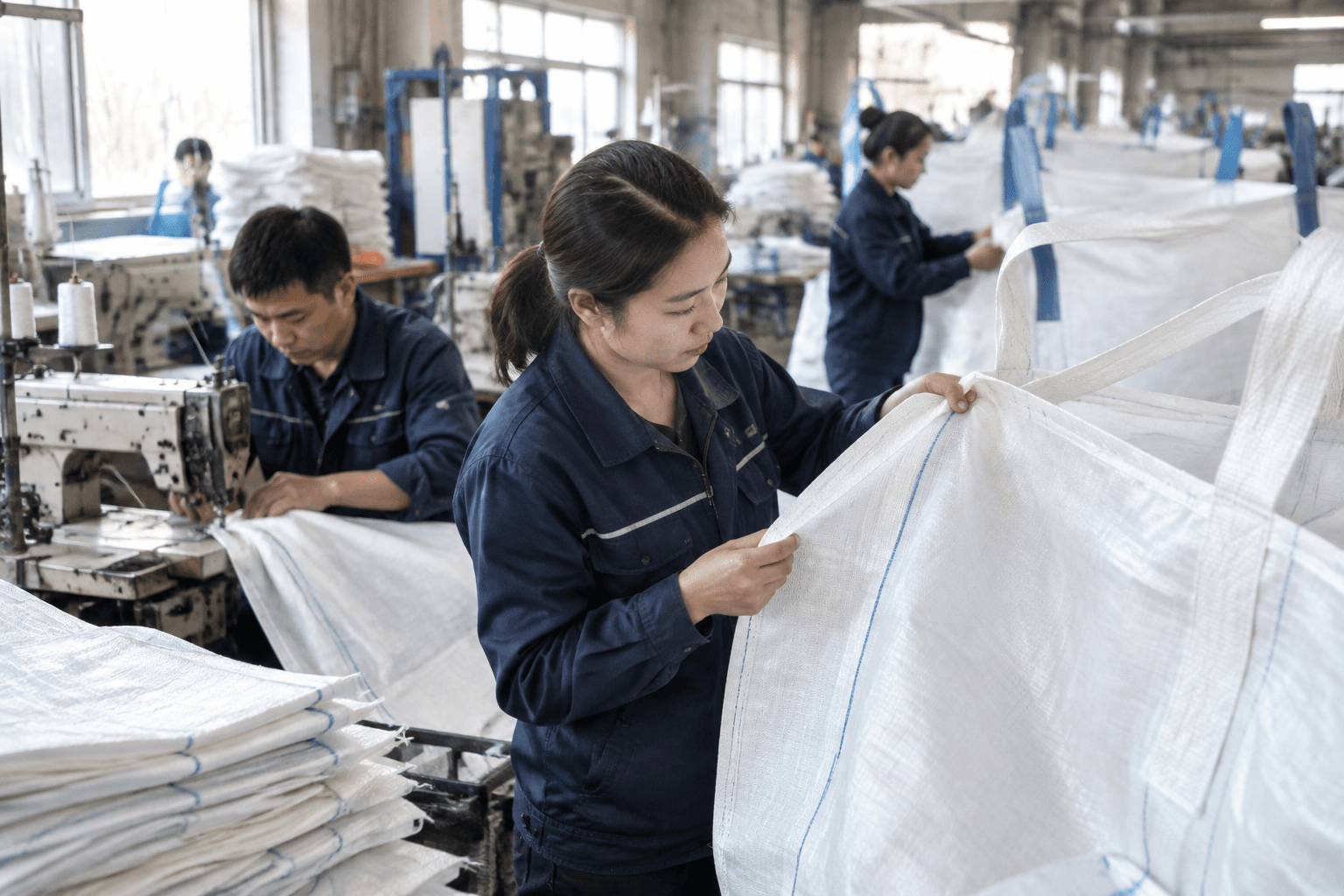
The 140th Canton Fair: New Trends in the Export Market for FIBC Bulk Bags, Jumbo Bags, and PP Woven Packaging
Explore how export buyers can evaluate FIBC bulk bags and PP woven packaging beyond unit price. Get practical guidance on specifications, supplier verification, sustainability requirements, and RFQs—and prepare your next sourcing conversation with COSEK.
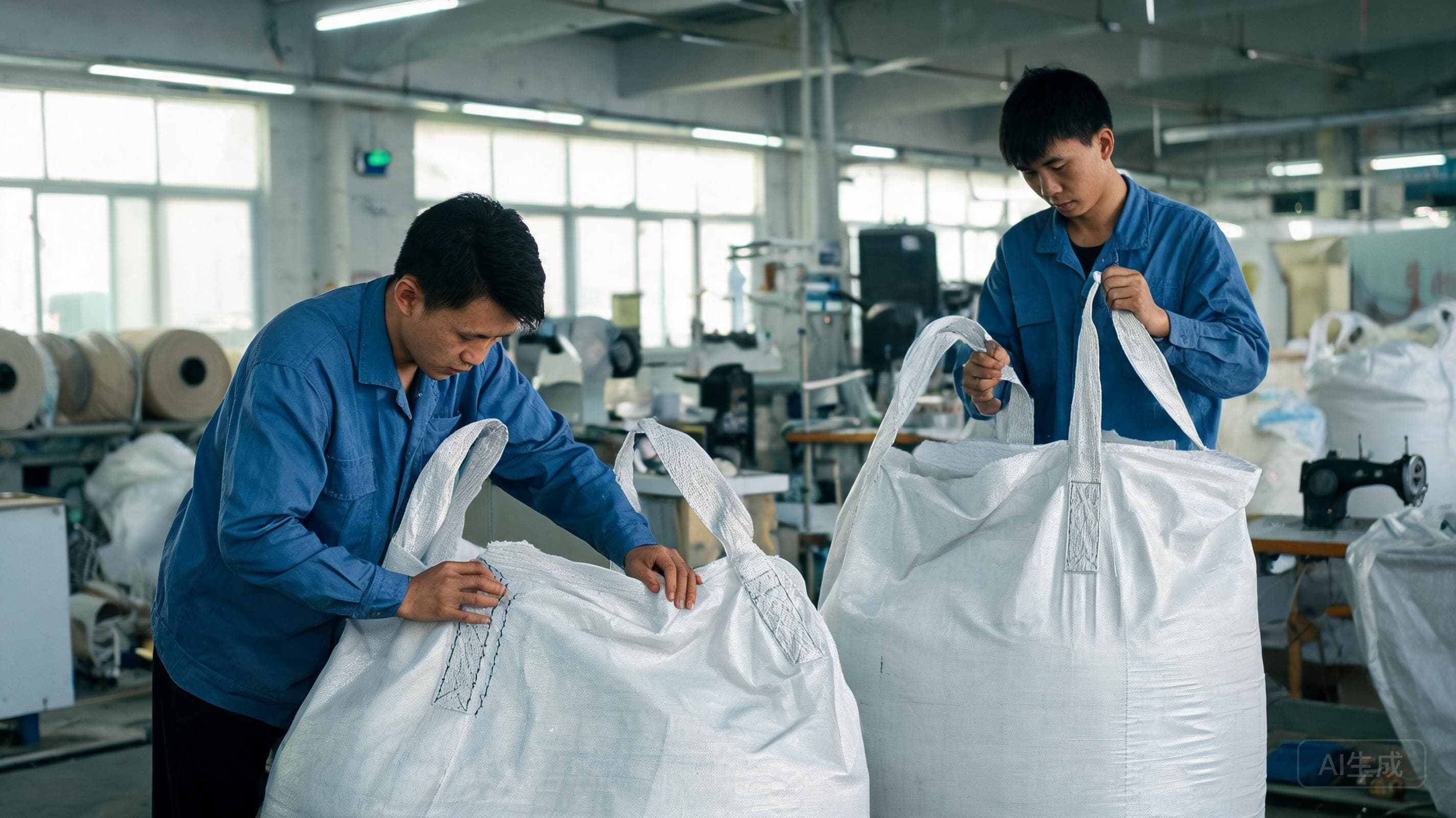
How to Choose the Right FIBC Bulk Bag for Safer, More Efficient Industrial Packaging
Choose an FIBC bulk bag by matching its construction to your product, handling process, compliance needs, and destination. Use technical review, pilot testing, and total-cost analysis to reduce risk.
Want to know more?
Get in touch with us for more information about our services and products.