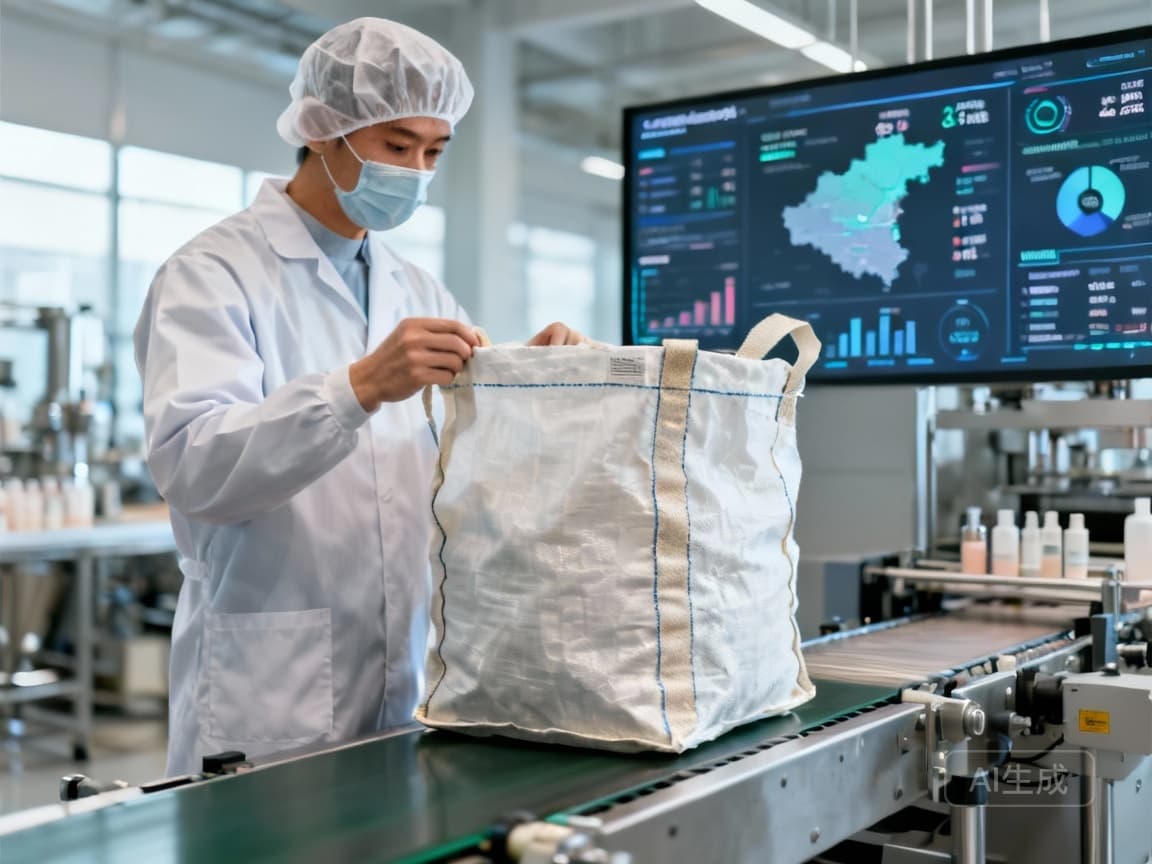
From Bulk Bag to ESG Partner: Cut Costs 30% with Data-Driven Circular Solutions #1
RUNCHEN
AuthorWith more than 25 years of experience in FIBC bulk bag manufacturing and sales, RUNCHEN operates its own production facility with stable batch capacity. We specialize in FIBC bulk bags, jumbo bags, ton bags, and customized industrial packaging solutions.
From Bulk Bag to ESG Partner: Cut Costs 30% with Data-Driven Circular Solutions
For decades, the bulk bag (FIBC) industry has competed on a familiar axis: cost-per-unit, strength, and basic compliance. This transactional focus has created a critical "perception gap." While manufacturers discuss product specs, their customers—cosmetic brands, chemical producers, and e-commerce giants—are grappling with strategic pressures: stringent ESG mandates, supply chain digitization, and total cost optimization. The opportunity lies not in selling a container, but in positioning the modern bulk bag as a key enabler of sustainable and intelligent supply chains. By leveraging circular design and data integration, forward-thinking manufacturers can help clients cut total system costs by 30% or more while advancing corporate sustainability goals.
The Silent ESG Partner: Transforming Cost Centers into Circular Assets
The drive for sustainability is not a niche trend but a core business imperative, especially in sectors like cosmetics. The European cosmetics packaging market, valued at $5.11 billion in 2024, is steadily growing with a clear demand for sustainable solutions. For a brand under investor and consumer pressure, every component, including bulk material transport packaging, is under scrutiny. Here, the shift from a single-use "consumable" to a reusable "asset" creates immense value.
Consider the pioneering case from e-commerce leader momo富邦媒. Faced with the challenge of packaging waste, they introduced a reusable "circular bag" for logistics, made from recycled plastic film from their own operations. Each bag is designed for up to 25 reuse cycles. This is not merely a green initiative; it's a profound economic recalculation. The initial cost is amortized over dozens of uses, dramatically lowering the cost-per-trip and reducing virgin material consumption. This model directly answers the call for the circular economy.
For bulk bag manufacturers, the path forward involves three concrete upgrades:
- Material Innovation: Follow the lead of companies like 浙江福莱, which invests heavily in its provincial research institute to develop sustainable coating technologies. For FIBCs, this means exploring recycled polypropylene (rPP), bio-based materials, and designed-for-recyclability monomaterials.
- Design for Circularity: Engineer bags for easy cleaning, inspection, and repair. Features like fully drainable spouts and robust lifting loops extend functional lifespan.
- Service Model Shift: Offer bag leasing, take-back, and refurbishment programs. This transforms a one-time sale into a recurring service partnership, locking in customer relationships.
When your client (a cosmetics brand) faces ESG pressure, is your bulk bag a liability or a solution? The circular model proves it can be a strategic asset.
From "Black Box" to Data Node: The Intelligent FIBC
Beyond physical circularity, the next frontier is intelligence. Supply chains suffer from "data black holes"—once a bag is filled and shipped, its contents and condition become unknown. This leads to inefficiencies: suboptimal fill rates, wasted warehouse space, and quality degradation for sensitive materials like food-grade ingredients (dippin dots bulk bag) or fertilizers. Again, innovators like momo富邦媒 provide a blueprint. Their use of a "packaging simulation algorithm" to right-size packaging and a sales forecast system that improved accuracy by ~30% showcases the power of data.
Integrating low-cost technology transforms a standard bulk bag into a smart supply chain node:
- Fill Optimization: Paired with bulk bag filling equipment, RFID tags can ensure precise weight targets, reducing material giveaway and loss.
- In-Transit Condition Monitoring: For climate-sensitive goods, simple Bluetooth sensors can log temperature and humidity, ensuring quality and validating chain-of-custody.
- Lifecycle & Inventory Management: A unique identifier (QR code or UHF RFID) allows automatic tracking of a bag's location, usage count, and maintenance history, enabling efficient pooling and reuse.
This intelligence directly attacks hidden costs: reducing product loss, minimizing claims, and optimizing asset utilization across the network.
Building Your Collaborative Innovation Roadmap
Capturing this evolved value requires a shift from being an order-taker to a solutions co-creator. The journey of 浙江福莱, developing specific coated papers for market needs, exemplifies this open innovation mindset. Bulk bag manufacturers must deeply bind themselves to the core challenges of their clients and equipment partners.
A practical implementation framework involves three collaborative axes:
- Collaborate with Raw Material Suppliers: Jointly develop next-generation fabrics that are stronger, lighter, or incorporate sustainable fillers, tailored for specific sectors like sand (bulk bag sand requiring superior UV resistance) or food.
- Integrate with Equipment Manufacturers: Work directly with makers of bulk bag dischargers and lifters to design bags that interface seamlessly, empty completely, and minimize dust—solving operational headaches for the end-user.
- Partner with End Brands: Engage procurement and sustainability officers. Use a structured "innovation interview" to uncover pain points around waste targets, total cost of ownership, and supply chain visibility. Then, prototype solutions.
The data is clear. The global push for sustainable packaging, evidenced by steady market growth, is accelerating. Competition will intensify on innovation, not just price. By repositioning the bulk bag as a circular, data-rich ecosystem component, manufacturers unlock a higher-value dialogue. They become indispensable partners in building resilient, efficient, and sustainable supply chains, delivering the 30% systemic savings that modern businesses demand. The future belongs not to the cheapest bag, but to the smartest solution.
Related News
Other news you might be interested in
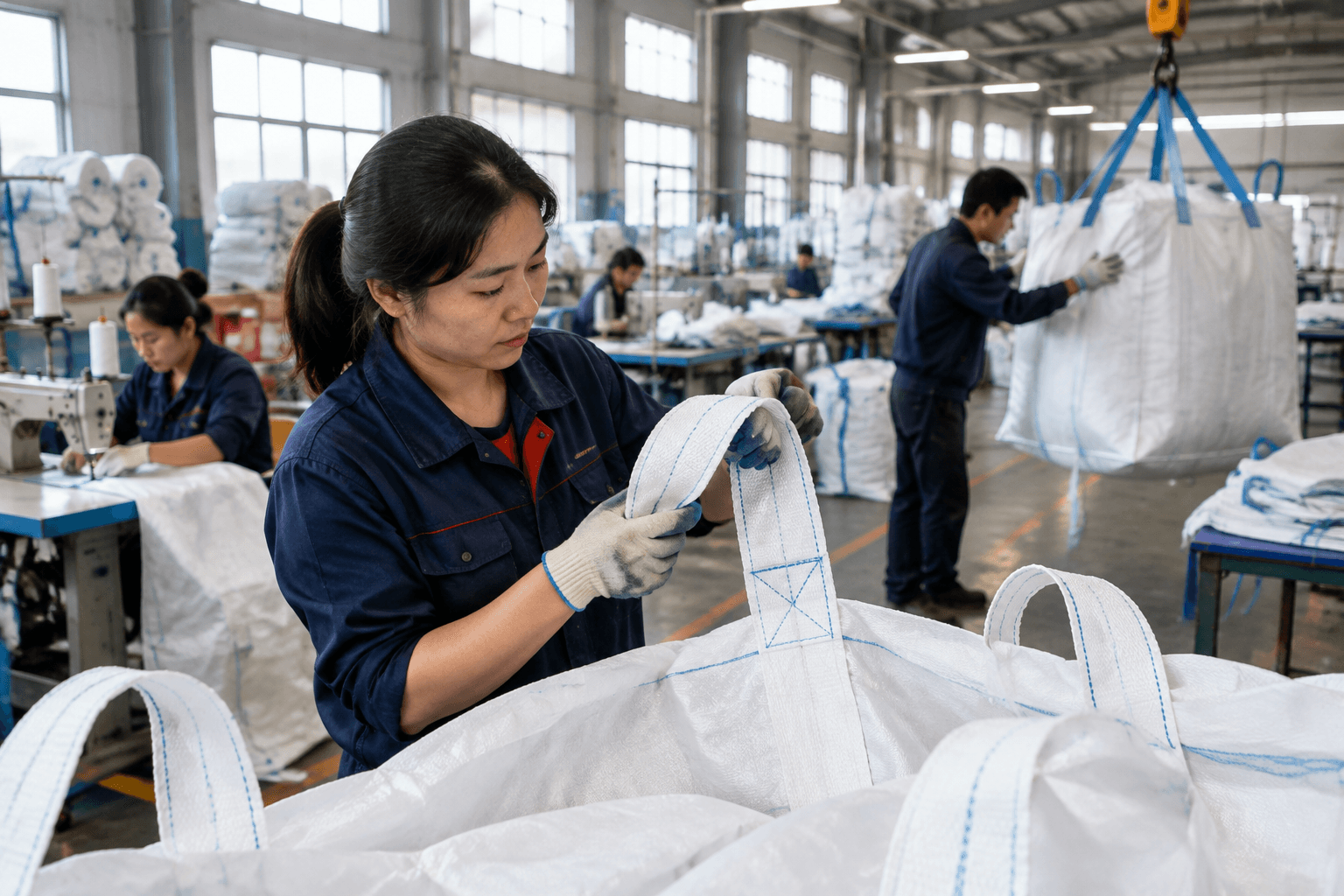
Choosing the Right Bulk Bag Manufacturer for Safer, More Efficient Operations
Learn how to specify bulk bags, evaluate manufacturers, and validate quality and supply reliability to reduce operational risk and support safer, more efficient handling.
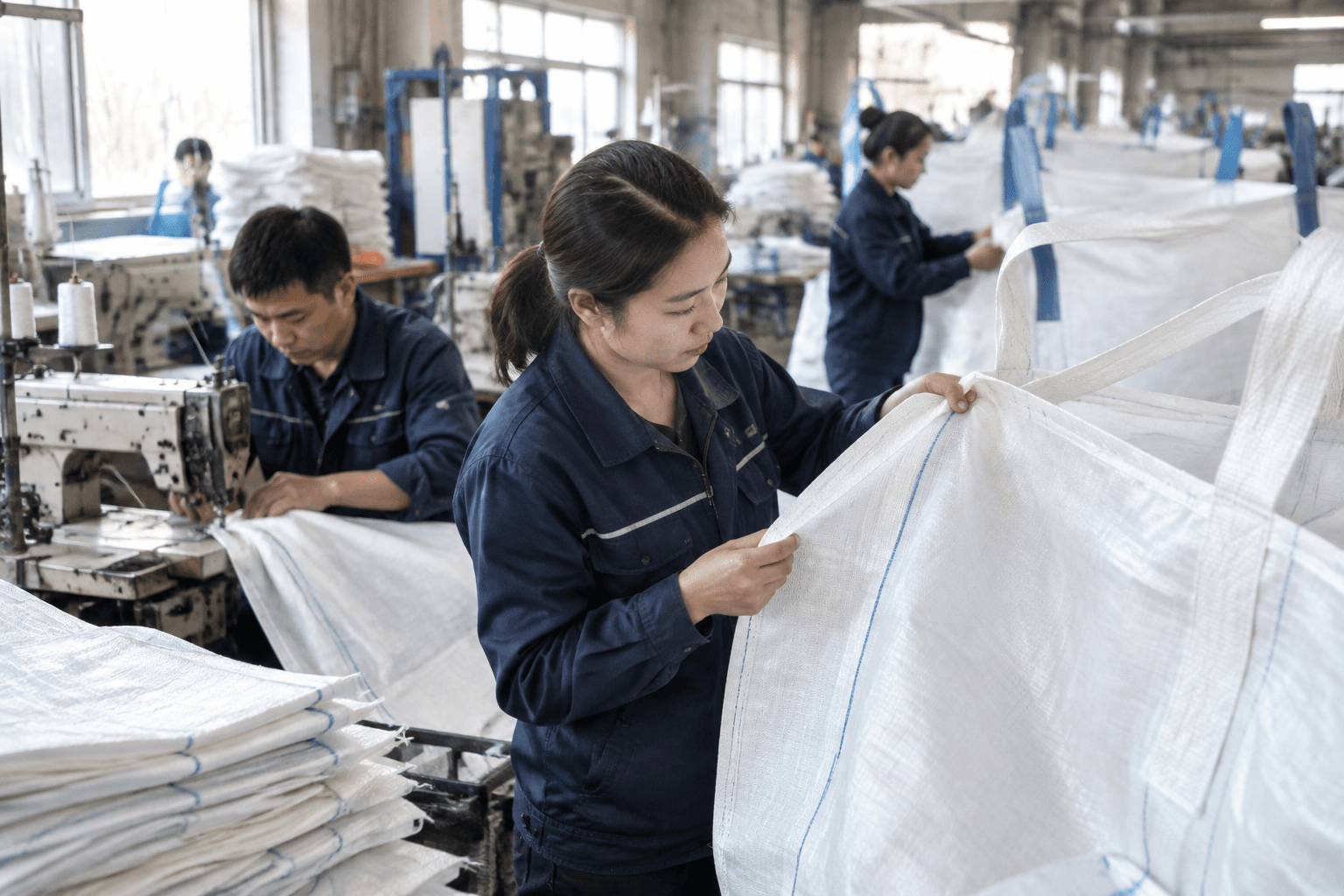
The 140th Canton Fair: New Trends in the Export Market for FIBC Bulk Bags, Jumbo Bags, and PP Woven Packaging
Explore how export buyers can evaluate FIBC bulk bags and PP woven packaging beyond unit price. Get practical guidance on specifications, supplier verification, sustainability requirements, and RFQs—and prepare your next sourcing conversation with COSEK.
Want to know more?
Get in touch with us for more information about our services and products.