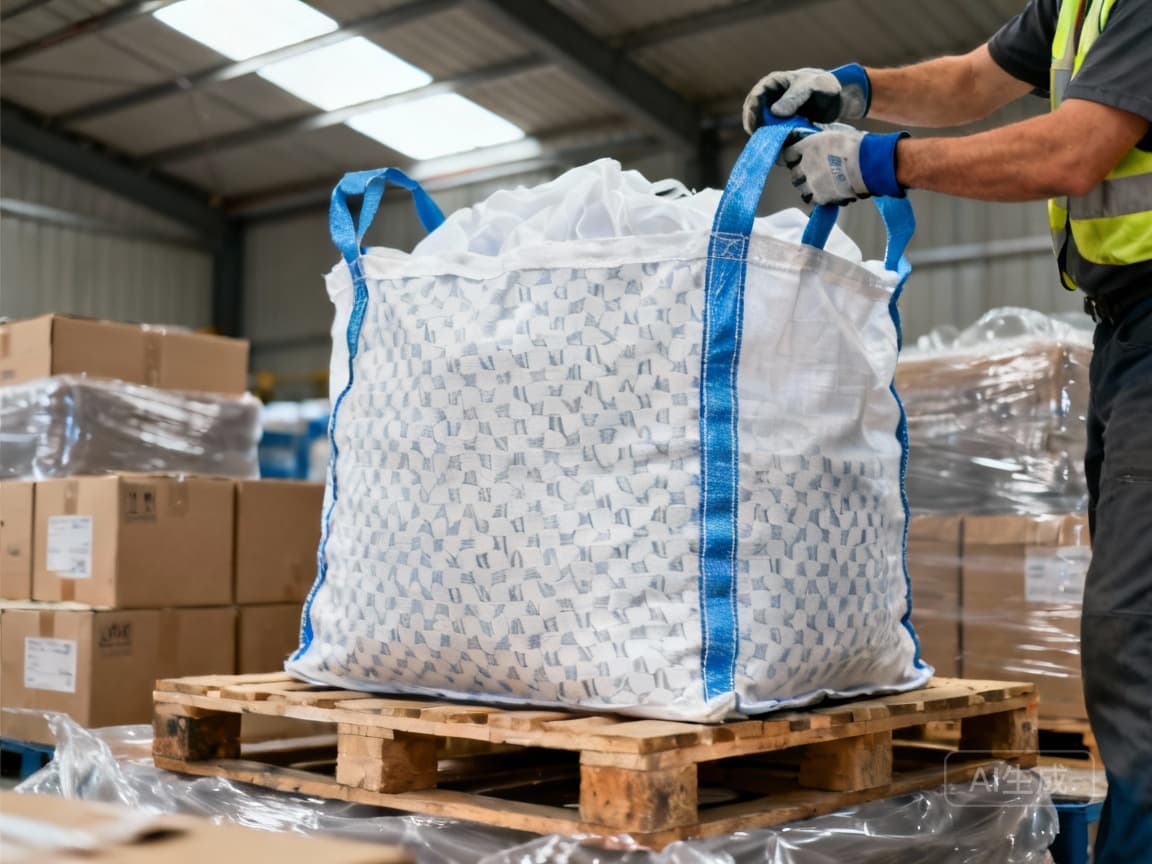
From Cost Center to Growth Driver: How Smart FIBCs Boost Brand Value & Cut Waste 30%
RUNCHEN
AuthorWith more than 25 years of experience in FIBC bulk bag manufacturing and sales, RUNCHEN operates its own production facility with stable batch capacity. We specialize in FIBC bulk bags, jumbo bags, ton bags, and customized industrial packaging solutions.
From Cost Center to Growth Driver: How Smart FIBCs Boost Brand Value & Cut Waste 30%
For decades, the Flexible Intermediate Bulk Container (FIBC) has been viewed through a purely operational lens: a cost-effective, safe vessel for moving bulk materials. The conversation has centered on price-per-unit, safety certifications, and minimizing loss. While these remain critical, this singular focus has created a market of commoditized suppliers. Today, a strategic shift is underway. Leading manufacturers are transforming the humble bulk bag from a passive cost center into an active growth driver, unlocking new value in brand equity, sustainability, and supply chain intelligence. This evolution is not theoretical; it's driven by downstream market demands and proven commercial strategies.
The Strategic Pivot: Partnering for Value, Not Just Providing a Product
The procurement dialogue is expanding. It's no longer just between the FIBC manufacturer and a client's logistics manager. It now involves brand managers, sustainability officers, and supply chain strategists who see packaging as a key lever for competitive advantage. This shift is validated by cross-industry data. Consider the travel goods sector: Samsonite International S.A. achieved a record 59.3% gross margin in 2023, a key driver being strategic investment in premium brands and direct-to-consumer (DTC) channels. This underscores a universal truth: downstream brands are fiercely focused on margin and perceived value. Your FIBC is the first physical touchpoint of their product; its quality, appearance, and story directly influence that perception.
Simultaneously, end-market trends are reshaping requirements. The global cosmetics packaging market, a significant user of bulk ingredients, is projected to grow to over $800 billion by 2032, fueled by sustainability, e-commerce, and personalization. As one market insight notes:
"Brands and packaging suppliers are forming tighter strategic partnerships to develop innovative and eco-friendly packaging."The opportunity is clear: to become that strategic partner by offering FIBCs that deliver far beyond containment.
Three Pillars for Transforming Your FIBC Strategy
To capitalize on this shift, forward-thinking companies are building their value proposition on three interconnected pillars.
1. Brand Empowerment: Your Silent Brand Ambassador
A generic white bag is a cost. A custom-designed, professionally printed FIBC is a mobile billboard. For a supplier of premium coffee beans, luxury cosmetic ingredients, or specialty chemicals, the bulk bag that arrives at a customer's facility communicates professionalism, attention to detail, and brand integrity. It transforms a warehouse receipt into a brand experience. This aligns directly with the premiumization strategy seen in the Samsonite case. By offering advanced design services, high-definition printing, and integrated branding elements like QR codes for provenance, FIBC manufacturers enable their clients to project a premium image that justifies a higher margin, turning packaging from a sunk cost into a brand asset.
2. The Green Value Chain: Shared ESG & Compliance Language
Sustainability is now a core business language, and FIBCs are uniquely positioned to help clients speak it fluently. The conversation moves from "our bags are recyclable" to "our partnership helps you achieve your Scope 3 emissions targets and simplify ESG reporting." Real-world implementation proves this model. In e-commerce logistics, momo富邦媒 implemented reusable packaging solutions, with bags designed for up to 25 uses, drastically cutting waste. This is the inherent advantage of the FIBC. Manufacturers can formalize this through take-back, wash, and re-certification programs, creating a circular service model. By providing lifecycle assessment (LCA) data for their bags, they give clients verifiable metrics to showcase in their own sustainability reports, transforming a packaging choice into a tangible ESG achievement.
3. Supply Chain Resilience: The Data-Driven Decision Node
In an era demanding transparency and efficiency, the intelligent FIBC becomes a critical data node. Integrating technology like RFID tags, QR codes, or even IoT sensors for monitoring temperature and humidity transforms a passive container into an active asset. This provides clients with real-time supply chain visibility, from production line to processing facility. It enables precise inventory management, prevents counterfeiting of high-value materials, and ensures product integrity—such as monitoring cocoa beans during transit to preserve quality for a chocolate maker. This intelligence directly reduces waste, optimizes logistics, and mitigates risk, contributing directly to the bottom line and supply chain resilience.
Implementing the Shift: Actionable Steps for Procurement
Moving from a cost-centric to a value-centric procurement model requires a new evaluation framework. Here are key steps:
- Expand the Stakeholder Circle: Involve brand marketing and sustainability teams in packaging discussions to identify value-creation opportunities beyond logistics.
- Evaluate Strategic Partnership Potential: Assess suppliers not just on price, but on their ability to collaborate on custom design, circular economy services, and technology integration. Do they offer design support or LCA reporting?
- Quantify Total Value: Build a business case that models value beyond unit cost. Calculate potential waste reduction from smart tracking, brand enhancement from premium design, and ESG value from verified recycled content or take-back programs. A 30% reduction in handling loss and waste is a common and achievable target when combining quality construction with smart features.
- Pilot a Program: Start with a specific product line or client segment. Implement a small batch of brand-enhanced or IoT-enabled FIBCs and measure the impact on customer feedback, process efficiency, and waste metrics.
The data and case studies are clear. The FIBC market is evolving from a transactional commodity space to a strategic partnership arena. By choosing suppliers who act as value-chain partners, companies can transform their bulk packaging from a line-item expense into a powerful tool for brand growth, sustainability leadership, and supply chain mastery.
Related News
Other news you might be interested in
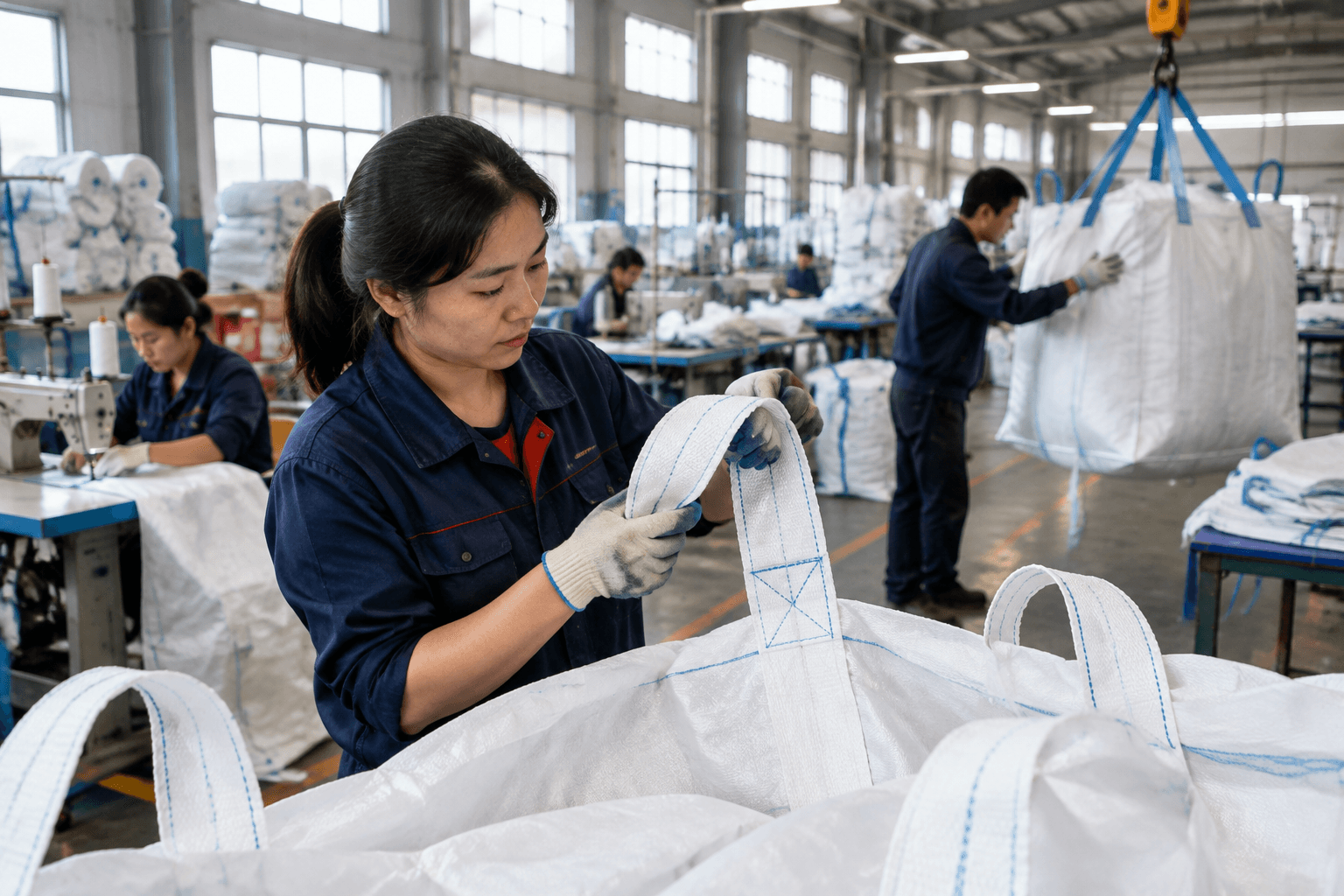
Choosing the Right Bulk Bag Manufacturer for Safer, More Efficient Operations
Learn how to specify bulk bags, evaluate manufacturers, and validate quality and supply reliability to reduce operational risk and support safer, more efficient handling.
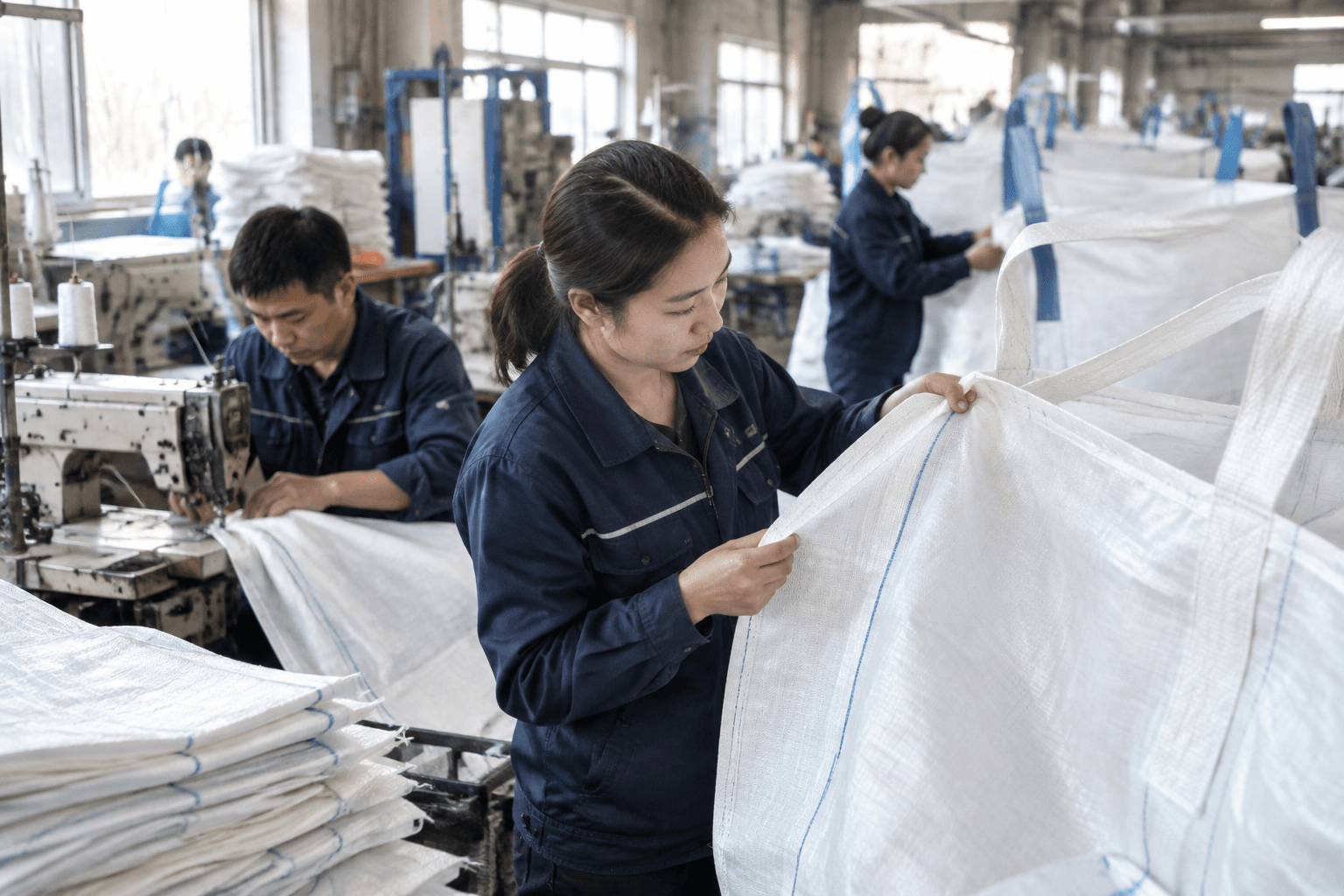
The 140th Canton Fair: New Trends in the Export Market for FIBC Bulk Bags, Jumbo Bags, and PP Woven Packaging
Explore how export buyers can evaluate FIBC bulk bags and PP woven packaging beyond unit price. Get practical guidance on specifications, supplier verification, sustainability requirements, and RFQs—and prepare your next sourcing conversation with COSEK.
Want to know more?
Get in touch with us for more information about our services and products.