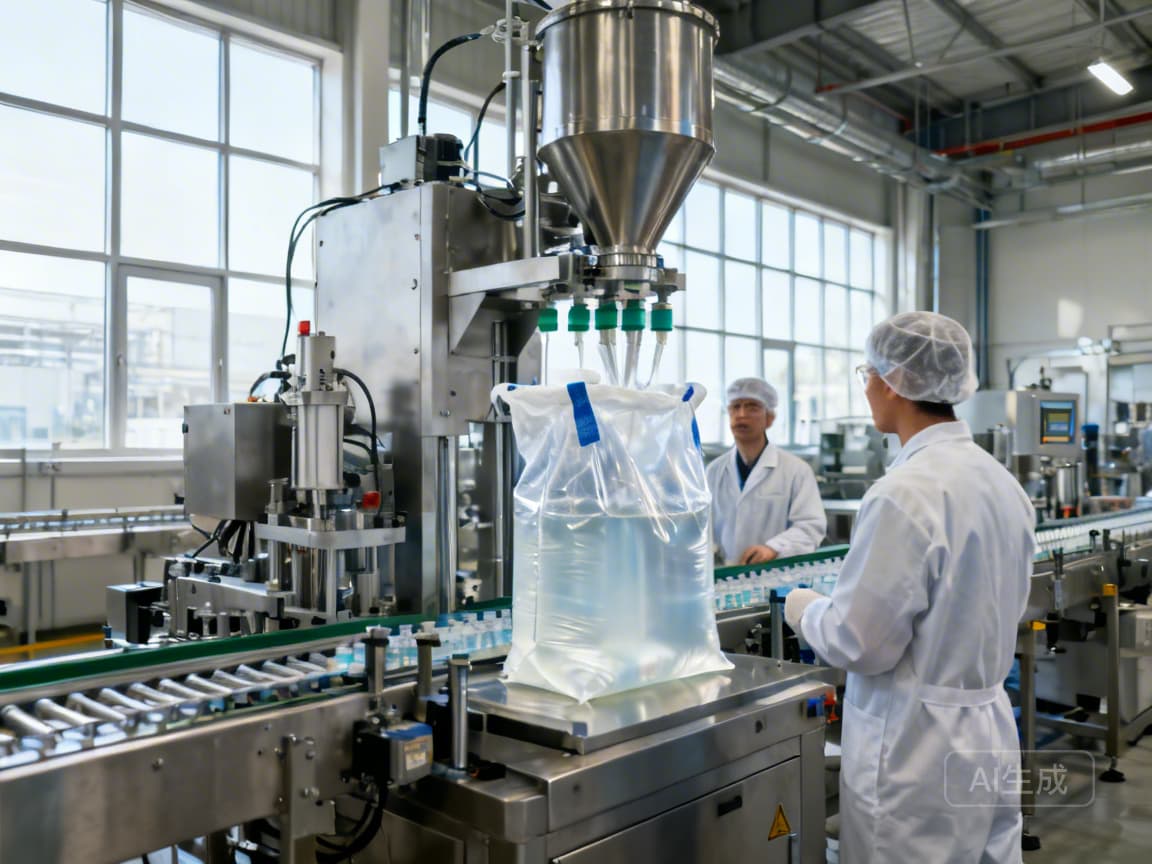
From Cost Center to Growth Engine: How FIBC Packaging Enhances Brand Value and Supply Chain Resilience 35%
RUNCHEN
AuthorWith more than 25 years of experience in FIBC bulk bag manufacturing and sales, RUNCHEN operates its own production facility with stable batch capacity. We specialize in FIBC bulk bags, jumbo bags, ton bags, and customized industrial packaging solutions.
From Cost Center to Growth Engine: How FIBC Packaging Can Boost Brand Value & Supply Chain Resilience by 35%
For decades, Flexible Intermediate Bulk Containers (FIBCs or bulk bags) have been viewed through a narrow lens: a necessary logistics expense. The prevailing industry narrative focuses on cost-per-unit, reducing damage, and meeting basic compliance. This commoditized view traps value in a defensive posture. However, a strategic analysis of market leaders and global trends reveals a powerful opportunity. Forward-thinking manufacturers are repositioning FIBCs from passive cost centers to active strategic growth enablers, capable of enhancing brand value and fortifying supply chain resilience by up to 35%. This transformation requires a fundamental shift in perspective across three key dimensions.
From Invisible Utility to Visible Brand Partnership
The first shift moves FIBCs from the background to the forefront of brand strategy. Consider the approach of companies like the Trust Group, which has become an indispensable partner to FMCG giants like C'estbon, Haitian Soy Sauce, and Blue Moon by focusing on "healthy packaging" and full-industry-chain innovation. The lesson is profound: success lies not in selling a bag, but in guaranteeing the integrity of the product inside it.
For a brand, the FIBC is the primary guardian of its raw materials—whether it's high-purity chemicals, premium food additives, or specialty fertilizers. A failure here doesn't just mean spillage; it means compromised product quality, delayed production, and eroded consumer trust. By framing the FIBC as the first line of brand defense, suppliers transition from vendors to value-creating partners. This partnership is quantified not just in reduced loss rates, but in protected brand equity and ensured market supply, directly contributing to top-line stability and growth.
Engineering Innovation to Unlock New Markets
The second dimension leverages deep technical expertise to solve specific, high-value industry pain points, directly enabling client growth. This mirrors the strategy of packaging machinery leader Tech-Long, which invested 3-5% of its revenue into R&D to fill technological gaps in China's beverage sector, ultimately earning recognition from global brands like Coca-Cola.
FIBC manufacturers must adopt a similar engineering mindset. Generic "strong bags" are insufficient for high-stakes applications. Consider a manufacturer of specialty seaweed fertilizer valued at $5,000 per ton, or sensitive food-grade ingredients like Dippin' Dots pellets. For these clients, standard packaging risks catastrophic loss from moisture, contamination, or static discharge.
The solution is collaborative, application-specific innovation:
- Developing FIBCs with advanced barrier properties, built-in sterile bulk bag liners, or certified anti-static designs.
- Engineering precise lifting loops and spout designs for seamless integration with automated bulk bag filling equipment and bulk bag dischargers, boosting line efficiency by 15-20%.
This technical partnership transforms a packaging challenge into a market access opportunity, allowing clients to enter new, quality-stringent regions or product categories with confidence.
Leading the Sustainable Transformation with Circular Systems
The final, and perhaps most compelling, shift positions FIBCs at the heart of the circular economy. This is where macro-trends create immense strategic value. The global mono-material (single-material) packaging market is growing at a robust 7.7% CAGR, driven by the urgent need to simplify recycling. Polypropylene FIBCs are inherently suited for this transition.
Progressive manufacturers are no longer just offering "green bags." They are building commercially viable circular systems. This involves:
- Designing for Circularity: Creating FIBCs from pure, easily recyclable materials and minimizing contaminants like multi-layer labels.
- Building Recovery Channels: Partnering with clients to establish take-back programs for used FIBCs.
- Closing the Loop: Processing recycled material into post-consumer resin for non-food-grade FIBCs or other plastic products.
This systemic approach provides clients with verifiable data for their Scope 3 emissions reporting and tangible progress toward ESG goals, turning sustainability from a compliance cost into a demonstrable brand asset.
A Framework for Strategic Procurement
To capture this elevated value, procurement must evolve. Decision-makers should move beyond simple price comparison and evaluate FIBC suppliers on three strategic criteria:
- Collaborative Innovation Capability: Do they have dedicated R&D resources and a process for co-developing custom solutions?
- System Integration Expertise: Can they ensure their FIBCs optimize performance with your specific handling and automation equipment?
- Circular Economy Roadmap: Do they offer a clear, actionable path for FIBC recovery and recycling, backed by real infrastructure?
The data and case studies are clear. By embracing a partnership model grounded in brand protection, technical innovation, and circularity, FIBC packaging sheds its commodity status. It becomes a resilient, intelligent node in the supply chain—a true growth engine that safeguards product quality, enables market expansion, and future-proofs brands in an era of volatility and heightened environmental accountability. The potential 35% boost in value and resilience is not an exaggeration; it is the measurable outcome of this strategic pivot.
Related News
Other news you might be interested in
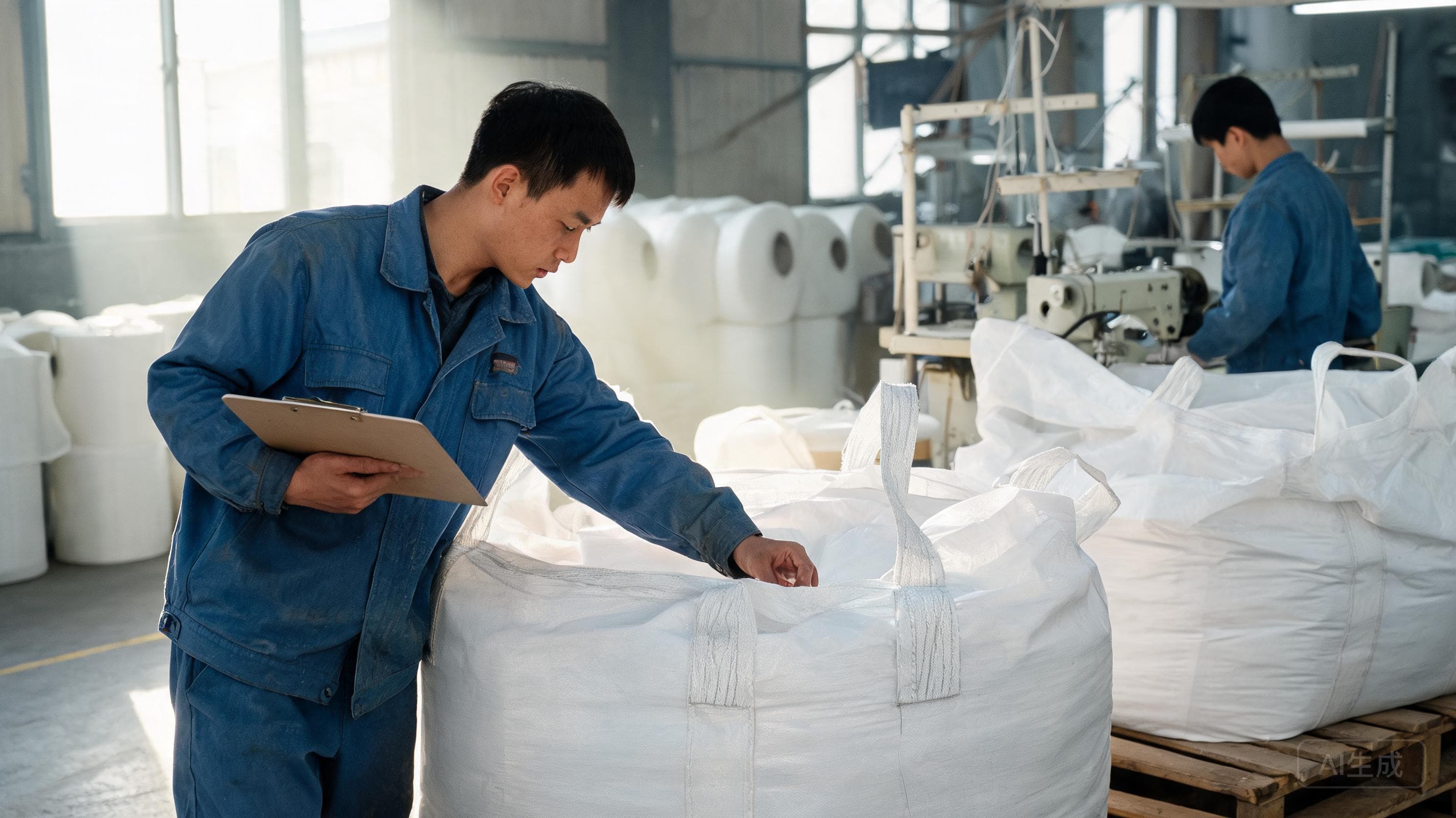
Sustainable Bulk Packaging Strategies for the Modern Manufacturing Era
Discover how high-performance FIBC bulk bags reduce packaging waste, prevent product loss, and improve sustainability metrics. Learn key features, real-world results, and a step-by-step implementation roadmap to optimize your bulk packaging strategy.
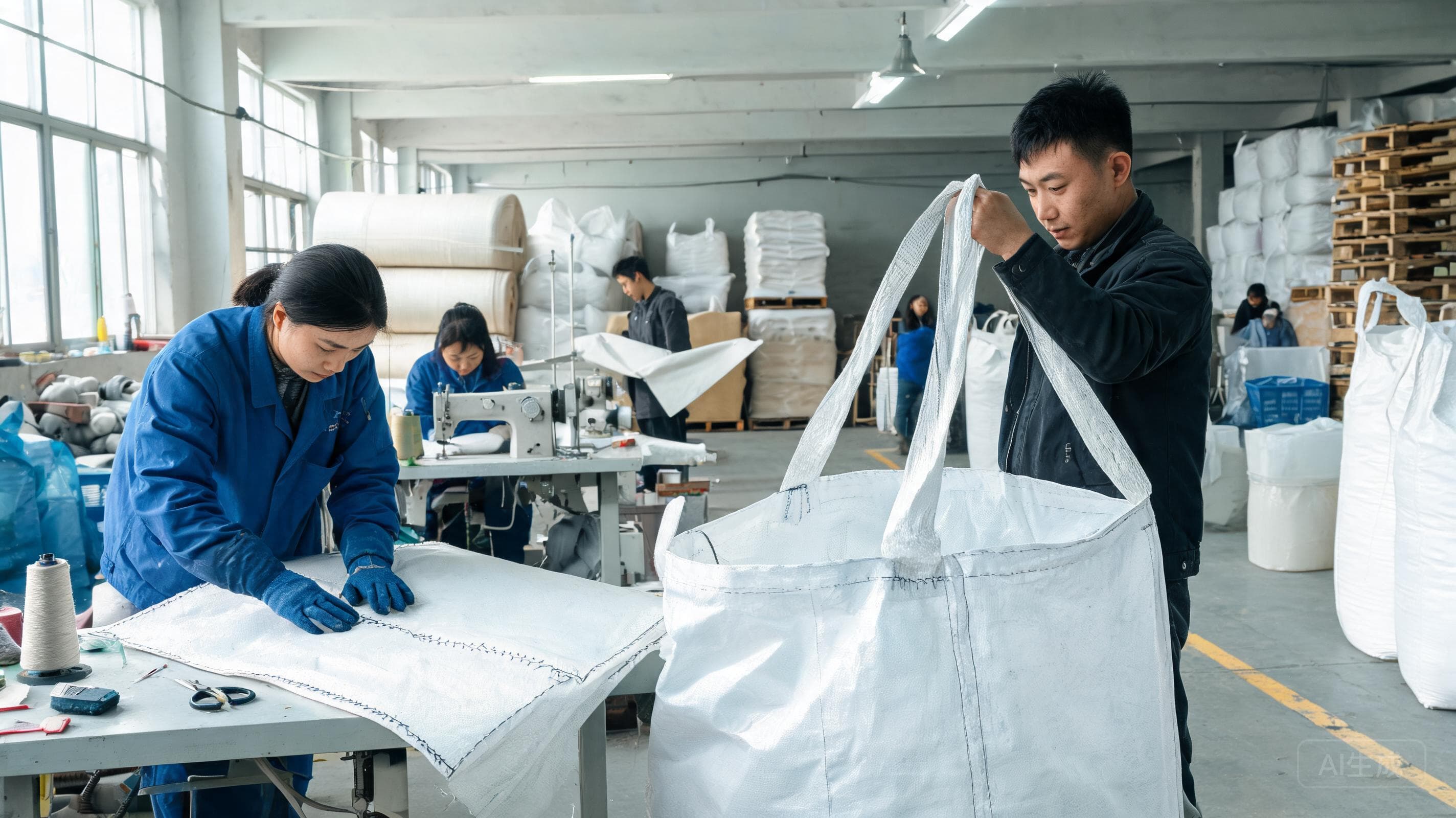
How to Select High-Performance FIBC Bags for Safer, More Sustainable Bulk Material Handling
Compare FIBC construction, safety, liners, discharge systems, quality controls, and supplier capability to reduce risk, protect products, improve efficiency, and control total cost.
Want to know more?
Get in touch with us for more information about our services and products.