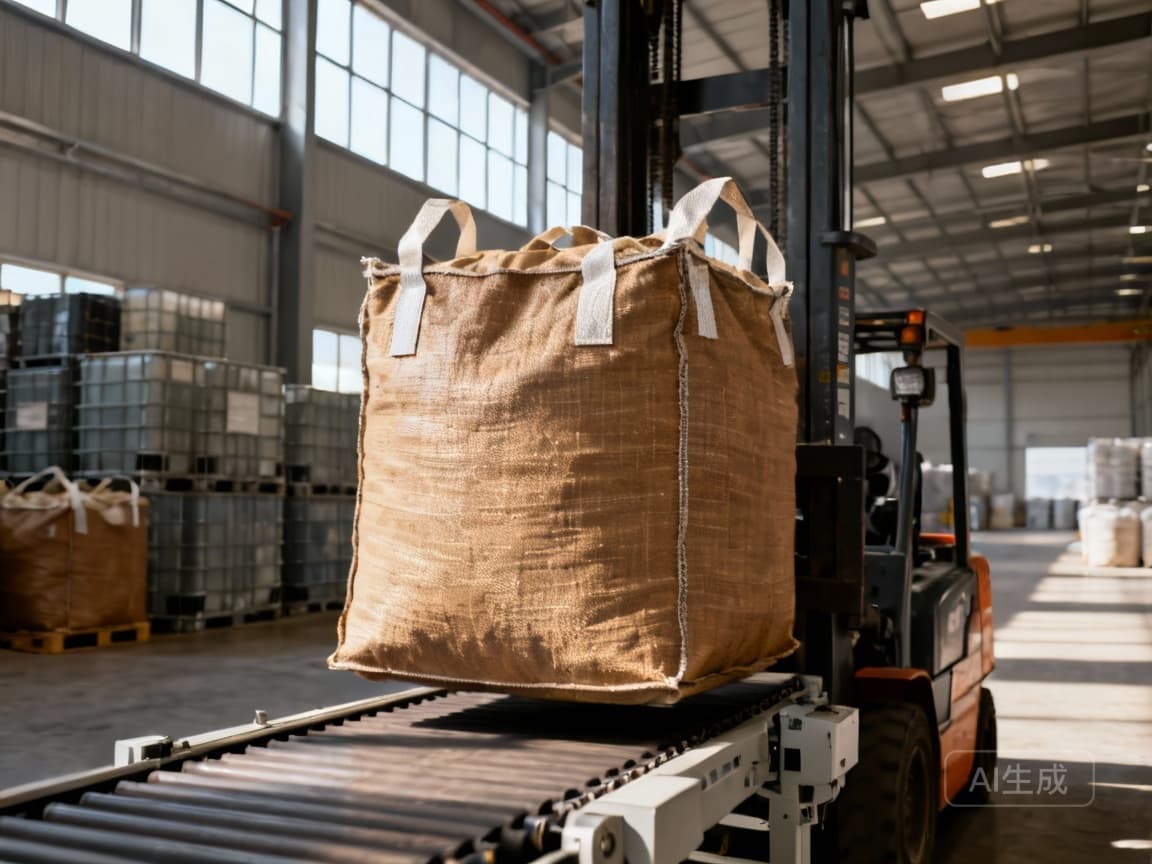
From Cost to Catalyst: How FIBCs Drive 9.5% Cost Offset & 25-Use Cycles #7
RUNCHEN
AuthorWith more than 25 years of experience in FIBC bulk bag manufacturing and sales, RUNCHEN operates its own production facility with stable batch capacity. We specialize in FIBC bulk bags, jumbo bags, ton bags, and customized industrial packaging solutions.
From Cost to Catalyst: How FIBCs Drive 9.5% Cost Offset & 25-Use Cycles
In the world of bulk material handling, Flexible Intermediate Bulk Containers (FIBCs) are often viewed through a narrow lens: a necessary cost for storage and transport. This perspective is a strategic oversight. Forward-thinking companies are now redefining FIBCs from a standardized commodity into a dynamic lever for supply chain resilience, cost control, and sustainability. By integrating data-driven design, circular economy principles, and smart processes, businesses are transforming this humble workhorse into a strategic asset.
Data-Driven Design: Engineering Efficiency to Counter Cost Pressure
The notion of the FIBC as a simple "one-size-fits-all" solution is obsolete. With resin prices historically rising at an average of 9.5% annually, passive procurement directly erodes margins. The modern approach treats the FIBC as an "efficiency engine," where customization based on specific operational data unlocks hidden value.
Consider the methodology of companies like momo, which developed a packaging simulation algorithm to optimize material use. This principle applies directly to FIBCs. By analyzing material flow characteristics, logistics routes, and fill/discharge frequencies, a tailored FIBC design can:
- Optimize Material Use: Right-sizing and reinforcing strategic areas can reduce resin consumption per bag, directly countering raw material inflation.
- Maximize Logistics Efficiency: Precise dimensions improve pallet and container load factors, reducing shipping costs and storage space.
- Enhance Operational Safety & Speed: Custom lift loop and base designs can streamline handling, minimizing manual labor and accelerating throughput.
The key is shifting from buying a bag to engineering a solution. The cost savings aren't just in the purchase price; they are realized across the entire logistics chain, effectively offsetting the persistent pressure of rising input costs.
The Circular Imperative: Building a Closed-Loop Value Chain
Moving beyond recycled content, the most significant leap is establishing a true circular model for FIBCs. This transforms environmental responsibility from a reporting exercise into a tangible economic driver, as demonstrated by innovative reuse programs.
The momo case study provides a powerful blueprint, with its reusable循环袋 achieving up to 25 lifecycles. The economic logic is compelling: the initial investment is amortized over dozens of uses, dramatically lowering the cost-per-use cycle. This model requires a systemic approach:
- Design for Durability & Traceability: Constructing bags for multiple handlings and integrating tracking (e.g., RFID tags) is foundational.
- Establish Reverse Logistics: Creating a reliable system for collection, inspection, and cleaning is the operational backbone.
- Quantify the Full Value: The benefits extend beyond cost. As seen with DSM's emission reduction project (cutting dust emissions by 1,374 tons annually), efficient, reusable systems generate substantial environmental dividends, contributing directly to corporate carbon and waste reduction goals.
This closed-loop system doesn't just reduce waste—it creates a more predictable, resilient supply of packaging assets insulated from volatile virgin material markets.
Smart Integration: The FIBC as a Data Node in Industry 4.0
The future of FIBCs lies in their integration into the digital ecosystem. As market insights highlight, digital transformation is reshaping packaging. The FIBC is poised to evolve from a silent container into an intelligent physical interface within automated supply chains.
Imagine an FIBC with a unique digital identifier (like a QR code or RFID tag) that communicates with bulk bag filling equipment and bulk bag dischargers. This enables:
- Automated Process Control: The filler automatically adjusts parameters for the specific material in the bag, ensuring accuracy and preventing cross-contamination.
- Real-Time Asset Tracking: Warehouse and logistics managers gain live visibility into stock levels and location, optimizing inventory.
- Automated Compliance & Traceability: Every transfer and process step is logged digitally, creating an immutable batch history for quality control and regulatory compliance.
This vision, hinted at by the effective "AI+HI" (Artificial + Human Intelligence) model used by innovators, turns the FIBC into a source of critical operational data, enhancing transparency, efficiency, and safety from production to end-user.
Actionable Steps for Strategic Transformation
To begin shifting your FIBC strategy from tactical to strategic, consider these initial steps:
- Conduct a Total Cost Analysis: Look beyond unit price. Audit costs related to waste, damage, handling inefficiencies, and disposal to establish a true baseline.
- Engage in Collaborative Design: Partner with your FIBC provider. Share data on your materials, equipment, and logistics flow to explore custom design opportunities for efficiency gains.
- Pilot a Reuse Program: Start with a closed-loop trial for internal or dedicated customer routes to test logistics and quantify the economic and environmental ROI.
- Evaluate Digital Readiness: Assess your facility's automation and data infrastructure. Begin with simple tracked batches to build the foundation for smarter integration.
The journey from viewing FIBCs as a cost center to leveraging them as a strategic catalyst is not about a single product change, but a process optimization mindset. By harnessing design intelligence, circular principles, and digital integration, businesses can build more resilient, sustainable, and profitable supply chains for the long term.
Related News
Other news you might be interested in
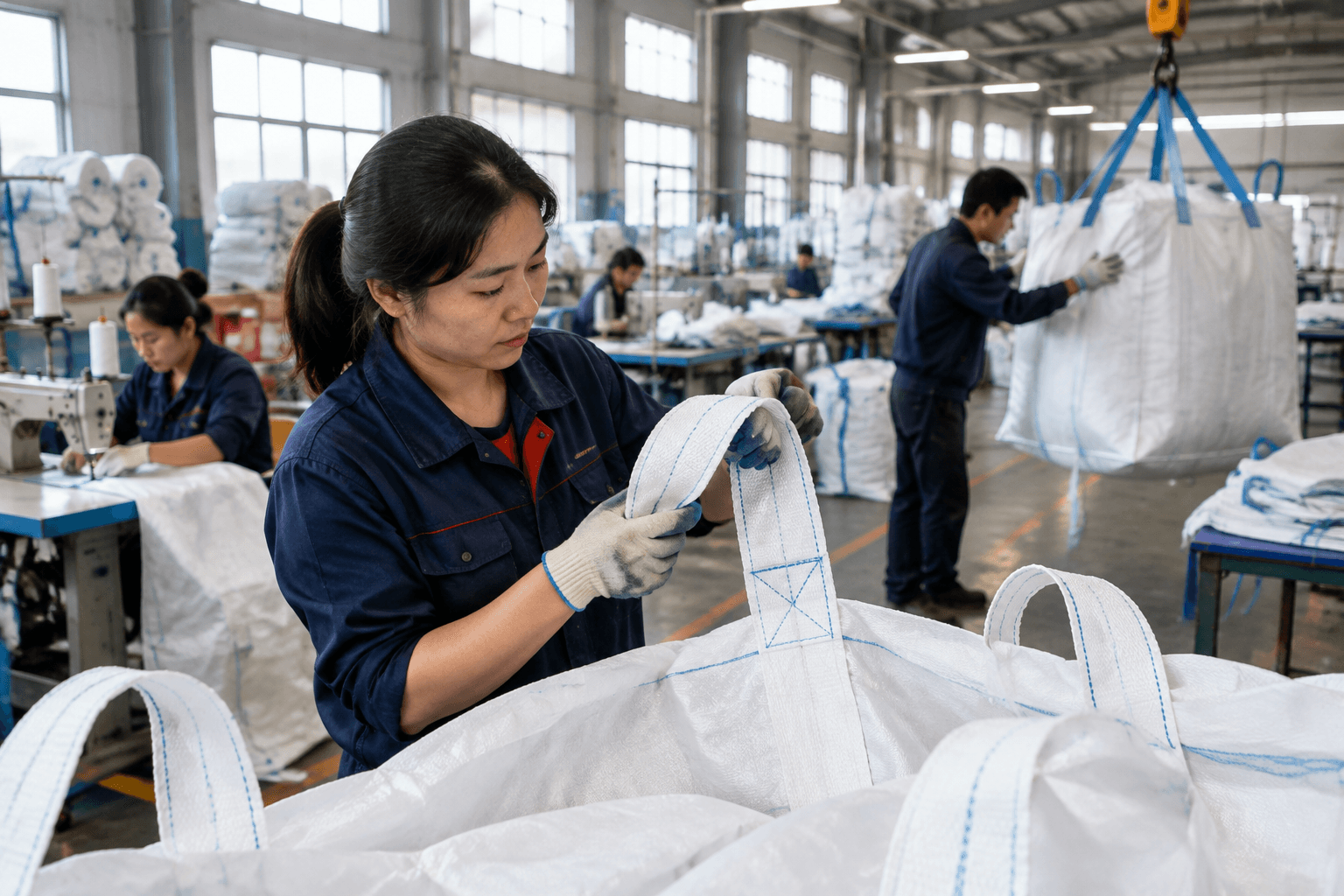
Choosing the Right Bulk Bag Manufacturer for Safer, More Efficient Operations
Learn how to specify bulk bags, evaluate manufacturers, and validate quality and supply reliability to reduce operational risk and support safer, more efficient handling.
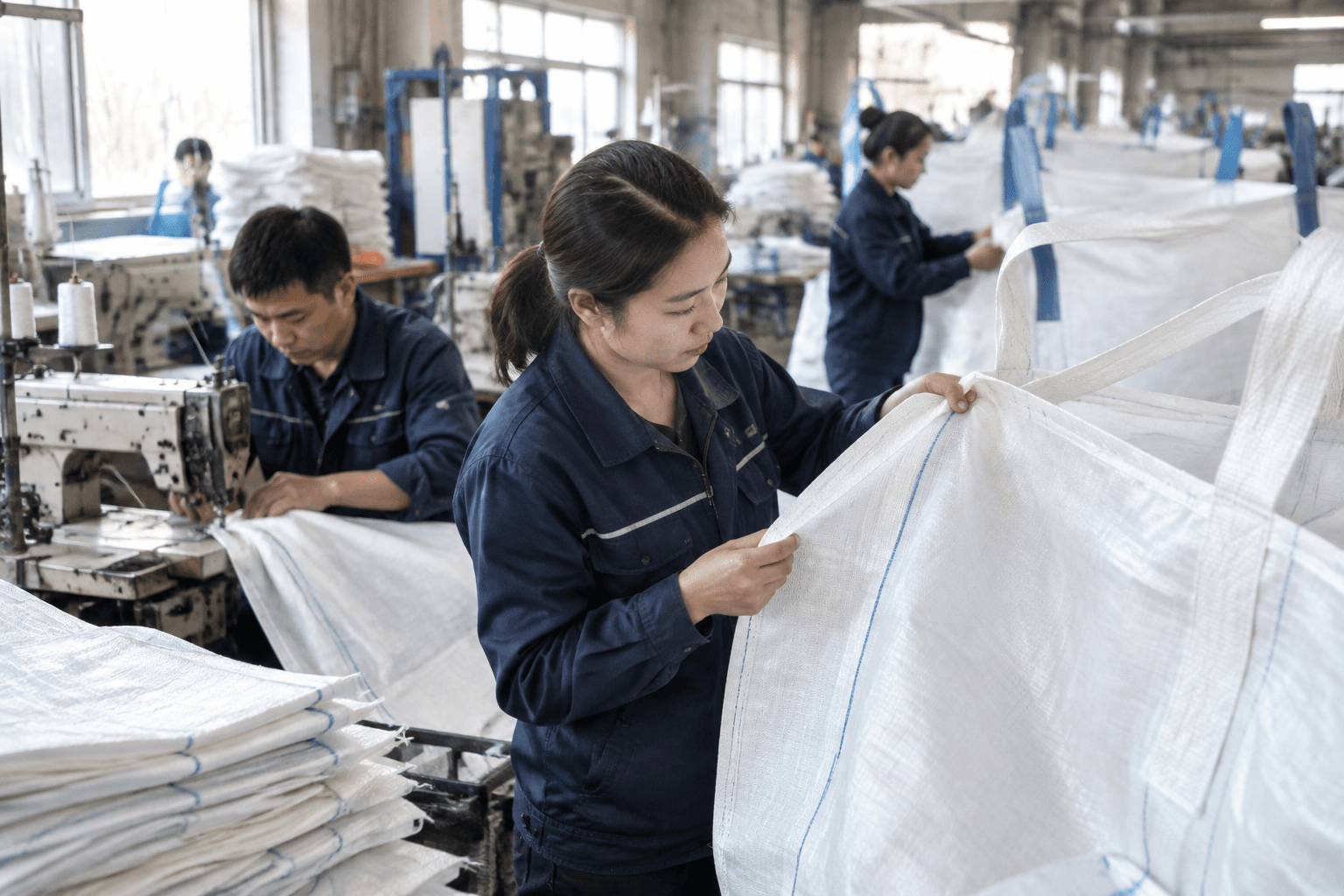
The 140th Canton Fair: New Trends in the Export Market for FIBC Bulk Bags, Jumbo Bags, and PP Woven Packaging
Explore how export buyers can evaluate FIBC bulk bags and PP woven packaging beyond unit price. Get practical guidance on specifications, supplier verification, sustainability requirements, and RFQs—and prepare your next sourcing conversation with COSEK.
Want to know more?
Get in touch with us for more information about our services and products.