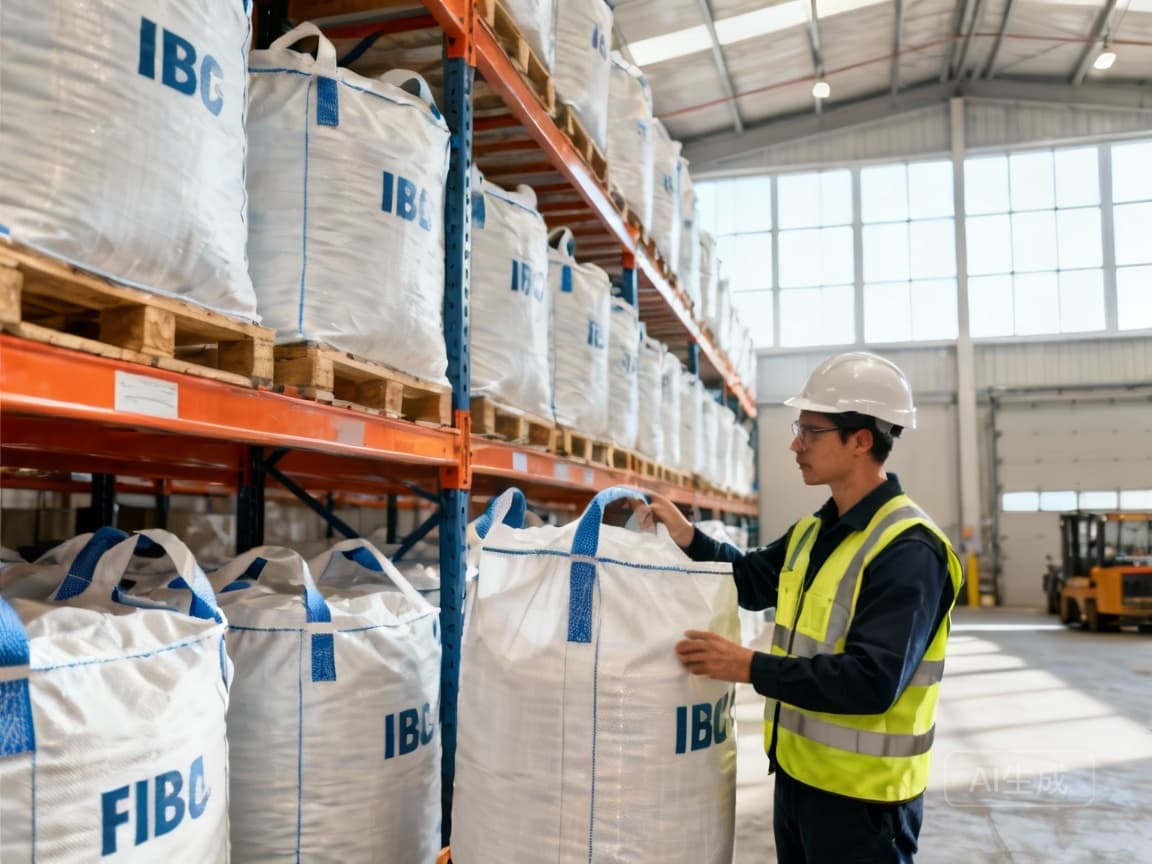
From Logistics Cost to Strategic Asset: How FIBCs Drive 40% Lower TCO & ESG Goals
RUNCHEN
AuthorWith more than 25 years of experience in FIBC bulk bag manufacturing and sales, RUNCHEN operates its own production facility with stable batch capacity. We specialize in FIBC bulk bags, jumbo bags, ton bags, and customized industrial packaging solutions.
From Logistics Cost to Strategic Asset: How FIBCs Drive 40% Lower TCO & ESG Goals
For decades, the Flexible Intermediate Bulk Container (FIBC or bulk bag) has been viewed through a singular lens: a cost-effective, safe vessel for moving dry bulk goods. Procurement decisions have traditionally focused on unit price and basic compliance. However, a powerful convergence of market forces is redefining this essential piece of industrial packaging. Driven by stringent ESG mandates and the relentless pursuit of supply chain resilience, leading manufacturers are no longer asking "how much does the bag cost?" but "what value does the bag system create?" The data is clear: by shifting from a linear, disposable model to a strategic, circular one, FIBCs can transform from a logistics line item into a core asset for sustainable growth.
The Hidden Cost of "Single-Use"
The prevailing one-way model creates significant hidden expenses that erode profitability and sustainability metrics. Beyond the recurring purchase price, companies bear the continuous burden of waste disposal fees, procurement administration, and inventory management for a consumable item. More critically, it generates avoidable waste that conflicts with corporate environmental goals. As market insights confirm, sustainable and eco-friendly packaging is a key industry growth driver, making traditional practices a growing brand and regulatory risk. The financial and environmental costs are linear and perpetual.
The Circular Economic Model: A Data-Driven Shift
The breakthrough emerges when we reclassify the FIBC from an expense to a depreciable asset. Inspired by successful reuse models in adjacent sectors—like momo富邦媒's e-commerce system where reusable packaging sees up to 25 cycles—we can construct a powerful "cycle-cost curve" for industrial applications. While an engineered, reusable FIBC may have a higher initial cost, its total cost of ownership (TCO) plummets with each reuse.
Consider this: if a reusable FIBC costs 3x more than a single-use bag but is designed for 10+ cycles, the per-trip cost falls below 30% of the disposable option after just a few uses, achieving potential savings of 40% or more over its lifespan.
This model capitalizes on the inherent advantages of flexible packaging, such as lower logistics costs due to reduced weight and efficient storage. The result is a compelling dual value proposition: radical cost reduction and immediate progress on waste elimination goals.
Building the Strategic, Circular Partnership
Realizing this value requires moving beyond a simple vendor transaction to a strategic partnership focused on closed-loop systems. This involves two key innovations:
- Service-Based Models: FIBC providers can offer rental or leasing programs, taking on the asset management, cleaning, inspection, and repair. This reduces customer capital expenditure and operational complexity.
- Digital Tracking & Traceability: Integrating technologies like Bag Tags enables digital oversight of the entire cycle. Partners can track a bag's location, usage count, and maintenance history, ensuring safety, optimizing pool rotation, and providing auditable data for ESG reporting on Scope 3 emissions and circularity metrics.
This collaborative approach builds a greener supply chain ecosystem, turning the FIBC into a physical and digital nexus between manufacturer, distributor, and end-user.
Designing for the Future: Circularity and Logistics Efficiency
The next generation of FIBCs is being engineered for this circular future. Key design trends directly respond to market insights:
- Monomaterials for Recycling: The growing demand for recyclable single-material solutions is critical. FIBCs made from pure, homogeneous polymers (like 100% polypropylene) dramatically increase the purity, value, and feasibility of bulk bag recycling, creating a true end-of-life loop.
- Lightweighting & Logistics Integration: As e-commerce growth continues to drive demand for lightweight, logistics-friendly packaging (even in B2B sectors like MRO), FIBC design is evolving. Advances focus on maintaining strength while reducing tare weight and creating standardized, modular dimensions compatible with automated handling systems.
Your Path to Strategic Value: A Starter Checklist
Transitioning to a circular FIBC program begins with a strategic assessment. Consider these questions with your team and potential supplier partners:
- Product Compatibility: Is your material free-flowing and non-hygroscopic, allowing for effective cleaning and reuse?
- Logistics Pathway: Do you have a consistent, closed-loop route between your facility and customers to ensure bag return?
- Partner Capability: Does your FIBC supplier offer design-for-recycling expertise, asset tracking, and cleaning services?
- Pilot Project: Can you identify a core product line or a strategic customer to launch a small-scale pilot?
- Value Measurement: Have you modeled the TCO and calculated the potential waste diversion and carbon reduction?
The journey from viewing FIBCs as a cost to leveraging them as a strategic asset is not just a packaging change—it's a supply chain transformation. By embracing the circular model, companies unlock unparalleled efficiency, build deeper partner relationships, and turn a critical sustainability challenge into a tangible competitive advantage.
Related News
Other news you might be interested in
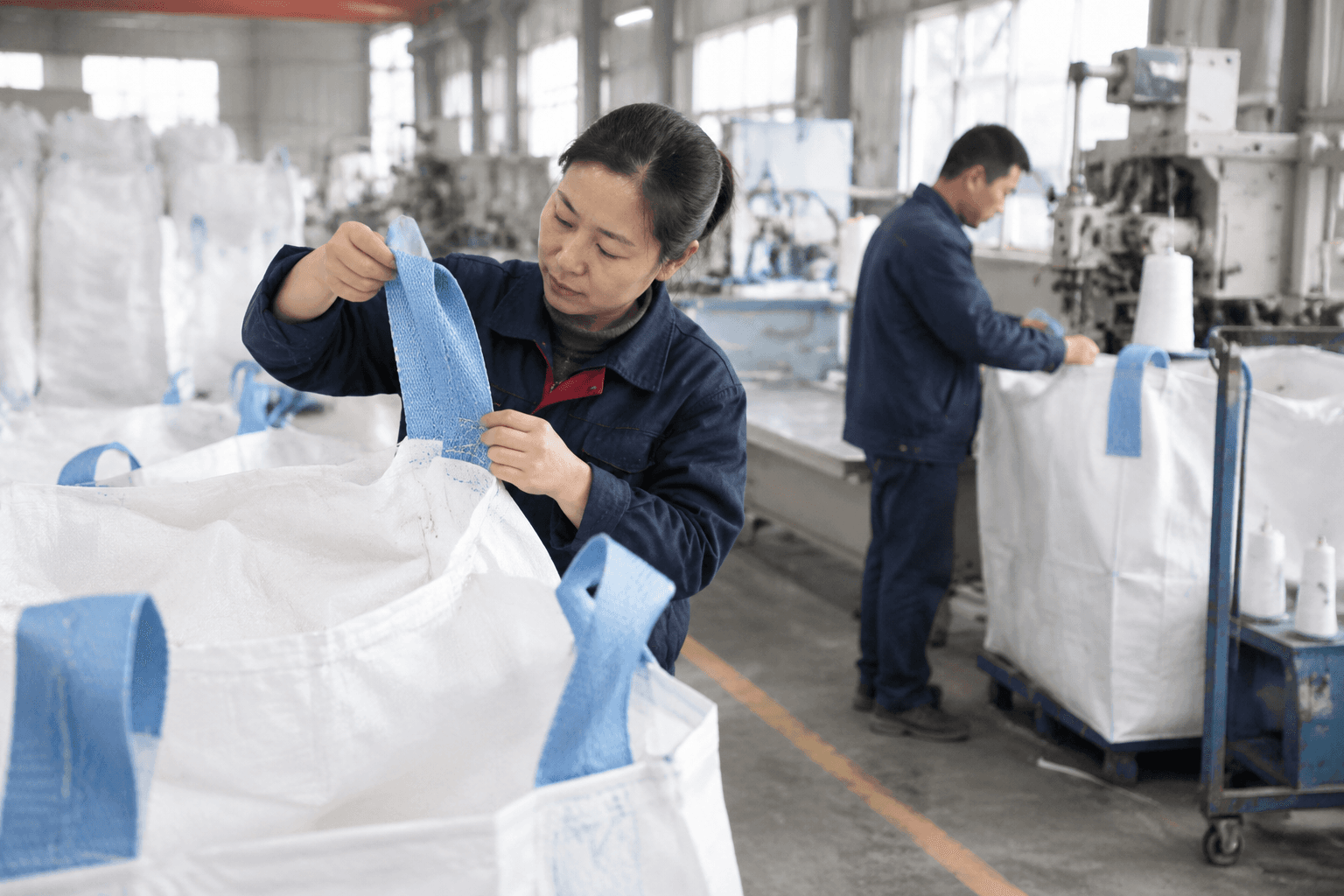
Choosing the Right FIBC Bulk Bag: A Procurement Guide for Safer, More Reliable Packaging
Use this practical FIBC procurement guide to define your application, compare specifications and suppliers, verify compliance, and request a bag configuration that fits your operation.
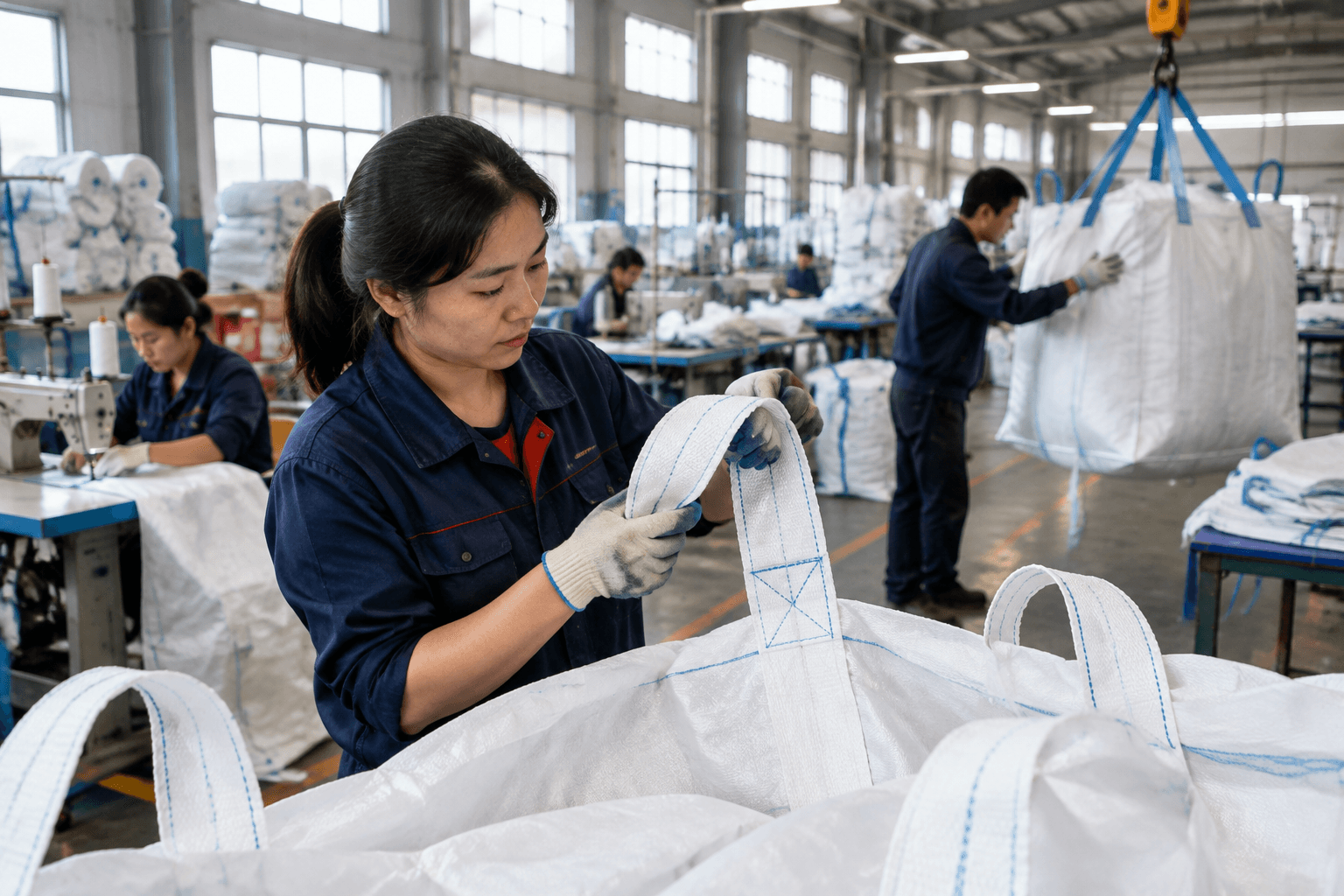
Choosing the Right Bulk Bag Manufacturer for Safer, More Efficient Operations
Learn how to specify bulk bags, evaluate manufacturers, and validate quality and supply reliability to reduce operational risk and support safer, more efficient handling.
Want to know more?
Get in touch with us for more information about our services and products.