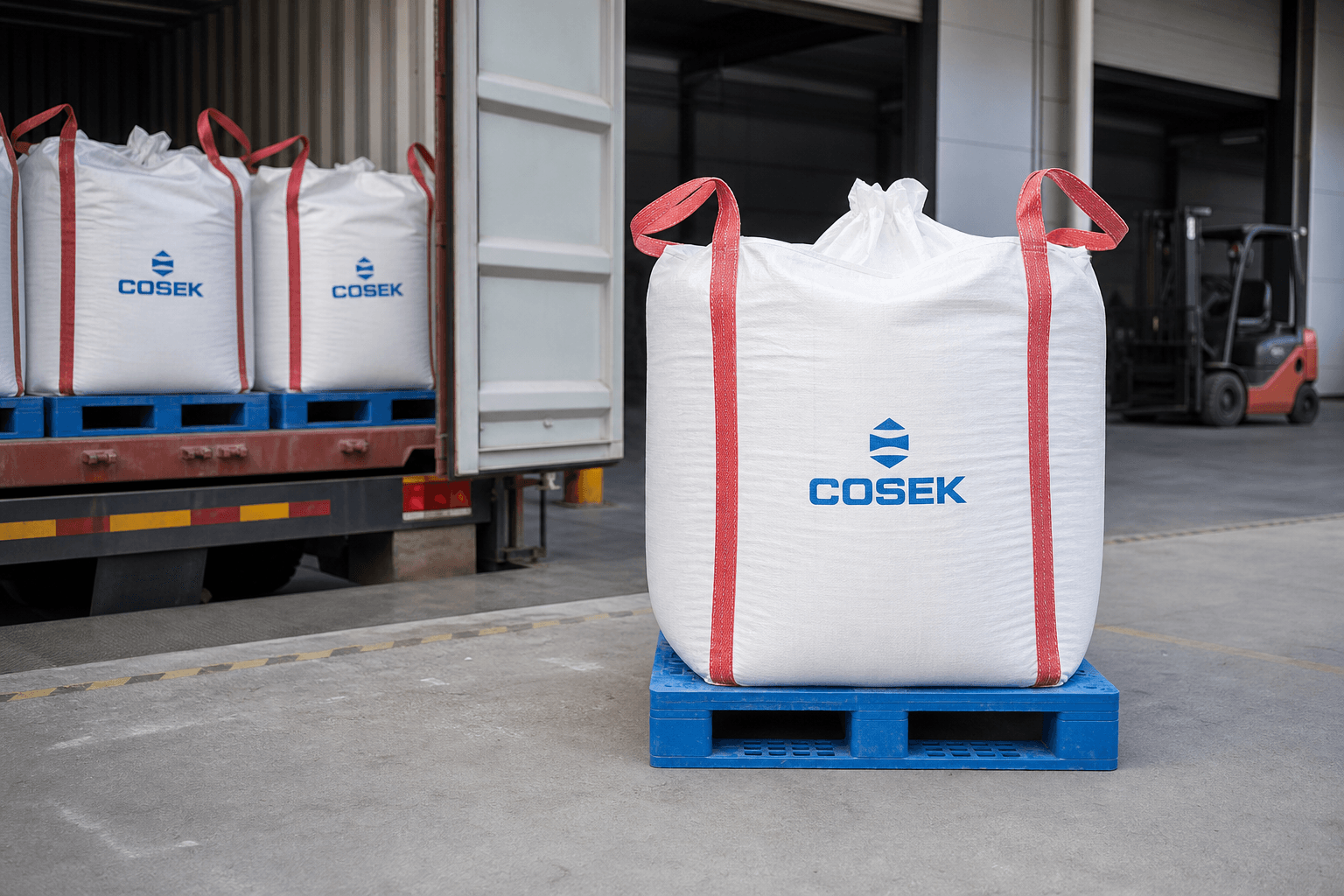
Food and Chemical Industries Drive Demand for High-Standard Bulk Bags as Moisture-Proof Liners and Traceable Packaging Continue to Rise
RUNCHEN
AuthorWith more than 25 years of experience in FIBC bulk bag manufacturing and sales, RUNCHEN operates its own production facility with stable batch capacity. We specialize in FIBC bulk bags, jumbo bags, ton bags, and customized industrial packaging solutions.
Industry Purchasing Standards Are Upgrading
In the past, bulk bags were mainly regarded as tools for handling and transporting bulk materials, with purchasing decisions focused on load capacity, price, and delivery time. Today, the food and chemical industries have significantly higher expectations for packaging. Bulk bags are no longer used only for loading; they also play a role in product protection, warehouse identification, export compliance, and supply chain management.
For the food industry, bulk ingredients such as rice, flour, sugar, grains, and food additives are vulnerable to moisture, dust, and external contamination during transportation. As a result, buyers are paying closer attention to food-grade PP woven fabric, clean production environments, inner liners, moisture-proof performance, and clear bag labeling.
For the chemical industry, powders, granules, slurries, and additives often have characteristics such as strong flowability, moisture sensitivity, leakage risk, or static sensitivity. Ordinary packaging bags may not meet the requirements of long-distance transportation and storage. Therefore, demand continues to grow for FIBC bulk bags with sealing, leak-proof, moisture-proof, and anti-static functions.
Moisture-Proof Liners Become a Common Requirement for Food and Chemical Packaging
Moisture resistance is becoming an important purchasing standard for high-quality bulk bags. Once food ingredients absorb moisture, they may clump, deteriorate, or lose quality. Some chemical powders may also suffer reduced flowability, unstable reactions, or processing difficulties after absorbing moisture.
Therefore, more buyers are choosing bulk bag solutions with PE liners, aluminum foil liners, or composite barrier structures. Inner liners create a more stable protective layer inside the bag, helping reduce the impact of moisture, dust, and external environmental factors on the contents. For products requiring export by sea, moisture-proof packaging is especially important because ocean shipping involves long transit times and changing temperature and humidity conditions, making packaging stability directly related to product quality upon arrival.
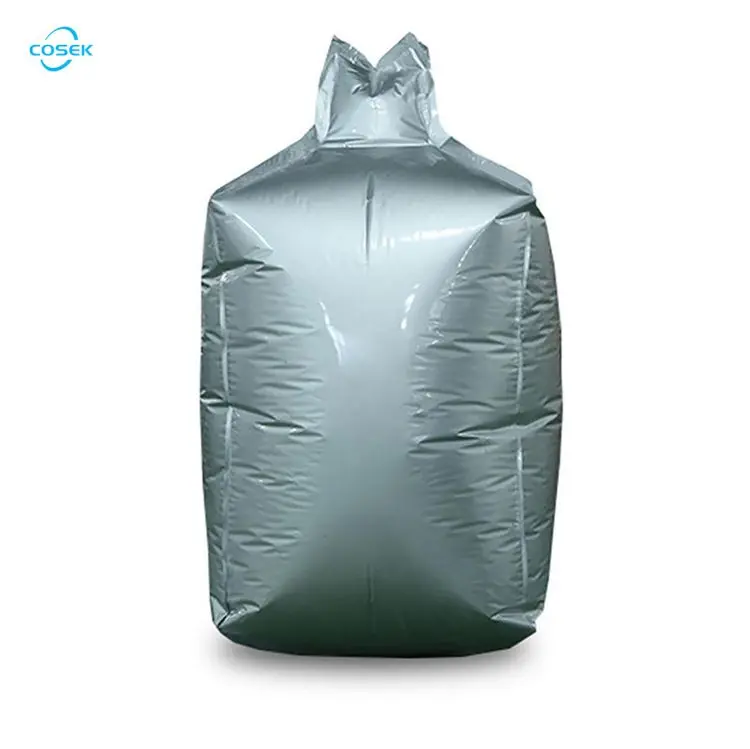
Aluminum Foil Bag is suitable for packaging powders, granules, chemicals, pharmaceuticals, agricultural products, and food materials. It offers oxygen barrier, moisture-proof, light-blocking, and high-barrier performance, making it a suitable packaging option for products with higher requirements for moisture protection and oxidation resistance.
Traceable Packaging Improves Supply Chain Management Efficiency
In addition to moisture protection and safety performance, traceability is also becoming a new focus in bulk bag procurement. Food and chemical companies often need to manage raw material batches, production dates, supplier information, shipment numbers, and destinations. If packaging labels are unclear, it can easily lead to warehouse confusion, delivery errors, or difficulties in quality tracking.
Currently, more companies are adding customized printed labels, QR codes, batch numbers, or color identification designs to bulk bags, helping warehouses, factories, and overseas customers quickly identify goods. For export orders, clear packaging information can also improve customer inspection efficiency and reduce communication costs.
In the food industry, transparent or semi-transparent bag bodies, eye-catching lifting loop colors, and clear labels help improve content identification. In the chemical industry, different colors, bag types, and labeling methods help distinguish hazard levels, material categories, and application scenarios.
Demand for Food-Grade Bulk Bags Continues to Grow
The food industry places greater emphasis on cleanliness, safety, and compliance when selecting bulk bags. Compared with ordinary industrial bags, food-grade FIBC bags usually require more stable raw materials and stricter control over contamination risks during production, packaging, and transportation. For products such as sugar, flour, grains, seasonings, and food additives, buyers prefer packaging solutions with food-contact-grade materials, visible design, and easy-to-identify appearance.
COSEK White and Red Color Scheme Food Grade Ton Bag is suitable for packaging rice, flour, seasonings, food additives, and other food materials. It emphasizes food-grade safety and visual recognition, helping food processing plants and export buyers improve packaging professionalism.
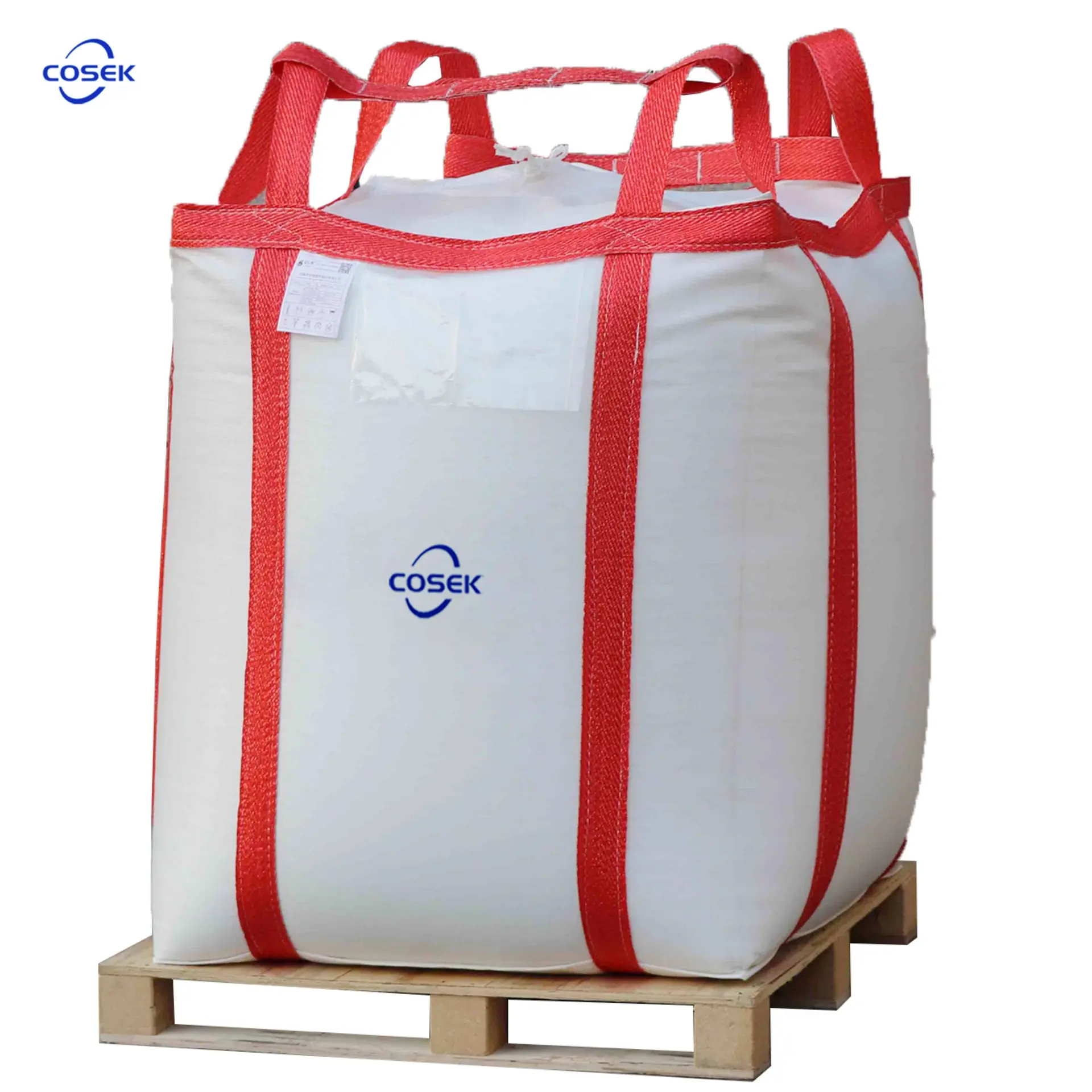
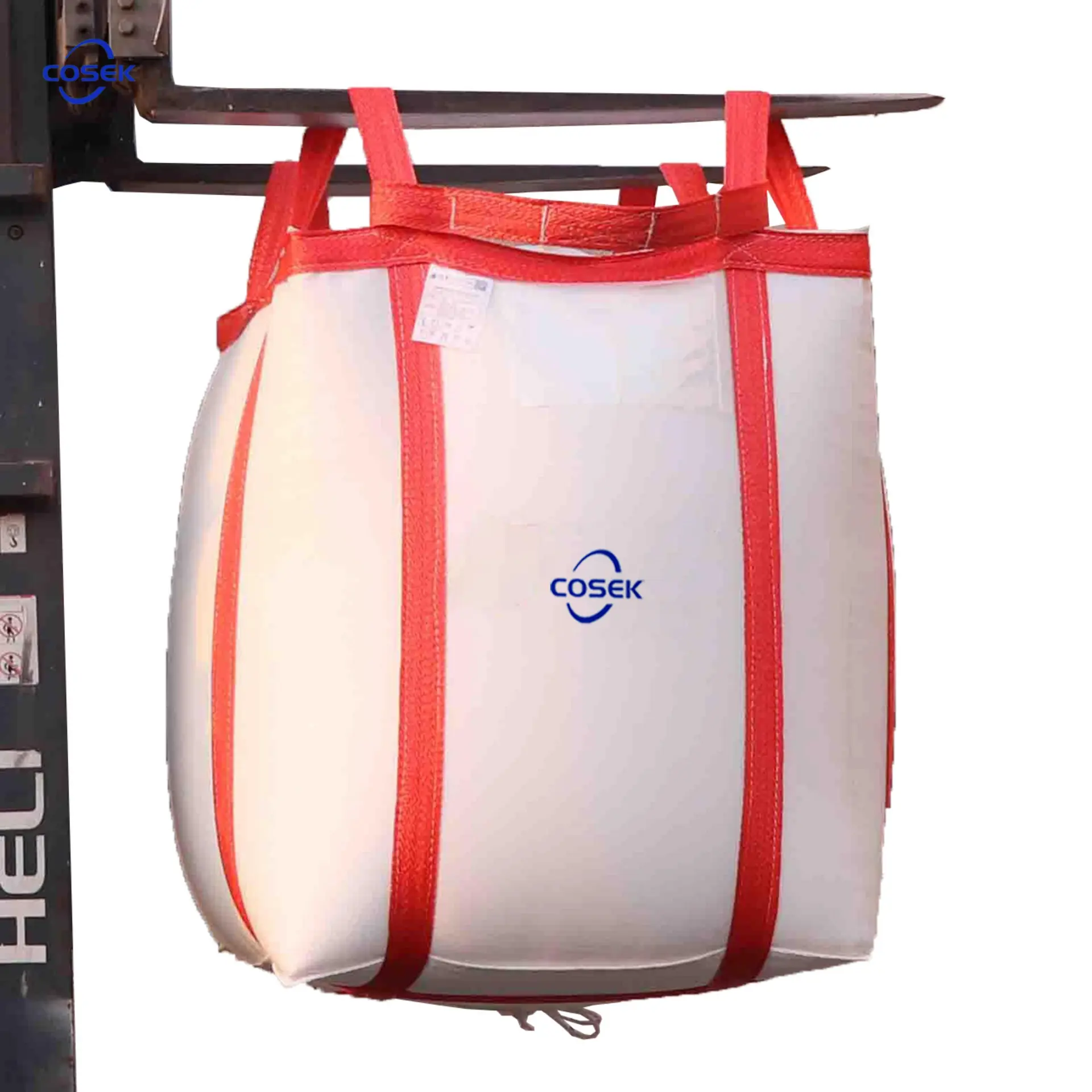
COSEK White and Red Color Scheme Food Grade Ton Bag
Chemical Packaging Focuses More on Sealing, Leak Prevention, and Static Control
The chemical industry pays more attention to safety and stability when purchasing bulk bags. Powders, coatings, emulsions, additives, mineral powders, and other materials may face problems such as dust generation, leakage, clumping, or static accumulation during filling, lifting, transportation, and discharging. Therefore, when selecting FIBC bulk bags, chemical companies usually consider bag structure, discharge spout design, liner type, lifting strength, anti-static performance, and sealing method.
For highly flowable powders or paste-like materials, leak-proof structures can reduce transportation loss. For powders that are sensitive to moisture, liners or barrier materials can improve storage and transportation stability. For application scenarios with static risks, anti-static or conductive materials can help improve operational safety.
Conclusion
The demand for bulk bags in the food and chemical industries is shifting from basic packaging to high-standard packaging solutions. Moisture-proof liners, food-grade materials, leak-proof structures, traceable labels, and customized bag designs will become key considerations in future procurement.
For export-oriented companies, choosing the right FIBC bulk bag is not only about reducing packaging costs, but also about improving product protection, supply chain efficiency, and trust from overseas customers.
Related News
Other news you might be interested in
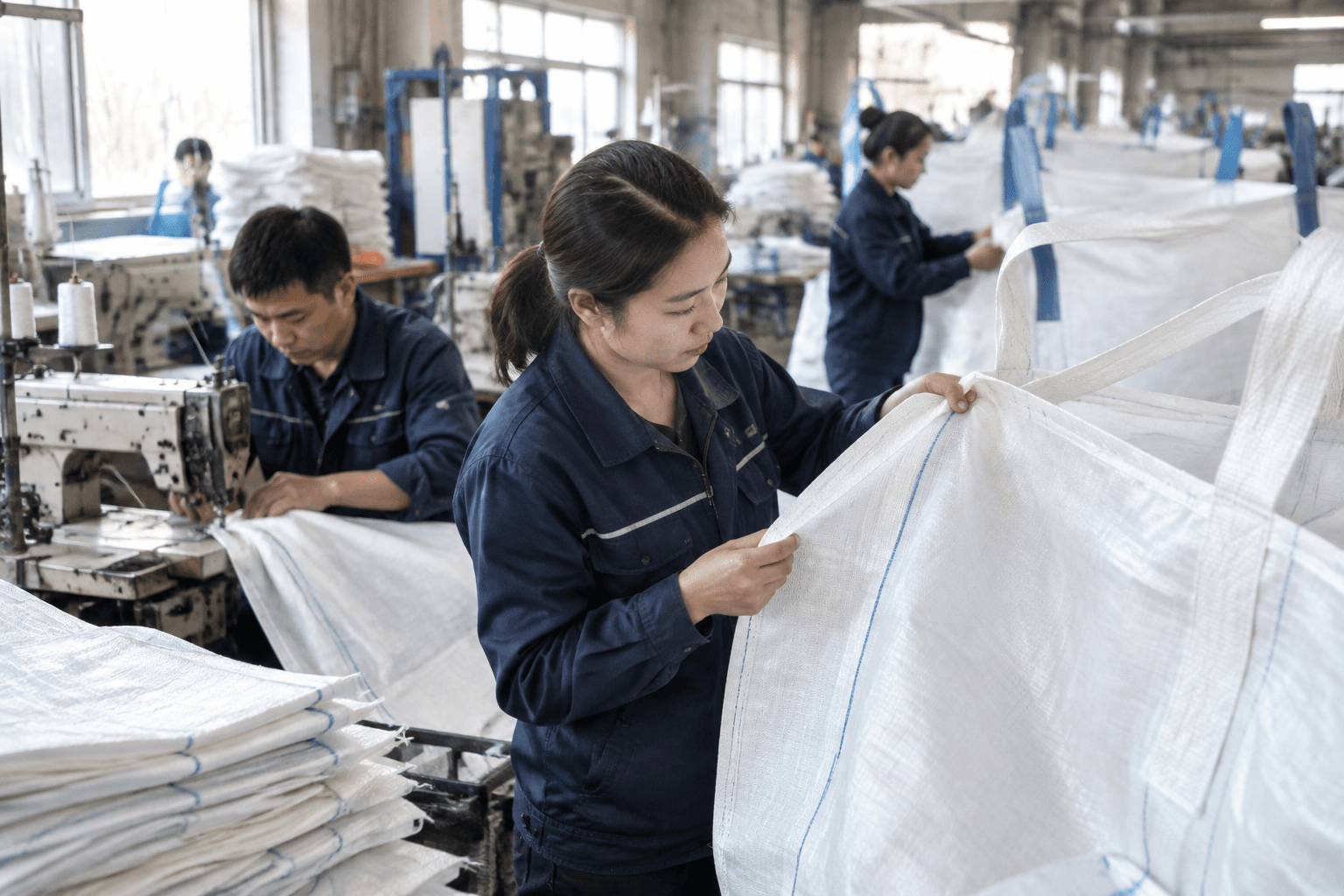
The 140th Canton Fair: New Trends in the Export Market for FIBC Bulk Bags, Jumbo Bags, and PP Woven Packaging
Explore how export buyers can evaluate FIBC bulk bags and PP woven packaging beyond unit price. Get practical guidance on specifications, supplier verification, sustainability requirements, and RFQs—and prepare your next sourcing conversation with COSEK.
How to Choose the Right FIBC Bulk Bag for Safer, More Efficient Industrial Packaging
Choose an FIBC bulk bag by matching its construction to your product, handling process, compliance needs, and destination. Use technical review, pilot testing, and total-cost analysis to reduce risk.
Want to know more?
Get in touch with us for more information about our services and products.