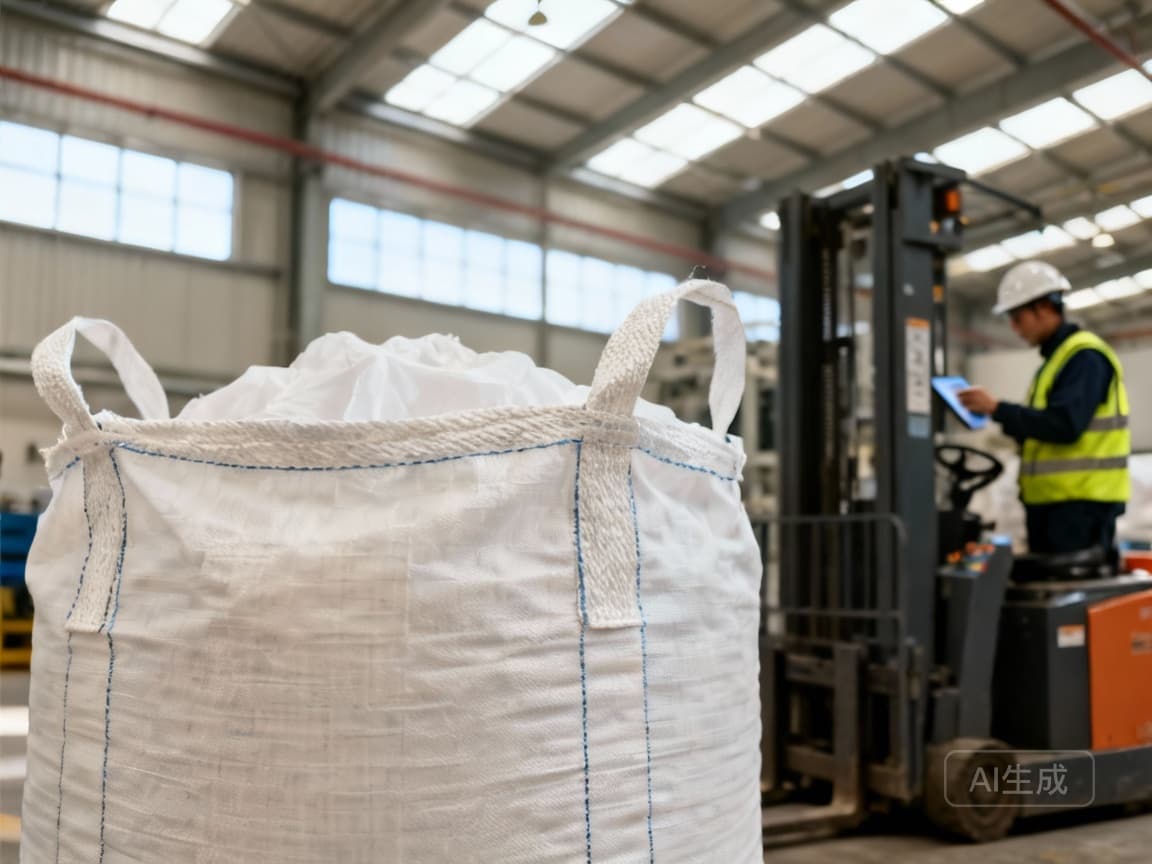
Future-Proof Your FIBCs: Cut EPR Costs 20% with Single-Material Design
RUNCHEN
AuthorWith more than 25 years of experience in FIBC bulk bag manufacturing and sales, RUNCHEN operates its own production facility with stable batch capacity. We specialize in FIBC bulk bags, jumbo bags, ton bags, and customized industrial packaging solutions.
Future-Proof Your FIBCs: Cut EPR Costs 20% with Single-Material Design
A structural shift is underway in industrial packaging. Driven by tightening regulations and investor-grade ESG demands, the total cost of owning a Flexible Intermediate Bulk Container (FIBC) is being redefined. Beyond the purchase price lies a burgeoning liability: end-of-life compliance. The global single-material packaging market, projected to grow from $3.94 billion in 2024 to $5.63 billion by 2029, signals a decisive move towards designs that simplify recycling. For businesses using bulk bags, this isn't just a trend—it's a critical cost and risk management imperative. Proactively adopting single-material FIBC design is a strategic lever to mitigate future fees under Extended Producer Responsibility (EPR) schemes and build a more resilient, valuable supply chain.
The Looming Cost of Compliance: EPR's Direct Impact
EPR legislation is rapidly expanding globally, placing the financial and operational burden for packaging waste collection, recycling, and recovery on the businesses that introduce it to market. For industrial users, this translates to direct fees based on the type and quantity of packaging used. Traditional multi-material FIBCs—often combining polypropylene (PP) woven bodies with polyethylene (PE) liners or coatings—create a recycling nightmare. Their inseparable mix of materials contaminates recycling streams, leading to higher processing costs and, consequently, significantly higher eco-modulated fees under EPR.
The business case is clear. As seen in the success of companies like momo (富邦媒體科技), which manages nearly 10,000 suppliers under a CSR framework, integrating sustainability into core operations supports growth while managing systemic risk. For bulk bag users, the "sustainability" of a package is no longer abstract; it's a quantifiable line item on a future compliance invoice. Single-material design directly addresses this by ensuring the entire bag is compatible with established PP recycling infrastructure, maximizing recovery rates and minimizing fees.
From Composite to Single-Material: The Design Advantage
Transitioning to a mono-material PP FIBC is the foundational step. This design eliminates the need for complex material separation, a major cost driver in recycling. Market insights confirm the trend, citing "increased use of high-performance recyclable mono-material films" and "advancements in single-material barrier properties" as key growth drivers. Modern single-material FIBCs achieve the necessary strength, UV resistance, and safety for demanding applications without relying on hard-to-recycle composites.
The principle of "easy separation" extends to all components. Strategic design ensures that any ancillary parts—like discharge spouts, lifting loops, and labels—are also made from pure PP or are easily detachable. This meticulous attention to purity transforms a used FIBC from a waste problem into a high-value feedstock for recyclers, directly reducing the net cost of EPR compliance for the brand owner.
A Strategic Implementation Framework
Adopting future-proof FIBCs requires a structured approach, moving from assessment to integration. Drawing from the methodology of organizations like the ROI Institute, which successfully implements complex global programs through structured processes, businesses can navigate this shift effectively.
1. Conduct a Packaging Audit
Begin by cataloging all FIBCs in use. For each type, document:
- Material Composition: Analyze the woven body, liner, coating, and all components.
- Current End-of-Life Path: Is it landfilled, incinerated, or attempting recycling?
- Data Gap Analysis: Is material composition information readily available for EPR reporting?
2. Engage in Strategic Supplier Dialogue
Move the conversation with your FIBC manufacturer from price-per-bag to total lifecycle cost. Essential questions include:
- "Can you provide a third-party verified recyclability assessment for this FIBC design?"
- "What is the exact material specification for every component, and are they all compatible with PP recycling streams?"
- "Can you integrate permanent, standardized recycling markings onto the bag to aid sorting?"
3. Pilot, Measure, and Scale
Follow the example of long-term value creation demonstrated by companies like Tingyi (康师傅), which invests proactively in risk management and quality. Select a product line or facility for a pilot using single-material FIBCs. Track not only performance but also model the projected reduction in future EPR fees based on improved recyclability. This data transforms the initiative from an ESG checkbox into a validated cost-saving program.
4. Integrate into Your Sustainability Narrative
This transition provides tangible evidence for Scope 3 emissions reduction and circular economy commitments in sustainability reports. It strengthens your brand's narrative, as seen with forward-thinking companies that leverage operational excellence for market differentiation.
Conclusion: Building Resilience and Value
The trajectory of regulation and market preference is unequivocal. The growth of the single-material packaging market, fueled by EPR and investment in recycling, is a clear signal. For businesses reliant on bulk bags, proactive adaptation is no longer optional. By prioritizing single-material FIBC design today, you directly attack tomorrow's compliance costs, with a realistic potential to reduce EPR-related expenses by 20% or more through higher recyclability and lower eco-modulation fees. More importantly, you future-proof your supply chain, turning a potential liability into a pillar of resilience and competitive advantage. The question is not if you will make this shift, but how strategically you will manage it.
Related News
Other news you might be interested in
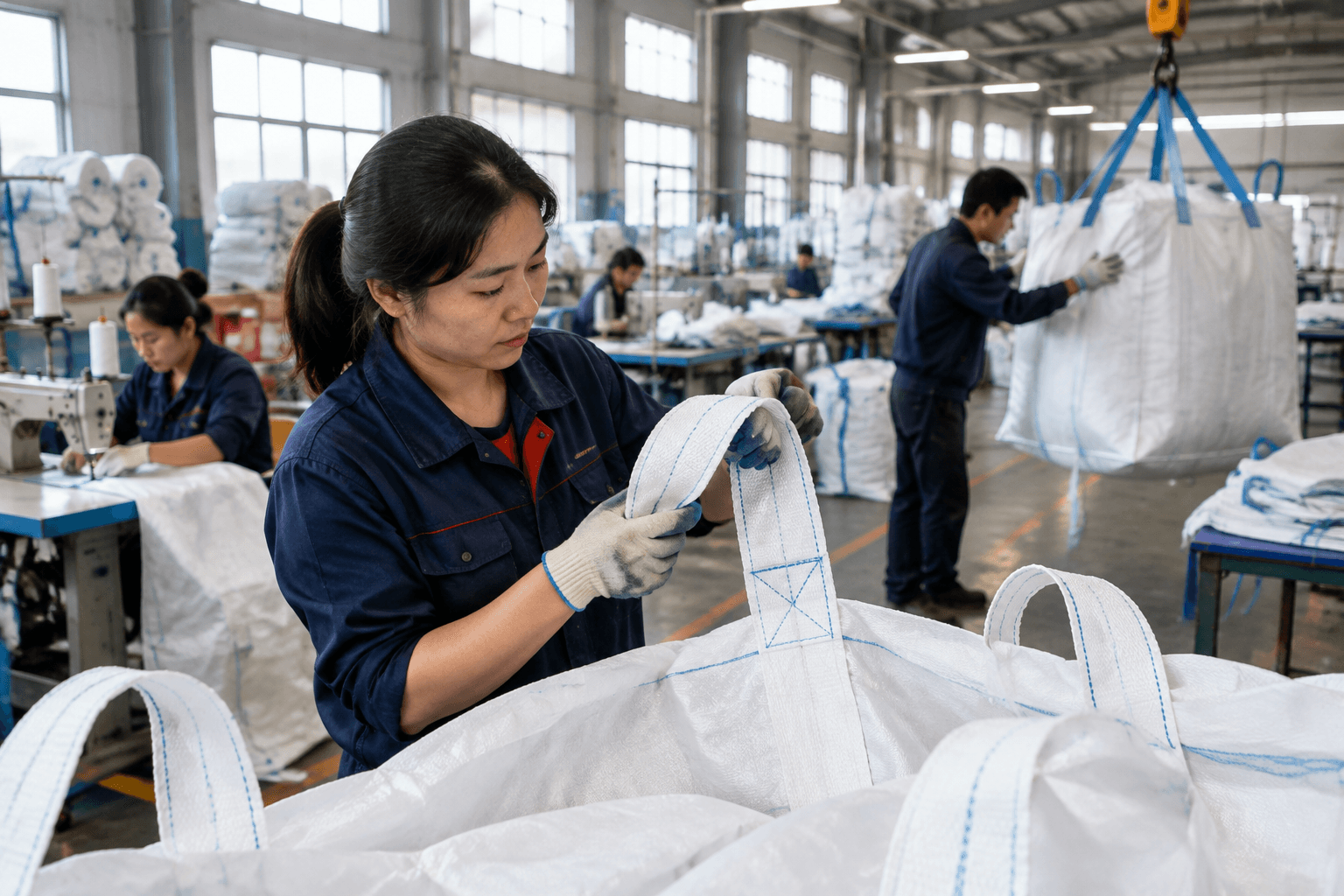
Choosing the Right Bulk Bag Manufacturer for Safer, More Efficient Operations
Learn how to specify bulk bags, evaluate manufacturers, and validate quality and supply reliability to reduce operational risk and support safer, more efficient handling.
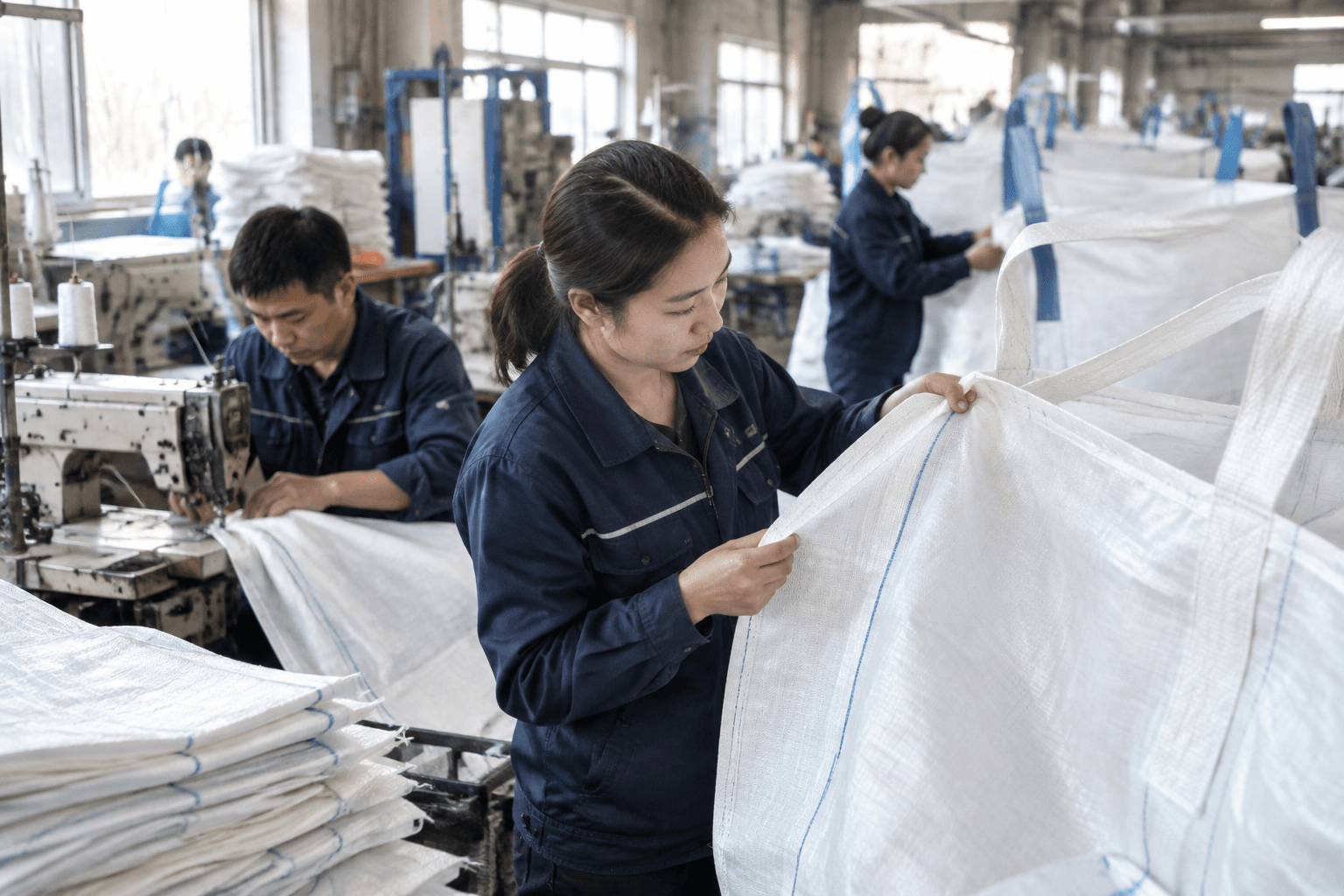
The 140th Canton Fair: New Trends in the Export Market for FIBC Bulk Bags, Jumbo Bags, and PP Woven Packaging
Explore how export buyers can evaluate FIBC bulk bags and PP woven packaging beyond unit price. Get practical guidance on specifications, supplier verification, sustainability requirements, and RFQs—and prepare your next sourcing conversation with COSEK.
Want to know more?
Get in touch with us for more information about our services and products.