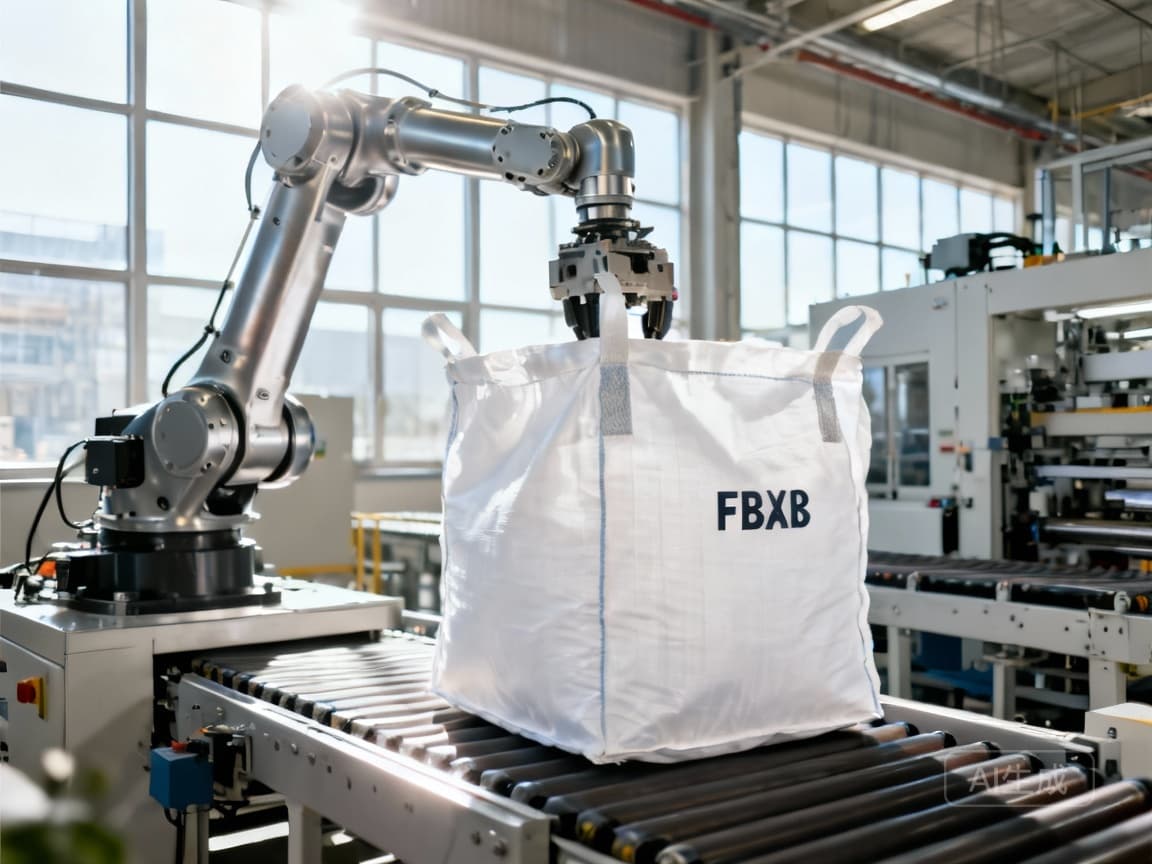
How FIBC Makers Boost Profits 15% with Agile Smart Manufacturing #9
RUNCHEN
AuthorWith more than 25 years of experience in FIBC bulk bag manufacturing and sales, RUNCHEN operates its own production facility with stable batch capacity. We specialize in FIBC bulk bags, jumbo bags, ton bags, and customized industrial packaging solutions.
How FIBC Makers Boost Profits 15% with Agile Smart Manufacturing
The latest data paints a challenging picture for industrial suppliers. In 2024, China's pharmaceutical manufacturing sector, a major consumer of Flexible Intermediate Bulk Containers (FIBCs), saw revenues dip by 0.9%. This downstream pressure for cost efficiency and higher quality is a bellwether for the entire supply chain. For FIBC manufacturers, the traditional playbook of competing on price and scale is no longer viable. The path to resilient growth lies not in the external market, but within the factory walls. Leading producers are turning to agile smart manufacturing, a strategy that data shows can unlock profit margins 15% or higher by transforming operations from a cost center into a value engine.
Diagnosing the Pressure: From Downstream Trends to Factory Floor Challenges
The subtle decline in pharmaceutical revenue is a signal. It signifies an industry under intense pressure to optimize costs while simultaneously demanding more from its packaging: absolute cleanliness, full traceability, and unerring consistency. This creates a critical challenge for traditional FIBC production, which is often built on long runs of standardized products. The new market demands agility—the ability to efficiently handle smaller, customized batches for high-value applications without sacrificing quality or profitability.
This shift mirrors challenges seen across manufacturing. For instance, Holland Mechanics addressed rigidity in bicycle assembly by implementing a modular, flexible conveyor system, which boosted overall efficiency by 20%. The lesson is clear: flexibility is a direct driver of performance. For FIBC makers, the question is how to apply this principle to the processes of weaving, coating, and sewing to meet modern demands.
The Agile Smart Manufacturing Prescription: A Three-Pillar Framework
Transforming an FIBC plant requires moving beyond simple automation to create a connected, data-driven, and responsive production system. This is the core of agile smart manufacturing.
1. Building a "Data-Perceptive" Production Line
The first step is installing the digital nerve endings. This involves integrating IoT sensors and machine vision at critical control points. Imagine real-time monitoring of yarn tensile strength during extrusion, live feedback on weave density, and automated visual inspection for coating uniformity. This creates a closed-loop process where parameters self-correct, ensuring every square meter of fabric meets spec.
This approach aligns with the experience of an industrial manufacturer in our case studies, which used process optimization and automation to reduce costs and regain market share. For FIBCs, the quantifiable results are profound: achieving a first-pass yield of 99.5%+, reducing material waste by up to 8%, and slashing energy consumption per unit. This data backbone is non-negotiable for quality and traceability.
2. Enabling True Flexible Production
Agility is the ability to pivot. Modular machinery, like the systems used by Holland Mechanics, is key. In an FIBC context, this means quick-change looms, adjustable sewing stations, and digital job scheduling (MES) that can seamlessly switch from a 5,000-unit run of standard bags to a 500-unit custom order for a specialty chemical or pharmaceutical client. This capability directly addresses the market's move toward fragmentation, allowing manufacturers to profitably serve both bulk and niche segments.
The AI Agents Agency case demonstrates the power of intelligent systems to optimize complex workflows. Applied here, AI-driven production planning can dynamically optimize the queue, minimizing changeover downtime and ensuring on-time delivery—a key metric for customer retention in a competitive landscape.
3. Evolving from Supplier to Value-Creation Partner
The ultimate profit lever is using manufacturing data to design new value. The intelligence gathered on the floor becomes a strategic asset. For example, historical performance data can prove that a new, lighter polymer blend maintains strength while reducing bag weight by 10%, offering the client significant logistics savings. This transitions the relationship from order-taking to consultative partnership.
Furthermore, this data enables innovative business models like circular economy services. By embedding RFID tags (linking to concepts like "bag tags bulk"), manufacturers can offer bag leasing, tracking, and certified recycling programs. This transforms a single sale into a recurring revenue stream, potentially increasing the lifetime value of a single FIBC by 300% or more.
Forging a New Competitive Edge
The 0.9% revenue dip in pharma is not a threat to prepared FIBC manufacturers; it is a catalyst. The companies that will thrive are those investing in the agile smart manufacturing trifecta: data-driven processes, flexible production cells, and value-based business models. As evidenced by high-growth firms in adjacent sectors, like Zhejiang Dingli's 42.15% net profit growth in 2022, leadership comes from operational excellence and innovation.
The new moat in the FIBC industry is no longer sheer capacity. It is the depth of process knowledge, captured and leveraged through digitalization, that creates an unassailable advantage in quality, speed, and customer collaboration. The journey begins by turning the lens inward and building the intelligent, responsive factory of the future.
The future belongs to manufacturers who see data as their most valuable raw material and agility as their primary machine.
Related News
Other news you might be interested in
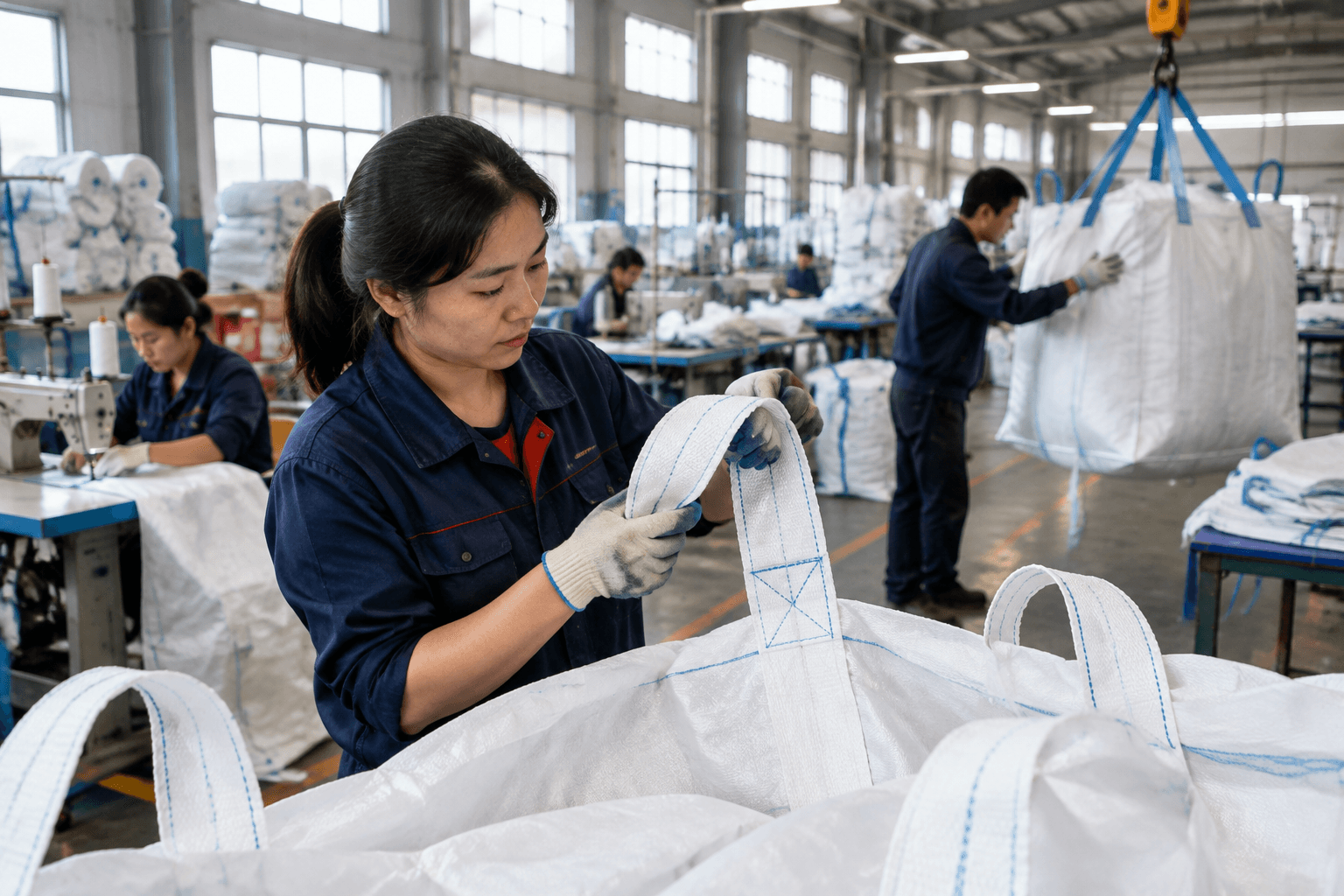
Choosing the Right Bulk Bag Manufacturer for Safer, More Efficient Operations
Learn how to specify bulk bags, evaluate manufacturers, and validate quality and supply reliability to reduce operational risk and support safer, more efficient handling.
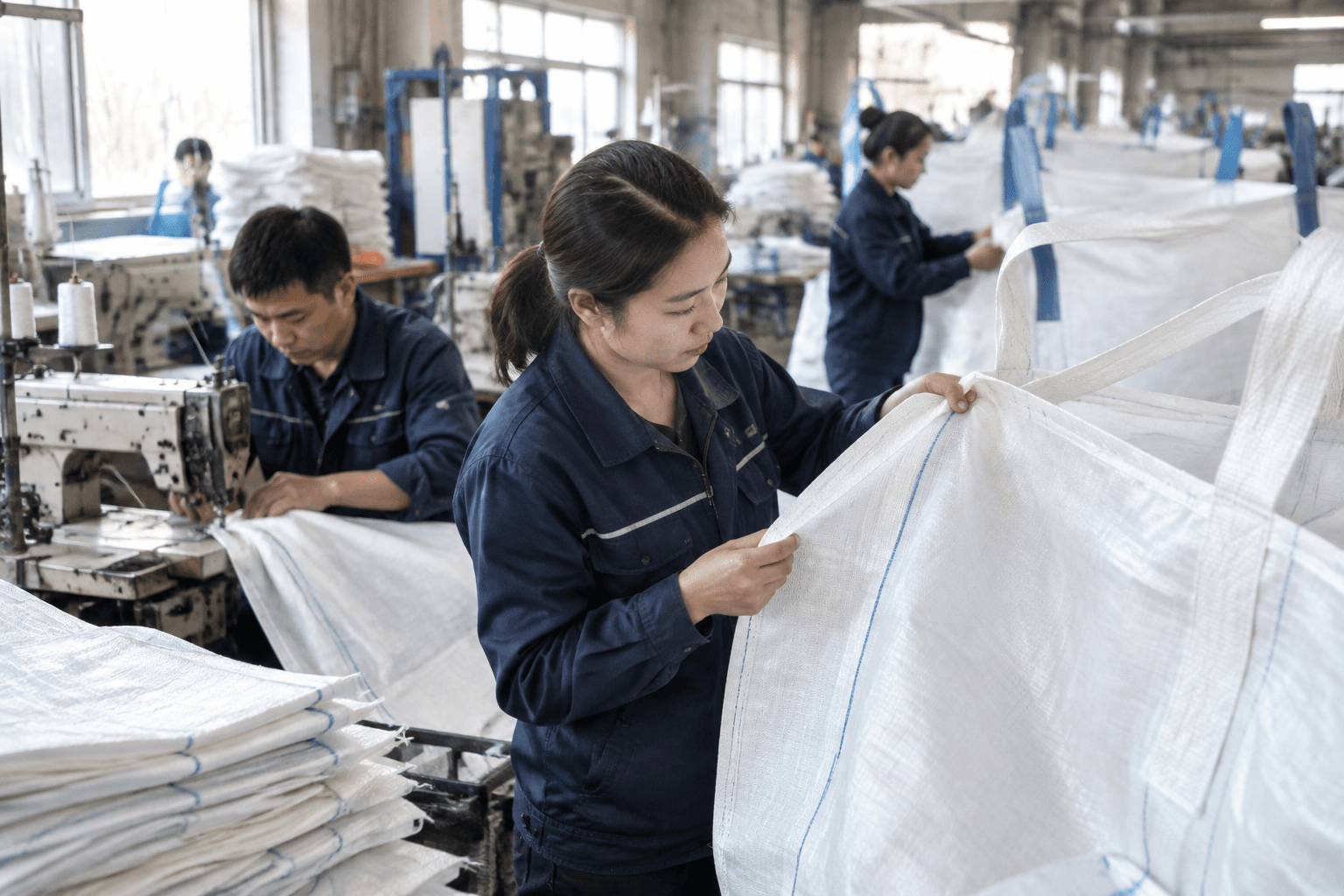
The 140th Canton Fair: New Trends in the Export Market for FIBC Bulk Bags, Jumbo Bags, and PP Woven Packaging
Explore how export buyers can evaluate FIBC bulk bags and PP woven packaging beyond unit price. Get practical guidance on specifications, supplier verification, sustainability requirements, and RFQs—and prepare your next sourcing conversation with COSEK.
Want to know more?
Get in touch with us for more information about our services and products.