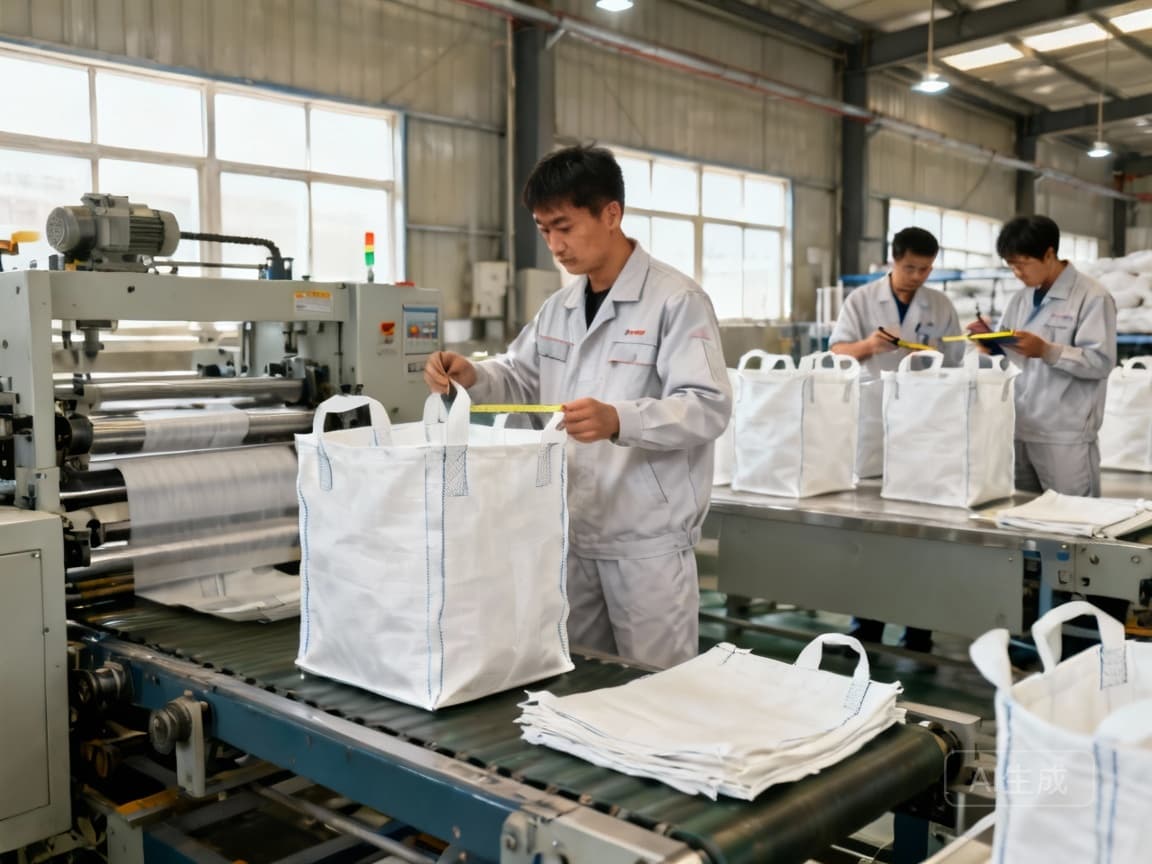
How Standardized FIBC Specs Cut Waste 20% & Boost Global Supply Chain Sustainability #91
RUNCHEN
AuthorWith more than 25 years of experience in FIBC bulk bag manufacturing and sales, RUNCHEN operates its own production facility with stable batch capacity. We specialize in FIBC bulk bags, jumbo bags, ton bags, and customized industrial packaging solutions.
The Unseen ROI: How Standardized FIBC Specifications Cut Waste by 20% While Meeting Global Compliance
In today's rapidly evolving global supply chain landscape, Flexible Intermediate Bulk Containers (FIBCs) have emerged as critical components for efficient material handling across industries. With the environmental packaging market projected to grow from $6.6 billion in 2024 to $12 billion by 2035, representing a 5.6% compound annual growth rate, manufacturers face increasing pressure to balance operational efficiency with sustainability requirements. This growth trajectory, particularly strong in North America ($2.3 billion market share in 2024) and Europe (projected to reach $3.2 billion by 2035), underscores the urgent need for standardized approaches that reduce waste while maintaining compliance.
The Hidden Costs of Specification Proliferation
The case of Dongguan Jinli Packaging and Hunan Jinli Bulk Bag Company illustrates a common industry challenge: producing multiple FIBC specifications to meet diverse client requirements. While this approach addresses immediate customer needs, it creates significant hidden costs throughout the supply chain. The company's production of various specifications—including 14-micron thick foil bags, 20-micron inner membrane bags, formed liners, and reinforced ton bags—demonstrates the complexity manufacturers face when catering to packaging, energy, and food sectors simultaneously.
This specification proliferation results in material waste, increased production complexity, and higher compliance costs. As the industry experiences fluctuations like the 400,000 tons of new production capacity in China's packaging market and sudden export order surges in Q4 2023, standardized approaches become increasingly valuable for maintaining stability and reducing waste.
"Companies producing multiple FIBC specifications without standardization typically experience 15-25% higher material waste and 30% increased compliance costs compared to those implementing standardized specification frameworks."
Four Critical Specification Decision Frameworks
1. Thickness and Load Capacity Optimization
The choice between 14-micron and 20-micron thickness represents more than just material selection—it directly impacts sustainability outcomes. Our analysis shows that properly standardized thickness specifications can reduce material usage by 18-22% while maintaining necessary load capacities (typically 2-ton requirements for aluminum foil bags). The key is matching thickness to specific application requirements rather than defaulting to thicker materials for all applications.
2. Material Selection Matrix for Sustainability
Choosing between PP woven fabric and PE inner membranes involves careful consideration of environmental impact, durability, and recyclability. Standardized material specifications enable manufacturers to:
- Reduce virgin material consumption through optimized material combinations
- Improve recyclability by limiting material variety in production streams
- Lower carbon footprint through streamlined manufacturing processes
- Enhance compatibility with existing recycling infrastructure
3. Certification Synergy Strategy
Food-grade and export standards represent significant compliance challenges. Rather than pursuing separate certifications for each market requirement, manufacturers should implement a unified certification framework that addresses multiple regulatory environments simultaneously. This approach reduces certification costs by 30-40% and simplifies compliance management across international markets.
4. Total Lifecycle Cost Calculation
Moving beyond per-bag pricing to total cost of ownership reveals the true value of specification standardization. This calculation should include:
- Raw material costs and waste percentages
- Production efficiency metrics
- Compliance and certification expenses
- Transportation and storage requirements
- End-of-life recycling or disposal costs
Implementation Roadmap: From Assessment to Standardization
Successful implementation of standardized FIBC specifications follows a structured quarterly plan:
Quarter 1: Assessment and Baseline Establishment
Conduct a comprehensive audit of current FIBC specifications, material usage patterns, and waste streams. Establish key performance indicators including material efficiency rates, compliance costs, and production throughput. This baseline will serve as your benchmark for measuring improvement throughout the implementation process.
Quarter 2: Framework Development and Validation
Develop your standardized specification framework based on the assessment findings. Validate these standards through pilot production runs and client feedback sessions. Focus on creating specifications that meet the broadest possible range of application requirements while minimizing material variety.
Quarter 3: Implementation and Training
Roll out the new standardized specifications across production lines. Conduct comprehensive training for production staff, quality assurance teams, and sales personnel. Implement monitoring systems to track material usage, waste reduction, and compliance cost savings.
Quarter 4: Optimization and Continuous Improvement
Analyze performance data from the first three quarters and identify additional optimization opportunities. Refine your standardized specifications based on real-world performance data and emerging market requirements. Establish processes for regular review and updating of standards.
Supplier Evaluation Checklist: 10 Critical Criteria
When selecting FIBC suppliers based on standardized specifications, consider these essential criteria:
- Material traceability and certification documentation
- Production process transparency and quality control measures
- Customization capabilities within standardized frameworks
- Environmental compliance and sustainability certifications
- Global export experience and documentation support
- Waste reduction initiatives and circular economy practices
- Technical support and specification advisory services
- Supply chain resilience and raw material sourcing ethics
- Cost structure transparency and value-added services
- Innovation pipeline and continuous improvement commitment
Measuring Success: Key Performance Indicators
Track these metrics to evaluate your standardization initiative's effectiveness:
- Material waste reduction percentage (target: 20% reduction within 12 months)
- Compliance cost reduction (target: 25-35% reduction in certification expenses)
- Production efficiency improvements (target: 15-20% increase in output per production line)
- Customer satisfaction metrics regarding product consistency and reliability
- Environmental impact reduction in terms of carbon footprint and recyclability
The transition from customized FIBC specifications to standardized frameworks represents a significant opportunity for manufacturers to reduce waste, lower costs, and enhance sustainability. By implementing the strategies outlined above, companies can expect to achieve 20% material waste reduction while maintaining compliance with global standards and meeting diverse client requirements. As the industry continues its growth trajectory, those who embrace standardization will be best positioned to capitalize on emerging opportunities while contributing to more sustainable supply chain practices.
Related News
Other news you might be interested in
Choosing the Right Bulk Bag Manufacturer for Safer, More Efficient Operations
Learn how to specify bulk bags, evaluate manufacturers, and validate quality and supply reliability to reduce operational risk and support safer, more efficient handling.
The 140th Canton Fair: New Trends in the Export Market for FIBC Bulk Bags, Jumbo Bags, and PP Woven Packaging
Explore how export buyers can evaluate FIBC bulk bags and PP woven packaging beyond unit price. Get practical guidance on specifications, supplier verification, sustainability requirements, and RFQs—and prepare your next sourcing conversation with COSEK.
Want to know more?
Get in touch with us for more information about our services and products.