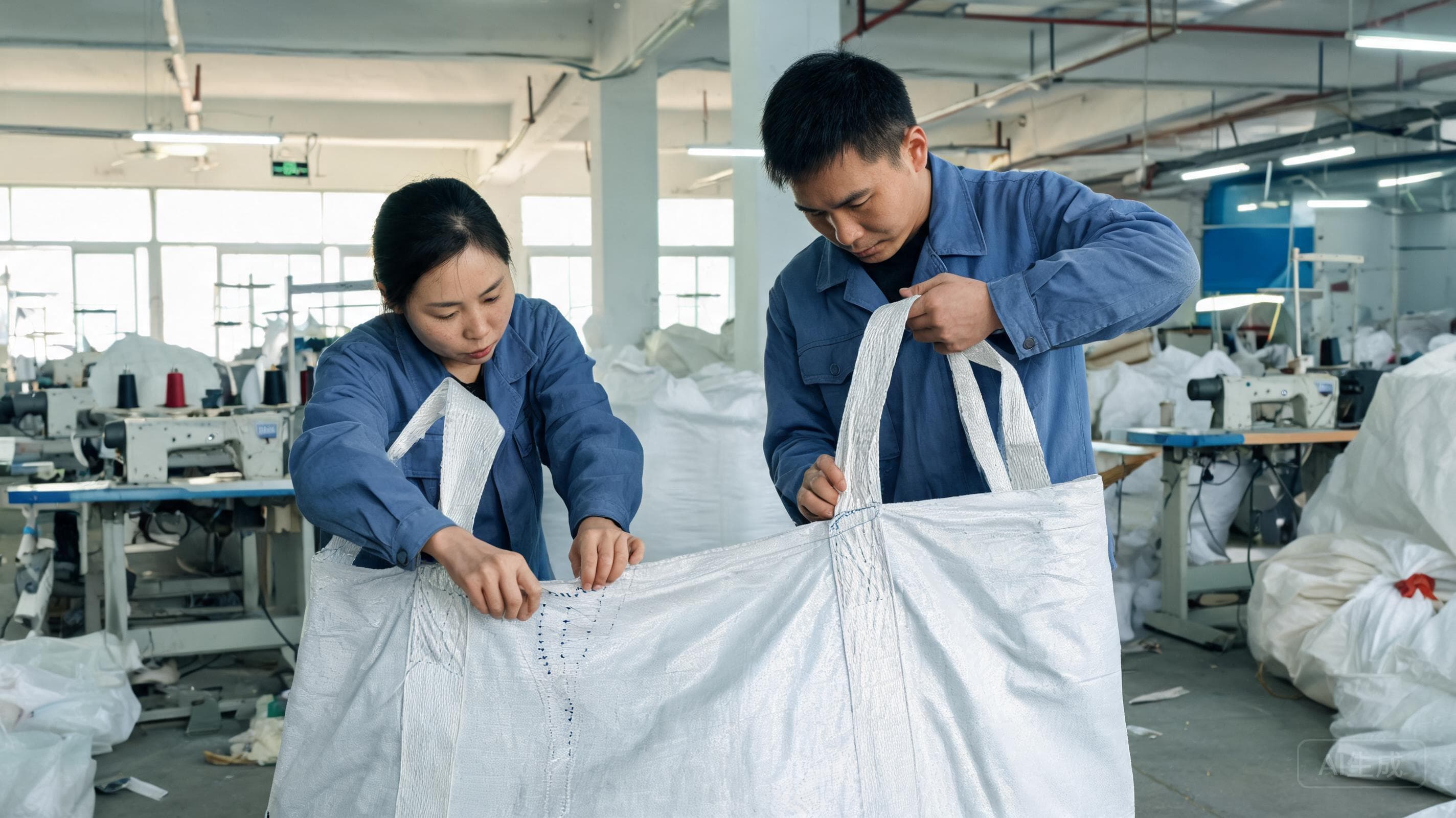
How to Choose a Bulk Bag Manufacturer That Protects Product, People, and Profit
RUNCHEN
AuthorWith more than 25 years of experience in FIBC bulk bag manufacturing and sales, RUNCHEN operates its own production facility with stable batch capacity. We specialize in FIBC bulk bags, jumbo bags, ton bags, and customized industrial packaging solutions.
Start with the Application, Not a Standard Bag Size
A damaged bulk bag can lead to product loss, cleanup, handling delays, interrupted production, and replacement orders. When specifications vary between orders or a supplier cannot explain how a bag is made and tested, procurement and operations teams face avoidable uncertainty.
A flexible intermediate bulk container (FIBC), also called a bulk bag or ton bag, must suit the product, filling and discharge processes, storage conditions, transport route, lifting equipment, and site safety requirements. A qualified manufacturer can help turn these requirements into a specification designed for your application.
Before comparing dimensions or prices, define what the bag will hold and how it will be used. Consider the material’s density and flow behavior, whether it is moisture-sensitive or abrasive, and whether it has specific cleanliness or food-contact requirements. These details can influence fabric selection, liner requirements, construction, and discharge design.
Map the full handling cycle. How will the bag be filled? What equipment will lift it? Will it be stored for days or months, stacked, or exposed to particular environmental conditions? How will it travel, and how will the product be discharged at its destination?
These answers help establish requirements for safe working load (SWL), safety factor, dimensions, fabric properties, lifting configuration, seams, and liner or closure features. A bag that works at the filling point may not suit downstream storage or discharge equipment.
Share product and process details with the manufacturer early. An application review lets the supplier recommend a suitable specification, flag unknowns, and identify details that need testing or approval before production.
Match the Bag Construction to the Risk
Different applications call for different construction considerations. Product names can start the conversation, but the final choice should be based on dimensions, load rating, construction, equipment compatibility, and intended use.
- Top-Lift Bulk Bag: Consider this option when lifting configuration and compatibility with site equipment are central to selection. Confirm the lifting arrangement with the supplier and the team responsible for handling equipment.
- COSEK Tear-Resistant FIBC Bulk Bag: Discuss this construction when abrasion, sharp edges, or rough movement may increase the risk of fabric damage. Ask the manufacturer to review specific contact points and handling conditions; “tear-resistant” does not guarantee protection against every form of damage.
- Internal reinforcement ton bag: Ask about this option when the application calls for added structural support in specified areas. The supplier should explain where reinforcement is placed and how it relates to the load and handling cycle.
- COSEK Ventilated Bulk Bag: Consider this bag when the product may benefit from airflow. Suitability depends on the material, storage environment, transport conditions, and product-protection requirements.
For each option, verify the complete specification in writing. A product name is a starting point for a technical discussion, not a substitute for confirming load rating, dimensions, fabric and seam details, lifting configuration, liner requirements, and suitability for the application.
Evaluate the Manufacturer Behind the Specification
A capable supplier should explain why a bag is specified a particular way and connect its design to filling, lifting, storage, and discharge requirements. If the recommendation is limited to a price and standard size, ask for more detail before committing.
Ask how the manufacturer manages raw-material consistency, production inspections, traceability, sample approval, and nonconforming products. Find out what happens when a quality issue is identified and how changes to materials or construction are communicated between orders.
Request documentation appropriate to your application, such as product specifications, test reports, and relevant compliance information. Confirm that documents relate to the product and production scope under review, and ask how the supplier keeps the approved specification aligned with delivered goods.
For cross-border purchasing, discuss the supplier’s experience with your destination market, documentation, shipping requirements, and delivery expectations. International business resources can help frame questions, but they do not establish an individual supplier’s export capability. Verify that capability directly.
Compare suppliers on technical fit, communication, quality assurance, and delivery reliability—not unit price alone. A low quote may not represent good value if the specification is unclear, production consistency is uncertain, or delivery problems disrupt operations.
Build Safety and Responsible Production into Supplier Due Diligence
Bag performance is one part of a safe bulk-handling program. Lifting equipment, operator training, inspection routines, and site procedures also affect safe use. Confirm that the proposed bag is compatible with your equipment and handling process, and give your site team the information needed to use and inspect it appropriately.
Ask manufacturers how they identify and manage production hazards, maintain workplace safety, and communicate relevant product-handling guidance. If sustainability or textile claims matter to your purchasing decision, request current evidence specific to the product, facility, and claim. A general reference to a standard does not prove that a particular bag or manufacturing site is covered.
Confirm which certifications or standards apply to the actual product, facility, and destination market before relying on a claim. A reference to a standard should not be treated as proof that it certifies every FIBC or manufacturer.
Assess the Economics Beyond the Purchase Price
To understand the real cost of a bulk bag, look beyond the unit price. Consider filling efficiency, product protection, handling time, storage use, transport efficiency, discharge performance, and the consequences of bag failure. Specification choices can affect several stages of an operation, not just packaging spend.
Estimate the possible cost of product loss, damaged shipments, cleanup, rework, line stoppages, and unplanned replacement orders. Even when failure is unlikely, the impact on a high-value product or time-sensitive production schedule may be significant. Use your own operating data where possible, and compare equivalent applications and specifications when reviewing quotes.
Consider packaging and equipment together. If discharge performance affects labor, throughput, or product recovery, evaluate the bag alongside the filling and discharge equipment it needs to work with.
Market forecasts can provide context, but they should not determine a buying decision. Verify the original source, reported metric, and methodology before citing a market figure. A projection does not establish whether a particular bag or supplier is right for your operation.
For a meaningful comparison, provide suppliers with your current bag specification and operating assumptions. A like-for-like quotation and application review makes it easier to assess both upfront price and potential operating costs.
Use a Structured Qualification Process Before Placing an Order
A documented qualification process helps align procurement, operations, quality, and safety before production begins. Prepare the information a manufacturer needs to assess the application:
- Product characteristics, including density, flow behavior, moisture sensitivity, abrasion potential, and cleanliness requirements.
- Required bag dimensions, safe working load, and lifting method.
- Filling and discharge methods, equipment interfaces, and liner or closure requirements.
- Storage duration, stacking conditions, transport mode, and destination-market requirements.
Ask for a technical review and, where appropriate, a sample or prototype. Before production, obtain written confirmation of the agreed specification, including construction, dimensions, load rating, features, and approved product or process requirements.
Agree on inspection criteria, packaging and labeling details, lead time, order quantities, and how changes or quality issues will be handled. For repeat orders, maintain a documented specification and change-control process so proposed substitutions or design changes can be reviewed and approved.
Involve procurement, operations, quality, and safety stakeholders in the approval. Their combined input helps ensure the specification is commercially workable, technically appropriate, and aligned with site requirements.
Turn the Right Bag Specification into a Supplier Partnership
The right bulk bag fits the application, is supported by credible manufacturing controls, meets verified requirements, and makes sense over its operating life. Match construction to the product and process, confirm compliance claims, and compare whole-life costs—not just the price per bag.
Gather your current bag specification, application details, and recurring handling challenges, then request a focused review before production. This gives you and the manufacturer an opportunity to resolve questions while changes are still manageable.
Before relying on supplier claims, request evidence such as customer outcomes, audit records, or case-study data. Confirm the scope and context for each claim; a certification reference or trade-publication cover is not independent proof of FIBC performance or customer return on investment.
Request a tailored bulk bag review and quotation. Share your current specification and application details with our team to discuss a Top-Lift Bulk Bag, COSEK Tear-Resistant FIBC Bulk Bag, Internal reinforcement ton bag, or COSEK Ventilated Bulk Bag. Contact us to review your requirements and get a recommendation for your operation.
Related News
Other news you might be interested in
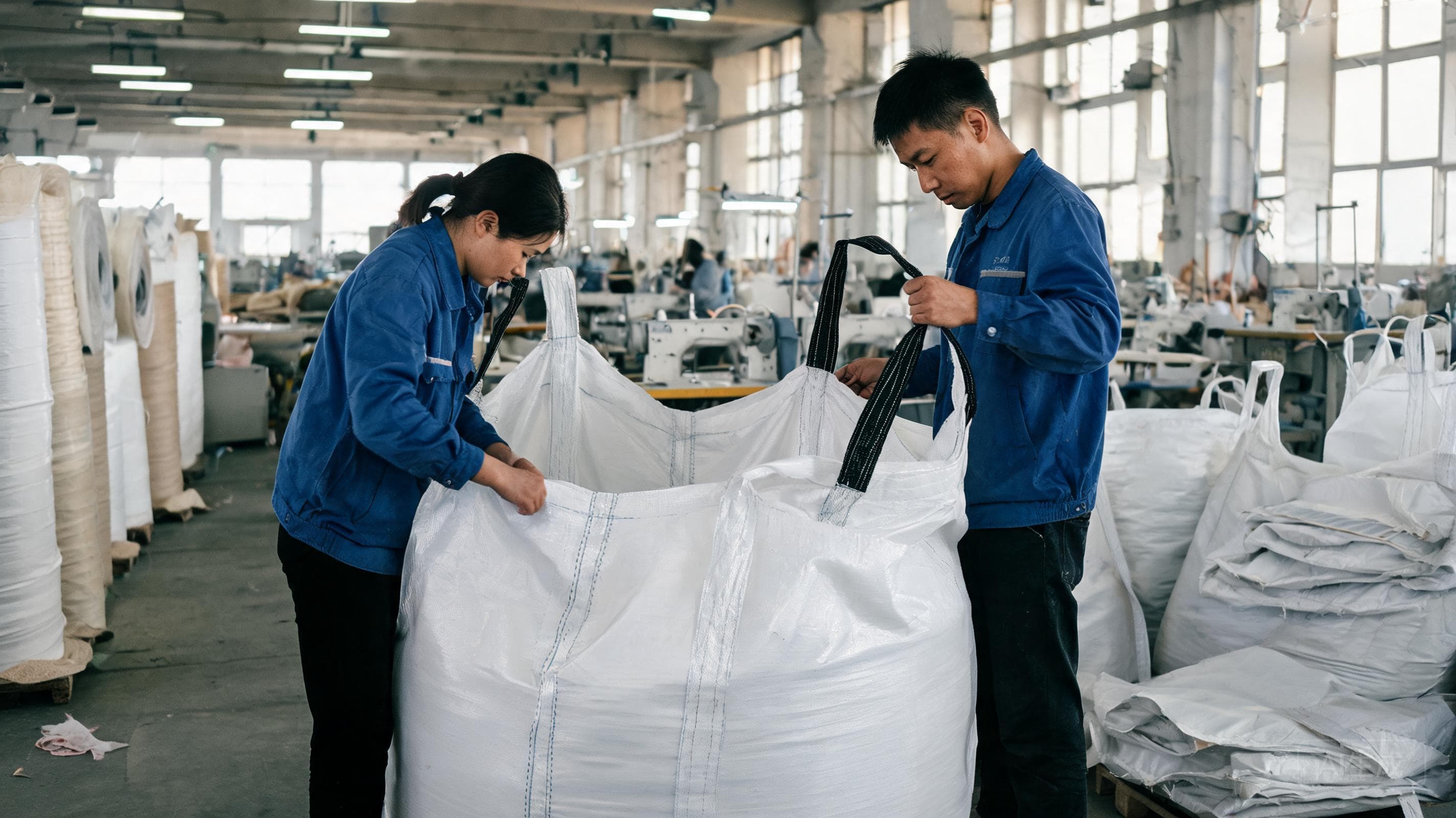
How to Choose a Bulk Bag Manufacturer for Safer, More Reliable Packaging
Learn how to assess FIBC manufacturers, match bag construction to your product and process, verify compliance, and compare total cost before requesting a tailored quotation.
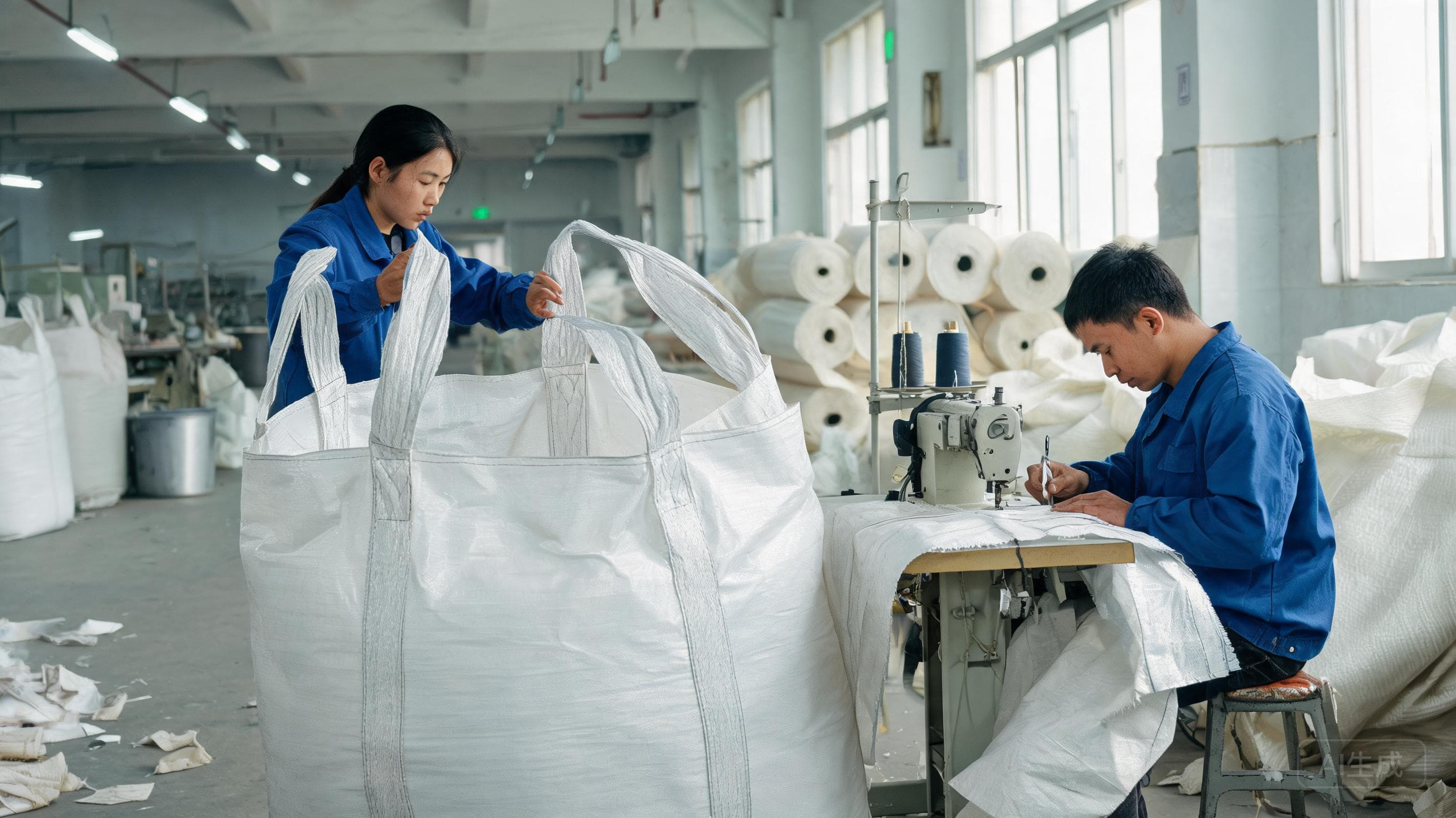
How to Choose a Reliable FIBC Manufacturer for Safer, More Efficient Bulk Packaging
Compare FIBC manufacturers on application fit, safety, quality controls, and total cost. Use this practical checklist to define requirements, validate performance, and request a tailored quote.
Want to know more?
Get in touch with us for more information about our services and products.