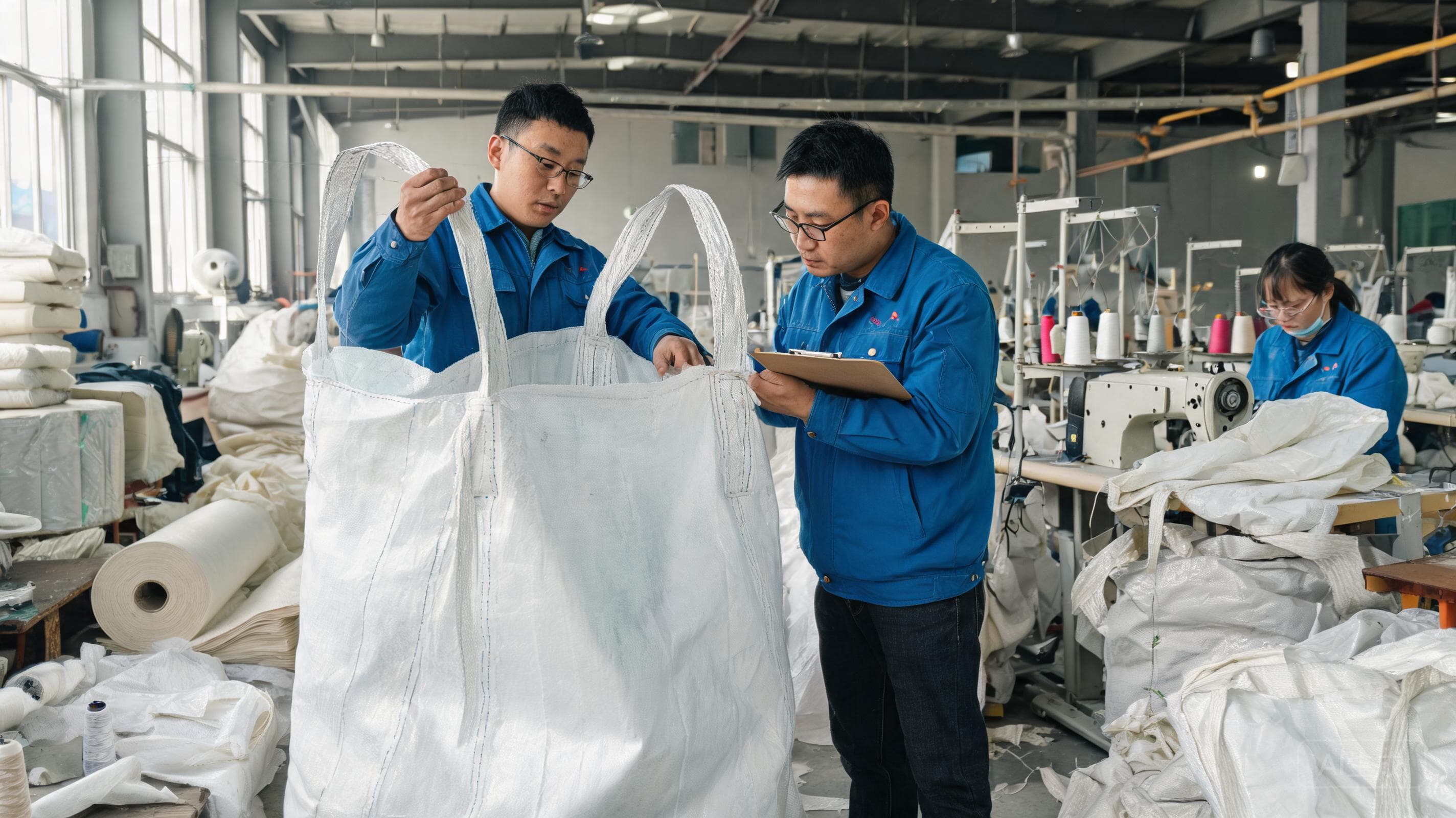
How to Choose a Bulk Bag Manufacturer That Protects Product Quality, Throughput, and Total Cost
RUNCHEN
AuthorWith more than 25 years of experience in FIBC bulk bag manufacturing and sales, RUNCHEN operates its own production facility with stable batch capacity. We specialize in FIBC bulk bags, jumbo bags, ton bags, and customized industrial packaging solutions.
When a Bulk Bag Becomes a Production Bottleneck
A bulk bag is part of your production process—not just the final packaging step. A failure can put product integrity at risk, while a bag that does not fit your filling or handling equipment can slow throughput and complicate changeovers. Buyers need packaging that performs reliably, suits the application, meets relevant handling or food-contact requirements, and makes commercial sense.
The 2025 WEPACK packaging exhibition’s focus on practical packaging expertise reflects a priority shared by manufacturers and buyers: solutions that work in production, not just new concepts. A structured supplier evaluation can help reduce avoidable disruption and identify bulk bags suited to your product, process, and handling environment.
Packaging problems can surface at several points in the operation. A bag may be difficult to fill, lift, store, or discharge. Its dimensions or features may not match the equipment. That mismatch can lead to delays, extra handling, rework, or product-quality concerns.
Choosing a manufacturer means balancing dependable performance, fit-for-purpose design, applicable requirements, and cost for your specific use case. Start with a clear account of what your operation needs the bag to do—not a product catalog.
Start With the Application, Not the Bag Catalog
Before requesting a quote, document how the bag will be used from filling through delivery. Share the same information with prospective suppliers so recommendations and prices are based on comparable specifications.
- Product characteristics: Describe the contents, load weight, flow behavior, sensitivity to moisture or contamination, and any food-contact requirements.
- Filling and discharge: Explain your filling-line configuration and how the product will be emptied.
- Handling and storage: Outline lifting and conveying methods, storage conditions, transport arrangements, and expected handling frequency.
- Operating environment: Note process constraints and equipment requirements that could affect bag dimensions, construction, or performance.
A shared application brief helps suppliers assess the same requirements and enables your team to compare proposals consistently.
Match Bag Design to Product and Handling Requirements
Bag shape, dimensions, lifting features, discharge options, liners, and fabric choices can all affect application fit. A suitable design depends on the product and how your operation fills, moves, stores, and empties the bag.
The COSEK White Cylindrical Leak-Proof Bulk Bag may be worth assessing when leak prevention and a cylindrical format suit your handling needs. The COSEK Small Bulk Bag may be appropriate where a smaller capacity or more manageable package format is required. If an integrated design and light blue color fit your operational or identification preferences, consider the COSEK Light Blue Integrated FIBC.
For buyers evaluating food-grade packaging, the COSEK White and Red Food-Grade Bulk Bag may be relevant. Confirm the applicable requirements and documentation for your intended use with the supplier and your quality team.
Product names alone do not establish suitability. Check every option against the exact load, process, handling conditions, and compliance requirements for your application.
Evaluate Supplier Capability Beyond the Unit Price
A competitive quote matters, but unit price alone does not show how well a supplier can support consistent production or respond when requirements change. Ask how the manufacturer translates your application brief into a documented specification and controls revisions from approval through production.
Assess production consistency, inspection practices, traceability, order planning, and the process for addressing nonconformities. Find out whether the supplier can support samples and specification reviews, and whether communication can include procurement, quality, and production teams.
Compare total cost of ownership as well as quoted price. Consider operational fit, product protection, handling efficiency, and the potential cost of rework or disruption. Request evidence relevant to your use case rather than relying on broad assurances.
Protect Throughput With Better Changeover Planning
A packaging change can affect more than the bag itself. Dimensions, filling behavior, equipment settings, operator routines, and downstream handling may all need review. Packmate’s guidance on faster product changeovers on multi-lane machines illustrates the wider manufacturing focus on reducing changeover friction.
Before introducing a new design or supplier, check bag specifications against your filling equipment and prepare a changeover plan. Coordinate sample trials with production teams, record machine settings and results, and agree on acceptance criteria before scaling up. A supplier that responds promptly during specification and trial stages can help make adoption more predictable.
Include Compliance and Operating Conditions in the Specification
Relevant requirements depend on the packaged material, destination market, and your organization’s quality system. Identify the standards, declarations, records, and testing evidence required for your application, then ask suppliers to confirm what they can provide.
The Global Organic Textile Standard (GOTS) implementation manual is an example of guidance addressing technical and organizational measures. It is not, by itself, proof that a particular bulk bag or FIBC meets your requirements. Have quality and compliance stakeholders review relevant documentation before purchase approval.
Include operating conditions—such as storage conditions, work schedules, and process controls—in the specification when they could affect packaging performance or inspection.
Build a Business Case Around Waste, Risk, and Efficiency
Packaging decisions are operational investments. The right specification may support smoother handling, fewer preventable quality issues, and more predictable production planning. The Xiaomi Beijing factory hazardous-waste reduction case offers a broader example of manufacturers examining waste across the value chain, but it is not evidence of FIBC-specific savings.
Establish a baseline before comparing suppliers. Depending on your process, useful measures may include packaging-related defects, handling interruptions, changeover time, and material waste. Evaluate pilot results against agreed criteria rather than assuming savings without application-specific data.
Bring procurement and operations together to assess both direct purchase costs and downstream costs associated with unsuitable packaging. A lower unit price may not be the lower-cost option if the bag creates avoidable work or production risk.
Questions to Ask Before Requesting a Quote
- What product, load, filling process, and handling conditions is the bag intended for?
- Which design features and specifications are essential, and which could be adjusted to improve equipment fit or supply planning?
- What evidence, records, or compliance documentation is required for the intended market and use?
- Can the supplier provide a sample or support a production trial, and how will trial acceptance be determined?
- How are production consistency, specification changes, and quality concerns managed?
- What lead times, order quantities, and communication processes should we plan around?
Move From Supplier Evaluation to Production
- Document application requirements with input from procurement, quality, and production.
- Shortlist suitable designs, including relevant COSEK options, based on the documented use case.
- Review specifications, samples, and documentation with the supplier.
- Conduct a controlled trial on the intended equipment and handling process.
- Compare results against agreed quality, throughput, and cost criteria before placing a production order.
- Review performance after launch and update specifications or operating instructions as needed.
Turn Your Requirements Into a Bulk Bag Recommendation
A successful bulk bag decision depends on the fit between packaging design, supplier capability, and your operating requirements. Give your supplier the details needed to assess that fit: product, target capacity, filling and handling process, and compliance requirements.
Related News
Other news you might be interested in
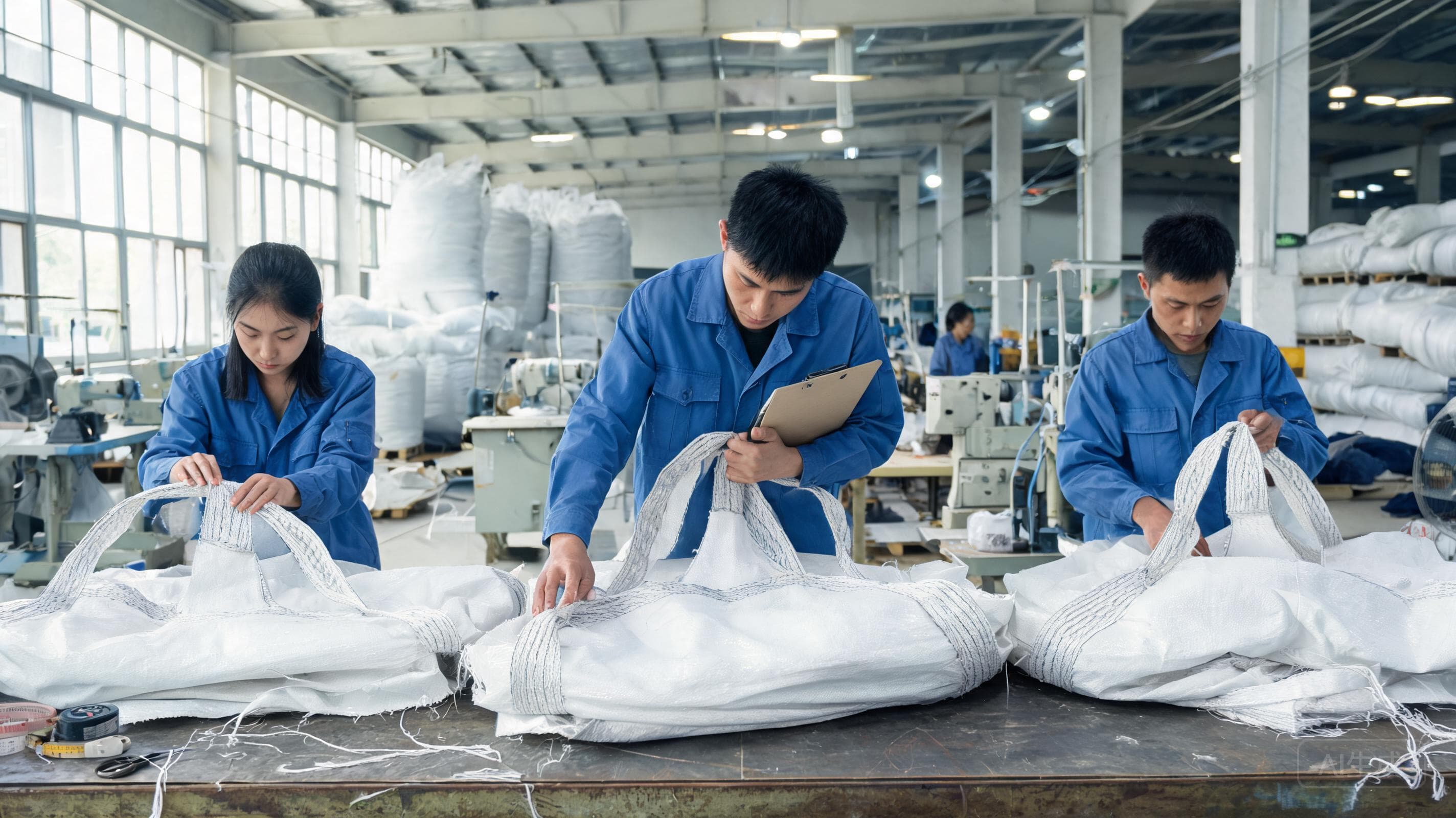
How to Choose a FIBC Manufacturer That Protects Product, Performance, and Profit
Learn how to specify FIBCs, assess manufacturers, compare total costs, and prepare an RFQ that helps reduce product, performance, and supply risks.
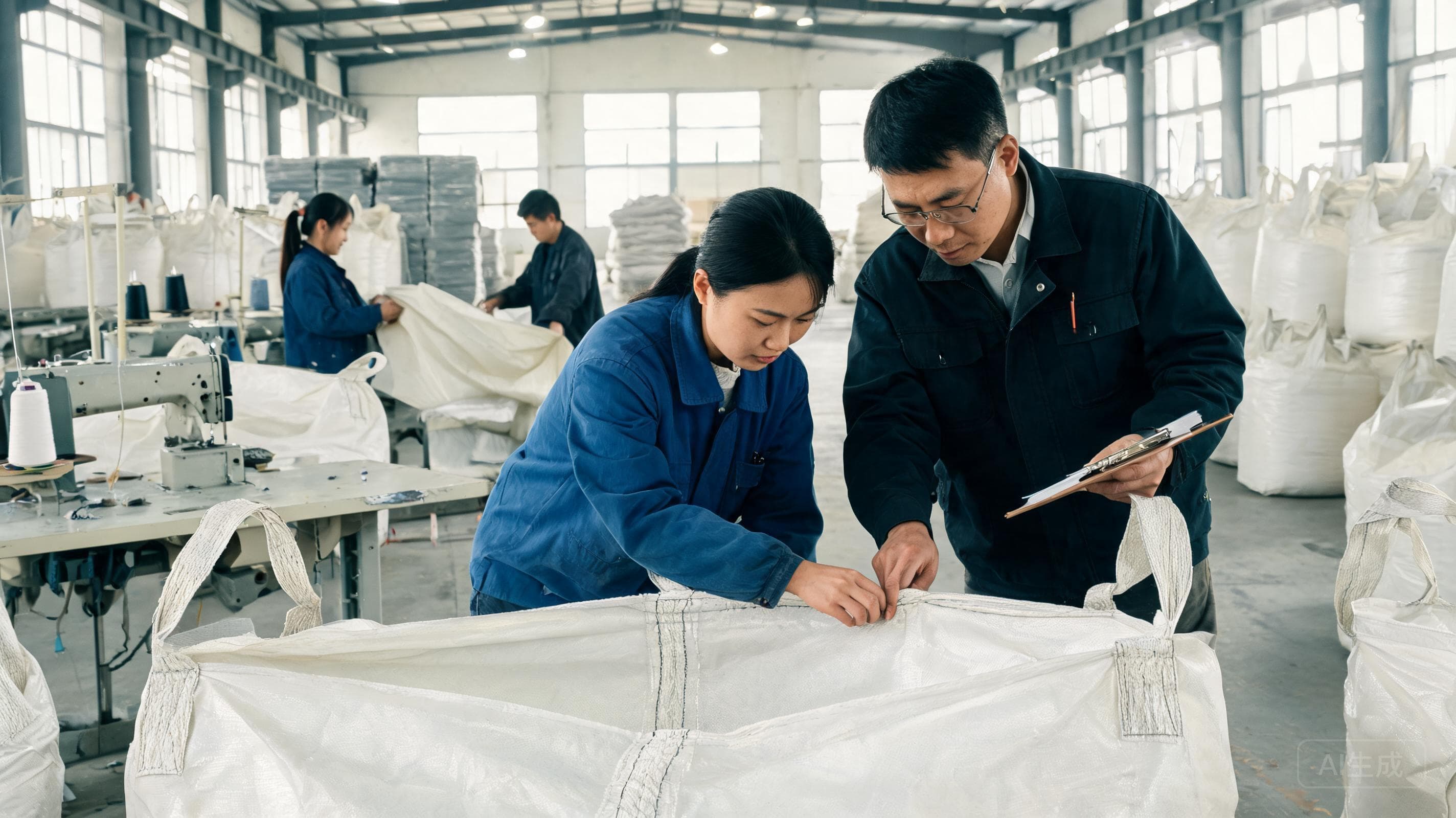
How to Choose an FIBC Manufacturer That Reduces Risk, Protects Your Cargo, and Delivers at Scale
Evaluate FIBC manufacturers on product fit, quality controls, compliance, capacity, and total cost. Use this practical checklist to protect cargo and build a more dependable supply.
Want to know more?
Get in touch with us for more information about our services and products.