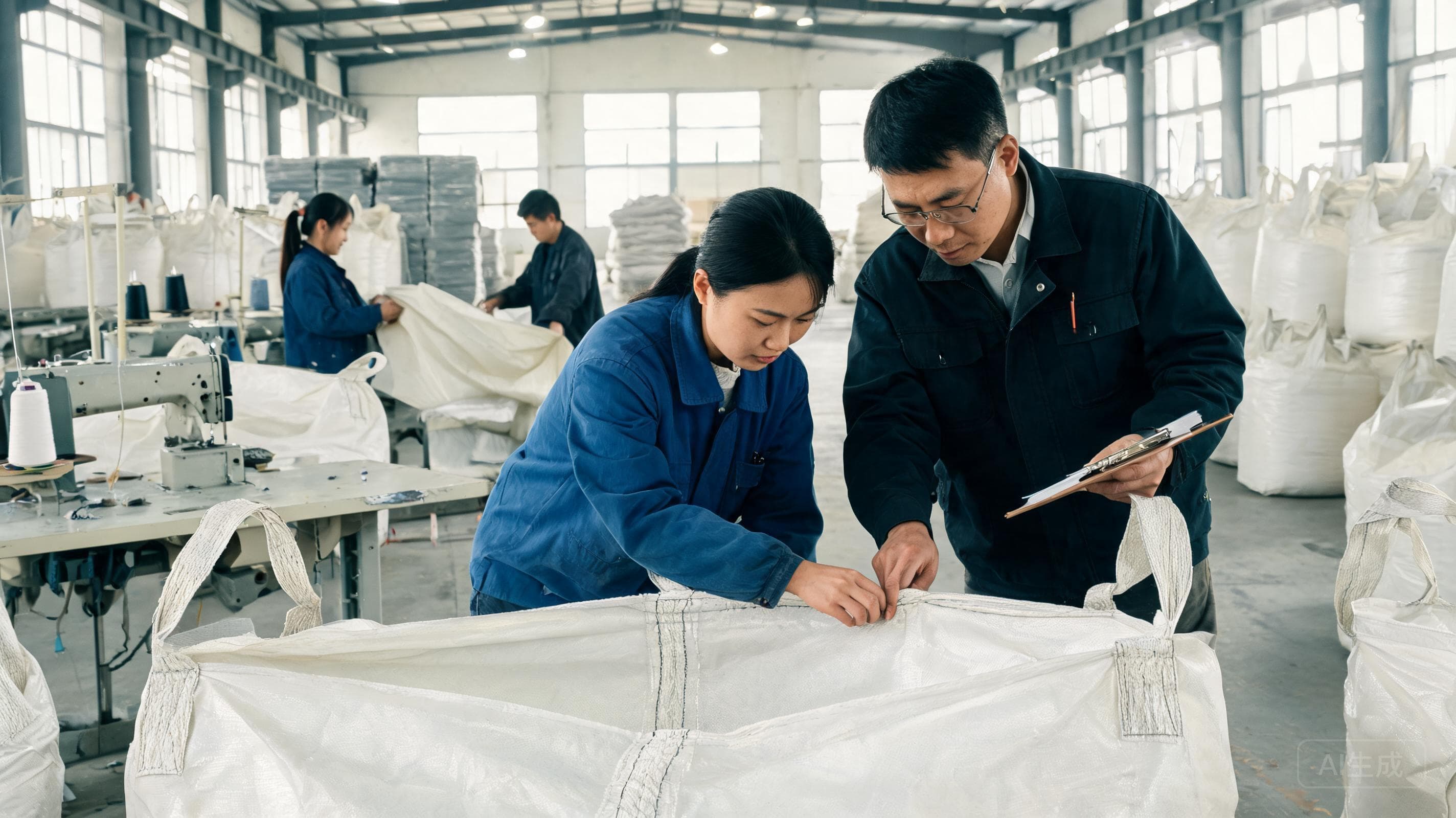
How to Choose an FIBC Manufacturer That Reduces Risk, Protects Your Cargo, and Delivers at Scale
RUNCHEN
AuthorWith more than 25 years of experience in FIBC bulk bag manufacturing and sales, RUNCHEN operates its own production facility with stable batch capacity. We specialize in FIBC bulk bags, jumbo bags, ton bags, and customized industrial packaging solutions.
When a bulk bag fails, the cost is bigger than the bag
A failed FIBC can turn a routine shipment into a costly disruption. Damaged goods, missed delivery windows, employee safety risks, inconsistent bag quality, and unexpected supplier delays put pressure on procurement and operations teams.
Buyers must balance product specifications with cost targets, compliance requirements, staff capacity, and dependable delivery. The packaging industry reflects this broad range of concerns: WEPACK 2025 promotes discussion among more than 100 packaging experts addressing over 300 packaging issues.
Use this guide to assess FIBC bags and manufacturers against your actual application. A sound decision considers cargo protection, handling, documentation, and supply continuity—not just unit price.
Start with the load, handling process, and destination
Define what the bag will carry. Material type, weight, density, and flow characteristics affect the appropriate construction and configuration. Requirements can vary significantly for food, chemical, pharmaceutical, agricultural, and industrial cargo.
Map the bag’s full journey: filling, lifting, storage, transport, discharge, and, where applicable, reuse or disposal. Confirm the required safe working load (SWL), safety factor, dimensions, lifting configuration, and filling and discharge arrangements with the manufacturer.
Consider exposure to moisture, sunlight, temperature changes, and rough handling. A bag that performs well in a controlled warehouse may not suit outdoor storage or repeated handling. Matching the FIBC to its operating environment is generally more valuable than choosing by unit price alone: a lower purchase price offers little benefit if the wrong configuration causes product loss, delays, or replacement orders.
Match FIBC construction to the job
Different applications call for different FIBC designs. Treat the product type as a starting point, then validate the configuration against the cargo, applicable regulations, filling method, handling equipment, and customer specifications.
- For demanding handling: Where abrasion, sharp edges, or rough handling increase the risk of damage, consider the COSEK Tear-Resistant FIBC Bulk Bag.
- For routine bulk-material handling: When a versatile standard option is appropriate, the COSEK White General-Purpose FIBC Bulk Bag may be a suitable starting point.
- For dangerous goods: Assess the COSEK White UN Certified Dangerous Goods FIBC Bulk Bag and verify that its certification and exact configuration match the substance and shipment requirements.
- For a stable, square-bottom design: Consider the COSEK Brown Square Bottom FIBC Bulk Bag when the application benefits from this construction.
A product name alone does not establish suitability. Confirm the selected bag’s specifications with the manufacturer and relevant supply-chain stakeholders before production.
Turn technical specifications into a supplier evaluation checklist
Ask each prospective FIBC manufacturer for a clear, written specification covering fabric, dimensions, SWL, safety factor, seams, lifting loops, liner requirements, and filling or discharge features. For customized bags, ensure the specification records the agreed design rather than relying on informal descriptions.
Find out how the manufacturer controls material consistency, dimensional tolerances, seam quality, and finished-bag inspection. Ask which tests, inspection records, certificates, and traceability documents are available for your application.
For UN-certified bags, request the relevant test and certification documents. A general statement that a product is “UN compliant” does not replace verification that the certification applies to the specific bag configuration and intended shipment.
Compare quotations on a like-for-like basis. Account for packaging, sampling, tooling or customization charges, minimum order quantities, lead times, and shipping terms. A seemingly lower quote may omit costs or assumptions that affect the final delivered price and schedule.
Look beyond price to total cost and supply continuity
Total cost of ownership includes more than the price of each bag. Consider potential cargo loss, handling efficiency, storage footprint, claims, and replacement orders. A well-matched bag can support more reliable operations even if its purchase price is not the lowest available.
Ask about production capacity, demand planning, raw-material availability, quality escalation procedures, and contingency plans. A capable supplier should explain how it manages changing demand and what it will communicate if an issue affects your order.
For new specifications or critical cargo, discuss sample approval and a pilot order before committing to a larger production run. Agree in advance on forecast updates, order confirmation, production milestones, inspection timing, and shipment communication. The aim is to reduce avoidable uncertainty—not simply to find a lower-cost source of bags.
Make compliance and responsible operations part of due diligence
Document the standards and legal requirements that apply to the product, cargo, destination market, and supply chain. Requirements vary by material and shipment, so confirm them with the appropriate regulatory, customer, and internal stakeholders.
Responsible operations can involve technical measures, organisational measures such as adjusted work schedules, and individual measures. GOTS implementation guidance offers a reminder that these approaches may all be relevant. Confirm which requirements apply to your materials and processes rather than assuming a general framework applies to every purchase.
Where relevant to your procurement policy, assess the supplier’s approach to worker safety, training, retention, fair compensation, and operational continuity. For cross-border supplier relationships, clarify data-handling and communication practices. Austrian Business in China guidance, for example, highlights concerns such as GDPR and Chinese Cyber Law conformance alongside lean, digitized HR processes.
General guidance is not proof of a particular factory’s performance. Request current, relevant documents and evidence directly from the supplier, and confirm that they relate to the facilities and products under consideration.
Use evidence and references to validate supplier claims
Request recent product samples, inspection records, applicable certifications, and customer references from businesses with comparable requirements. Ask the manufacturer how it has handled a quality issue, a specification change, or a time-sensitive order. Specific examples can help you understand how its processes work in practice.
Interpret published case-study figures carefully. A reported 25.9846 million associated with Joincare Pharmaceutical Group Industry Co., Ltd. is not, without further context, evidence of FIBC-specific savings or supplier performance. Ask suppliers to substantiate performance and return-on-investment claims with a defined baseline, scope, time period, and calculation method.
A simple scorecard can make comparisons more consistent. Rate each supplier on product fit, quality systems, compliance, capacity, communication, and commercial terms, and record the supporting evidence for each assessment.
Questions to ask before requesting an FIBC quotation
- What material will each bag contain, and what are the load weight, density, and flow characteristics?
- How will the bag be filled, lifted, transported, stored, and discharged?
- Does the application require tear resistance, a square bottom, a liner, a specific color, or dangerous-goods certification?
- Which destination-market regulations, customer standards, and documentation requirements must be met?
- What are the order volume, forecast, target delivery window, customization needs, and sample-approval process?
- What quality checks and traceability documents will be provided with production orders?
Clear answers help the manufacturer recommend a suitable configuration and prepare an accurate quotation.
Move from product selection to a production order
- Share the application. Provide the cargo type, technical requirements, destination, forecast, and delivery timeline.
- Shortlist the configuration. Identify whether a COSEK Tear-Resistant, White General-Purpose, White UN Certified Dangerous Goods, or Brown Square Bottom FIBC Bulk Bag may fit your requirements.
- Review before approval. Check the specification, compliance documents, sample, commercial terms, and production schedule.
- Validate the first order. Where the risk profile justifies it, run a pilot or first-order review and document feedback from filling, handling, and delivery.
- Standardize repeat orders. Record the approved configuration and communication process to support consistent purchasing and more predictable supply.
Request a tailored FIBC recommendation and quotation
Send COSEK your cargo type, load weight, handling method, destination market, compliance needs, estimated volume, and required delivery date. These details help focus the discussion on product fit, documentation, and supply planning before you commit to production. You can also request a specification review or sample discussion.
Related News
Other news you might be interested in
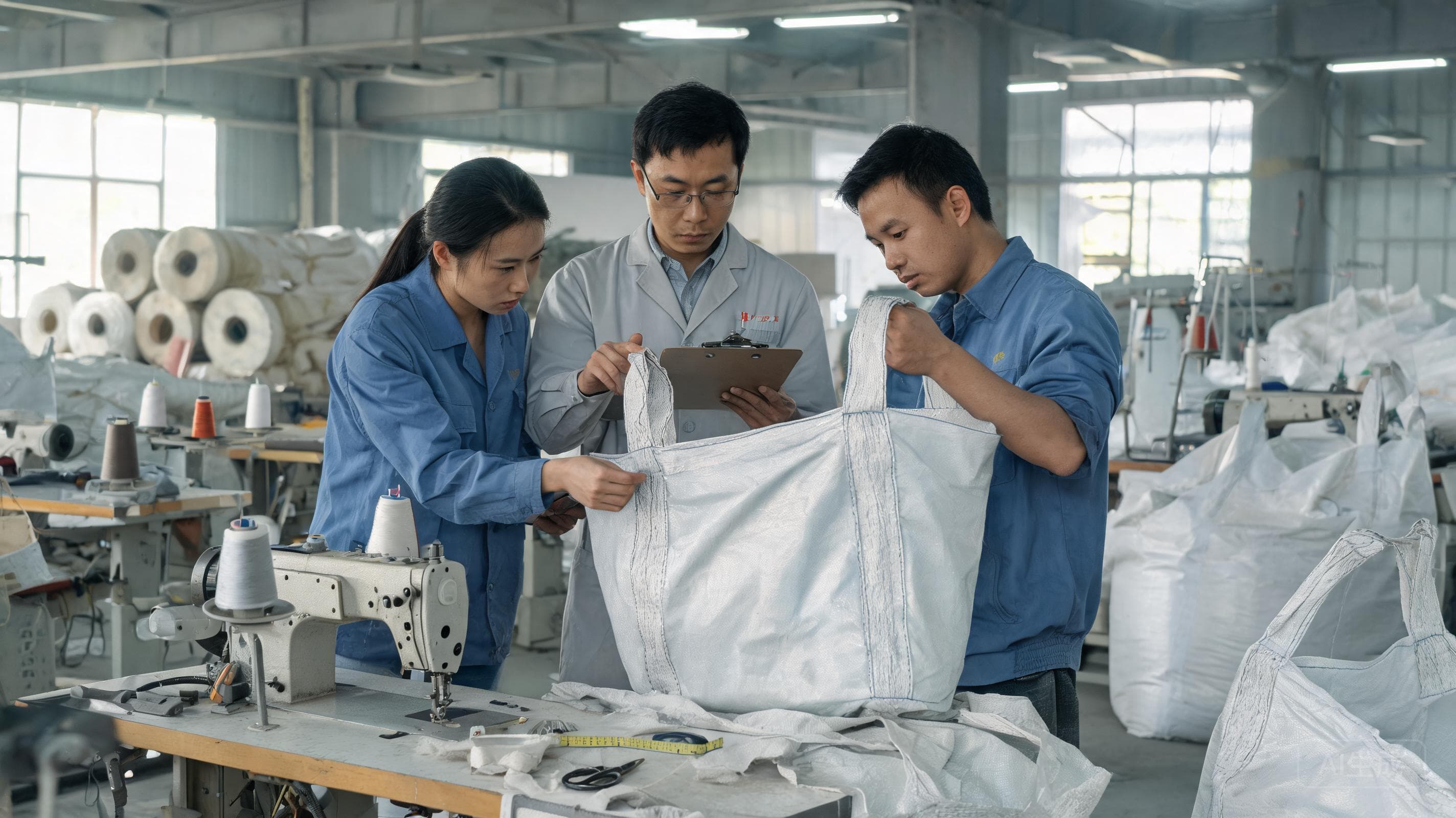
How to Choose a FIBC Bulk Bag Manufacturer That Reduces Risk and Supports Reliable Supply
Use this practical FIBC supplier checklist to match bag construction to your application, verify quality and compliance, and request a specification review or quote.
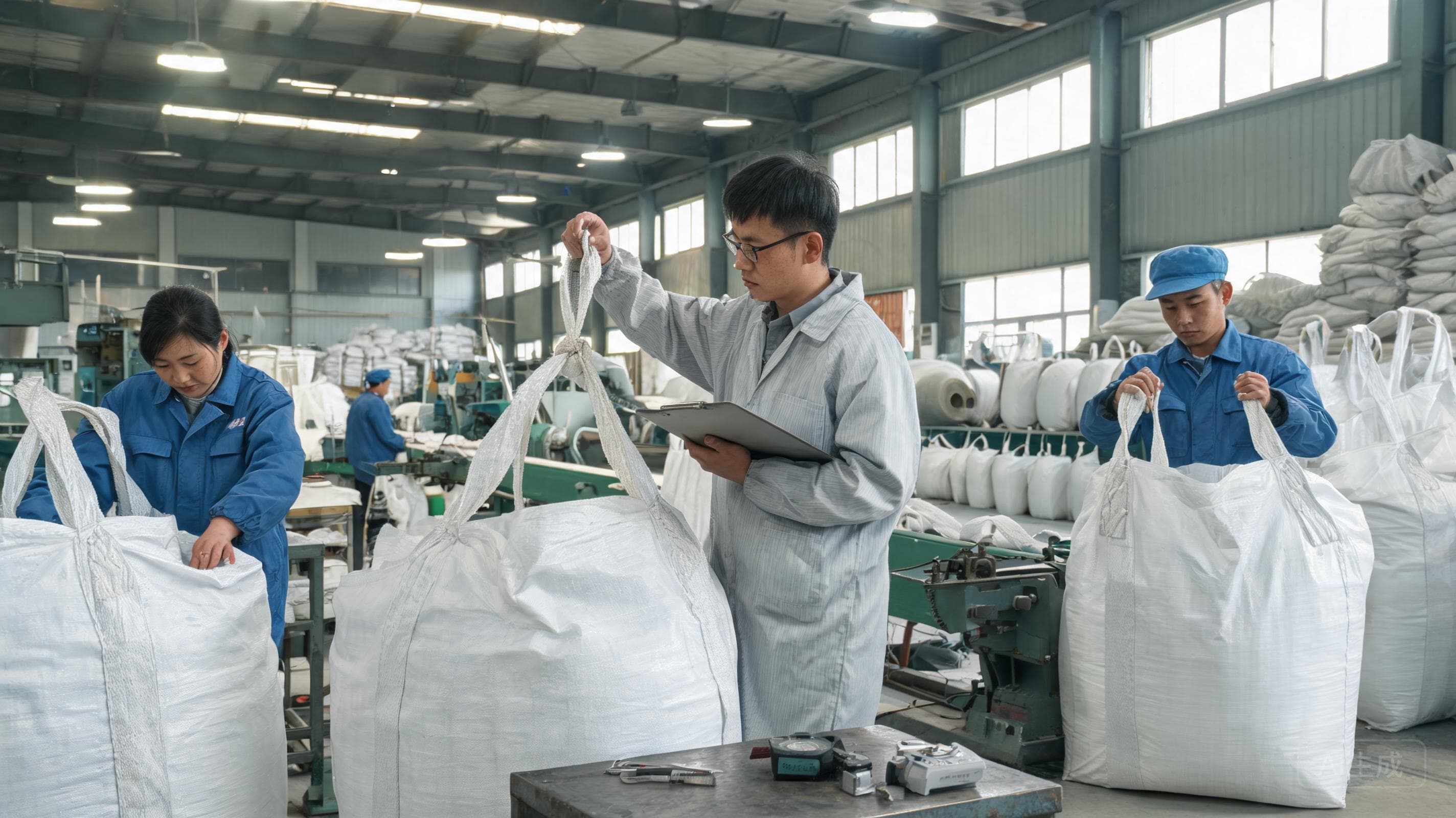
Choosing the Right FIBC Manufacturer: A Procurement Guide to Safer, More Reliable Bulk Packaging
Use this practical framework to define FIBC requirements, assess manufacturers, verify compliance, and run a controlled trial before committing to repeat orders.
Want to know more?
Get in touch with us for more information about our services and products.