
How to Choose a Bulk Bag Manufacturer That Reduces Packaging Risk and Total Cost
RUNCHEN
AuthorWith more than 25 years of experience in FIBC bulk bag manufacturing and sales, RUNCHEN operates its own production facility with stable batch capacity. We specialize in FIBC bulk bags, jumbo bags, ton bags, and customized industrial packaging solutions.
When a Bulk Bag Becomes a Production Problem
A bulk bag can seem like a simple purchase—until it fails on the production floor. Product may leak, become contaminated, or arrive damaged. A bag may not fit filling or discharge equipment, while inconsistent specifications can lead to rework and rejected shipments. Delays can then ripple through production, warehousing, and customer delivery.
Packaging decisions affect more than the purchase price. They influence worker safety, product integrity, production continuity, and customer confidence. One supplied field-guide excerpt describes more than 100 packaging experts addressing over 300 packaging issues. That is a reminder of how many application details buyers may need to resolve—not a market-wide statistic.
The goal is to match bag design, materials, and manufacturing controls to the application before ordering at scale. A qualified bulk bag manufacturer should help translate operational requirements into a clear, repeatable specification.
Start With the Material, Handling Process, and Destination
Begin with the material being packed. Document its flow behavior, bulk density, sensitivity to moisture or contamination, and any food-contact or dangerous-goods requirements. These details influence bag construction and the controls needed during production and use.
Map the full handling journey: filling, storage, lifting, transport, discharge, and eventual disposal or reuse. Consider whether bags will be stored indoors or outdoors, exposed to temperature changes, stacked, or moved by road, rail, or sea. Confirm compatibility with filling lines, lifting equipment, and discharge systems.
Ask the manufacturer to review the application and identify which performance requirements need testing or documentation. A generic product description is not a substitute for confirming that the proposed bag suits your material, equipment, and route to market.
Specify Safety and Compliance Before Comparing Quotes
For hazardous materials, establish the applicable UN packaging requirements first. Confirm that the proposed bag’s certification, construction, and intended use align with the shipment. Request certificates and test reports that identify the specific design and scope; do not assume a general claim applies to every configuration.
For food applications, define hygiene, material traceability, handling, and contamination-control expectations. Request documentation relevant to the specific product and destination market. Requirements can vary, so confirm them before approving a design.
For electrostatic-sensitive materials, assess the process and operating environment before selecting an anti-static or conductive bag. The appropriate design depends on the material and facility risk controls, and should be reviewed as part of the broader electrostatic-control plan.
Include factory safety in supplier evaluation. Use questions about hazard detection, worker protection, and heat-related emergency preparedness to understand the manufacturer’s risk assessment and emergency readiness. These topics are not evidence of a specific FIBC certification. Separate verified compliance evidence from broad supplier claims, and confirm that documents apply to the intended bag and use.
Match Bag Construction to the Job
Performance depends on the complete configuration. Capacity, safe working load (SWL), safety factor, fabric construction, seam design, lifting loops, liner options, dimensions, and filling and discharge features all affect how a bag performs in service.
Properties such as leak resistance, moisture protection, food suitability, anti-static behavior, and dangerous-goods certification are application-specific. Confirm each requirement in the specification rather than relying on a product name or description. Shape and base design can also affect filling, storage efficiency, discharge behavior, and compatibility with downstream equipment.
Compare the complete bag configuration—not just the price per unit. A lower-priced bag that causes product loss, slows filling, or complicates discharge can cost more over its working life.
Choose a Product Configuration for Each Application
Use the application to narrow the options, then verify the specification and documentation before selecting a product:
- Regulated hazardous-material shipments: Consider the COSEK White UN Certified Dangerous Goods FIBC Bulk Bag. Verify its certification and permitted use against shipment requirements.
- Compact volumes, sampling, or smaller production batches: Assess the COSEK Small Bulk Bag for the required capacity and handling process.
- Food handling where visual identification matters: Review the COSEK White and Red Food-Grade Bulk Bag and confirm its documentation for the intended market.
- Routine industrial materials: Compare the COSEK White General-Purpose FIBC Bulk Bag with your load, handling, and storage requirements.
- Containment and leakage control: Evaluate the COSEK White Cylindrical Leak-Proof Bulk Bag and confirm its suitability for the material and handling conditions.
- Storage or handling that favors a square-bottom format: Consider the COSEK Brown Square Bottom FIBC Bulk Bag.
- Applications that benefit from integrated construction: Assess the COSEK Light Blue Integrated FIBC against your filling process and production line.
- Food products such as sugar, flour, or grain where visible contents are required: Review the COSEK 浅蓝色食品级吨包袋 可见内容物设计 食用糖/面粉/谷物集装袋 and verify that it meets relevant food-contact requirements.
- Cleanroom or electronic-component packaging: Evaluate the COSEK Black Anti-Static Bulk Bag for Cleanroom Electronic Components Packaging against your facility’s electrostatic-control plan.
- Grain, feed, or chemical raw materials requiring moisture protection: Consider the COSEK 黑色防潮吨包袋 粮食/饲料/化工原料防水包装 and validate the protection level required for your conditions.
These configurations are starting points, not substitutes for an application review. Confirm dimensions, load requirements, equipment compatibility, and any compliance documentation before placing an order.
Evaluate the Manufacturer, Not Just the Product Sheet
A reliable supplier should explain how it controls incoming materials, weaving, cutting, sewing, inspection, and packing. Ask how products are traced through production and how repeat orders are matched to the approved specification.
Check whether production capacity, lead times, quality records, and change-control practices can support your order profile and replenishment schedule. Request evidence relevant to the application, such as inspection records, test results, and documentation for materials or certifications.
Discuss how the manufacturer manages nonconformities, corrective actions, sample approval, and specification changes. A strong supplier conversation should turn your operational needs into requirements that can be manufactured and checked consistently.
Build a Business Case Around Total Cost and Operational Risk
Compare total cost of ownership rather than unit price alone. Include product loss, damage claims, downtime, rejected loads, storage utilization, and labor for filling, discharge, and cleanup. A bag that performs reliably may reduce costs that never appear on the purchase order.
Use your operating data to estimate the cost of current packaging issues. Relevant inputs include failure rates, replacement orders, time spent handling damaged bags, cleanup labor, and delays caused by rejected or reworked loads.
Before committing to larger volumes, run a controlled sample or pilot. Agree on acceptance criteria in advance, then test the bag under actual filling, handling, storage, and discharge conditions.
Calculate return on investment using customer-specific data. The supplied research references GOTS implementation material, Austrian Business in China, and Joincare Pharmaceutical Group’s 2023 material, but provides no directly usable FIBC savings figures. Do not attribute savings or success claims to those references unless the original evidence directly supports them.
Use a Practical Qualification Checklist Before Ordering
Before approving a purchase, document the product, target capacity, dimensions, SWL, filling and discharge method, storage conditions, and transport route. Specify any food-contact, dangerous-goods, moisture-protection, or electrostatic properties, and request supporting documentation.
Agree on sample approval, inspection criteria, labeling, packaging, delivery schedule, and the process for handling nonconforming goods. Confirm whether the design is standard or customized, which changes could affect certification or performance, and how repeat orders will be matched to the approved specification.
Include operations, quality, procurement, and safety stakeholders in the review. Their input can identify equipment, compliance, or handling requirements before they become costly issues after delivery.
Turn the Specification Into a Lower-Risk Buying Decision
The buying principle is simple: define the application, verify the requirements, select the construction, and qualify the supplier before scaling. COSEK may be a potential partner for application reviews across general-purpose, food-grade, dangerous-goods, moisture-protection, and anti-static bulk bag requirements.
Share your material type, target capacity, handling process, destination, and compliance requirements to request a product recommendation or quotation. A sample or specification review can help assess the proposed bag under your actual production and logistics conditions before you commit to larger volumes.
Related News
Other news you might be interested in
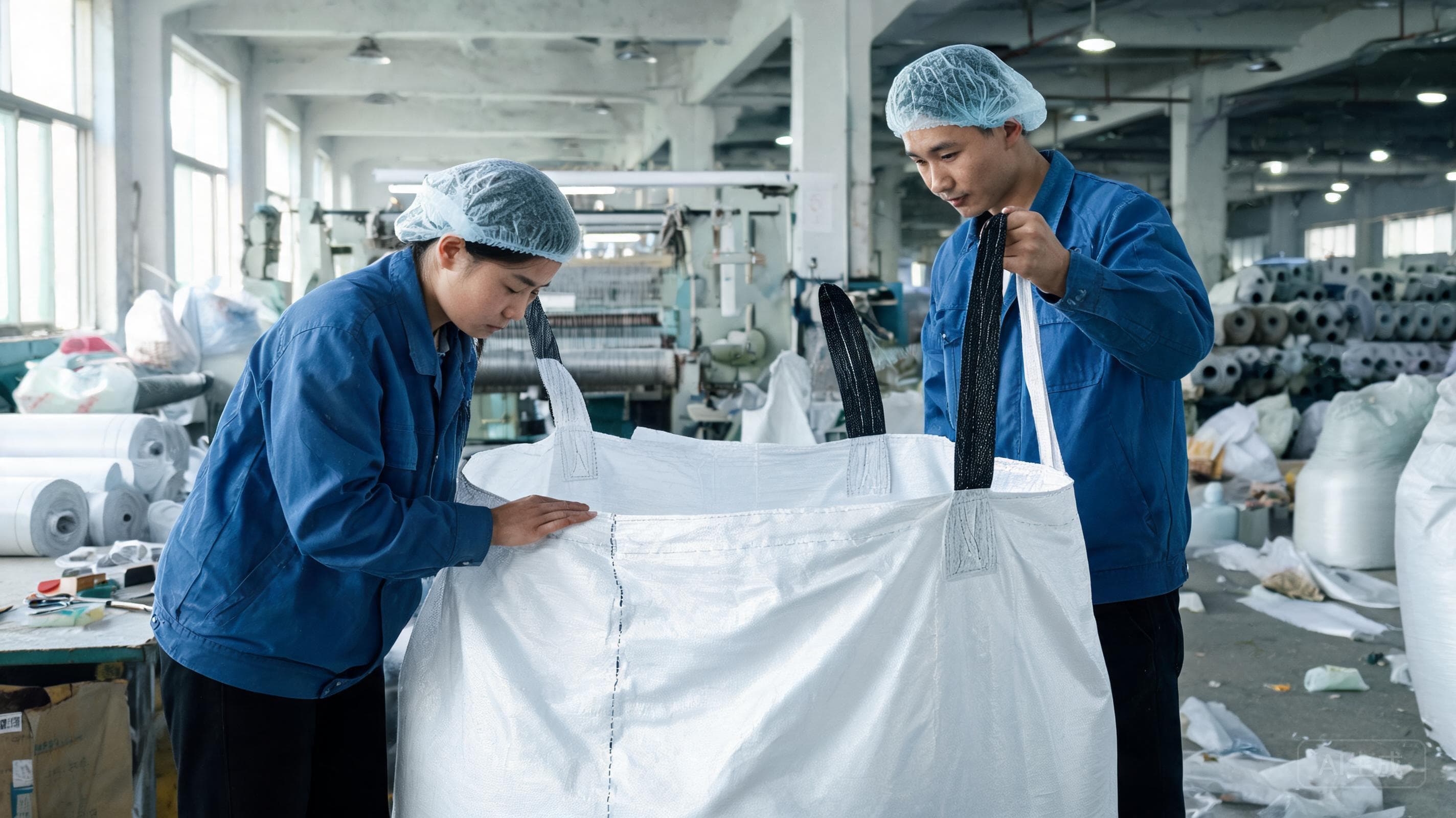
How to Choose the Right FIBC Bulk Bag for Safer, More Reliable Operations
Learn how to match FIBC bulk bag construction to your material, handling process, and operating conditions. Use a practical checklist to evaluate suppliers, reduce risk, and plan a measured trial.
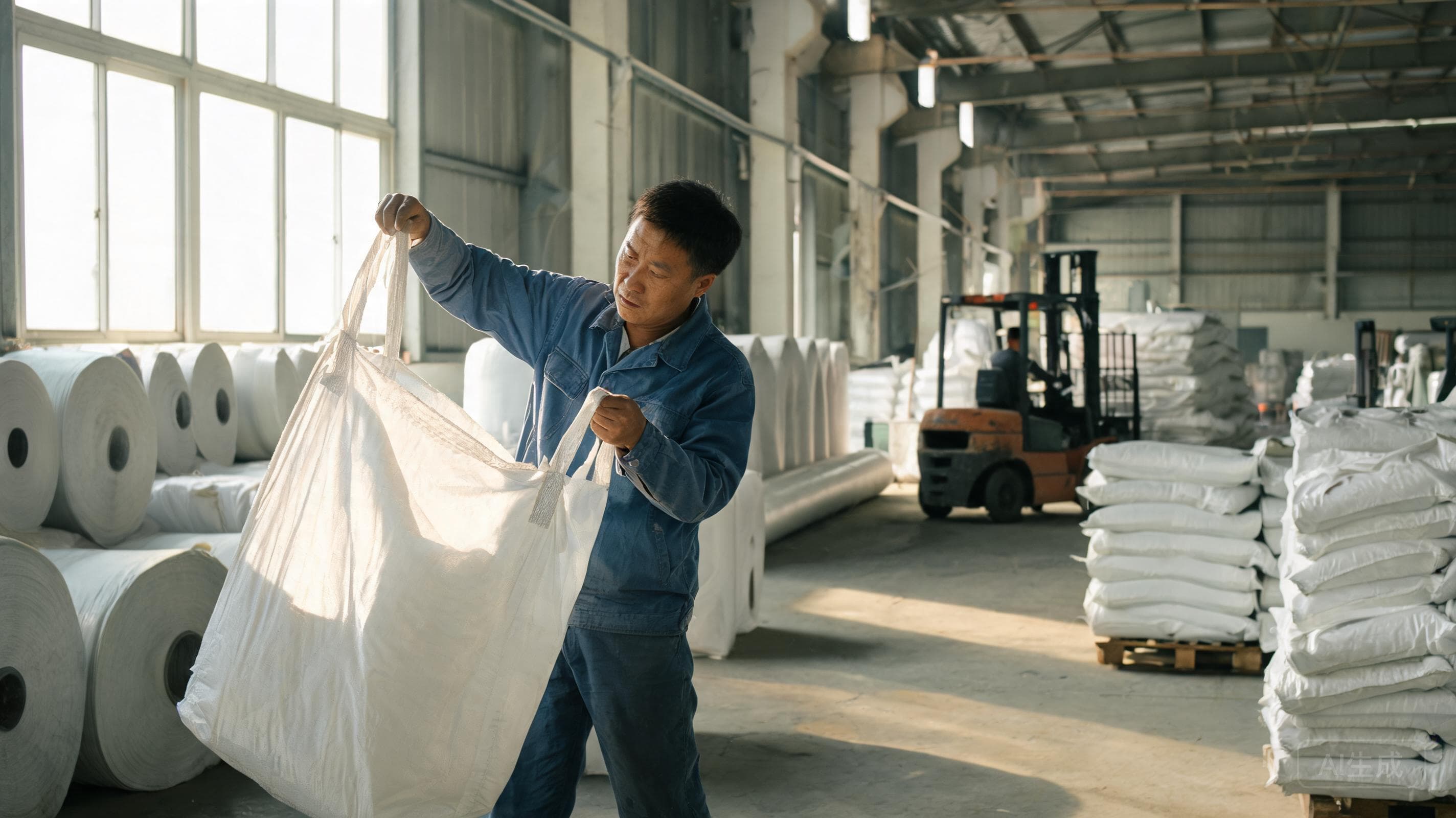
How Advanced FIBC Technology Reduces Supply Chain Risk and Improves Profitability in Bulk Packaging
Discover how advanced FIBC technology—ventilated, tear-resistant, and top-lift designs—reduces supply chain risk, cuts total cost of ownership, and boosts profitability. Learn to choose the right bulk bag and future-proof your operations.
Want to know more?
Get in touch with us for more information about our services and products.